


 中文简体
 English
 русский
 Español
 عربى
Home / News / Industry News / How to Prevent Shrinkage and Edge Curling in PVC Wallcovering Installations
Industry News
PVC wallcovering is a popular choice for high-traffic and commercial walls because it resists stains and washes well. Yet even a quality PVC wallcovering can fail at the edges if the installation is not controlled. Shrinkage and edge curling are common complaints, but both can be prevented with the right substrate preparation, adhesive selection, and hanging technique.
This guide explains the main causes of these problems and the practical steps you can take to prevent shrinkage and edge curling in PVC wallcovering installations.
PVC wallcovering responds to moisture, temperature, and the stress placed on it during installation. If the material is stretched while it is hung, it will try to return to its original size as the adhesive cures. This movement creates shrinkage and often causes the edges to lift. Several factors contribute:
Understanding these causes helps you avoid shrinkage and edge curling before they appear. The table below summarizes the most common situations and where prevention should focus.
| Issue | Common Cause | Prevention Focus |
|---|---|---|
| Edge curling | Adhesive dried before the panel was placed | Work within the open time and cover borders |
| Shrinkage after drying | Over-stretching during smoothing | Slide the panel into position without pulling |
| Seam opening | Dirty substrate or weak seam contact | Clean and prime the wall, then roll seams |
| Wrinkles and bubbles | Moisture trapped below the film | Wait until the substrate reaches the recommended moisture level |
Preventive work begins before the first roll is opened. If the wall is not in the right condition, no adhesive can stop shrinkage and edge curling from appearing later.
The wall must be clean, dry, smooth, and primed. Remove old wallpaper, dust, grease, and loose paint. Fill cracks and sand rough areas so the full width of the PVC wallcovering can make contact with the substrate. An unprimed surface can pull moisture from the adhesive and weaken the bond at the edges. Keep substrate moisture within the range recommended by the substrate or wallcovering manufacturer.
Store the rolls in the installation room for 24 to 48 hours before starting. This lets the PVC wallcovering adjust to the room temperature and humidity. Maintain a room temperature of 15 to 25 degrees C and relative humidity of 40 to 60 percent. Keep windows and doors closed during installation and for at least 48 hours afterward. Sudden changes make the vinyl film expand or contract, and this movement often appears at the edges first.
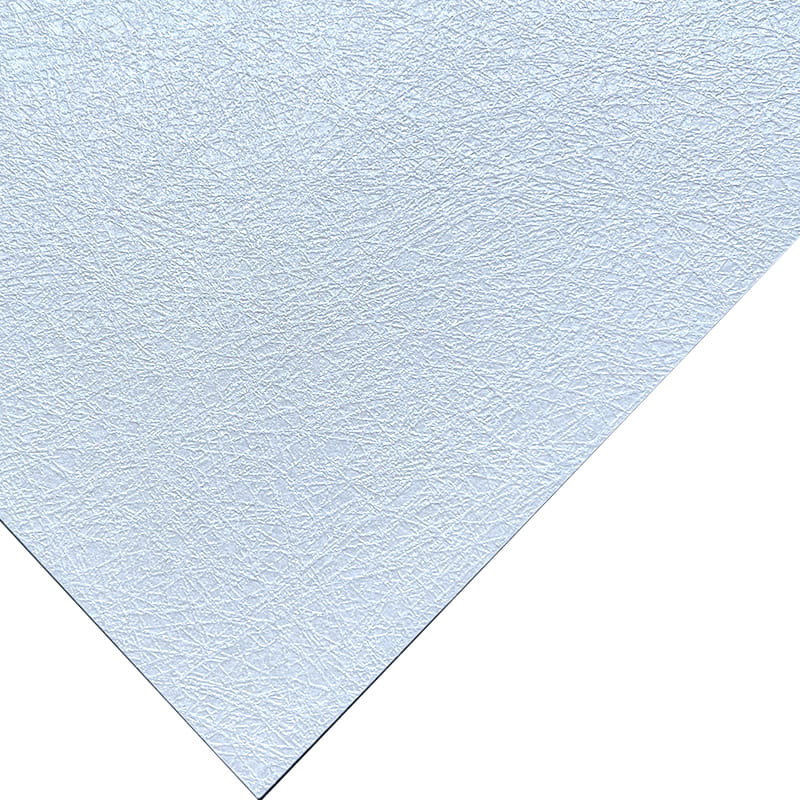
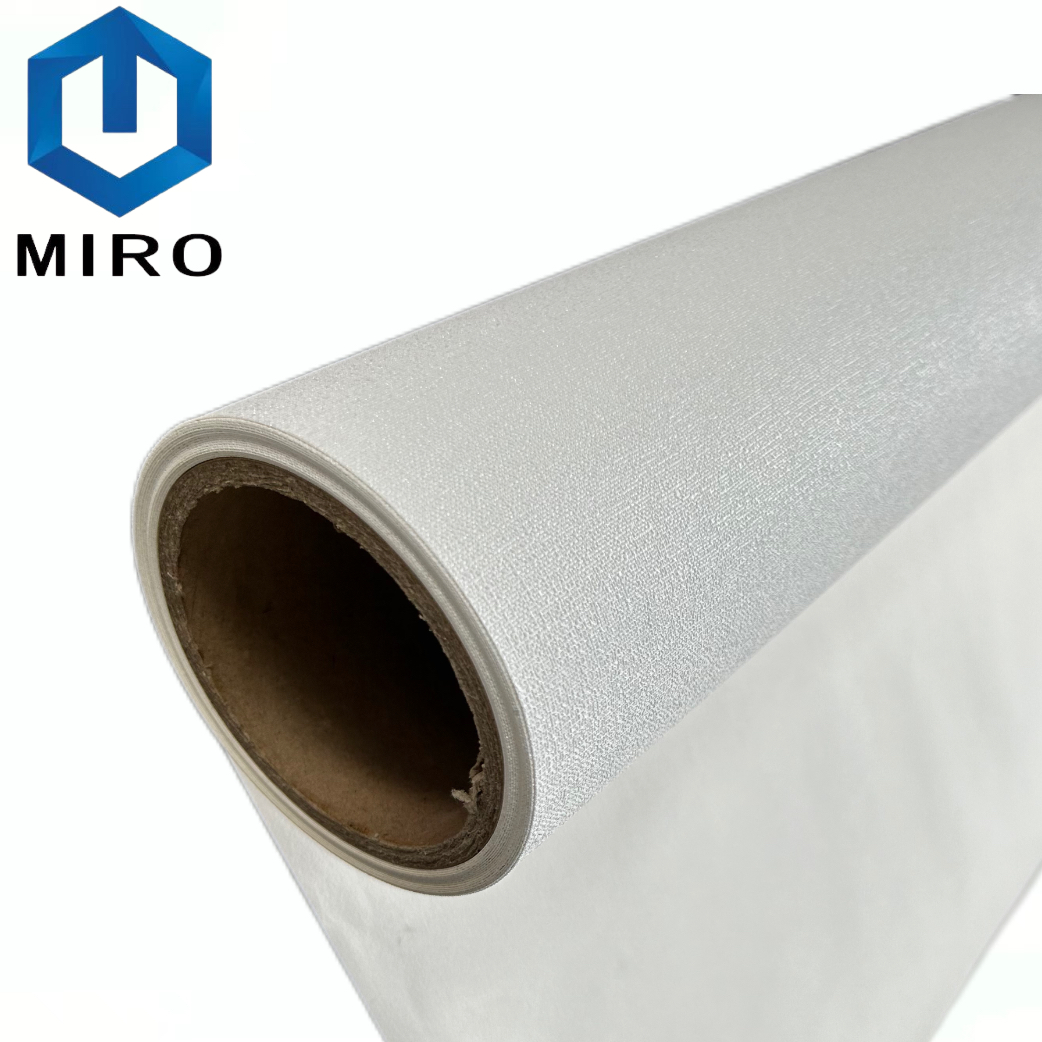
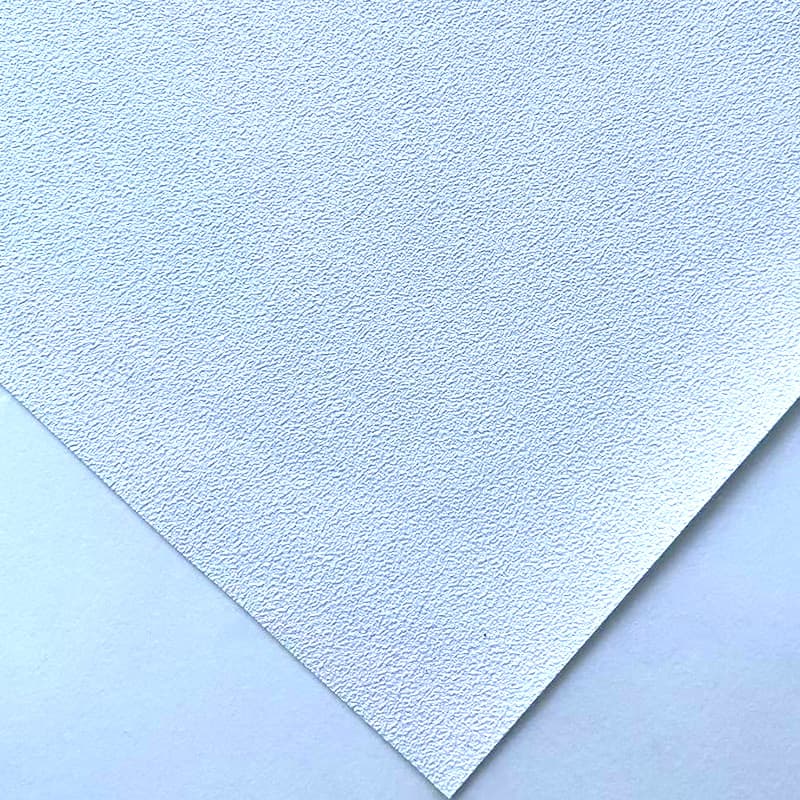 Vinyl Wallcovering with Dual-Layer PVC CoatingThis high-performance vinyl wallcovering resists scuffs, mold, and water while offering a matte finish. It suits commercial spaces and pairs well with proper adhesive application to prevent edge curling.View Product →
The adhesive is the bridge between the wall and the PVC wallcovering. If it does not wet out the full back of the material, or if it dries before the wallcovering is in place, the edges will not hold.
Use an adhesive recommended for PVC and vinyl wallcoverings. Apply the paste evenly over the whole panel, including the edges. Do not rely on a few strips of adhesive. Work within the open time of the adhesive. If the adhesive starts to dry before the panel is placed, the wallcovering will not bond properly, and the edges may pull away as the material contracts.
Edge curling is often caused by insufficient adhesive in the last 5 centimeters of the panel. Add paste specifically to the border area and press the edges with a seam roller after positioning. Wipe away any adhesive that squeezes out from the seam with a damp sponge. For heavy PVC wallcoverings, use a seam adhesive or edge sealer where needed, but only after checking compatibility with the product.
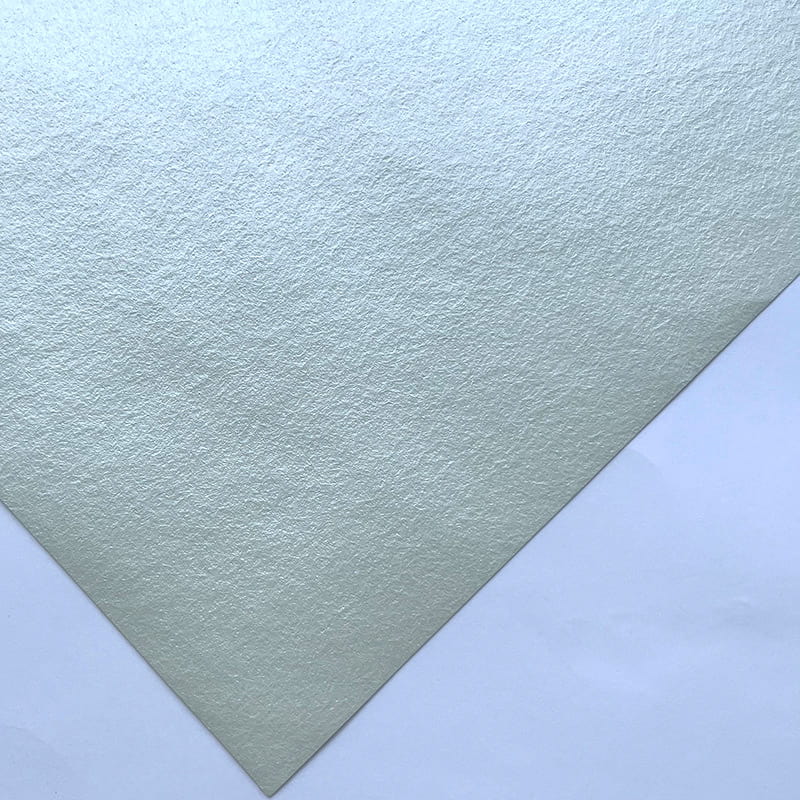
 PVC Wallpaper with Non-Woven Paper BaseFeaturing a non-woven substrate and PVC coating, this wallpaper provides dimensional stability and tear resistance. Its stable backing helps avoid stretching or shrinking, reducing the risk of edge separation during installation.View Product →
PVC wallcovering is flexible, and it is easy to pull it tight while smoothing. The problem is that a stretched panel will naturally relax and shrink as the adhesive dries. This movement is one of the main reasons for edge curling after installation.
Mark a vertical line that matches the panel width and use it as a guide. Hang the PVC wallcovering without forcing it into alignment. Press the material onto the wall with a smoothing tool, working from the center toward the edges. If a panel is slightly out of alignment, loosen it and reposition it rather than pulling the edge to make it fit.
For PVC wallcoverings, double-cut seams help avoid thick overlap and make the seam less likely to open. Use a straightedge and a sharp blade to cut through both layers at the seam, remove the waste, and lift the edges to apply adhesive to the seam line before pressing them down. Work with gentle tension, not stretching. After the seam is set, roll it with a seam roller to create full contact along the entire edge.
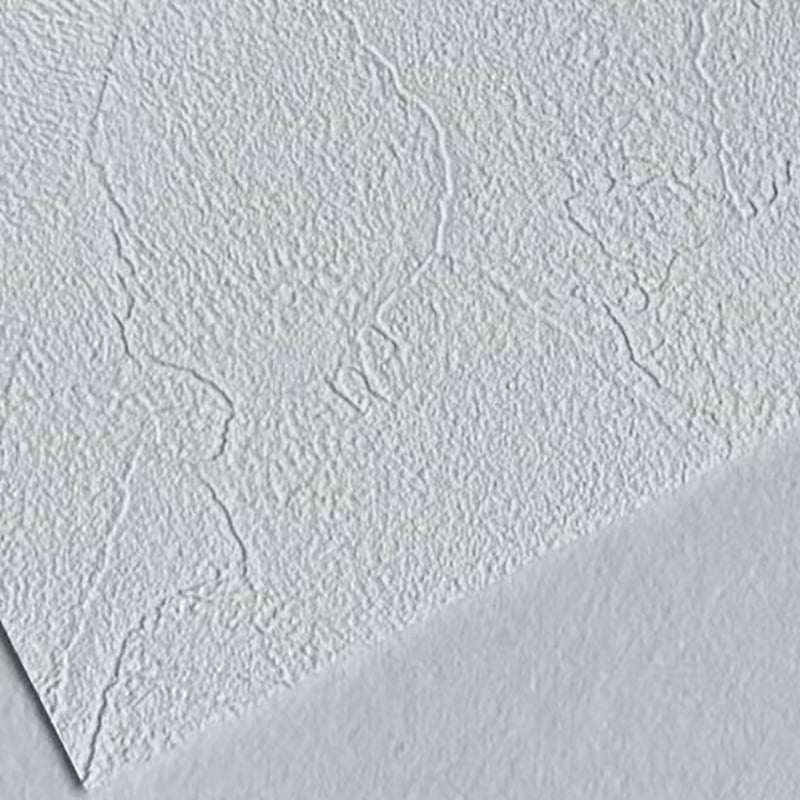
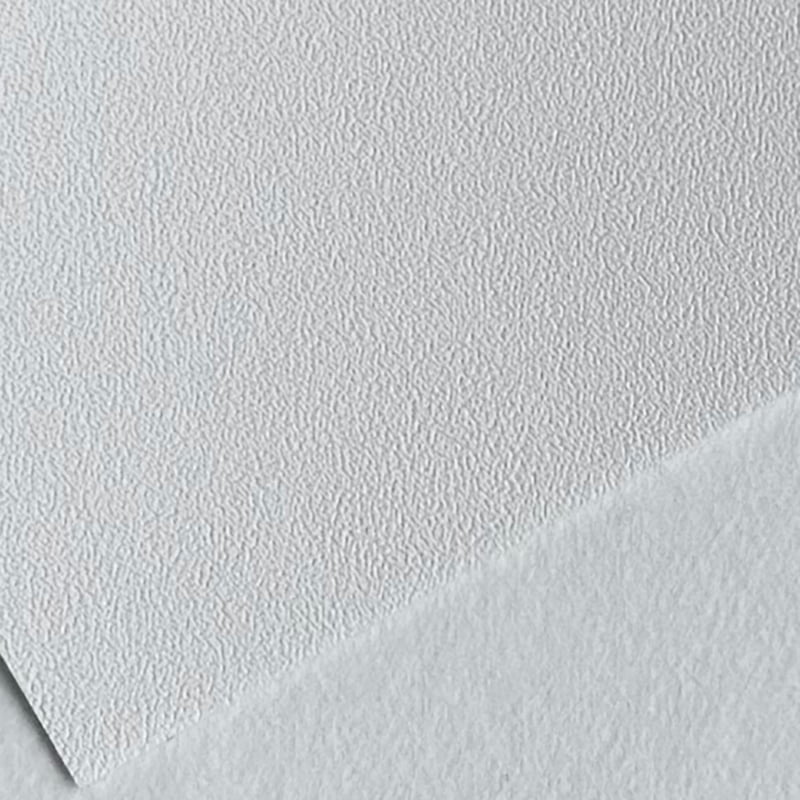 PVC Wallcovering with Non-Woven Base M-JM306This wallcovering combines a breathable non-woven backing with a protective PVC surface for durability and easy cleaning. Its tensile-resistant base minimizes deformation, helping seams stay flat and edges remain secure.View Product →
The quality of the PVC wallcovering itself influences how much it shrinks and how easily edges curl. Low-grade vinyl films and unstable backings are more likely to respond to moisture and temperature changes. A reliable supplier can provide clear installation guidelines, consistent roll dimensions, and a product made with controlled tension and dimensional stability in mind.
MIRO New Materials Co., Ltd. is a professional manufacturer of decorative wall materials with over twenty years of experience. Its range includes PVC wallcoverings on non-woven paper and non-woven fabric bases, as well as printable wall materials for commercial and residential projects. Because MIRO controls the coating and finishing processes, it can maintain uniform quality and offer practical advice on adhesive compatibility and installation conditions. Before ordering, ask your wallcovering manufacturer about dimensional stability, backing type, and drying behavior. This conversation matters for large commercial space installations.
A1: If the edge has just lifted and the material has not permanently shrunk, apply a suitable adhesive, press the edge down, and roll it with a seam roller. If the wallcovering has already lost its dimensional stability, the panel may need to be replaced. Acting quickly gives the best chance of saving the installation.
A2: PVC films contain plasticizers that react to temperature and moisture changes. When the film is stretched during installation, it tries to return to its original size as the adhesive cures. Products with a balanced non-woven backing or a stable coating system are less likely to show this behavior.
A3: Use a high-quality vinyl wallcovering adhesive or a seam adhesive designed for PVC products. Apply it to the back of the edge and to the wall, then use a seam roller to press the edge into complete contact. Check with your supplier for compatibility with your chosen wallcovering.
A4: The adhesive usually needs 24 to 48 hours to cure under normal room conditions. Do not clean the surface during this time. In cooler or more humid conditions, the drying period may be longer. Follow the adhesive manufacturer instructions and test an inconspicuous area before washing.
Preventing shrinkage and edge curling in PVC wallcovering installations starts with a quality product, continues with careful substrate and climate preparation, and ends with controlled adhesive and seam technique. When every step is handled with care, PVC wallcovering stays flat, tight, and clean for years. Taking the time to understand material behavior and installation conditions is the most reliable way to avoid costly callbacks and rework.


+86-21-68881570

info@mirowallcovering.com

A207 No.2 Building NO.555 Lansong PD Pudong District 200137, Shanghai China
© Shanghai MIRO Import and Export Co., Ltd. All Rights Reserved. Custom Eco-Friendly Sustainable Wallpaper Manufacturersprivacy
