中文简体
中文简体 English
 русский
 Español
 عربى
عربىIndustry News
What Materials Are Used to Make the Wallpaper?
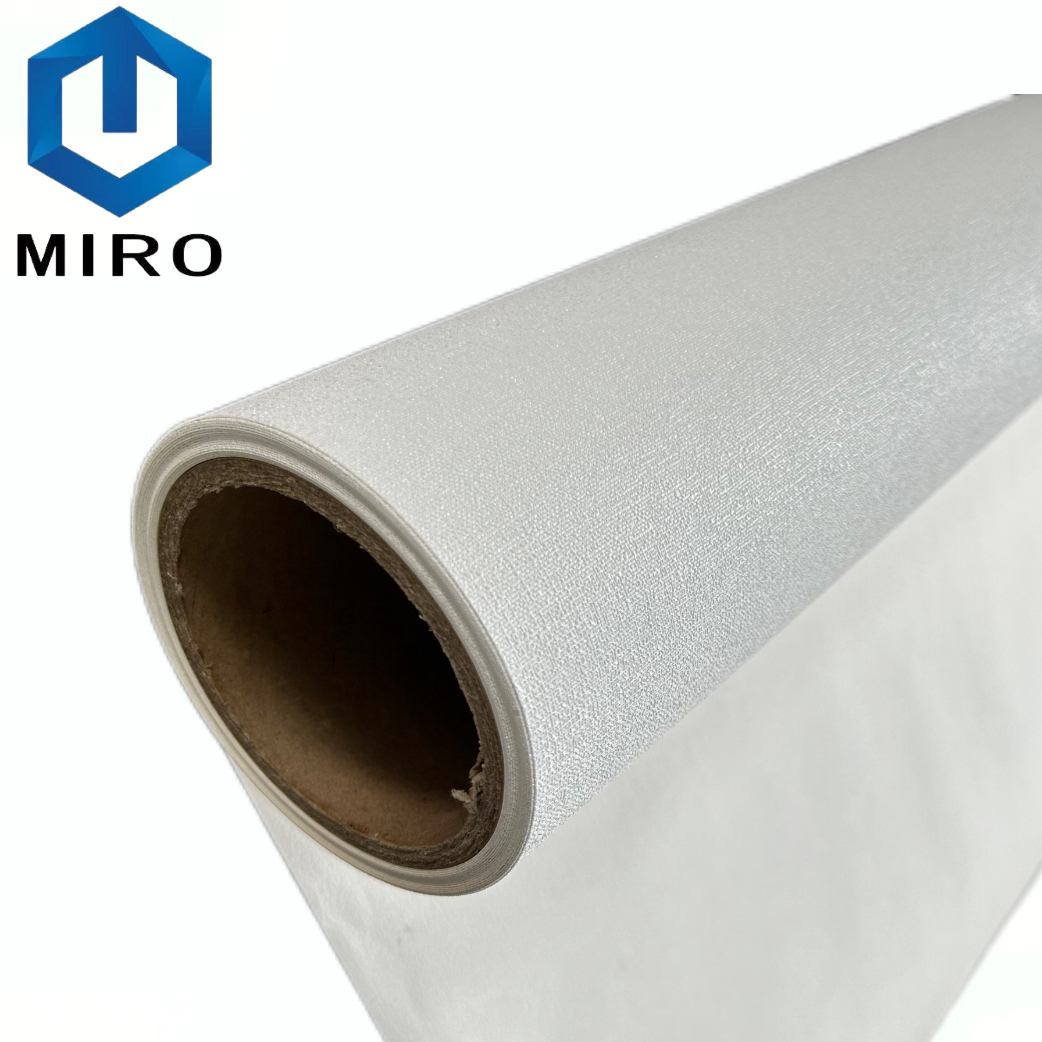
The first and most important question you must ask your wallpaper manufacturer is about the exact materials used in production. This single factor determines durability, safety, appearance, maintenance requirements, and suitability for different spaces in your home or commercial property. High-quality raw materials directly lead to a finished product that lasts 2–3 times longer than standard alternatives, making this a non-negotiable starting point for your inquiry.
Reputable manufacturers will provide full transparency about base materials, coatings, inks, and adhesives. Avoid suppliers who cannot clearly explain the composition of their wallpaper or use vague terms like “premium” without specific details. Reliable manufacturers test all materials for harmful substances and comply with international environmental and safety standards, which is critical for indoor spaces, especially bedrooms, nurseries, and high-traffic areas.
Key Material Categories to Confirm
- Base fabric or paper structure, including weight and thickness specifications
- Type of protective surface coating for stain and scratch resistance
- Eco-friendly certifications for low chemical emissions and non-toxic production
- Waterproof and moisture-resistant properties for bathrooms and kitchens
Material quality also impacts installation and long-term performance. Wallpaper made with stable, flexible materials is easier to hang without bubbling or tearing, while poor-quality materials may shrink, fade, or peel within a short period. Top-tier manufacturers use materials that retain color and texture for more than 5 years under normal indoor conditions, even in spaces with regular sunlight exposure.
Comparison of Common Wallpaper Material Performance Indicators
| Material Feature | Premium Quality | Standard Quality |
| Durability | High | Moderate |
| Safety | Certified Non-Toxic | Basic Compliance |
| Maintenance | Easy to Clean | Delicate Care |
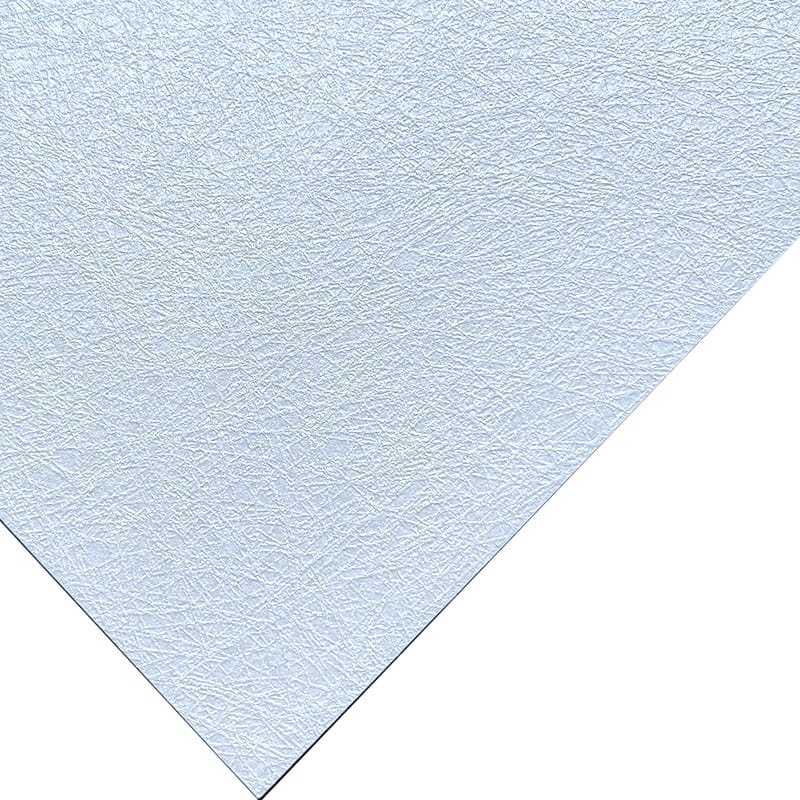
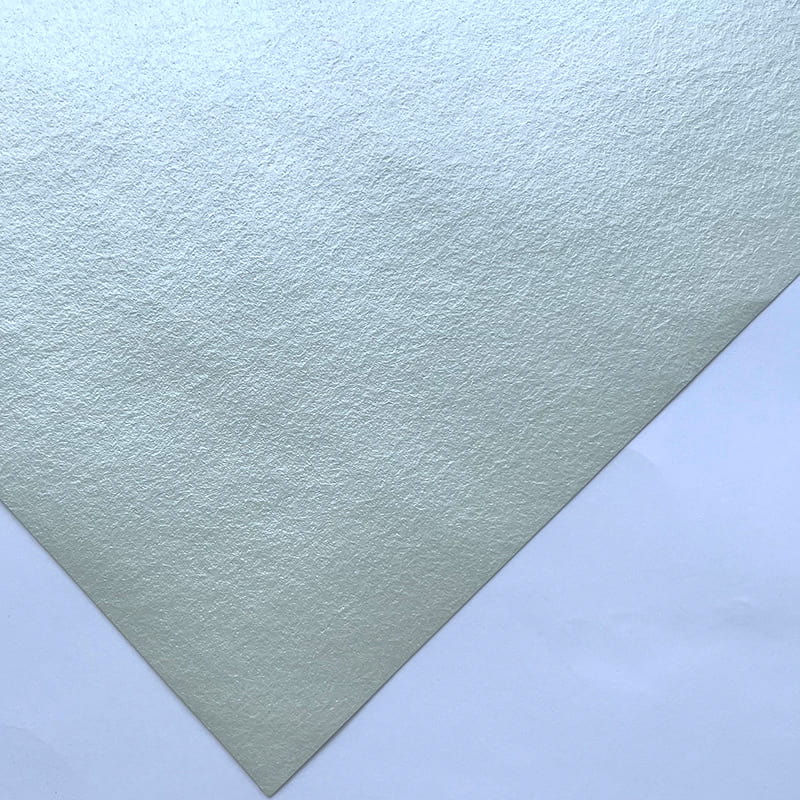
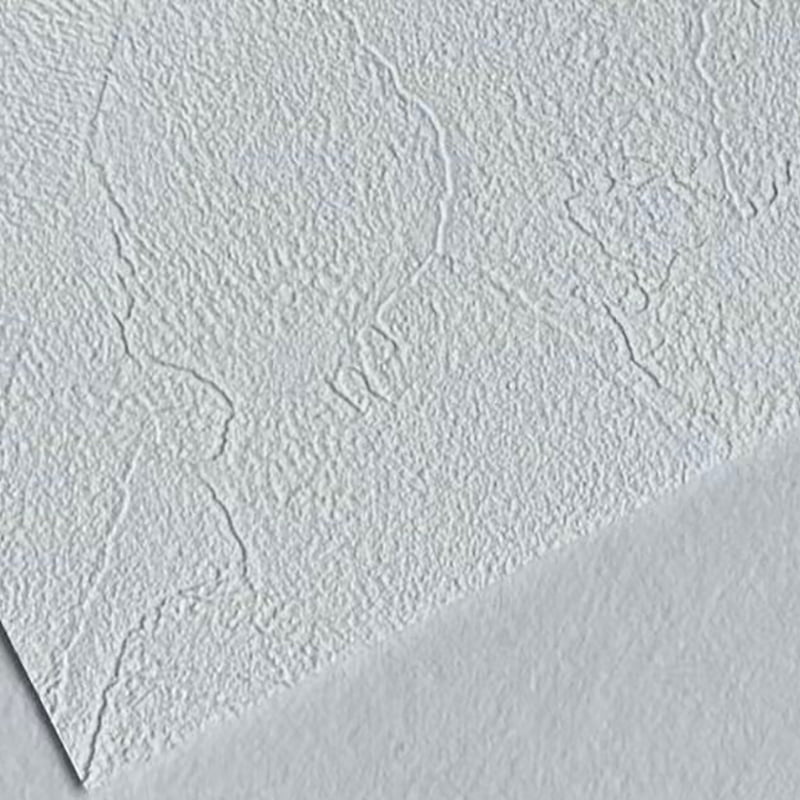
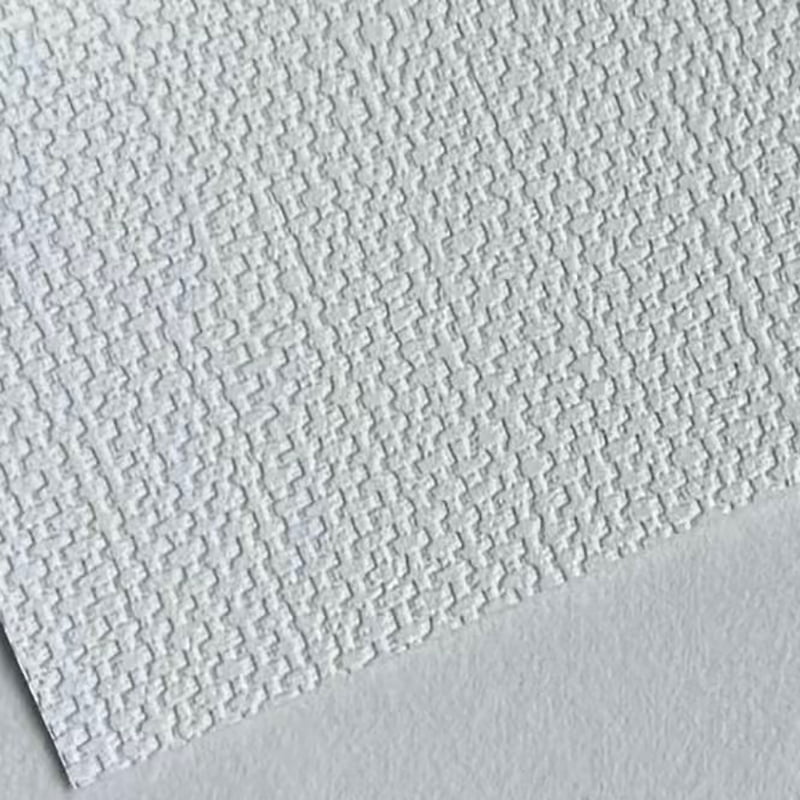
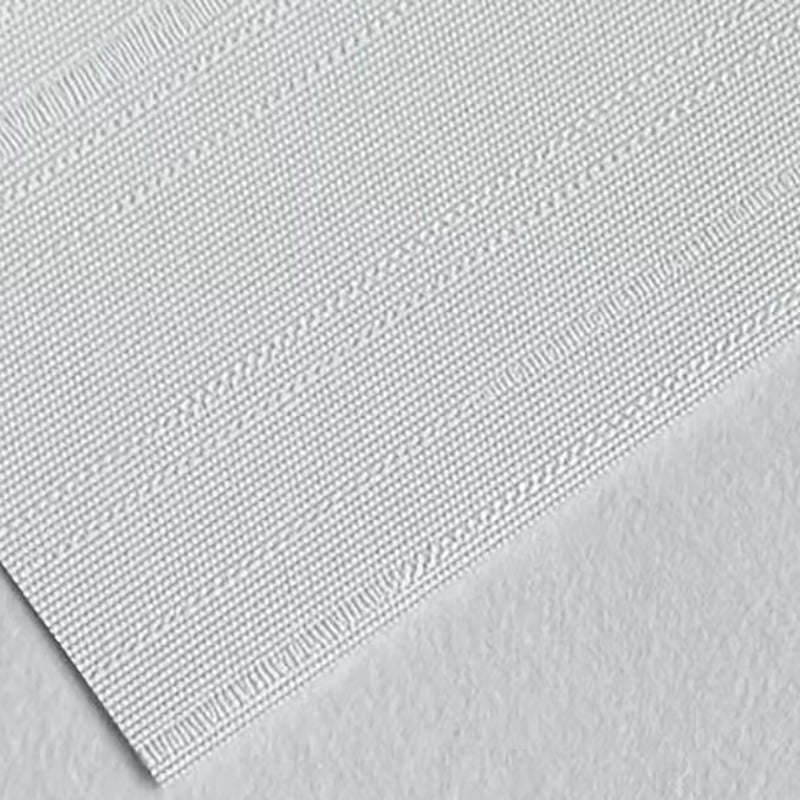
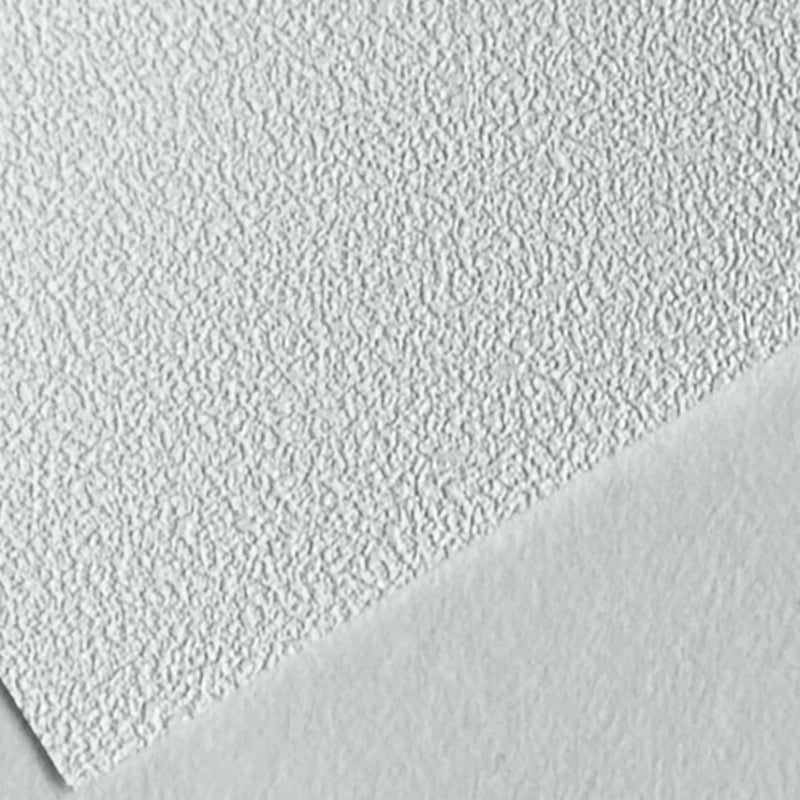
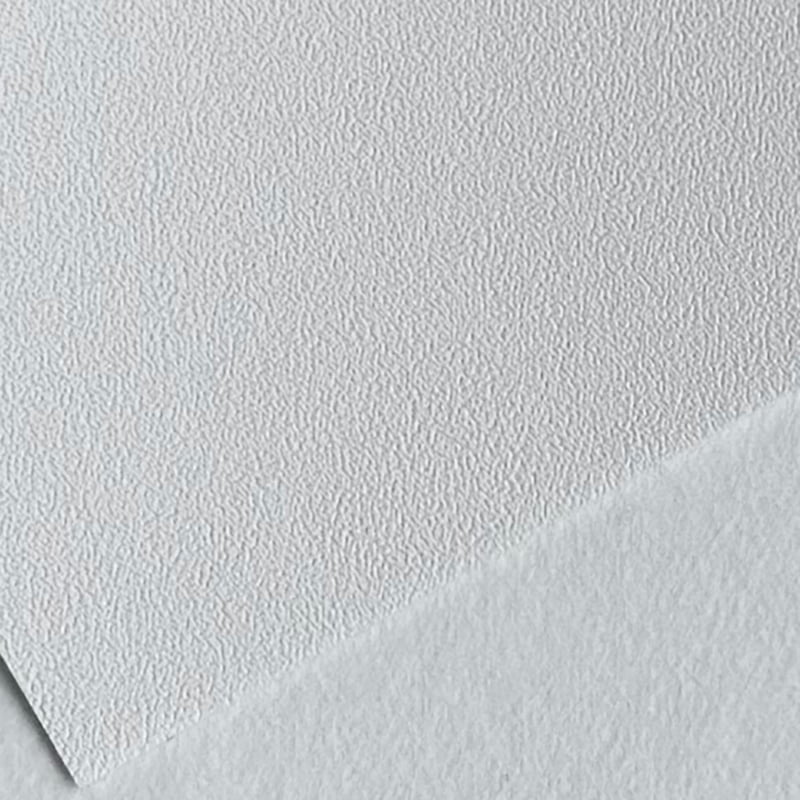
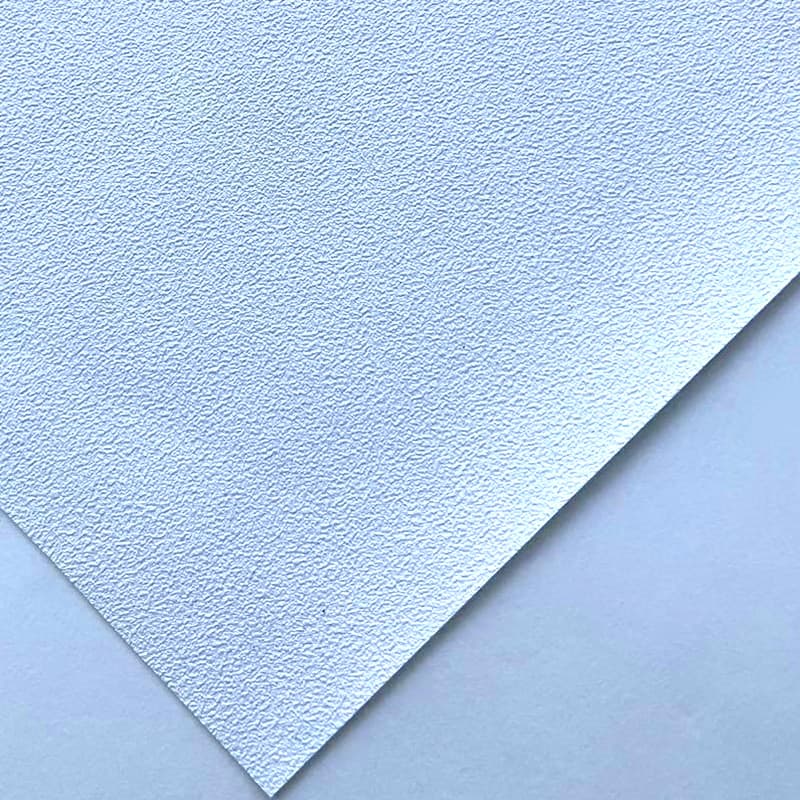
Always request material samples before placing a bulk order. Physical samples allow you to test texture, thickness, and flexibility, and you can verify how the material responds to light handling and minor cleaning. A trustworthy manufacturer will send samples promptly and at low or no cost, as they stand behind the quality of their raw materials and finished products.
What Quality Control Processes Are in Place?
Quality control is the backbone of reliable wallpaper production, and you must clearly understand the manufacturer’s inspection procedures before finalizing your order. Manufacturers with strict QC standards reject approximately 5–8% of production batches for failing appearance, durability, or safety tests, ensuring only flawless products reach customers.
Critical Quality Control Checkpoints
- Raw material verification and certification checks before production begins
- In-line printing inspection for color consistency, pattern alignment, and clarity
- Physical performance testing for adhesion, flexibility, and scratch resistance
- Final visual inspection and measurement verification for each finished roll
- Packaging inspection to prevent damage during storage and shipping
You should also ask whether the manufacturer provides quality certificates or test reports for their products. Reliable manufacturers willingly share these documents and can explain the testing methods and results in simple terms.
How to Verify Quality Control Reliability
Request photos of the production facility, inspection stations, and finished product storage. You may also ask for references from previous clients. For large orders, consider arranging a third-party quality inspection before shipment.
Can You Accommodate Customization Requests?
Customization is often essential for matching interior design themes, brand identities, or unique space requirements. More than 60% of commercial and high-end residential wallpaper orders include some form of customization.
Common Customization Options to Discuss
- Custom color matching to specific Pantone or paint brand shades
- Pattern scaling, cropping, or repeating for different wall dimensions
- Special surface finishes such as matte, glossy, textured, or metallic
- Custom roll sizes to reduce waste and simplify installation
- Private label packaging and branding for commercial distributors
Cost and Timeline for Custom Orders
Custom orders typically involve setup fees, design adjustments, and longer production times. Ask for a detailed breakdown of all costs and confirm timelines in writing.
What Are the Production and Delivery Lead Times?
Understanding production and delivery timelines is critical for planning your installation project. Standard orders typically require 7–14 business days for production, while custom orders may take 15–25 business days.
Typical Lead Times
| Order Type | Production Time | Standard Shipping | Expedited Shipping |
| Standard Stock | 7–10 Days | 5–7 Days | 2–3 Days |
| Basic Custom | 10–15 Days | 5–7 Days | 2–3 Days |
| Full Custom | 15–25 Days | 5–7 Days | 2–3 Days |
What Warranty and After-Sales Support Are Provided?
Warranty coverage and after-sales support protect your investment. A reliable manufacturer offers a minimum warranty period of 1–2 years against manufacturing defects.
Key After-Sales Support Services
- Clear warranty coverage for manufacturing defects and material failures
- Responsive customer support for installation questions
- Fast replacement process for defective or damaged rolls
- Guidance on wallpaper care and maintenance
- Assistance with reorders and matching batches
How to Evaluate Warranty and Support Quality
Test responsiveness before placing your order. Quality manufacturers respond within 24 business hours and provide clear answers. A straightforward warranty claim process is also essential.