


 中文简体
中文简体 English
 русский
 Español
 عربى
عربى
Home / News / Industry News / Why Pure Color Textured Latex Coating Wallcovering Eliminates Seam Visibility
Industry News
Nothing exposes an imperfect installation faster than a visible seam line. After the adhesive dries and the wallcovering settles, joints that should disappear often become the first thing a client notices. Pure color textured latex coating wallcovering has emerged as one of the most effective answers to this problem because it is engineered to eliminate seam visibility during installation. Its dense latex coating, dimensionally stable non-woven base, and finely textured surface address every major cause of visible joints, while preserving the clean, contemporary look that solid color walls provide. For specifiers, installers, and property owners, this explains why the material has become a preferred choice in hotels, offices, and modern homes.
Seam visibility is not a single defect; it is the result of several physical processes working against the installer. Smooth surfaces reflect light uniformly, and when two strips of flat wallcovering meet, even a perfectly trimmed edge creates a microscopic ridge. Under directional light, that ridge reflects a thin, bright line across the wall, and because solid colors have no pattern to distract the eye, this line becomes unmistakable.
Dimensional movement is the second cause. Paper-based and some vinyl products expand when adhesive is applied and shrink as they dry, opening hairline gaps at the joint or pulling edges upward over time. The third factor is the wall itself: minor unevenness telegraphs through thin materials, making one strip appear slightly higher than the next.
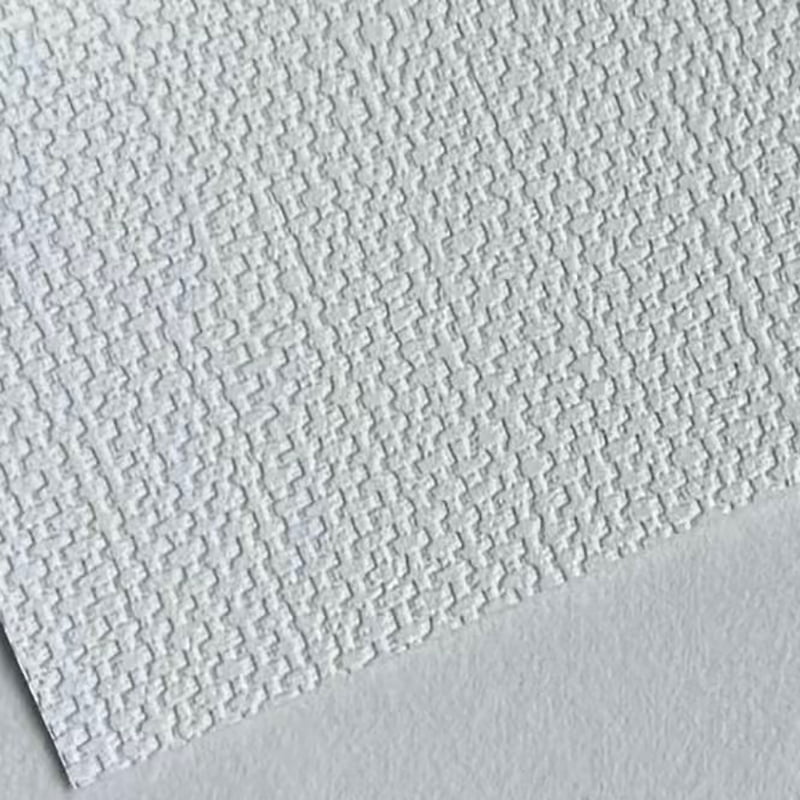
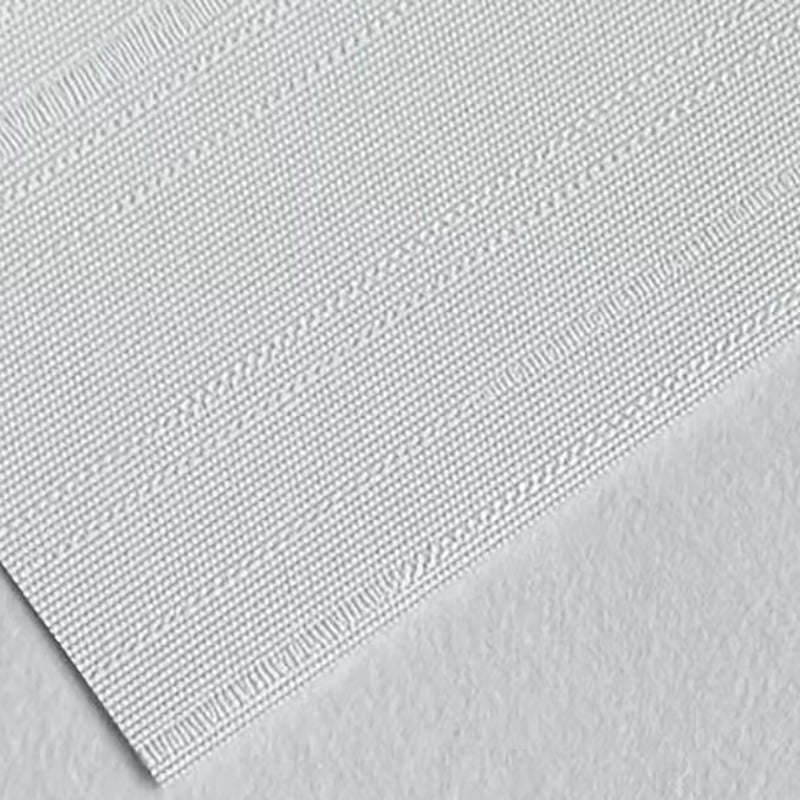
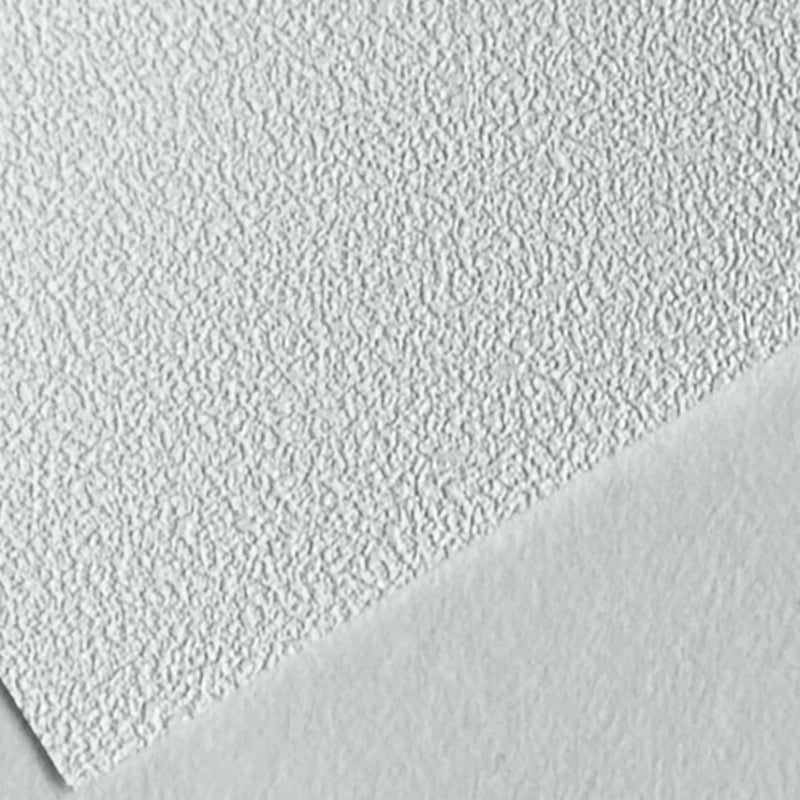
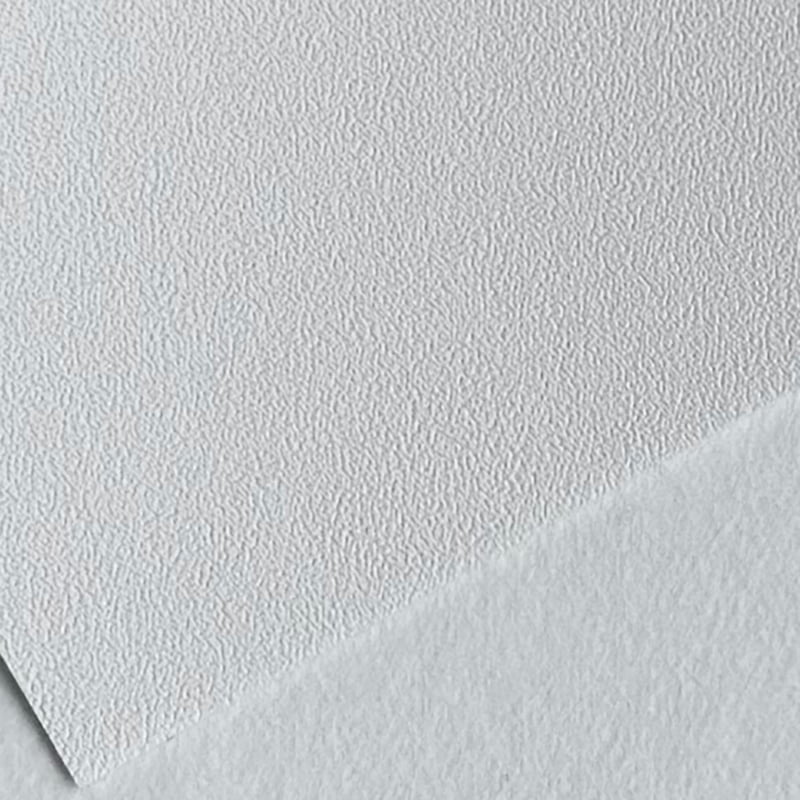
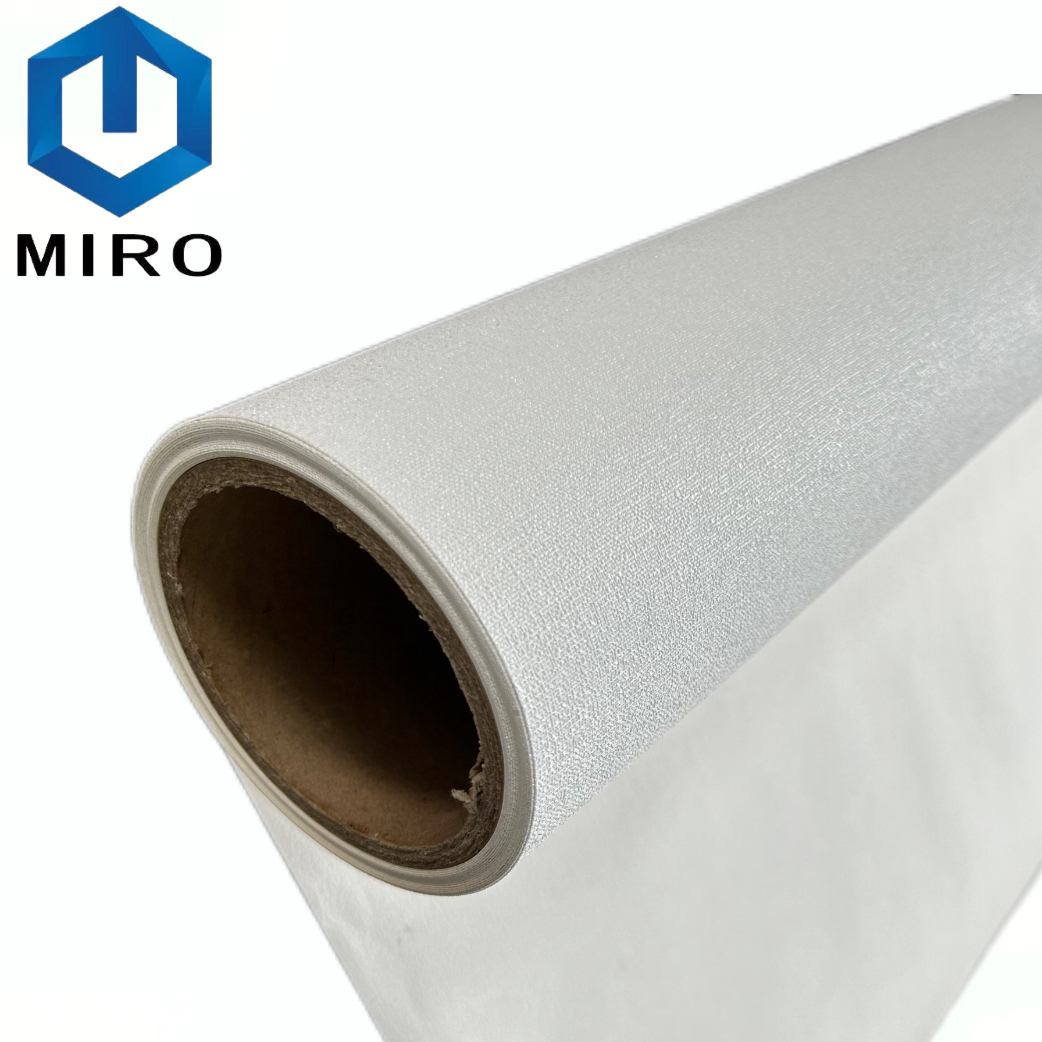
Pure color textured latex coating wallcovering is a finished wallcovering in which a colored latex coating is applied to a non-woven fabric base and then given a tactile surface through precision coating and embossing. Unlike printed wallpaper, it carries no repeating pattern. The color is consistent from roll to roll, and the texture can be sand-like, silky, or finely grained.
The manufacturing process determines performance. In the MIRO factory, coating is applied on dedicated coating lines, then the material passes through embossing and calendering equipment that fixes the texture, controls thickness, and produces clean, consistent edges. This is why the finish resists wear, why color stays uniform, and why the material behaves predictably during installation. These benefits are explored further in our overview of the unique advantages of textured latex coating wallcovering.
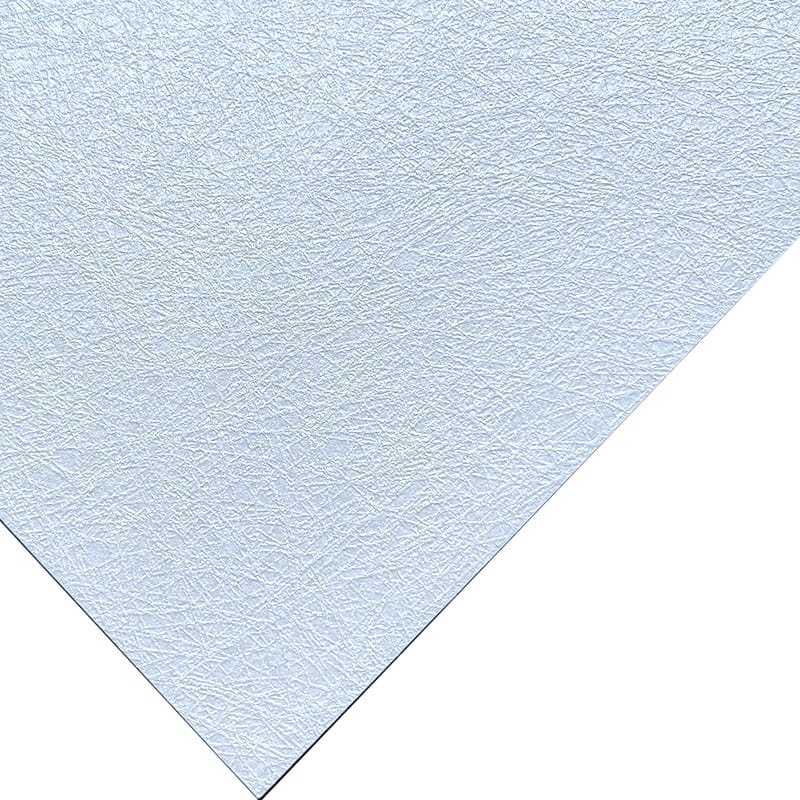
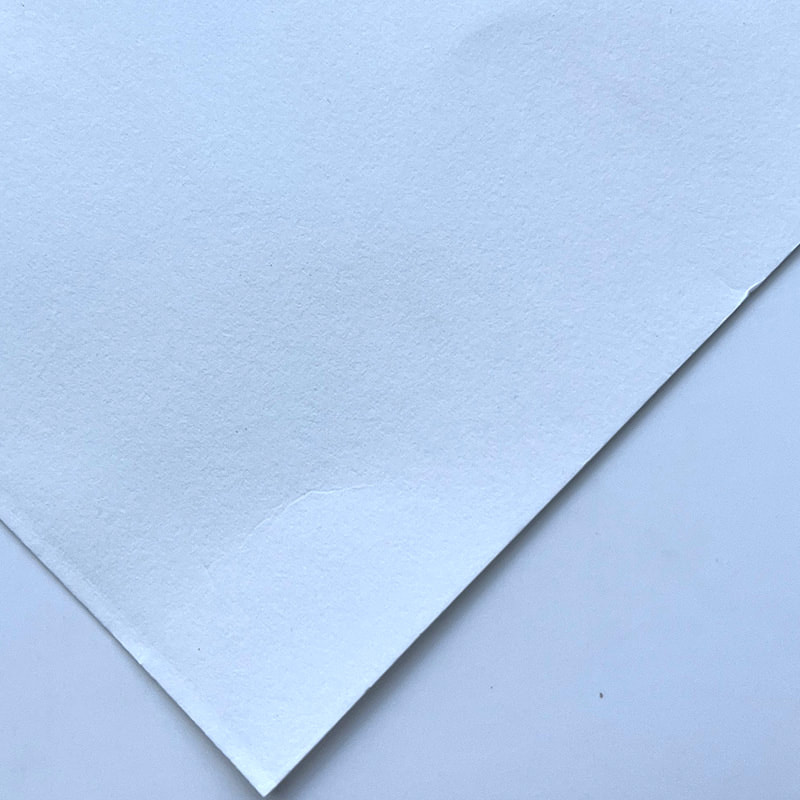 Pure Color Textured Latex Coating Wallcovering with Pre-Paste AdhesiveThis wallcovering features a durable textured latex coating and pre-applied adhesive, enabling quick, residue-free installation. Its forgiving surface hides minor imperfections, making it ideal for high-traffic corridors and daily cleaning.View Product →
The result is a surface that reads like a painted wall but performs like a textile: durable enough for corridors, cleanable in daily use, and unusually forgiving during installation.
Four physical characteristics explain why pure color textured latex coating wallcovering eliminates seam visibility so consistently.
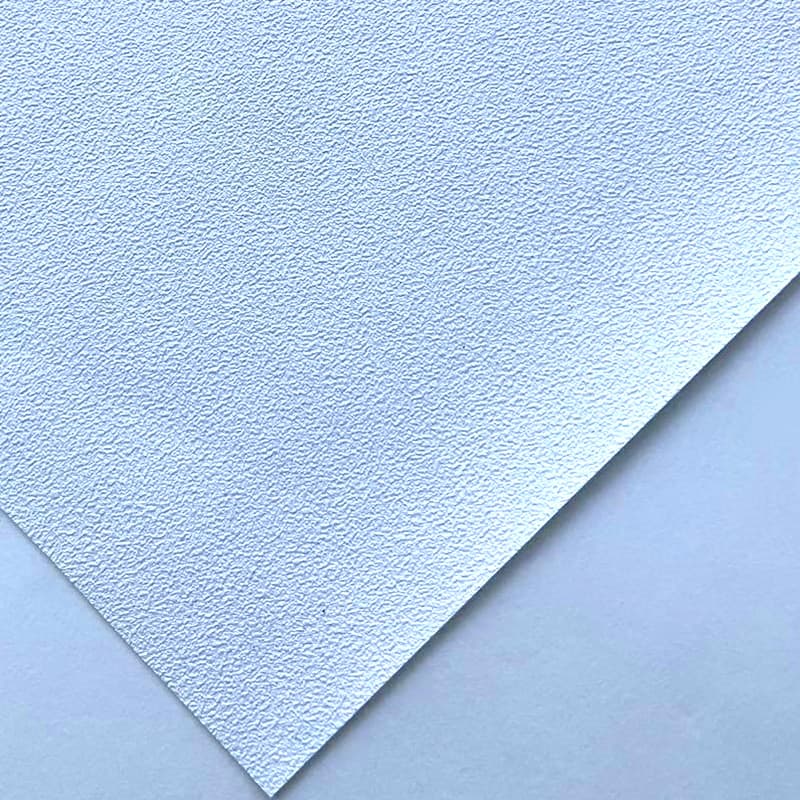
The micro-relief of the latex-coated surface scatters incoming light in many directions. Tiny shadows created by the texture break up the contour of the cut edge, so the eye perceives a continuous matte surface instead of a bright joint line. This is the same principle used in textured architectural coatings: the more micro-shadow a surface contains, the less the eye registers small changes in elevation.
Non-woven fabric is formed by bonding fibers, which creates a dimensionally stable structure. It does not swell when adhesive is applied and does not contract as it dries. Edges stay exactly where the installer places them, eliminating the most common cause of open seams.
Telegraphing occurs when substrate imperfections appear on the finished surface, leaving adjacent strips at different heights. A quality textured wallcovering has a coating layer thick enough to bridge minor wall irregularities. In MIRO's factory, the coating is applied under tension on calibrated lines so that thickness remains consistent across the width and from batch to batch. When panels meet, there is no step for light or touch to detect.
With no pattern to align, the remaining risk is a visible difference in luminance between adjacent strips. Pure color textured latex coating wallcovering solves this with a low-gloss matte finish and factory-controlled pigment dispersion. Matching batch numbers is still recommended, but color tolerance is far tighter than on printed materials.
The same production controls support compliance with international certifications including ASTM Class A fire rating, CE, RoHS, and SVHC testing, giving specifiers confidence that the seamless result will also meet project requirements.
Even a seam-friendly material needs correct handling. The following practices help installers get the best out of pure color textured latex coating wallcovering.
Installers often describe this material as forgiving. Small variations in trimming, which would create a permanent line on smooth paper, simply disappear into the relief of the surface.
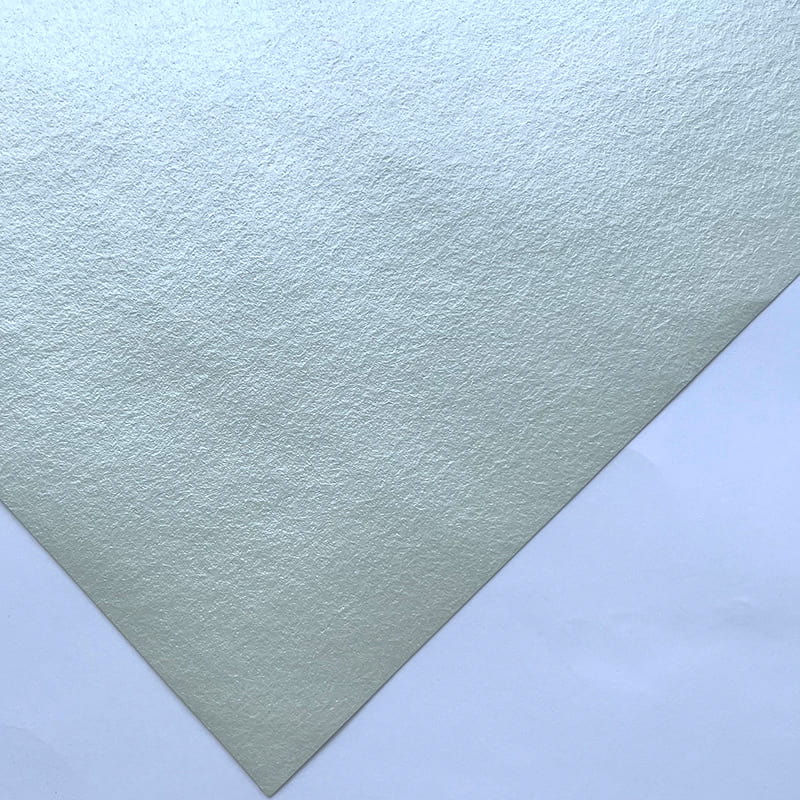
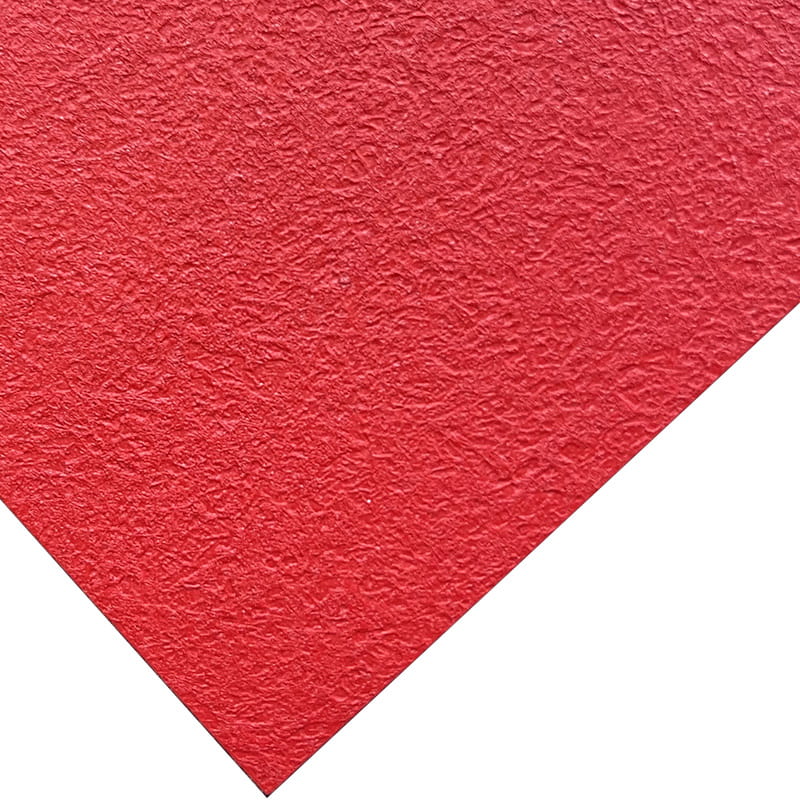 Plain Color Textured Latex Coating Wallcovering with Peel-and-Stick ApplicationA customizable plain-color textured wallcovering with built-in adhesive for easy, residue-free application. Its fine texture softens light and helps conceal small trimming errors, suited for smooth walls like plasterboard and painted surfaces.View Product →
The table below compares seam behavior across the most common wallcovering categories.
| Material Type | Surface Finish | Dimensional Stability | Seam Visibility | Typical Application |
|---|---|---|---|---|
| Smooth vinyl wallpaper | High gloss, mirror-like | Moderate, shrinks when dry | High | Budget residential interiors |
| Standard non-woven wallpaper | Flat matte, no relief | Good | Moderate | Residential bedrooms and living rooms |
| Embossed vinyl wallcovering | Shallow embossed pattern | Variable | Medium | Commercial corridors and rental spaces |
| Pure color textured latex coating wallcovering | Micro-texture, low gloss | Excellent | Very Low | Hotels, offices, public buildings, homes |
| Fabric-backed wallcovering | Woven texture, low gloss | Excellent | Low to medium | Luxury residential and hospitality |
Texture alone is not enough. Dimensional stability and even coating depth are what turn a textured material into a truly seamless wallcovering, which is why the manufacturing process matters as much as the surface design.
Seam-free walls matter most where lighting is directional and surfaces are large and uninterrupted. Hotel guest rooms, corridors, conference rooms, and showrooms are typical examples. In these settings, a visible seam makes a space look unfinished. Pure color textured latex coating wallcovering delivers walls that read as premium painted surfaces while offering better durability and easier maintenance. For commercial projects, reliable results and faster installation are decisive advantages.
In public buildings, the same qualities combine with strict hygiene requirements, and a white mold-resistant version is often specified for damp areas, stairwells, and back-of-house corridors. In private homes, pure color textured latex coating creates calm, cohesive interiors, especially on bedrooms, feature walls, and tall stair walls.
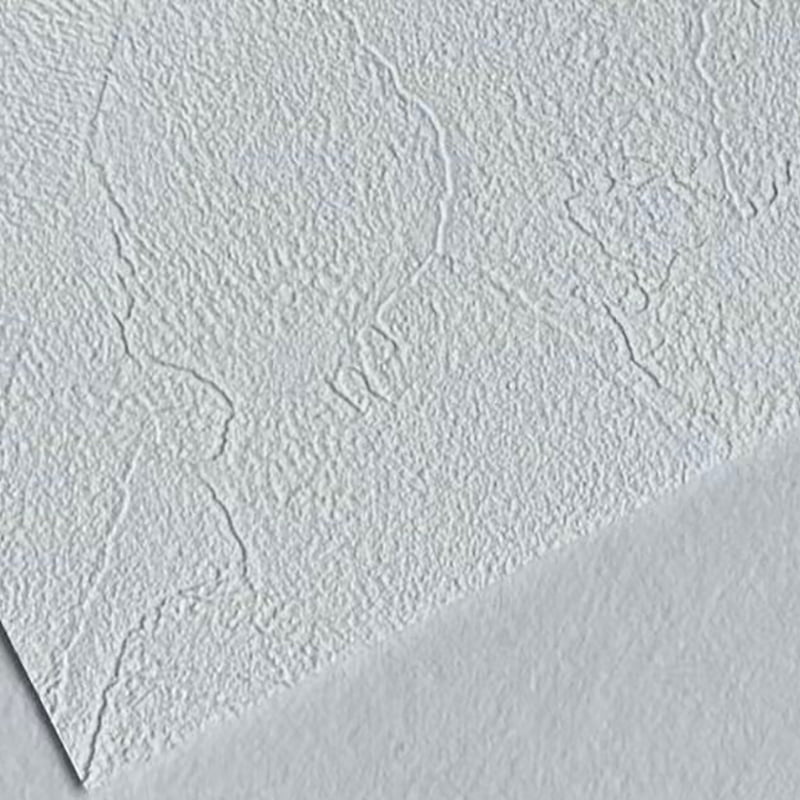
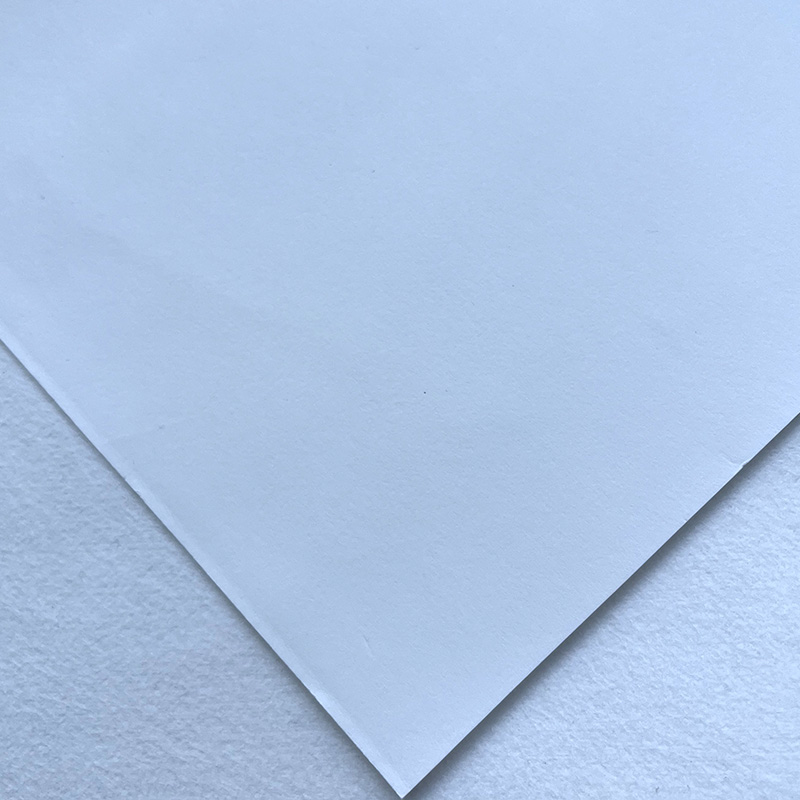 White Textured Latex Coating Wallcovering with Mold and Fire ResistanceAn eco-friendly white textured latex wallcovering offering mold resistance and B1 fire retardancy. Designed for damp areas and public spaces, it provides a hygienic, durable finish that maintains fresh air and meets safety standards.View Product →
Smooth solid-color materials reflect light uniformly, so even a microscopic edge ridge turns into a bright line. They also expand with paste and shrink while drying, opening the joint afterward. A textured latex coating solves both problems by scattering light and providing a dimensionally stable non-woven base.
No. The latex coating forms a durable, washable surface, and the texture is fine enough not to trap dust. Gentle cleaning with a damp cloth is normally sufficient for everyday maintenance.
Use an adhesive designed for non-woven wallcoverings, applied to the wall. Paste-the-wall application allows precise positioning and keeps the edges in contact with fresh adhesive for a strong, flat joint.
It tolerates minor irregularities thanks to its coating thickness and texture. Significant defects such as large cracks or deep holes should still be filled and sanded flat before installation.
A painted wall can show roller marks, repair patches, and wear over time. Textured latex coating wallcovering provides the same minimal aesthetic with a more uniform appearance, while adding durability, washability, and better thermal comfort.
Seam visibility is the difference between a wall that looks installed and a wall that looks designed. Pure color textured latex coating wallcovering gives installers a material that compensates for small installation variations, gives designers a surface that behaves like paint but performs like a textile, and gives clients the monolithic, seamless walls they expect from a premium interior. When manufacturing is controlled from coating lines to embossing to color matching, invisible seams stop being a hope and become a standard.


+86-21-68881570

info@mirowallcovering.com

A207 No.2 Building NO.555 Lansong PD Pudong District 200137, Shanghai China
© Shanghai MIRO Import and Export Co., Ltd. All Rights Reserved. Custom Eco-Friendly Sustainable Wallpaper Manufacturersprivacy
