


 中文简体
中文简体 English
 русский
 Español
 عربى
عربى
Home / News / Industry News / Coated Non-Woven Wallcovering vs Wallpaper: Best for Large-Format Digital Printing?
Industry News
Large-format digital printing has transformed walls into brand statements and immersive visual experiences. When the wall surface itself becomes the final canvas, the substrate matters as much as the ink. Two materials often enter the conversation: coated non-woven wallcovering and coated non-woven wallpaper.
Both are printable, both use a non-woven base, and both can deliver vibrant large-format graphics. Yet their construction, weight, dimensional stability, and intended end-use differ in ways that directly affect printing quality, installation speed, and durability. This guide compares the two across the criteria that matter most in large-format digital printing, so you can confidently choose the right substrate for each project.
You can explore how these materials are organized in production by looking at MIRO’s coated non-woven wallcovering and coated non-woven wallpaper lines.
Bottom line: neither material is universally “better.” The best choice depends on where the print will be installed, how long it must last, and how much handling and tension the substrate will face.
Although the names look similar, the two products are built for different performance levels. The base fiber composition and the coating formulation are not identical, and these differences shape the printing experience.
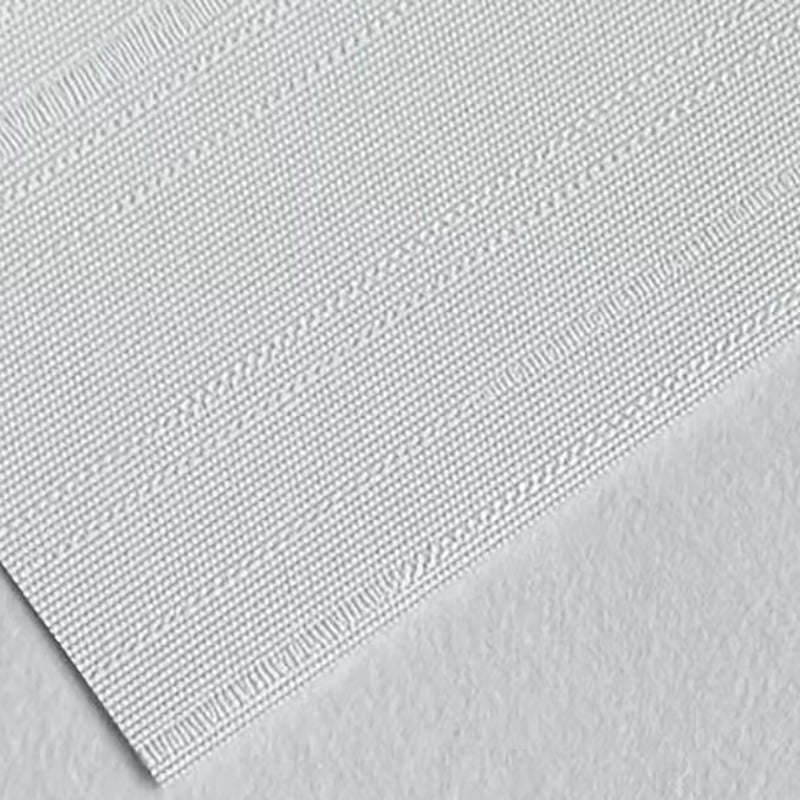
Coated non-woven wallcovering starts with a non-woven fabric base, usually a blend of natural and synthetic fibers such as cellulose, polyester, or glass fiber. This base is then coated with a latex-acrylic layer or similar coating to create a smooth, ink-receptive printing surface. The result is a heavier, tougher, and more dimensionally stable material that can withstand commercial handling and frequent cleaning.
For large-format digital printing, the coating must provide consistent ink absorption across the full roll width. A well-coated non-woven wallcovering also resists curling at the edges, which is critical when printing continuous rolls or large panels.
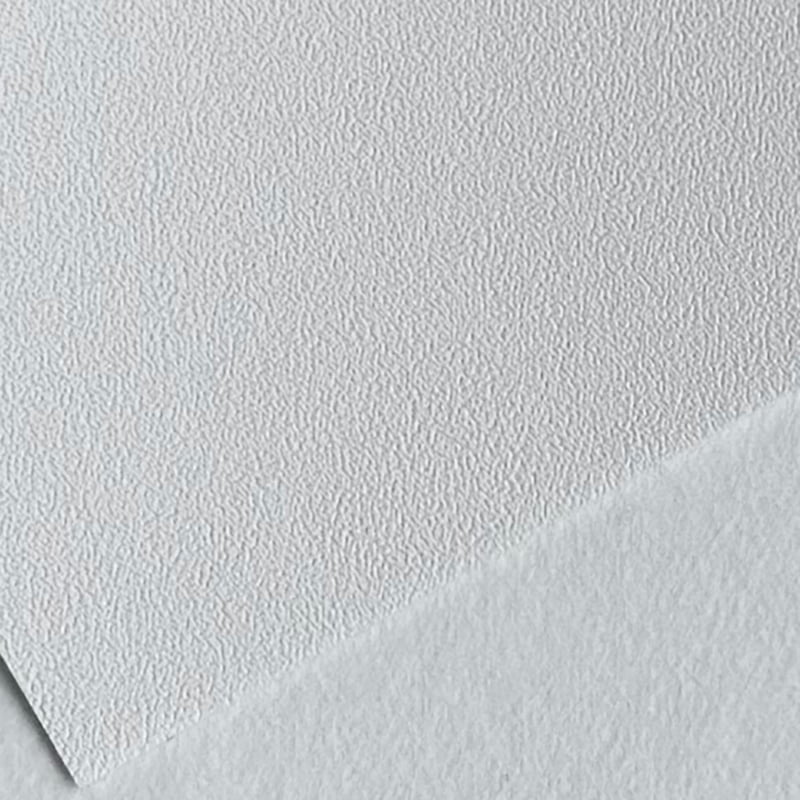
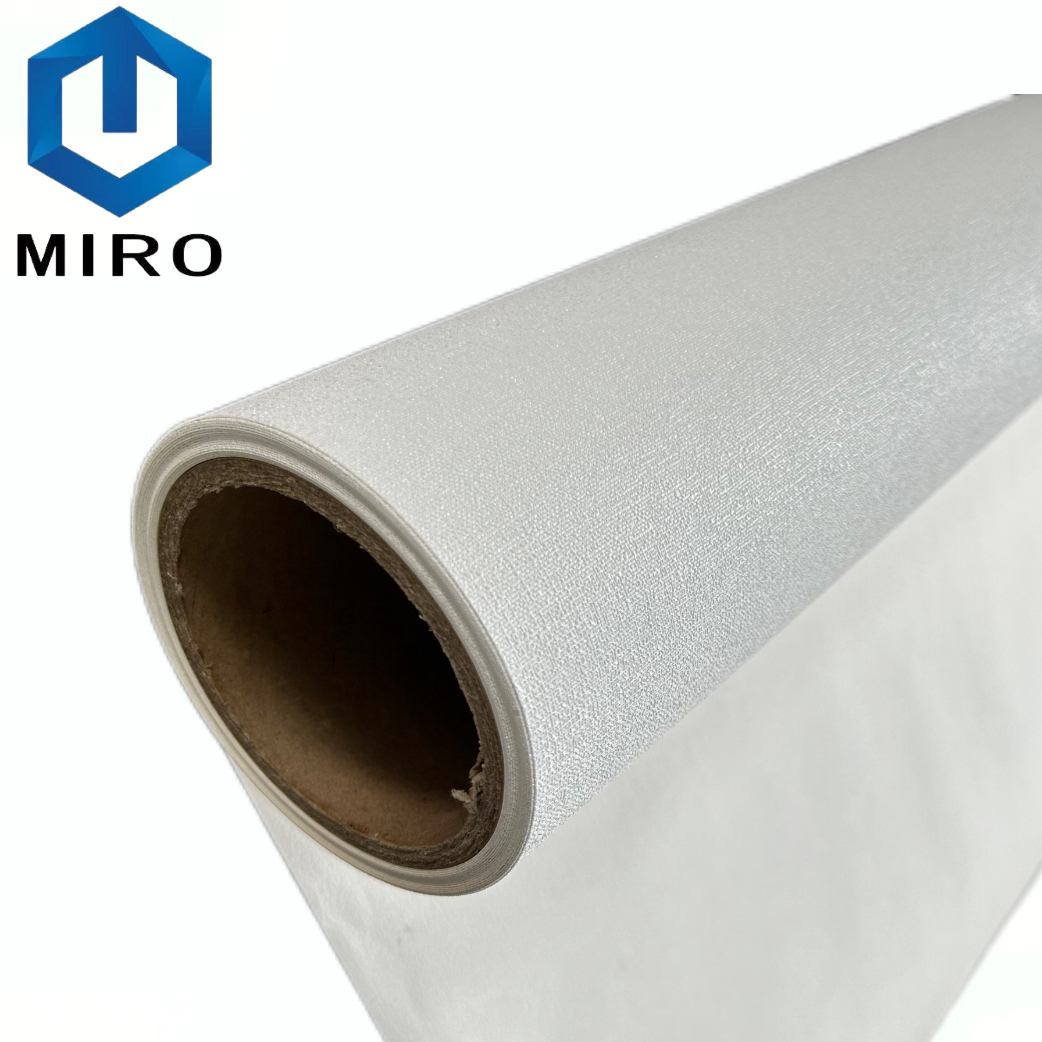
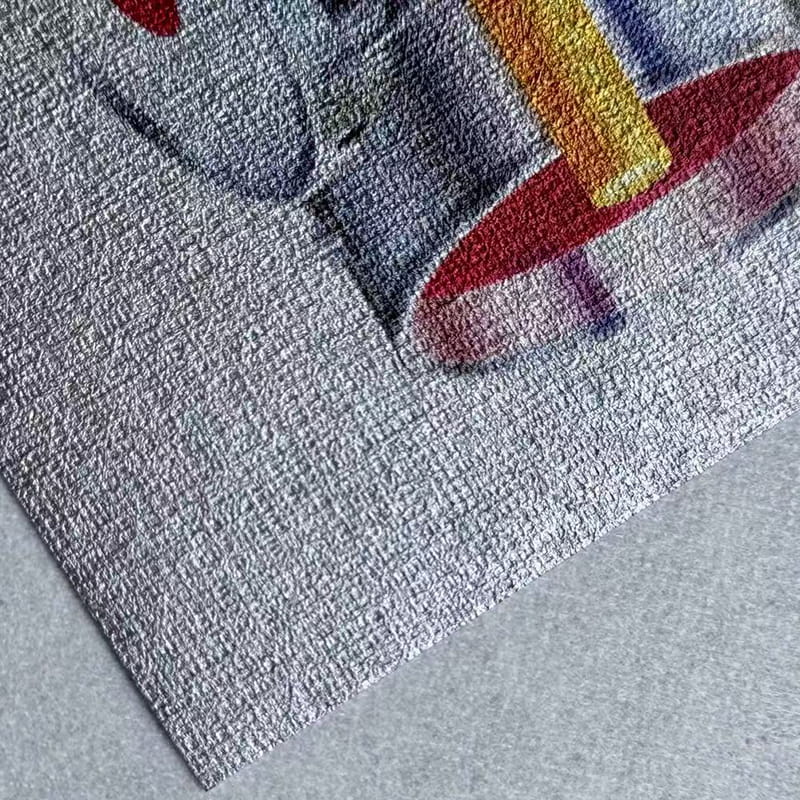 Silky Pearlescent Series Wallcovering for Digital PrintingThis pearl-finish non-woven wallcovering offers a smooth surface and consistent ink absorption, making it suitable for latex, UV, and eco-solvent printing while remaining flexible and easy to handle.View Product →
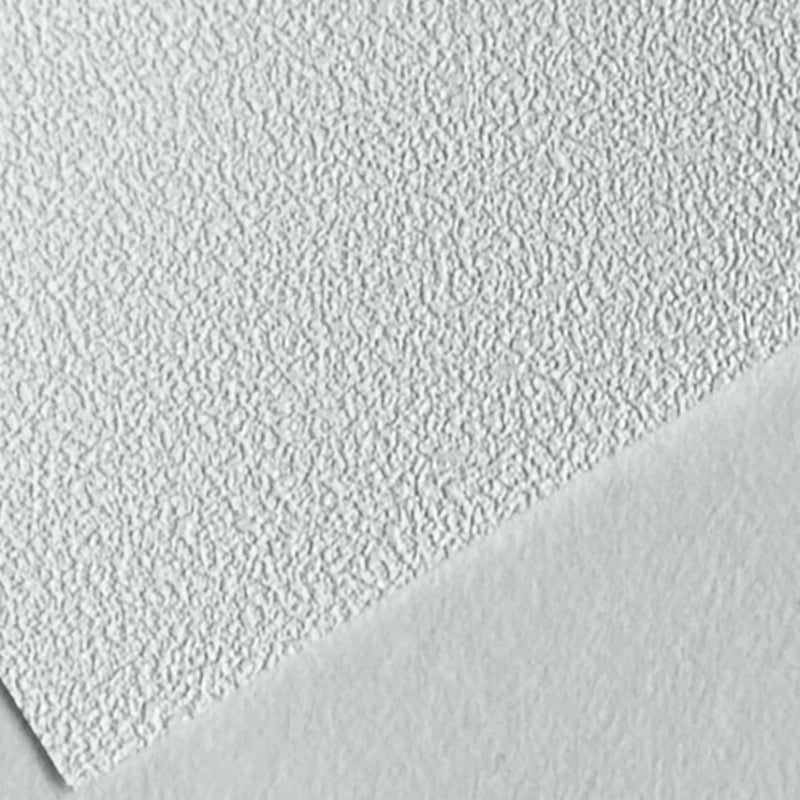
Coated non-woven wallpaper is built on a non-woven paper base rather than a heavier fabric structure. It also receives a surface coating for printability, but the substrate is intentionally lighter and more flexible. This makes it easier to handle, cut, and hang in residential settings, temporary installations, or projects where cost efficiency matters more than maximum durability.
Because it is lighter, coated non-woven wallpaper can be more sensitive to tension during roll-to-roll printing. However, modern coating technologies and strict production controls can still deliver excellent color reproduction and dimensional consistency when the material is designed for digital output.
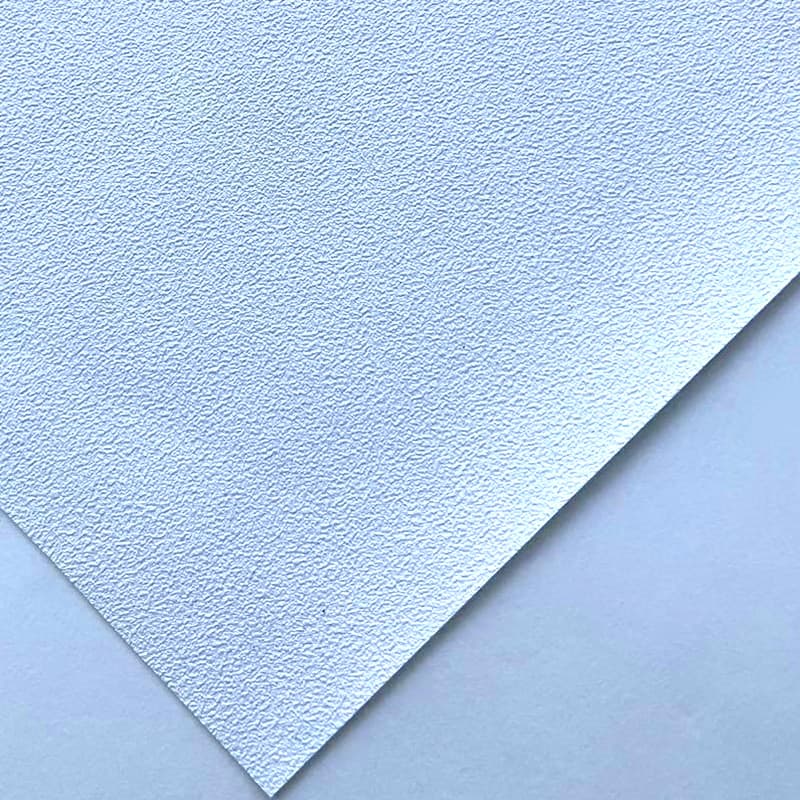
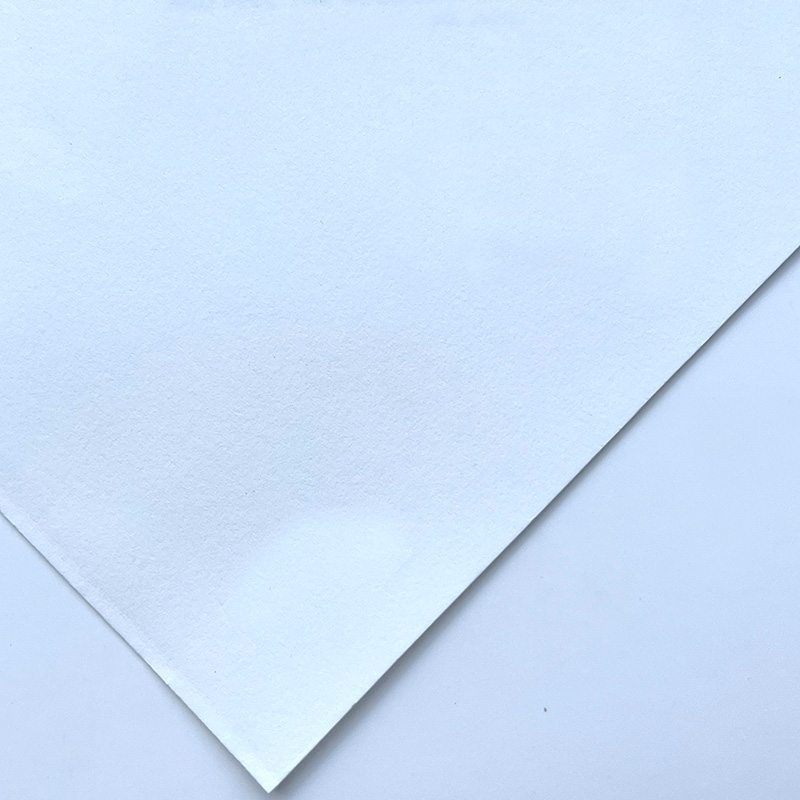
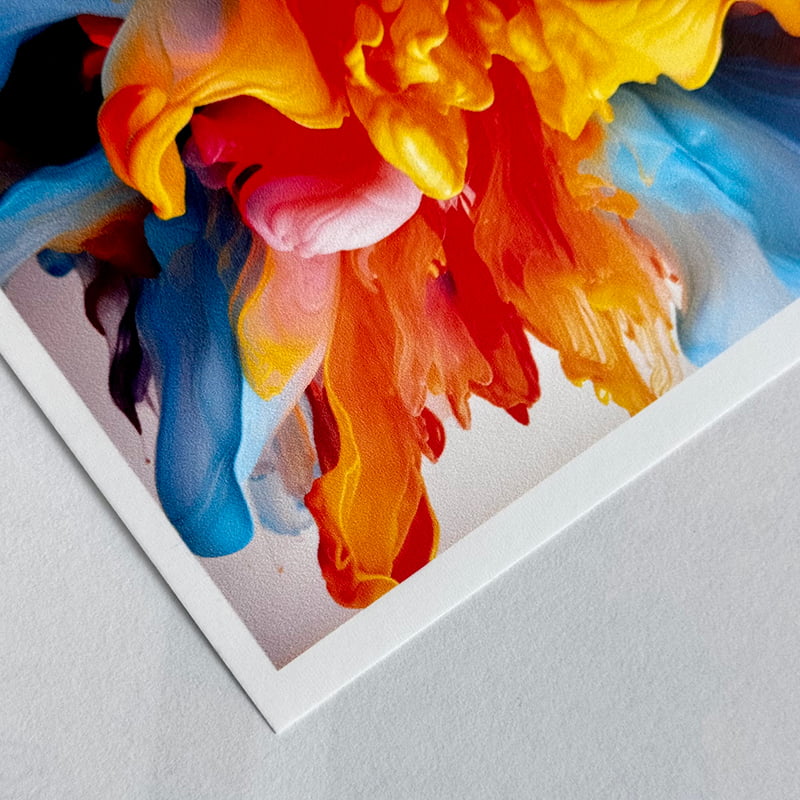 Printable Coated Non-woven Wallpaper M-NP180E0A lightweight yet stable non-woven wallpaper with an eco-friendly water-based coating, designed for sharp prints and reliable tension control during roll-to-roll production.View Product →
Choosing between coated non-woven wallcovering and coated non-woven wallpaper requires evaluating how each material behaves on a large-format inkjet printer and on the wall afterward.
The coating is the interface between printer and substrate. For latex, UV, or eco-solvent printers, the coating must absorb ink quickly, control dot gain, and prevent bleeding between colors. Coated non-woven wallcovering typically uses a denser, more durable coating that can accept multiple ink passes without saturating. Coated non-woven wallpaper is often optimized for faster drying and lower ink consumption, making it an efficient choice for shorter runs.
During large-format printing, the substrate moves through rollers under tension. If it stretches or shrinks, colors can misregister and printed panels may not align during installation. The synthetic-fiber-rich base of coated non-woven wallcovering gives it excellent dimensional stability, especially in high-temperature printing environments. Coated non-woven wallpaper is more flexible and easier to cut, but it may require lower tension settings and more careful handling.
Large-format graphics reveal even tiny surface defects. Bumps, pinholes, or inconsistent coating can ruin a 3-meter mural. Both materials can be manufactured with a smooth, closed surface, but coated non-woven wallcovering tends to have a higher caliper and more uniform thickness, which helps maintain consistent ink coverage across a wide print head.
After printing, the material must survive transportation, adhesive application, and wall installation. Coated non-woven wallcovering is tear-resistant and forgiving during installation because it does not easily stretch out of shape. Coated non-woven wallpaper is lighter and easier to position, but it can be more vulnerable to tearing if the wall is rough or the installer uses aggressive tools.
| Comparison | Coated Non-Woven Wallcovering | Coated Non-Woven Wallpaper |
|---|---|---|
| Base material | Non-woven fabric composite | Non-woven paper composite |
| Weight | Heavier and more substantial | Lighter and more flexible |
| Surface coating | Dense acrylic/latex coating | Coating optimized for printability |
| Large-format ink absorption | Excellent, consistent across rolls | Good, with efficient drying |
| Dimensional stability | High, resists stretching | Moderate, requires lower tension |
| Tear resistance | High | Moderate |
| Best for | Commercial, hospitality, and public spaces | Residential, temporary, and budget-focused projects |
| Relative cost | Higher | Lower |
The answer depends on the project’s performance requirements. A one-week retail pop-up does not need the same material as a permanent hotel corridor. Ask yourself: How long will the printed wallcovering stay in place? Will it receive heavy contact? Will installers need to push the material into corners and around columns?
For large-format digital printing in demanding environments, coated non-woven wallcovering is the safer choice. For speed, convenience, and economy, coated non-woven wallpaper is often more practical.
Even the best-coated substrate will fail if the factory lacks control over coating thickness, roll width, moisture content, and print calibration. That is why choosing a manufacturer with dedicated coating lines and digital printing experience is essential.
MIRO New Materials Co., Ltd. is a professional manufacturer of both coated non-woven wallcovering and coated non-woven wallpaper. The company operates a 15,000-square-meter factory in Anhui Province, China, with four advanced coating lines, two adhesive coating machines, and embossing, calendering, and inspection equipment. This vertical integration allows MIRO to control every step from base material selection to surface finish.
For buyers who need finished printed rolls, MIRO also offers a customized printing service. Clients can either supply their own design files or use MIRO’s design-and-print service to turn an idea into a full wallcovering collection. This is especially useful for hotel groups, retail chains, and interior design studios that want a distinct visual identity without managing multiple suppliers.
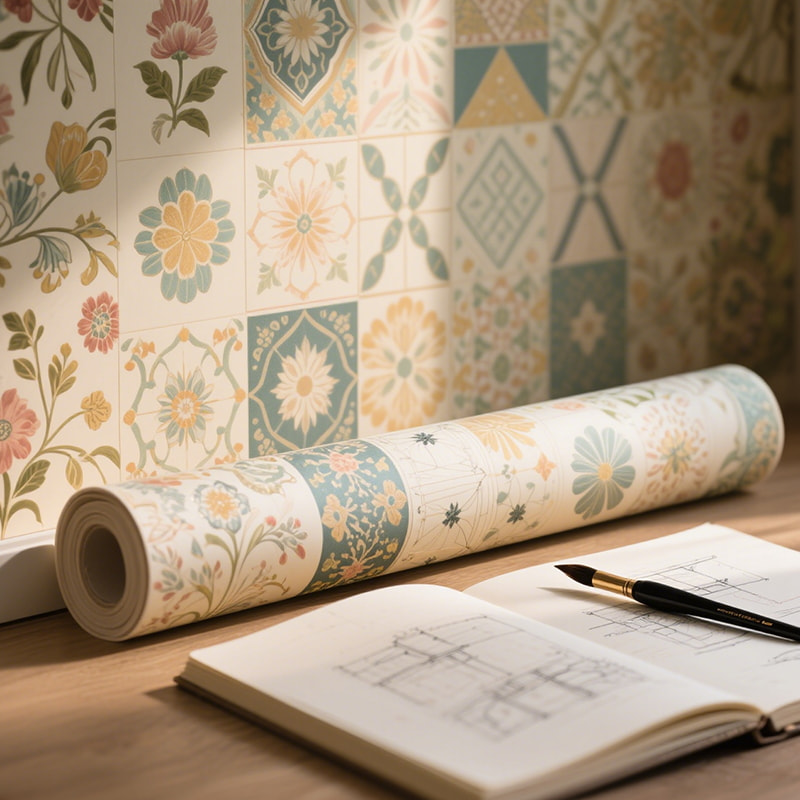 MIRO Design and Print Factory ServiceA factory service that handles custom design and printing for wallcoverings, with products meeting fire, safety, and environmental standards—ideal for hotels and retail chains.View Product →
MIRO’s products meet international standards including ASTM Class A fire resistance, CE, RoHS, and SVHC, and the factory uses formaldehyde-free adhesives and environmentally responsible non-woven materials. These credentials matter when printed wallcoverings are specified for schools, hospitals, offices, and other sensitive spaces.
Yes, coated non-woven wallcovering generally costs more per square meter because it uses a heavier non-woven fabric base and a more durable coating. The higher price is justified by better dimensional stability, tear resistance, and lifetime in commercial spaces.
Most modern roll-to-roll inkjet printers can handle both, provided the coating is compatible with the ink type. For latex and eco-solvent printers, both materials perform well if tension settings are adjusted for the lighter non-woven wallpaper.
Coated non-woven wallpaper is lighter and easier to manipulate, so a single installer can usually manage it without assistance. Coated non-woven wallcovering is heavier and less flexible, making it harder to move around ladders and scaffolding, though it offers better resistance to stretching during installation.
Non-woven materials are often considered more sustainable than PVC-based wallcoverings because they allow walls to breathe and can be produced with lower solvent emissions. MIRO’s coated non-woven products are designed with formaldehyde-free adhesives and comply with RoHS and SVHC requirements, making them suitable for green building projects.
When the question is coated non-woven wallcovering vs. coated non-woven wallpaper for large-format digital printing, there is no single winner. Coated non-woven wallcovering wins for stability, durability, and long-term commercial performance. Coated non-woven wallpaper wins for budget, ease of installation, and fast workflow. Match the material to the space, and the printed wall will look better, last longer, and cost exactly what the project requires.



+86-21-68881570

info@mirowallcovering.com

A207 No.2 Building NO.555 Lansong PD Pudong District 200137, Shanghai China
© Shanghai MIRO Import and Export Co., Ltd. All Rights Reserved. Custom Eco-Friendly Sustainable Wallpaper Manufacturersprivacy
