


 中文简体
中文简体 English
 русский
 Español
 عربى
عربى
Home / News / Industry News / Pure Color vs Colored Textured Latex Coating: How to Choose for Large Projects
Industry News
For large-scale interior projects, the wall surface is far more than a background. It affects the visual identity of the space, the speed of installation, the ease of maintenance, and the total project budget. Among modern wallcovering options, textured latex coating wallcovering has become a preferred specification in commercial, hospitality, and public building projects because it combines durability, environmental performance, and a refined architectural finish.
Within this product family, one of the most common decisions specifiers face is pure color versus colored textured latex coating wallcovering. Both options share the same non-woven substrate and latex coating process. The difference lies in how color is applied and how the finished surface behaves across large wall areas. This guide compares the two systems side by side and explains how to choose for large-project wall spaces.
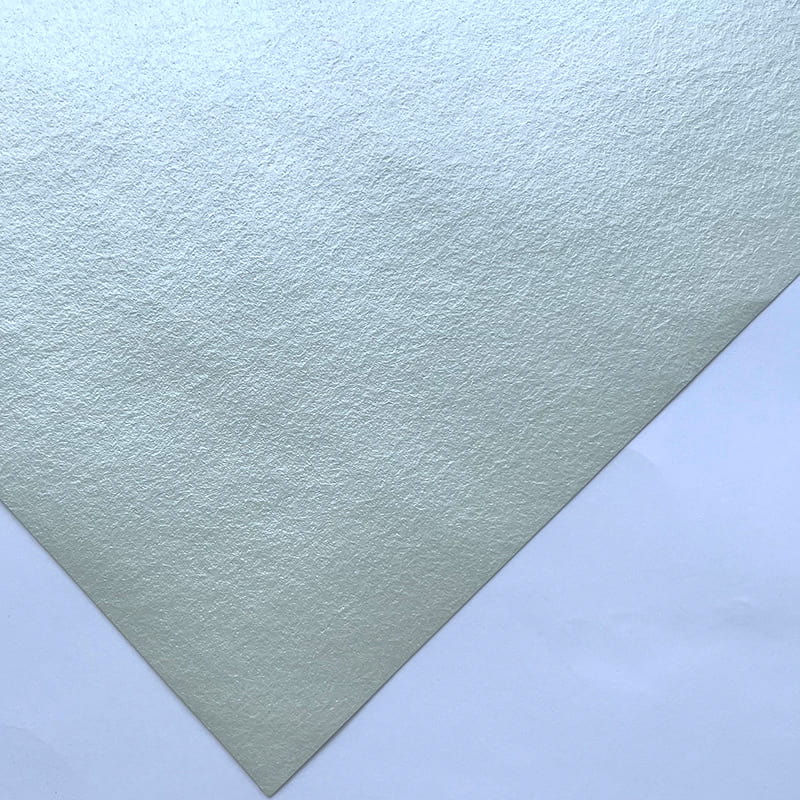
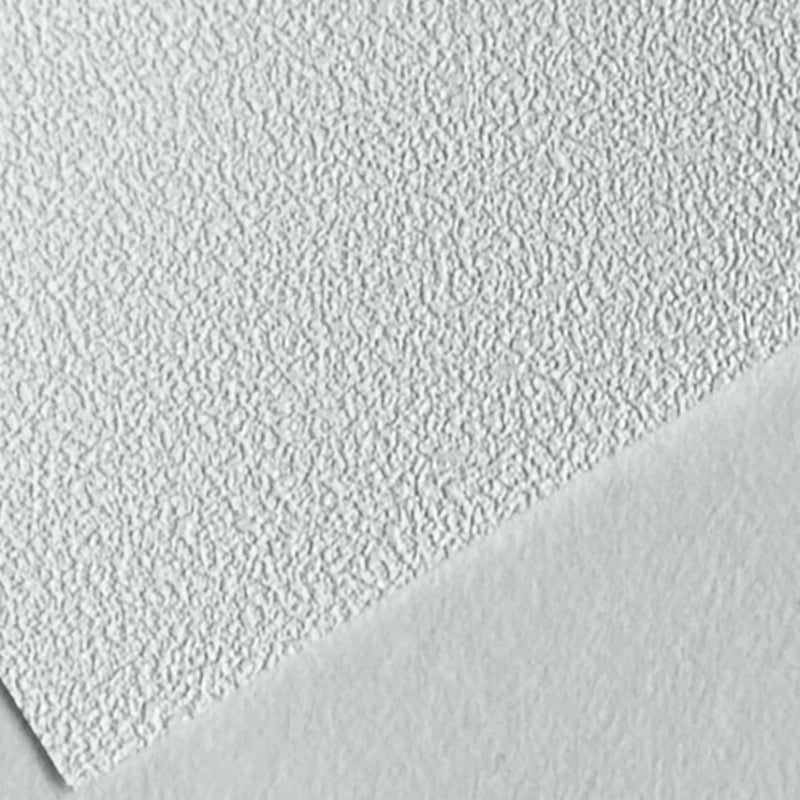
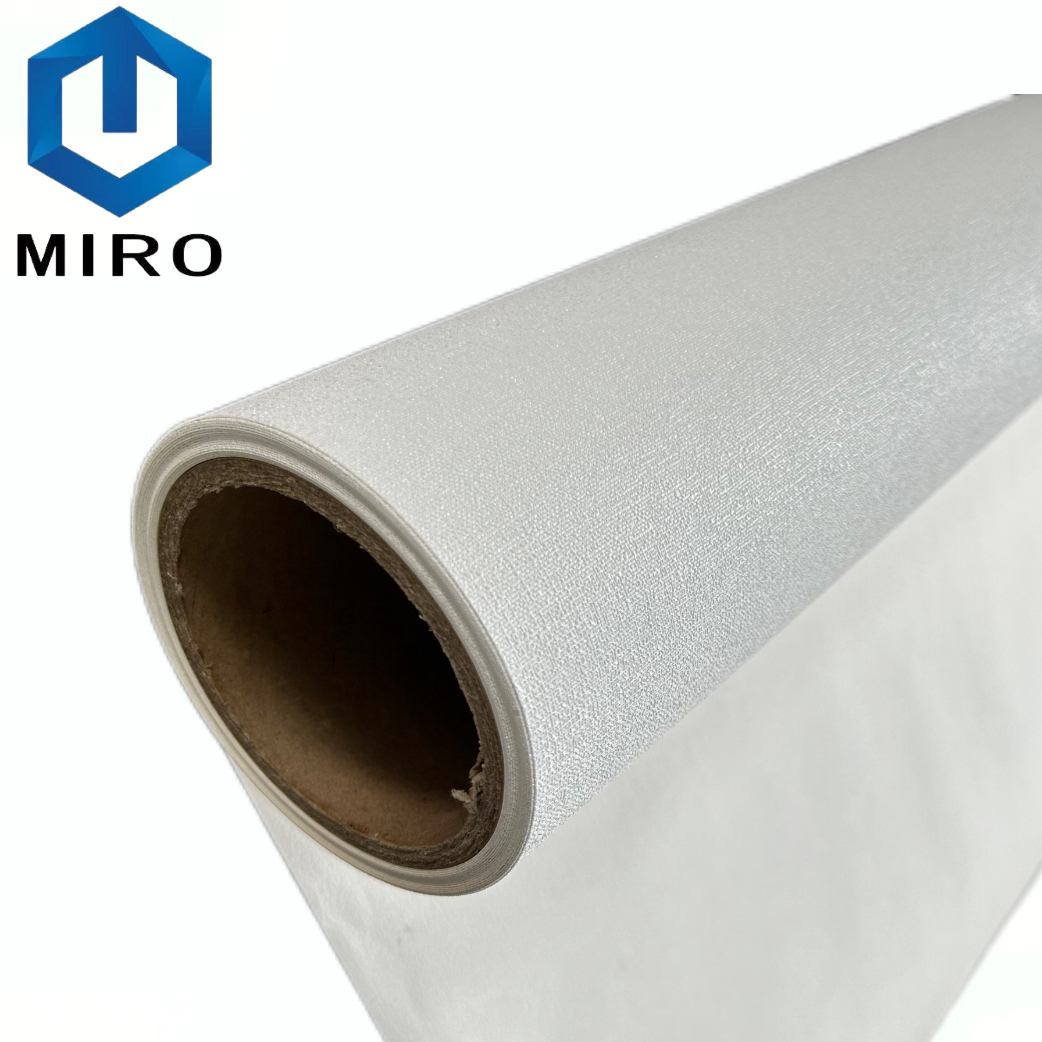
Pure color textured latex coating wallcovering is a finished wallcovering with a single, uniform color across the entire surface. The latex coating is applied evenly over a stable non-woven substrate, producing a smooth, matte, softly textured wall that reads like high-grade painted plaster but performs like a wallcovering. Since there is no printed pattern, every strip delivers exactly the same tone.
 Pure Color Textured Latex Coating Wallcovering with Pre-Paste AdhesiveThis wallcovering offers a uniform matte finish that resembles high-grade plaster while providing the durability of a wallcovering. Its pre-paste, peel-and-stick design simplifies installation and allows residue-free removal, making it suitable for quick renovations or rental spaces.View Product →
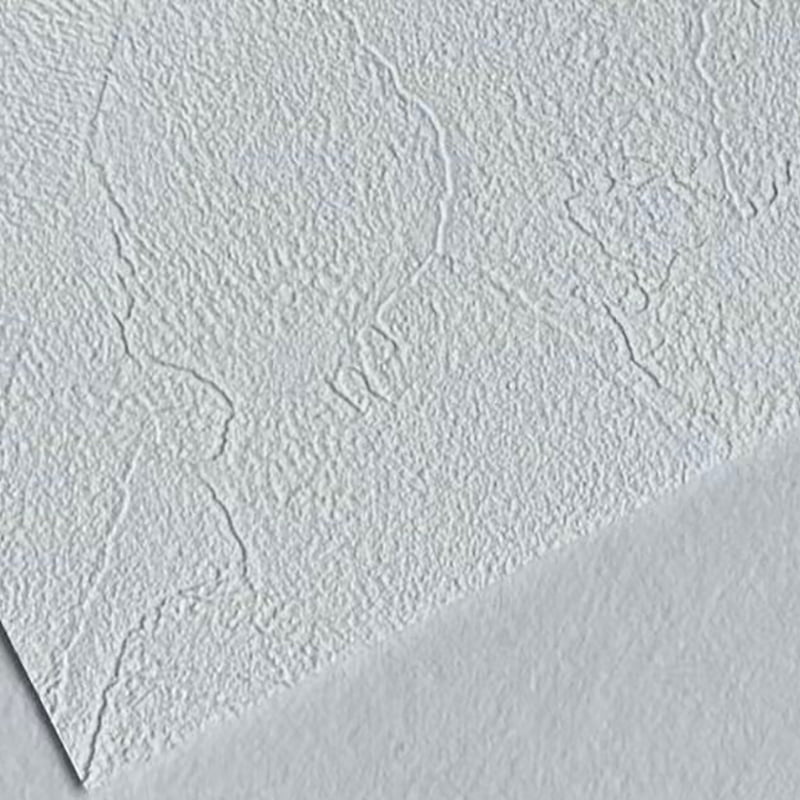
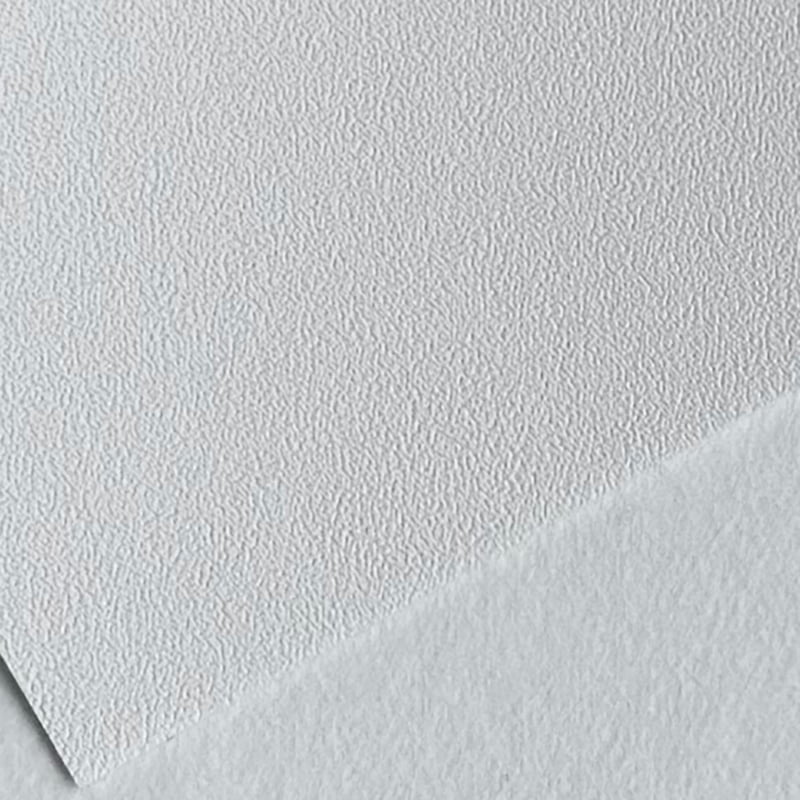
Colored textured latex coating wallcovering uses the same non-woven and latex coating construction, but the color layer is developed from richer pigment systems, often with subtle tonal variation or delicate surface depth. The result is a wall surface with strong visual character that still avoids the maintenance concerns of printed vinyl or heavily embossed wallpaper.
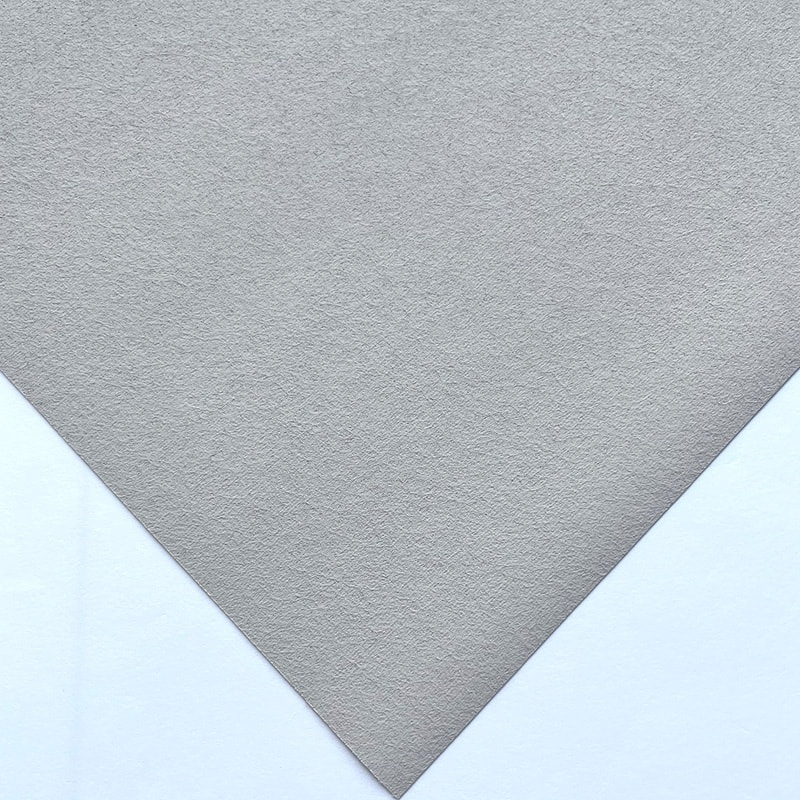 Colored Textured Latex Coating Wallcovering with Rich Pigment DepthFeaturing subtle tonal variation and surface depth, this wallcovering adds strong visual character without the maintenance issues of printed vinyl. It is breathable, mold-resistant, and B1 fire-retardant, offering a standardized alternative to hand-applied art paint with simpler installation.View Product →
The practical differences between the two options become clear when they are compared across the factors that matter most in large projects.
| Selection Factor | Pure Color | Colored Textured |
|---|---|---|
| Visual effect | Uniform, calm, minimal | Rich, layered, design-led |
| Pattern repeat | None | None, but subtle tonal variation possible |
| Color consistency across batches | Very high | High, requires batch control |
| Installation speed | Fast, no pattern matching | Fast, slightly more care for tonal distribution |
| Repair and patching | Easy to blend | More difficult to match precisely |
| Typical applications | Large flat areas, guest rooms, corridors | Lobbies, feature walls, creative offices |
Both options share the same base performance: a durable latex coating, a breathable non-woven substrate, and compliance with international environmental and fire-safety standards when sourced from a qualified manufacturer.
In a large project, the wall is read at a distance and over a wide surface. A space of several thousand square meters will show every slight difference in shade or texture. If the design intention is a quiet, uniform background, pure color is the safer choice because it removes the risk of visible tonal changes across a large installation. If the intention is to create atmosphere and depth, colored textured latex coating will deliver that character, provided that batch consistency is managed from the start.
The purchase price of the roll is only part of the calculation. Pattern matching, installation time, waste, and future repairs all contribute to the real cost per usable square meter. Pure color reduces waste to near zero because off-cuts can be used on almost any other wall. Colored textured options may require more careful planning if the design uses multiple batches. For a large order, the supplier's batch planning capability matters as much as the unit price.
Lobbies, corridors, and service areas receive constant contact from carts, trolleys, and furniture. When a wallcovering is damaged, the repair process involves cutting out the affected area and blending in a new piece. On a pure color wall, the patch is nearly invisible. On a colored textured wall, the patch may be noticeable if the surrounding surface has natural tonal variation. For this reason, many facility managers use pure color in circulation areas and reserve colored finishes for low-traffic, high-visibility spaces.
Large projects often struggle with too many different materials on site. Combining pure color and colored textured latex coating wallcovering within one compatible system simplifies procurement, storage, and installation because both share the same substrate and installation method. This also gives the designer a consistent material language from quiet corridors to the representative lobby.
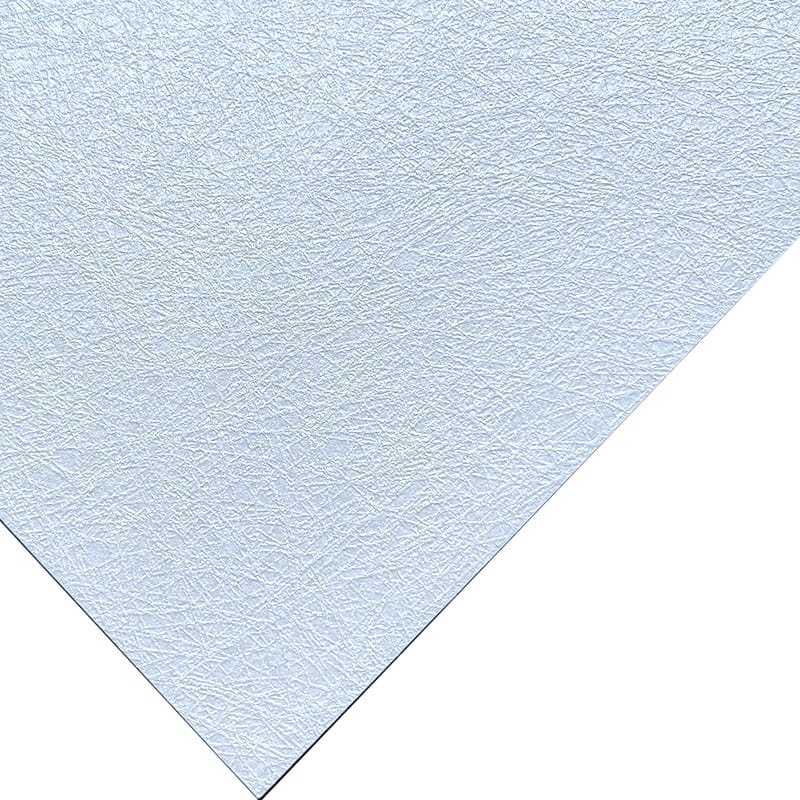
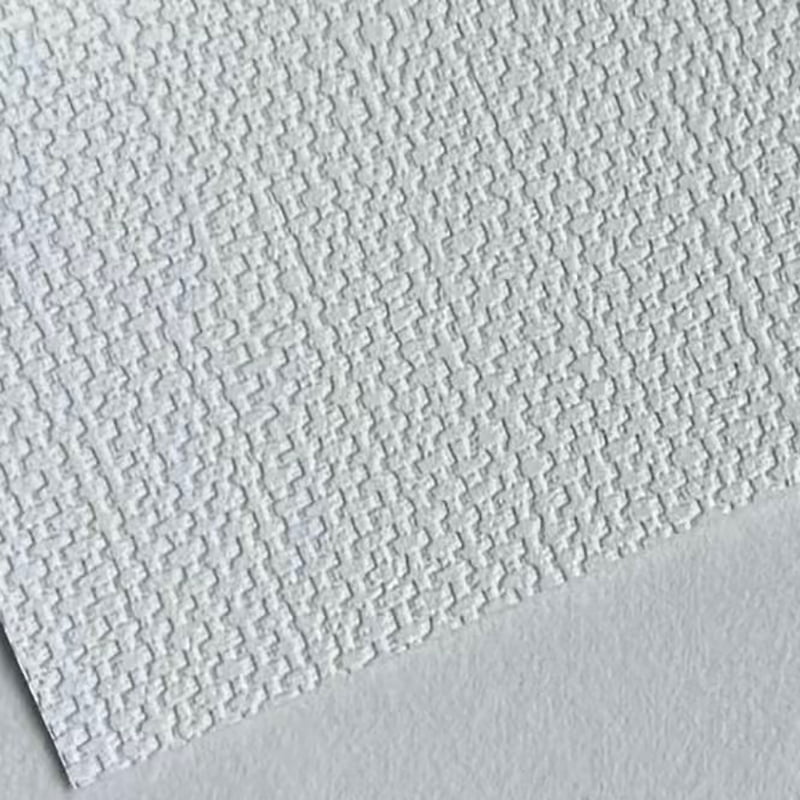
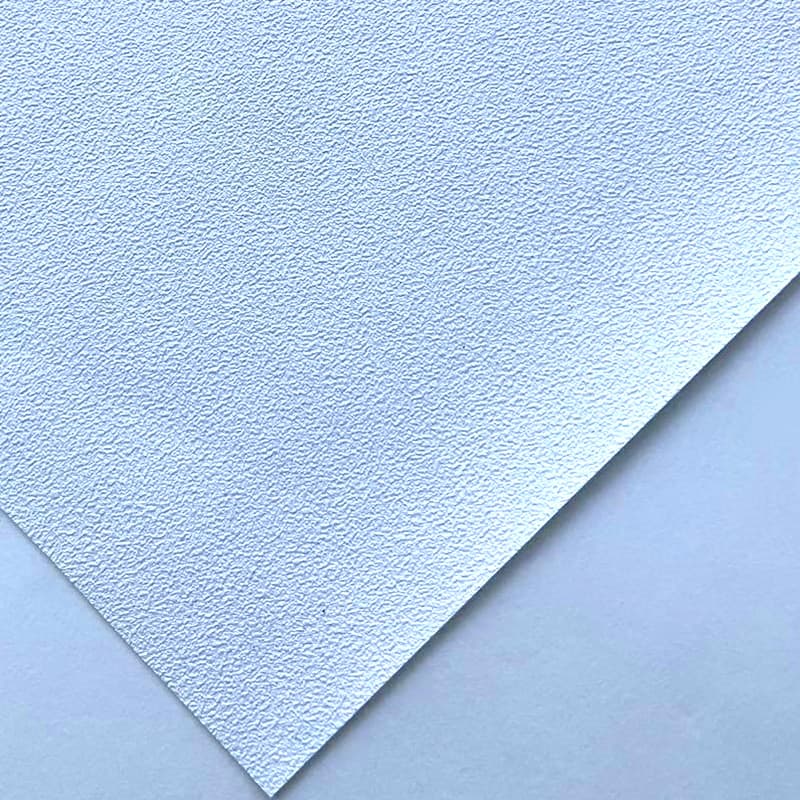
Large projects usually require documented compliance with fire, emission, and indoor air quality standards. A qualified manufacturer should provide evidence of Class A fire performance, CE marking, RoHS compliance, and SVHC screening, as well as formaldehyde-free adhesives. Humidity is another factor in hotels, hospitals, and coastal buildings. A white mold-resistant textured latex coating wallcovering is formulated for exactly these conditions and is a practical starting point where mildew prevention is a priority.
 White Mold-Resistant Textured Latex Coating WallcoveringFormulated for humidity-prone environments like hotels and hospitals, this white wallcovering provides mold and bacteria resistance with a B1 fire-retardant rating. It offers an eco-friendly, durable textured surface that helps maintain indoor air quality and meets fire safety standards.View Product →
Both options have proven themselves in real projects, but they are not interchangeable in every situation. The following guidance reflects how specifiers typically assign them across different interior environments.
For a deeper look at how these finishes perform in offices, retail, and other commercial wallcovering applications, see our dedicated application overview.
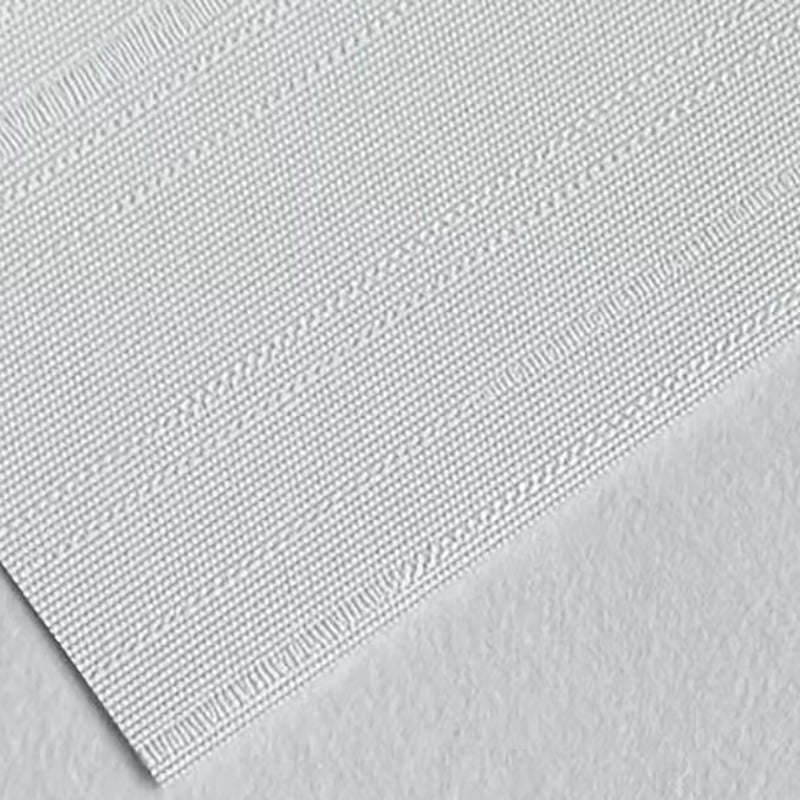
At the same time, colored textured latex coating wallcovering is becoming a new choice for modern interiors, especially when a project wants the character of a decorative finish without the limitations of printed patterns.
Yes. Because there is no pattern repeat, strips can be aligned without pattern matching, and careful workmanship makes seams very difficult to detect. The non-woven substrate and stable latex coating also limit movement after installation. To maintain tone across a large site, use rolls from the same production batch.
Strictly speaking, no printed pattern needs to be matched. However, because the colored surface may contain subtle tonal depth, installers should avoid mixing strips from different production batches on one continuous wall. Order the complete project quantity at one time and request a single batch from the supplier.
For guest rooms, corridors, and function areas, pure color is usually the more cost-effective choice because it reduces installation time, lowers waste, and simplifies repairs. If the design includes a statement wall in the lobby or restaurant, colored textured latex coating is the better use of the budget.
Both can meet international requirements when supplied by a qualified manufacturer. Look for Class A fire performance, CE certification, RoHS and SVHC compliance, and formaldehyde-free adhesives. These criteria apply to both finishes equally, so the final decision can focus on design and project economics.
Pure color and colored textured latex coating wallcovering each play a distinct role in large-project design. Pure color delivers the consistency, efficiency, and calm that large surfaces demand. Colored textures add depth and identity to the spaces people remember. The right choice begins with defining what each wall must do, and then matching that role to the right finish. When both options are available from a single manufacturer with documented quality and the capacity to support large orders, the specification process becomes simpler for architects, contractors, and importers.


+86-21-68881570

info@mirowallcovering.com

A207 No.2 Building NO.555 Lansong PD Pudong District 200137, Shanghai China
© Shanghai MIRO Import and Export Co., Ltd. All Rights Reserved. Custom Eco-Friendly Sustainable Wallpaper Manufacturersprivacy
