


 中文简体
 English
 русский
 Español
 عربى
Home / News / Industry News / Why Non-Woven Paper Base PVC Wallpaper Is: Practical Applications, Selection
Industry News
Removing a wall of old wallpaper is often the most unpredictable part of a renovation. With pure paper backing, the sheet tears as soon as it meets water, and the adhesive stays behind. Homeowners and contractors lose hours to scraping, steaming and patching. Non-woven paper base PVC wallpaper changes that flow. Its backing keeps the sheet together during removal, which is why this material is easier to strip and replace than pure paper backing.
Content
PVC wallpaper is a multi-layer wallcovering. The top PVC layer provides the durable, printable and washable surface. The backing layer determines how the wallpaper handles adhesive, moisture and pulling force. A pure paper backing is a cellulose-based structure that absorbs water, swells and becomes fragile. A non-woven paper base combines cellulose fibers with synthetic fibers, such as polyester or polypropylene, that are bonded by heat and pressure. The resulting base has higher tensile strength, better dimensional stability and a more uniform surface.
In the composite product, the backing acts as the structural layer. It carries the tension when the wallpaper is pulled, painted or stripped. That is why the choice between pure paper and non-woven paper base has such a visible effect on removal.
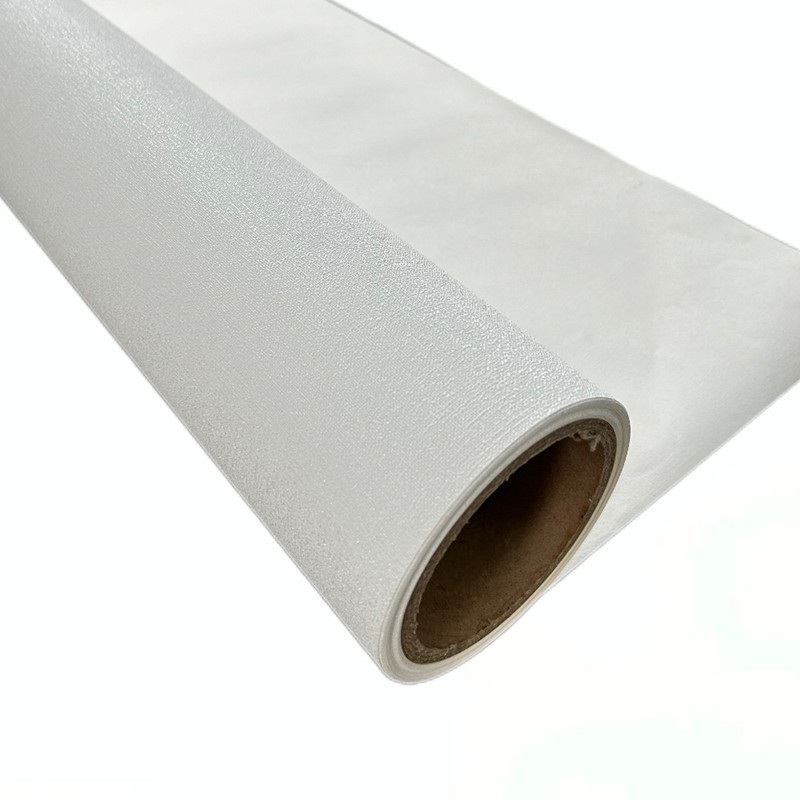
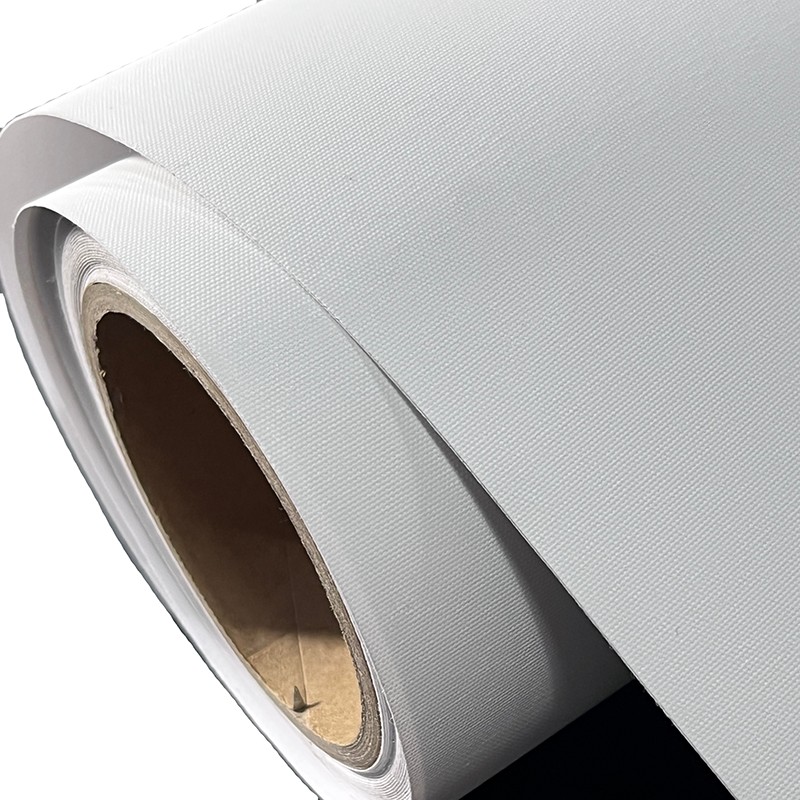
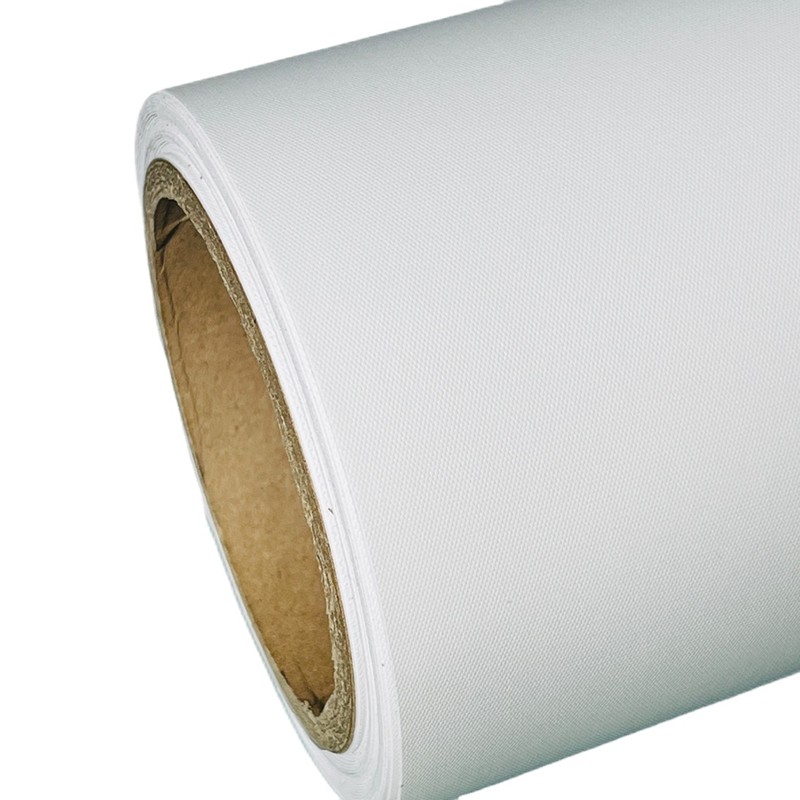
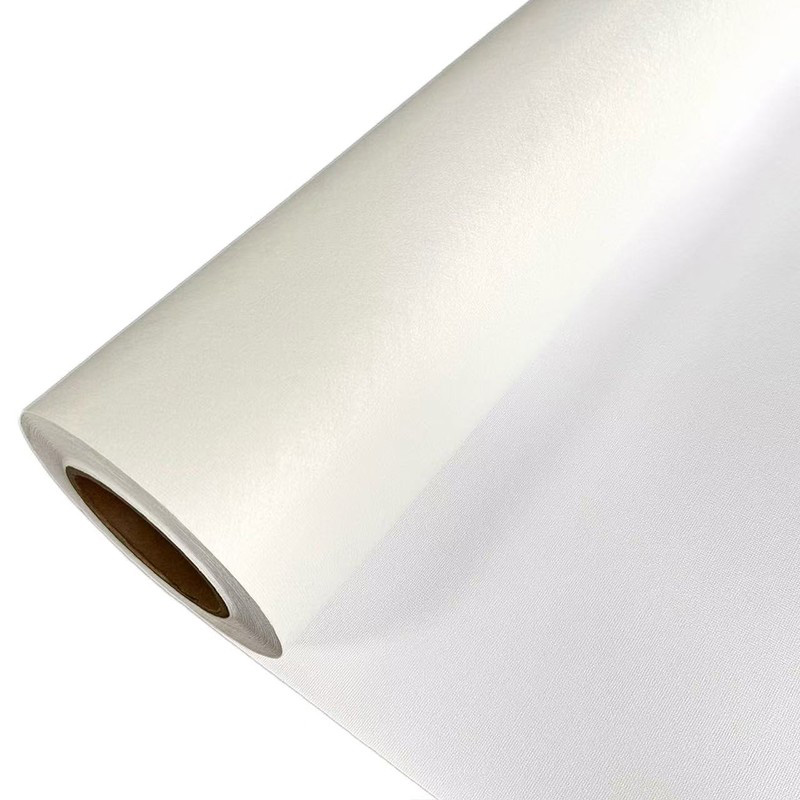
MIRO manufactures PVC wallpaper with a non-woven paper base for projects that require frequent updates and clean renovation cycles.
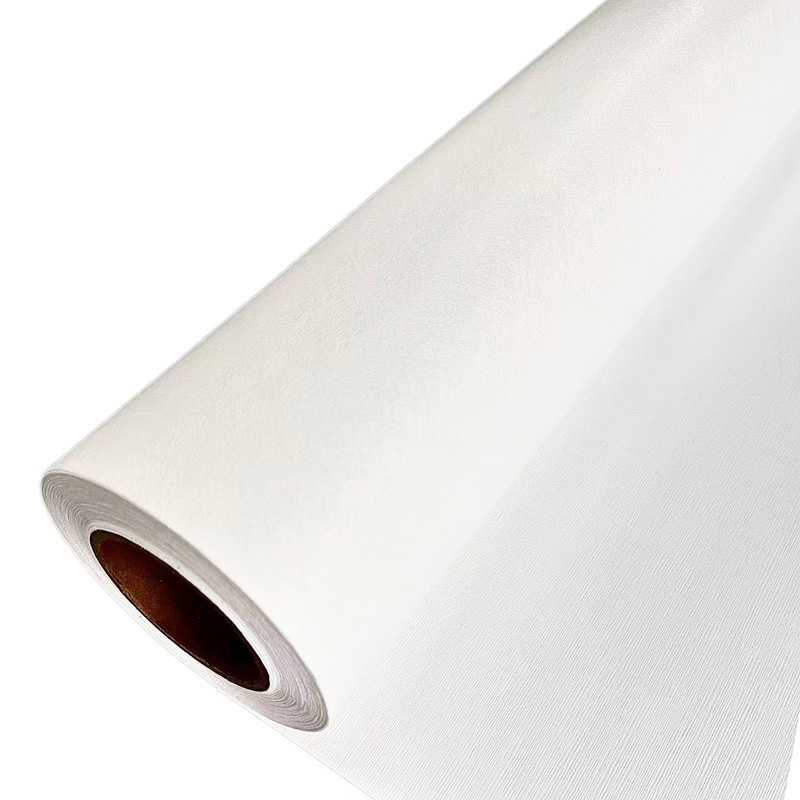
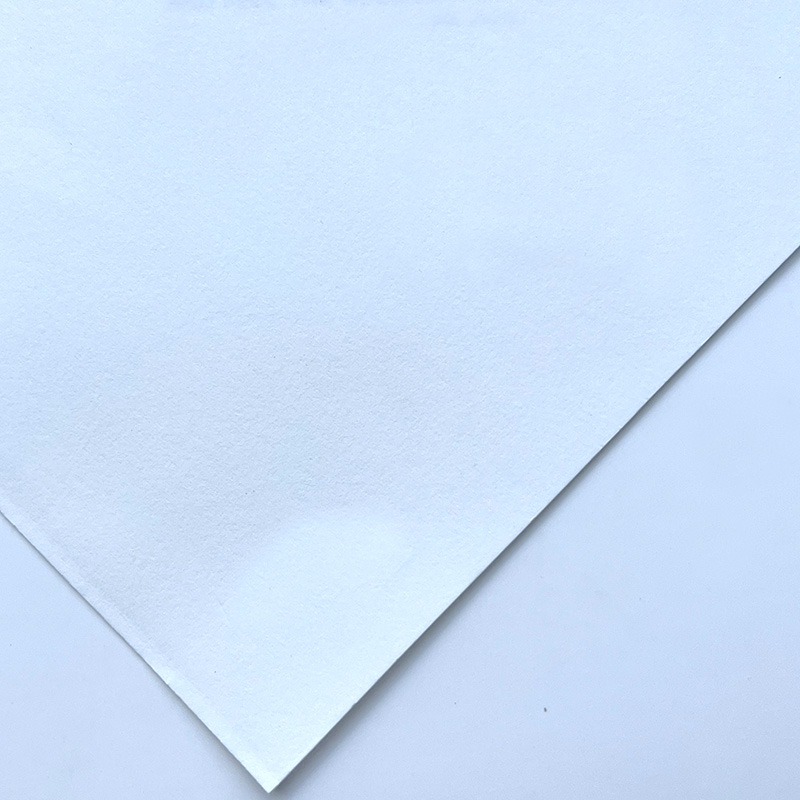 PVC Wallpaper with Non-woven Paper Base for Durable WallsThis hybrid wallcovering combines non-woven substrate stability with PVC coating practicality, offering tear resistance and breathability. Its construction addresses paper base failures during stripping, making it a reliable choice for frequent renovations and commercial projects.View Product →
Pure paper backing is prone to failure at the moment it needs to survive: during stripping. The same cellulose fibers that make paper smooth and printable also make it sensitive to water. When adhesive is applied, the paper absorbs moisture and expands. When it dries, it can pull narrow seams apart. During removal, water weakens the paper more than the adhesive, so the back of the wallpaper often splits before the glue releases. This leaves a thin paper membrane on the wall, and the next person must wet and scrape it off in small pieces.
| Performance Factor | Pure Paper Backing | Non-Woven Paper Base |
|---|---|---|
| Tear resistance when wet | Low | High |
| Dimensional stability | Low | High |
| Adhesive absorption | High and uneven | Moderate and controlled |
| Typical strip result | Fragmented pieces | Full-sheet peel |
| Preparation before replacement | Scraping, steaming, patching | Light cleaning and minor patching |
Non-woven paper base is not simply stronger paper. It is a bonded fiber matrix that remains coherent when force is applied. The fibers create a web in which stress spreads laterally. When a corner is lifted, the pulling force is distributed across the sheet rather than concentrated along a single tear line. The PVC face acts as a continuous outer membrane that keeps the sheet together, while the non-woven base carries the tension against the adhesive bond.
This construction changes the stripping motion. Instead of pulling against a brittle layer that cracks, installers can peel the wallpaper in long panels. The sheet has enough internal cohesion to separate from the wall surface without shedding a paper residue. In many applications, non-woven paper base PVC wallpaper can be removed dry, using only a scoring tool and a puller. For home decoration projects, this translates to less mess and a faster turnaround.
The practical benefit of a more strippable backing becomes obvious during redecoration. The sequence is shorter and each step is less aggressive to the wall.
Pure paper backing often forces installers to repeat the wet-and-scrape cycle multiple times. Non-woven paper base allows the old layer to be separated in whole pieces, so the new layer goes up sooner and the substrate stays cleaner.
Non-woven paper base PVC wallpaper can cost a little more than a product with pure paper backing, but the overall cost of a renovation cycle is often lower. Time is a real cost. Contractors charged by the hour, hotel rooms that cannot be let, and offices that must stay open all benefit from a faster removal process. The non-woven base also reduces waste during installation. It does not swell as much when paste is applied, so alignment is easier and panels are less likely to buckle or curl at the edges.
The surface durability is provided by the PVC face, while the non-woven base provides dimensional stability. Together, they reduce two common reasons for premature replacement: open seams and edge lifting. When replacement is finally needed, the same backing that kept the wallpaper stable on the wall now helps it come off cleanly.
When the wallpaper is installed with the correct adhesive, removing it from gypsum board or a properly primed wall is normally clean. The non-woven base keeps the sheet cohesive, and the adhesive remains on the wall rather than in separated paper fibers. Any residue can be wiped away before the next installation.
In most cases, no. The non-woven structure does not need water to break down. Dry peeling is usually possible. If the adhesive has become hard after many years, light misting may help, but heavy soaking is rarely wise with an impermeable PVC face.
Most installers find it easier. The backing does not swell when paste is applied, so panels stay flat and seams remain aligned. It also resists tearing when the installer adjusts the position of a panel.
Yes. The bond between the backing and the wall is more predictable, and the backing does not fragment into tiny pieces. A full-sheet peel typically leaves only a thin adhesive layer, which is faster to clean than the paper pulp left by pure paper backing.
Choosing a wallpaper is not only about color and texture. The backing determines how the product will behave on the wall, and more importantly, how easily it can be taken off when tastes change. Non-woven paper base PVC wallpaper combines the durability of a PVC surface with a stable, high-tear backing. That combination makes it easier to strip and replace than pure paper backing, saving time and reducing the risk of wall damage. For more on handling removal properly, read our guide on wallpaper removal and wall protection.


+86-21-68881570

info@mirowallcovering.com

A207 No.2 Building NO.555 Lansong PD Pudong District 200137, Shanghai China
© Shanghai MIRO Import and Export Co., Ltd. All Rights Reserved. Custom Eco-Friendly Sustainable Wallpaper Manufacturersprivacy
