


 中文简体
中文简体 English
 русский
 Español
 عربى
عربى
Home / News / Industry News / Can Printable Wallpaper Be Removed Without Damaging the Original Wall Paint?
Industry News
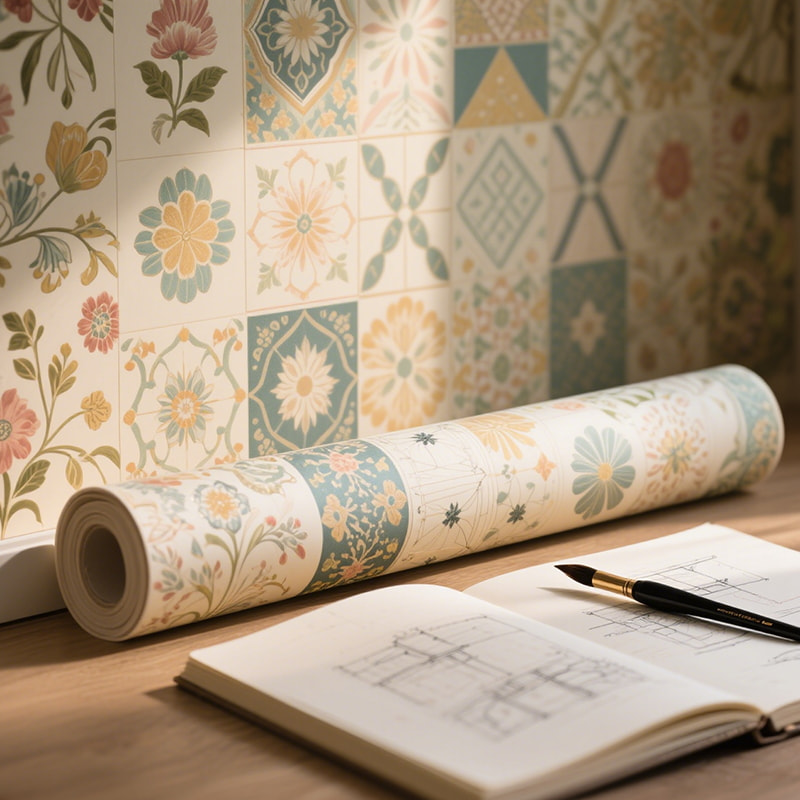
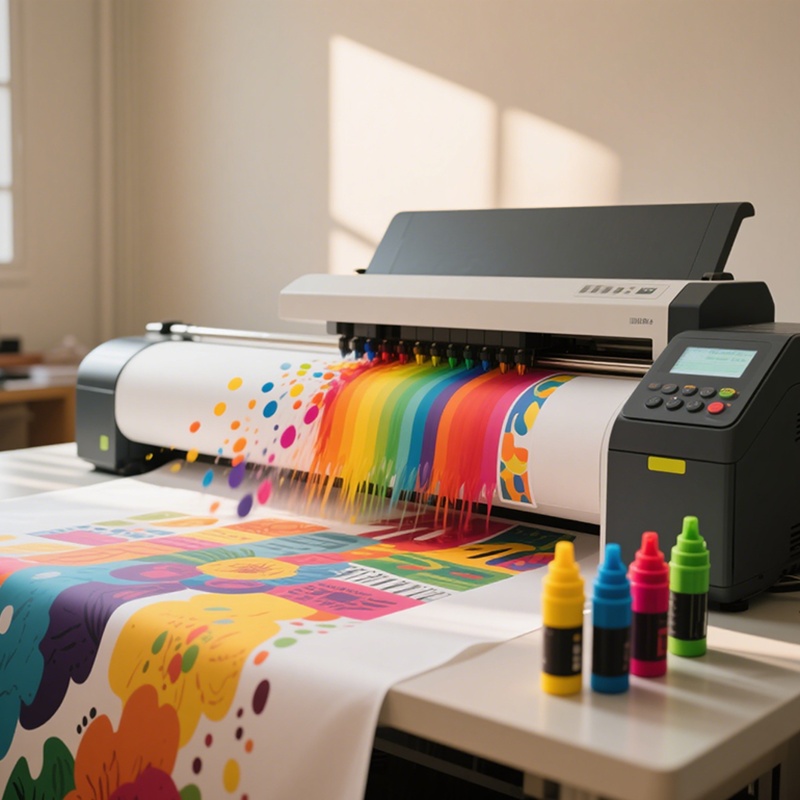
Printable wallpaper refers to custom-designed, digitally printed wall coverings that can be downloaded and printed at home or through local print services. Its biggest advantage is high customization, low cost, and temporary usability, making it ideal for renters, small-space decorators, and anyone seeking quick, personalized interior updates.
Unlike traditional wallpaper, printable options do not require professional installation or permanent changes to walls. It can be applied and removed easily without damaging surfaces, and supports unlimited design adjustments before printing. For most residential and creative spaces, it is a practical, flexible, and budget-friendly decoration solution that balances aesthetics and functionality.
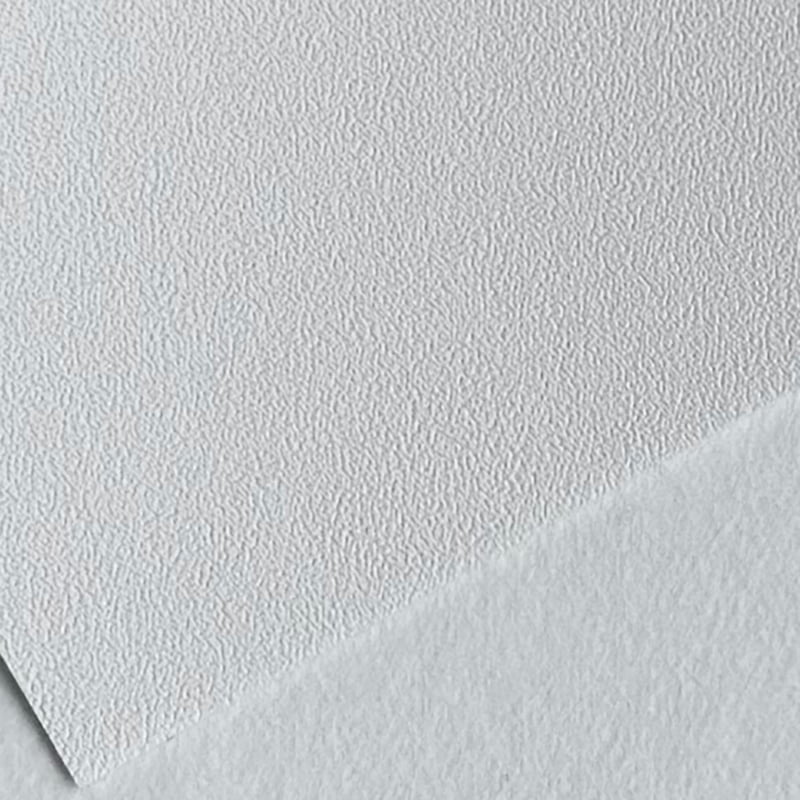
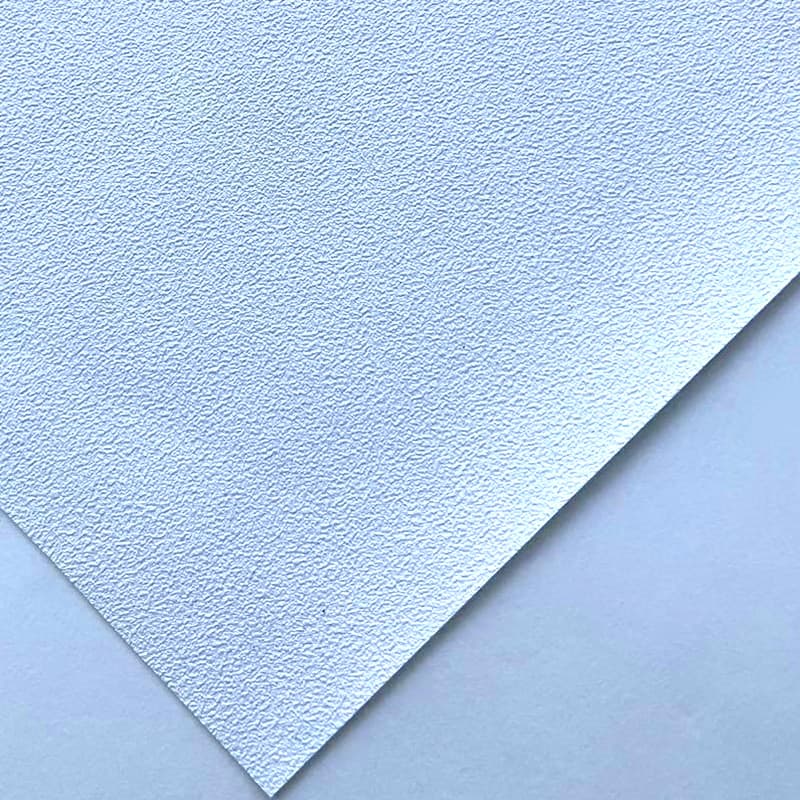
The choice of material directly determines the durability, surface feel, and ease of use of the wallpaper. Whether it can print perfectly on your device ultimately depends on the "inkjet receiving coating" on the wallpaper surface. When purchasing, be sure to confirm that this coating is compatible with the inks used (such as UV, mild solvent, latex, water-based, etc.).
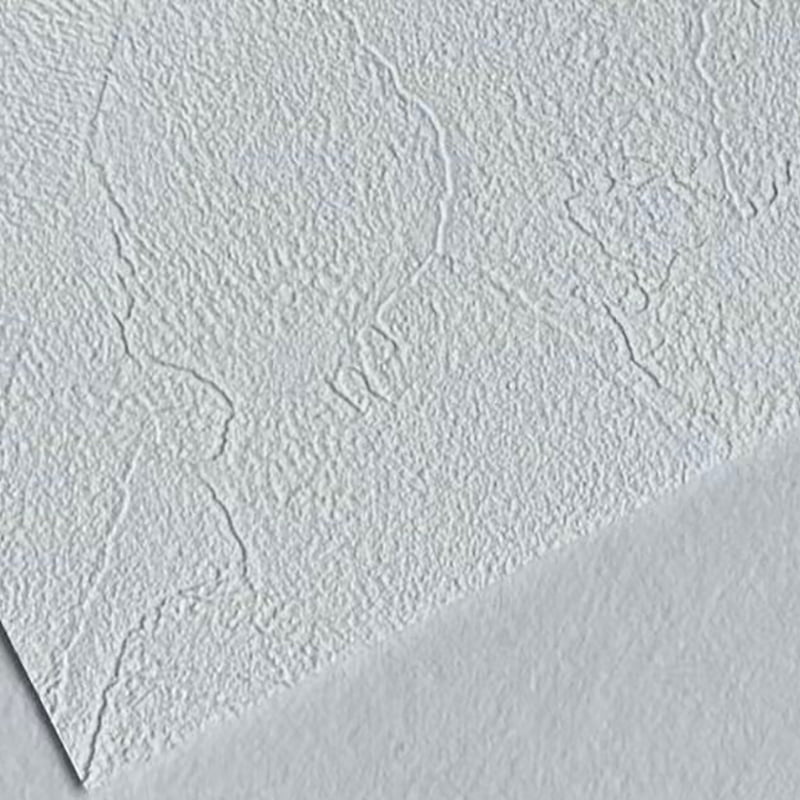
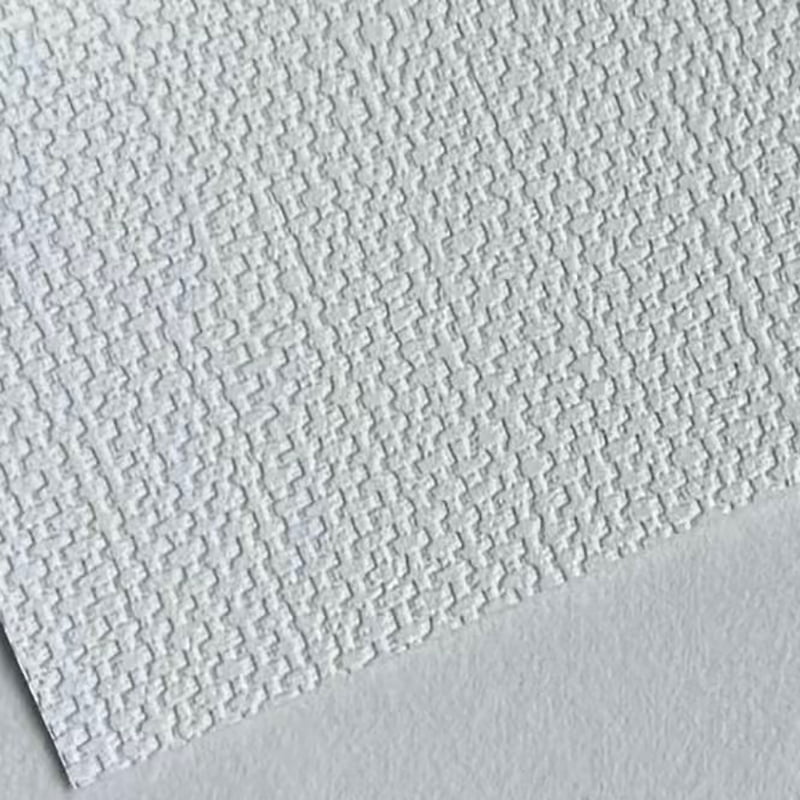
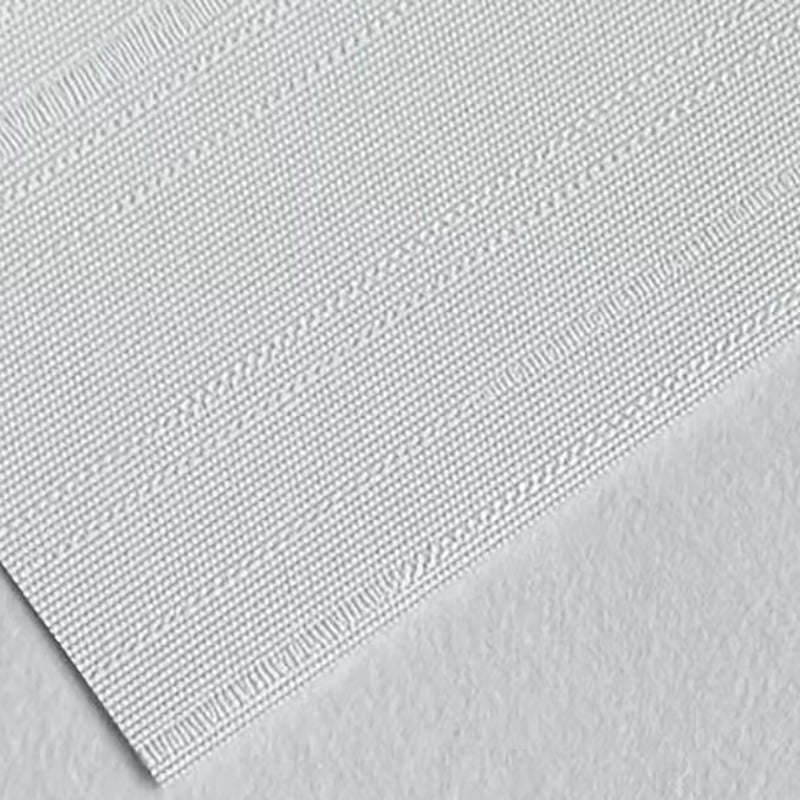
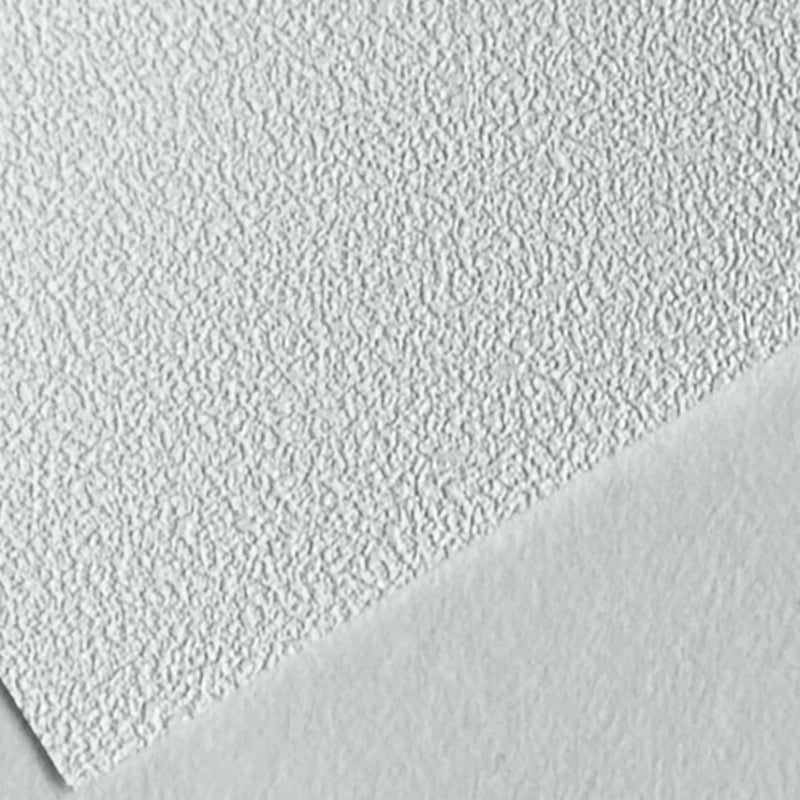
Mainstream printable wallpapers on the market are mainly divided into four categories:
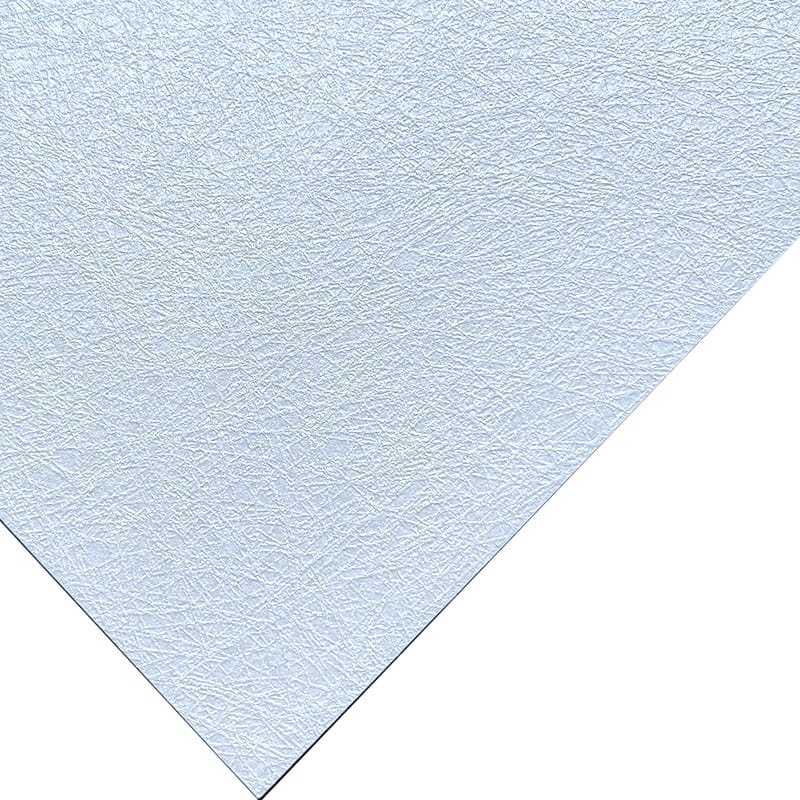
This is the mainstream environmentally friendly base material, made from a blend of plant fibers (wood pulp) and polyester fibers, and does not contain PVC. It is breathable and moisture-proof, environmentally friendly and odorless, has good printing stability, sound absorption, and a natural texture. Suitable for spaces with high requirements for environmental protection and texture, such as bedrooms/living rooms, boutiques, offices, and hotel rooms.
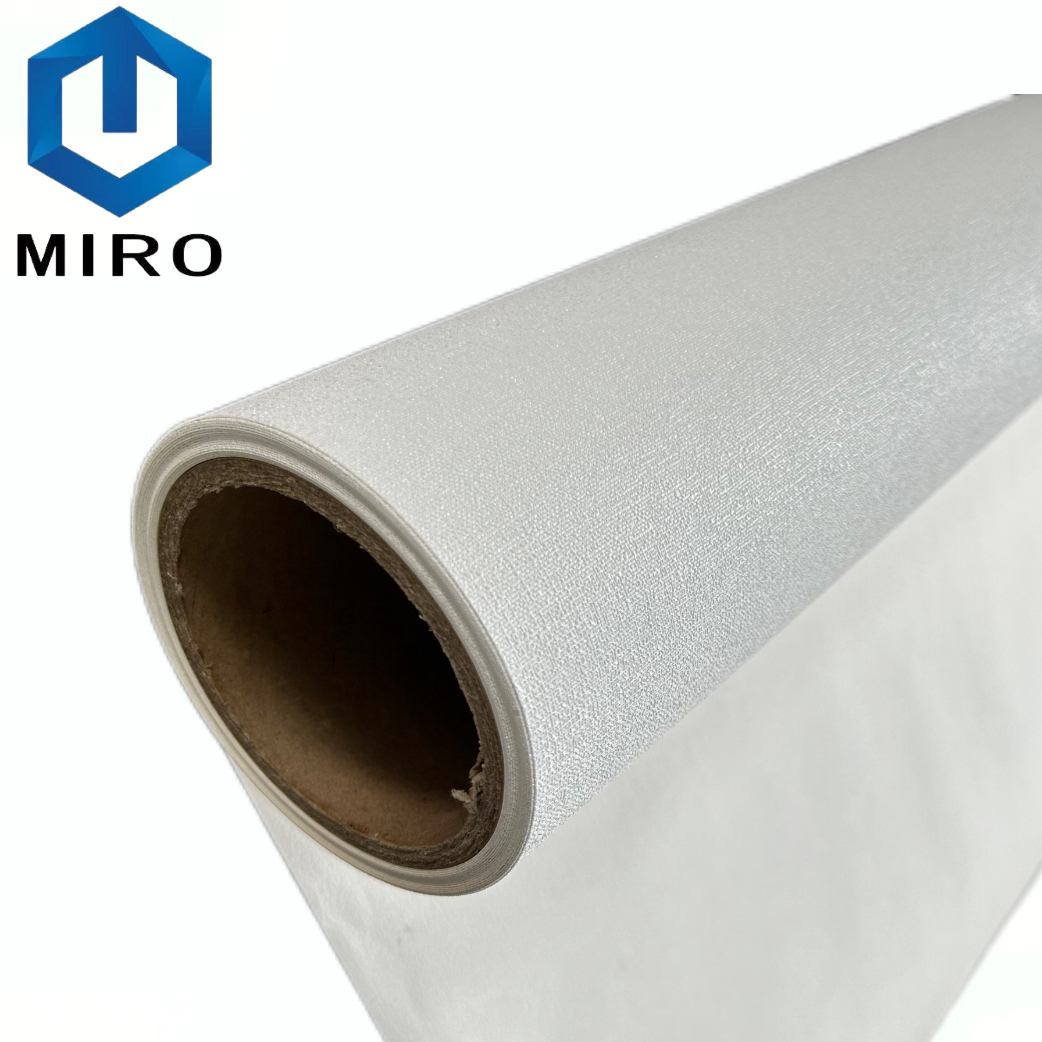
Non-woven fabrics do not contain PVC and are made from environmentally friendly non-woven fabric. They are generally wide-width materials, with 2.85m and 3.05m being common widths. Their strength is much higher than pure paper, and they are not easily torn. This is an option that achieves a good balance between environmental friendliness, durability, and ease of installation. It is particularly suitable for family bedrooms and living rooms where air quality requirements are high, as well as boutiques, offices, and hotel rooms that pursue a natural texture.
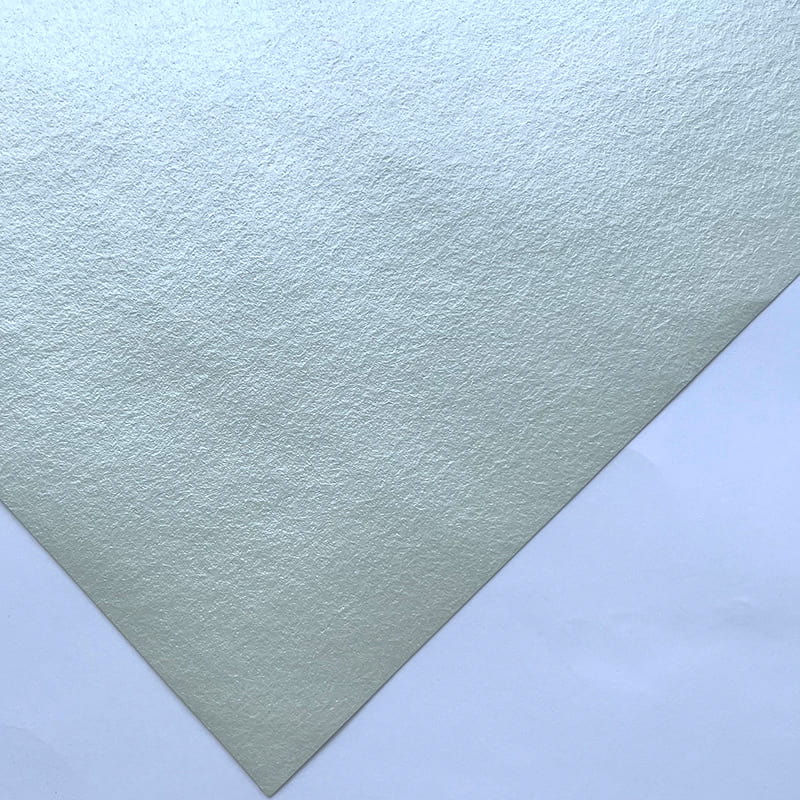
Commercially durable substrate, with a PVC (polyvinyl chloride) surface layer laminated onto a paper or fabric base. Waterproof, scratch-resistant, high strength, and able to cover wall imperfections. Suitable for high-traffic, easily soiled public areas such as hospitals, kindergartens, shopping mall corridors, and restaurants.
High-end decorative substrate, including natural fabrics (such as linen and silk) and synthetic fabrics (such as polyester). High-quality texture, good breathability, seamless splicing, and durability. Suitable for spaces that pursue a luxurious texture and integrated visual effect, such as hotel lobbies, brand showrooms, and living room feature walls.
Printable wallpaper excels in scenarios where flexibility and customization are top priorities. Its practical uses cover nearly every corner of daily interior design:
Many users also apply printable wallpaper to ceilings, stair risers, and closet interiors, turning ordinary spaces into personalized decorative areas with minimal effort.
To achieve professional-looking results, follow these practical design principles for printable wallpaper:
You can also mix solid colors and subtle patterns to balance visual interest and simplicity, avoiding overwhelming spaces with overly complex designs.
With proper care, printable wallpaper can maintain good appearance for 3 to 5 years in indoor environments. Regular maintenance is simple and effective:
For vinyl materials, occasional light dusting is enough to keep the wallpaper clean and vibrant. Fabric-style materials require extra care to avoid staining and moisture absorption.


+86-21-68881570

info@mirowallcovering.com

A207 No.2 Building NO.555 Lansong PD Pudong District 200137, Shanghai China
© Shanghai MIRO Import and Export Co., Ltd. All Rights Reserved. Custom Eco-Friendly Sustainable Wallpaper Manufacturersprivacy
