中文简体
中文简体 English
 русский
 Español
 عربى
عربىIndustry News
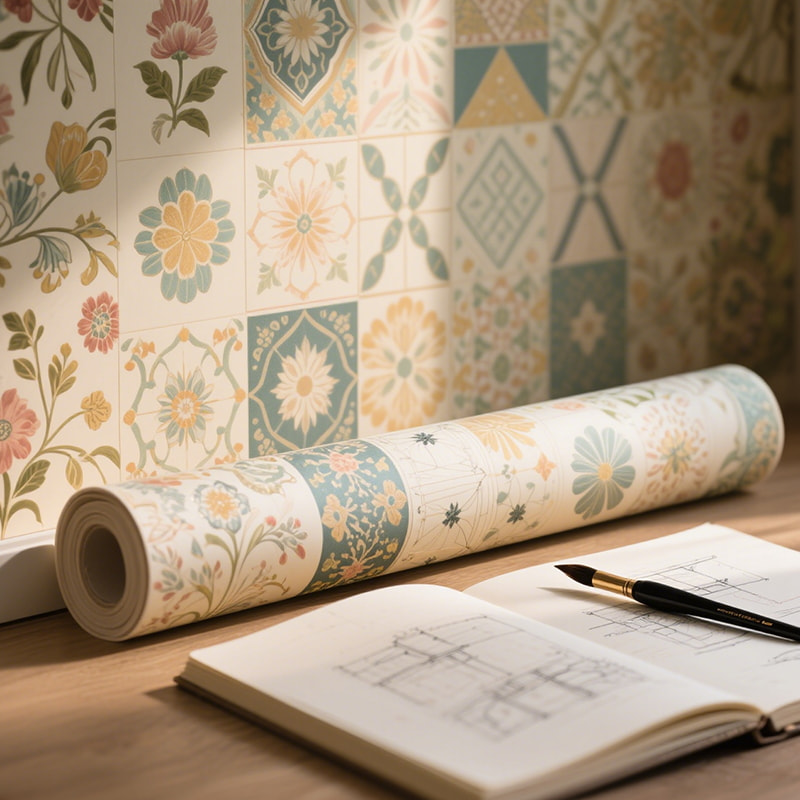
Customized wallpaper instantly transforms any generic room into a deeply personal sanctuary. Unlike mass-produced alternatives, bespoke wallcoverings grant you total control over patterns, colors, and dimensions, turning plain walls into expressive canvases. Whether refreshing a cozy residential corner or establishing the mood of a commercial venue, tailored designs ensure the interior perfectly aligns with the inhabitant's aesthetic, resolving the common issues of repetitive motifs and ill-fitting dimensions found in off-the-shelf options.
Core Benefits of Customized Wallpaper
Opting for customized wallpaper goes beyond mere visual distinction; it introduces practical advantages that make the decorating process more predictable and the outcome more satisfying.
- Unparalleled Personalization: You can feature original photography, hand-drawn illustrations, or brand logos, guaranteeing a one-of-a-kind environment that reflects individual identity.
- Flawless Spatial Adaptation: For irregular walls, sloped ceilings, or awkward corners, customized options are printed to exact specifications, minimizing seams and reducing material waste.
- Flexible Material Selection: You can choose the ideal base material tailored to the room's functional requirements, balancing aesthetic appeal with everyday practicality.
Material Choices Dictate Durability and Aesthetics
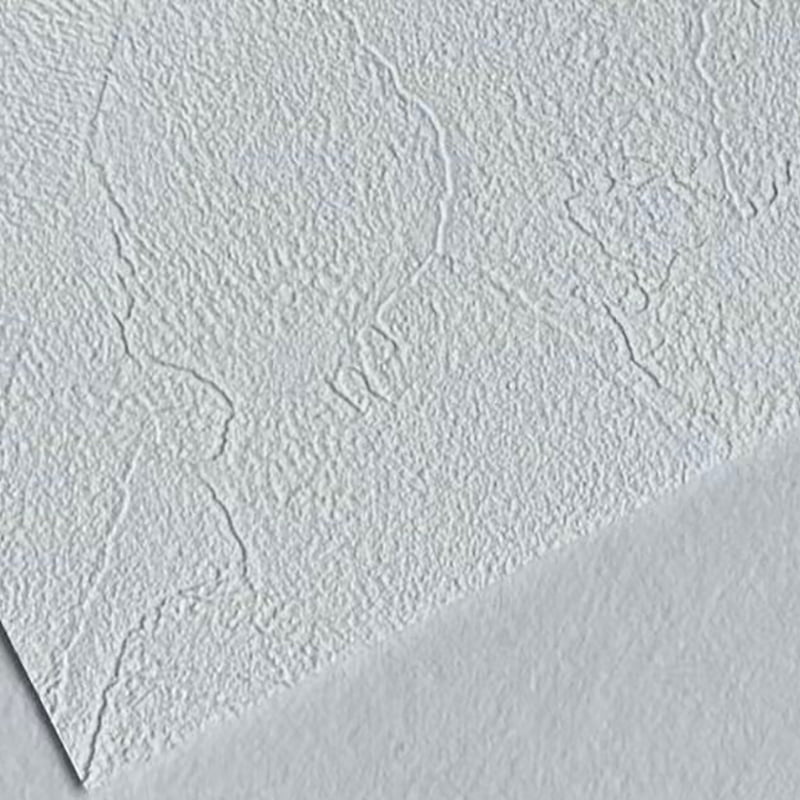
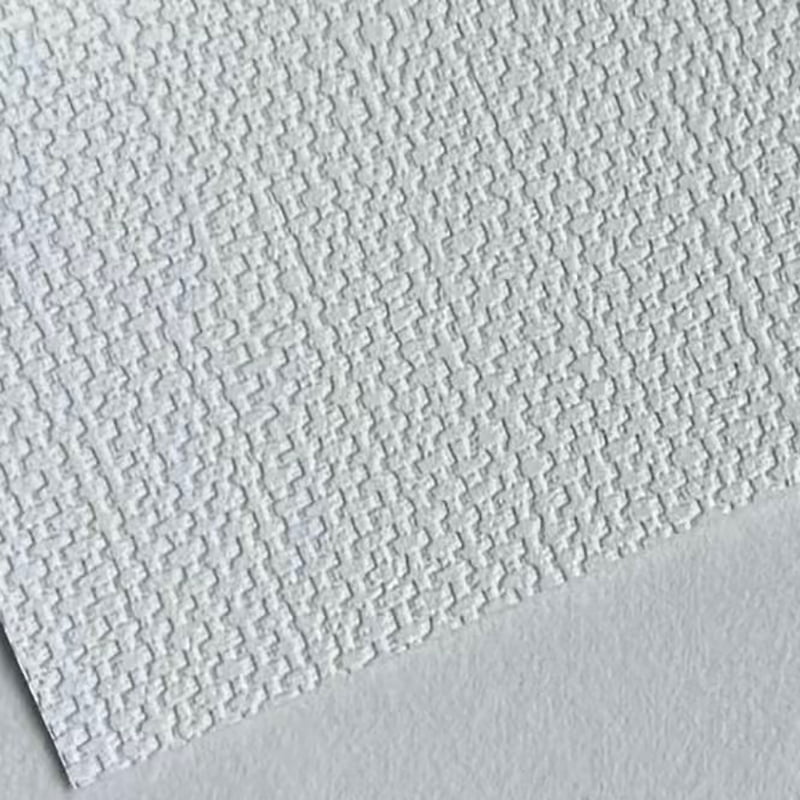
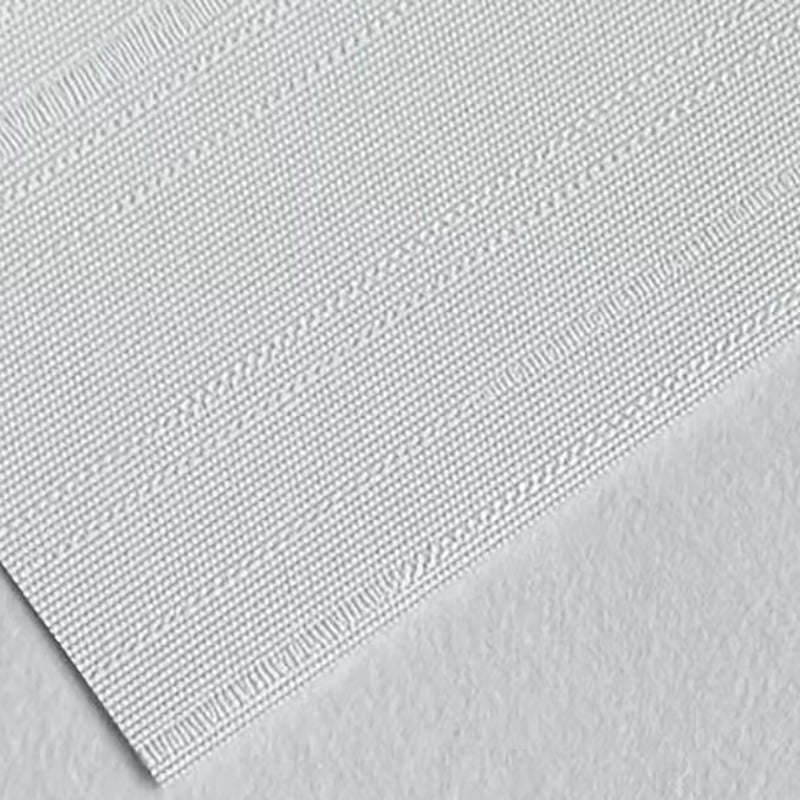
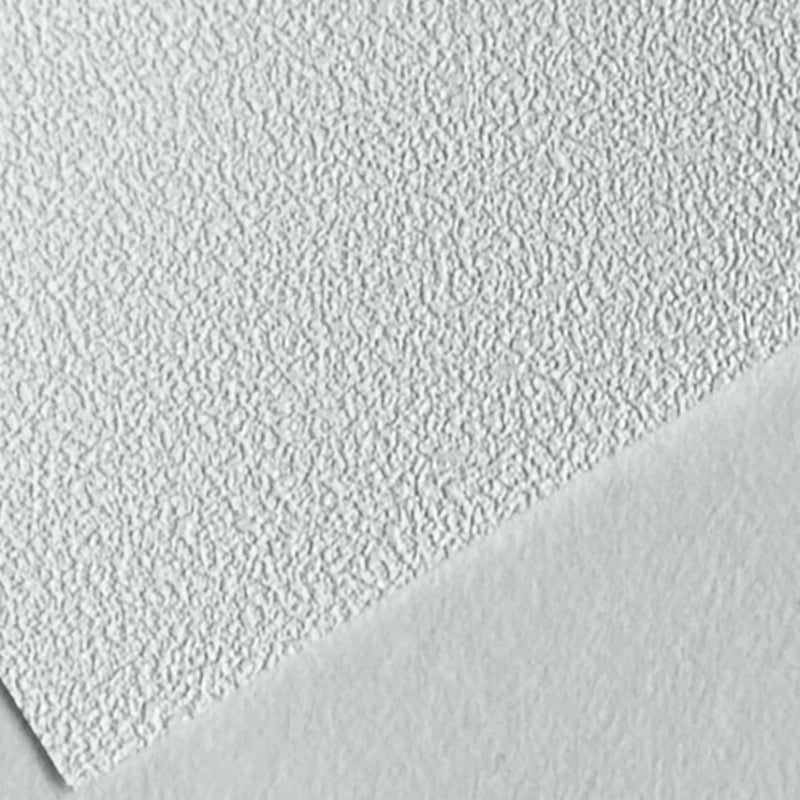
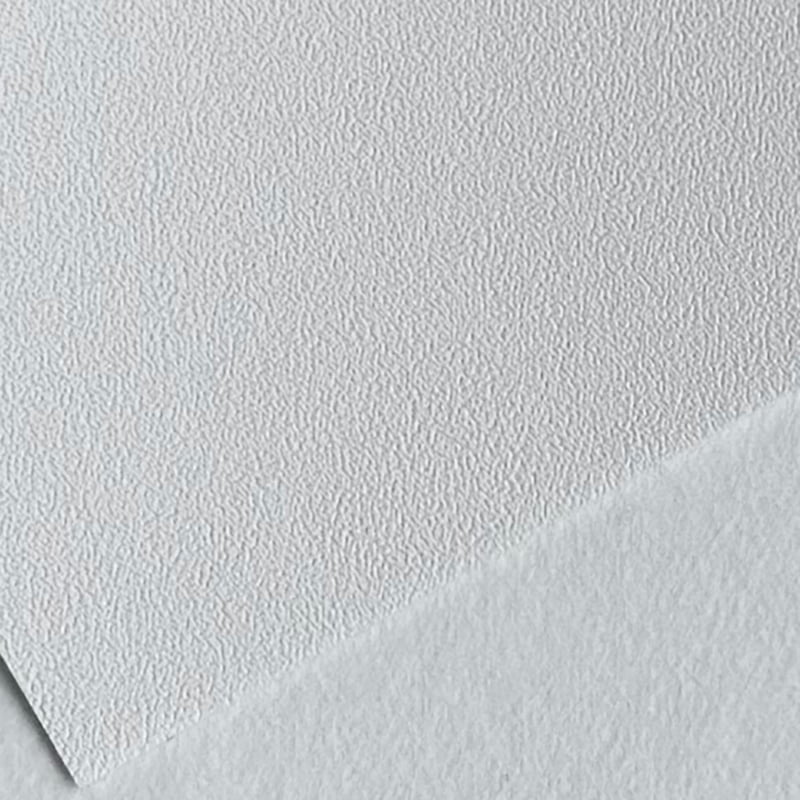
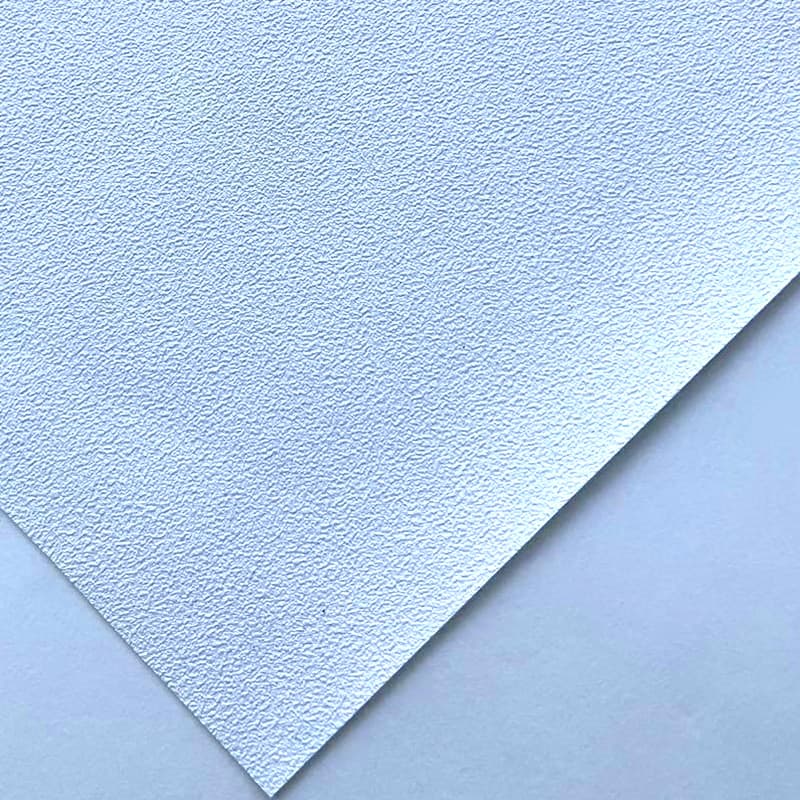
The final impact of customized wallpaper relies heavily on the chosen substrate. Different materials affect the tactile feel, light reflection, and longevity of the design, dictating where they should be applied.
Comparison of Common Customized Wallpaper Materials
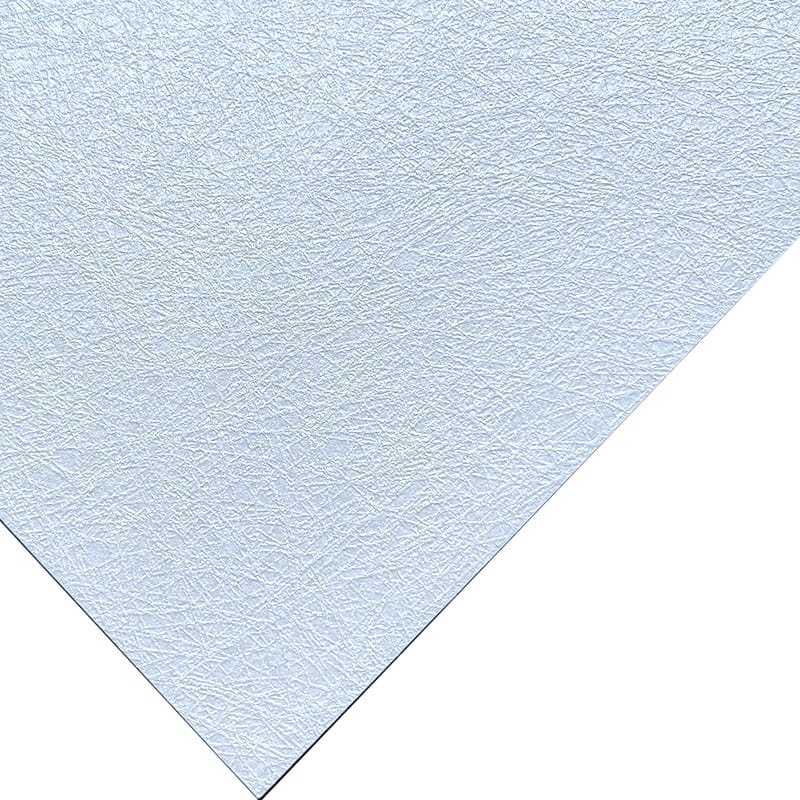
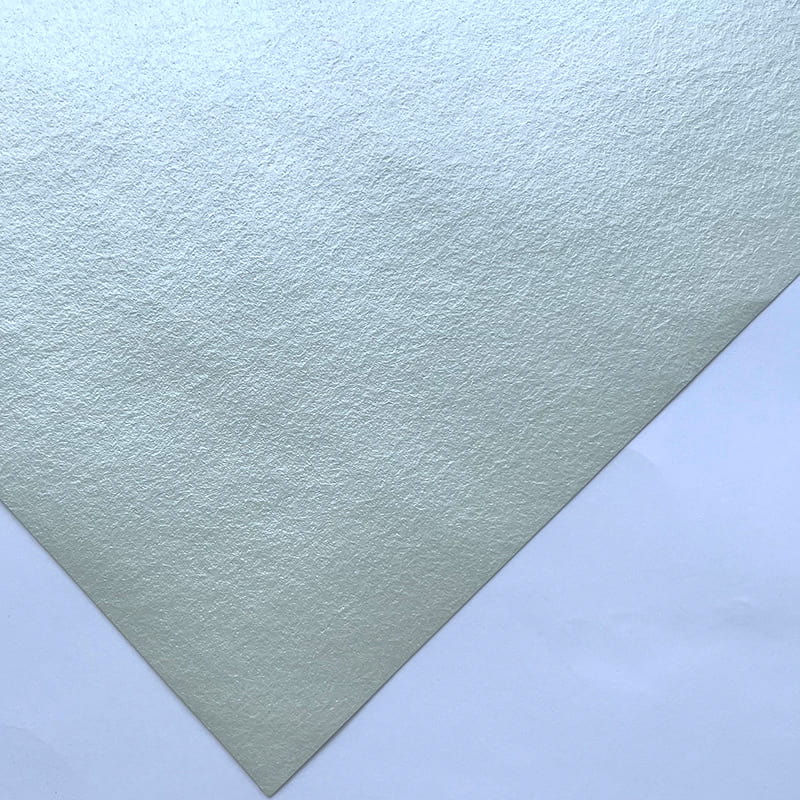
| Material | Ideal Location | Key Characteristics |
| Non-woven | Living rooms, Bedrooms | Breathable, easy to install, and remove |
| Vinyl | Kitchens, Bathrooms | |
| Natural Grasscloth | Home offices, Dining rooms | Rich texture, organic appearance |
Designing Your Signature Pattern
Crafting a customized wallpaper design involves translating abstract concepts into tangible visuals while respecting the spatial logic of the room.
Color and Spatial Harmony
Color dictates the perceived size and mood of a room. In compact areas, cool tones and low-saturation patterns create a visual receding effect, making the space feel significantly more expansive. Conversely, in oversized rooms, bold warm tones or deep backgrounds can introduce a much-needed sense of intimacy. Always ensure the dominant hues of your wallpaper echo existing furniture or textiles to maintain visual cohesion.
Scale and Repeat Logic
The scale of a motif must correspond to the wall's square footage. Oversized prints can overwhelm a narrow corridor, while microscopic patterns might look like a solid color from a distance on a grand feature wall. During the design process, special attention must be paid to the repeat logic, ensuring that the pattern aligns seamlessly across multiple panels for an uninterrupted visual flow.
Ordering Process and Installation Essentials
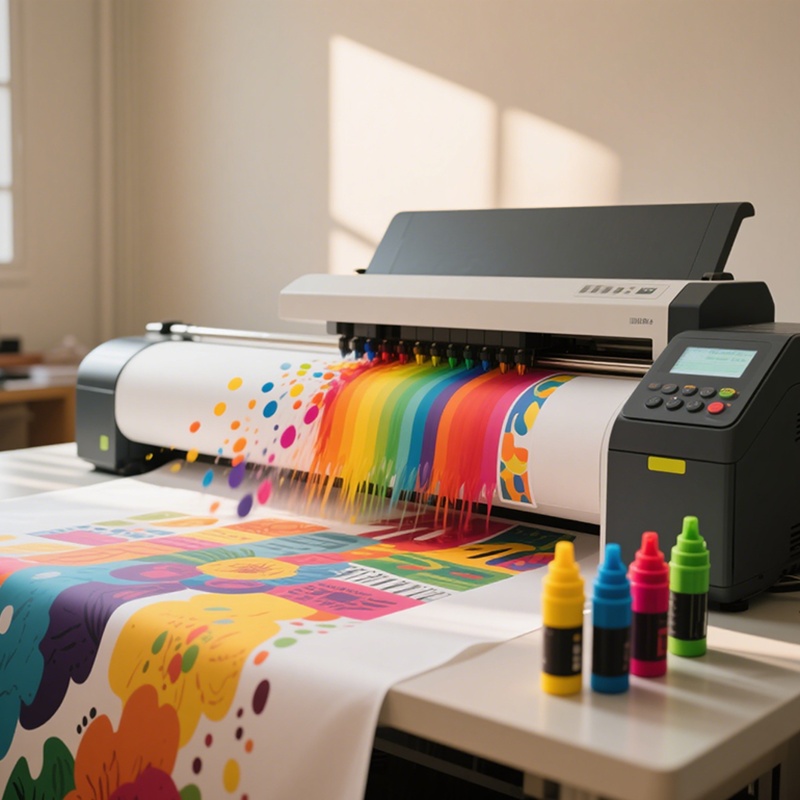
From initial concept to final application, executing a customized wallpaper project requires precision. Following a structured approach guarantees that the custom design translates perfectly from the digital screen to the physical wall.
- Measure the wall dimensions meticulously, accounting for doors, windows, and a slight overage for trimming.
- Prepare or select your high-resolution artwork, ensuring the image quality supports large-scale printing without pixelation.
- Order a sample proof first to verify the color accuracy and material texture under your room's specific lighting conditions.
- Prepare the wall surface by ensuring it is clean, smooth, and primed, which is critical for adhesion.
- Apply the wallpaper carefully, matching the pattern repeats precisely and smoothing out air pockets immediately.
Proper wall preparation is paramount. A flawlessly smooth and primed surface is the foundation of a professional-looking wallpaper installation, preventing issues like peeling or visible imperfections over time.