


 中文简体
 English
 русский
 Español
 عربى
Home / News / Industry News / Why Contractors Choose Latex-Coated Non-Woven Wallcovering for Fast Renovations
Industry News
In renovation work, time is not merely money — it is the difference between winning and losing the next bid. When a hotel corridor, an office floor, or an apartment complex must return to service quickly, every day of downtime carries a measurable cost. Painted drywall has long been the default finish, but a growing number of contractors choose latex-coated non-woven wallcovering over painted drywall for fast renovations. The reasons go beyond preference: installation speed, surface tolerance, durability, and maintenance all point in the same direction.
Content
Commercial and residential renovations rarely enjoy unlimited schedules. Owners want spaces reopened, guests want rooms, and tenants want occupancy. Painted drywall demands a multi-step sequence: drywall finishing, sanding, priming, two or three coats of paint, and curing time before furniture can return. Each step waits on the previous one. Latex-coated non-woven wallcovering collapses that timeline into a single installation visit.
For multi-room projects, the saving compounds. A single floor of guest rooms can gain an entire week of usable schedule time when wallcovering replaces paint.
For contractors unfamiliar with the material, latex-coated non-woven wallcovering pairs a non-woven fabric base with a latex coating on the face.
The non-woven base provides dimensional stability, tear resistance, and breathability. It does not expand or contract with moisture the way paper wallpapers do, and it releases cleanly when removal becomes necessary.
The latex coating creates a smooth, washable, and durable surface that withstands cleaning agents and daily contact. Because the coating is factory-applied, the finish is consistent across the entire roll — a level of uniformity that field-applied paint rarely achieves.
Washable Tear Resistant Breathable
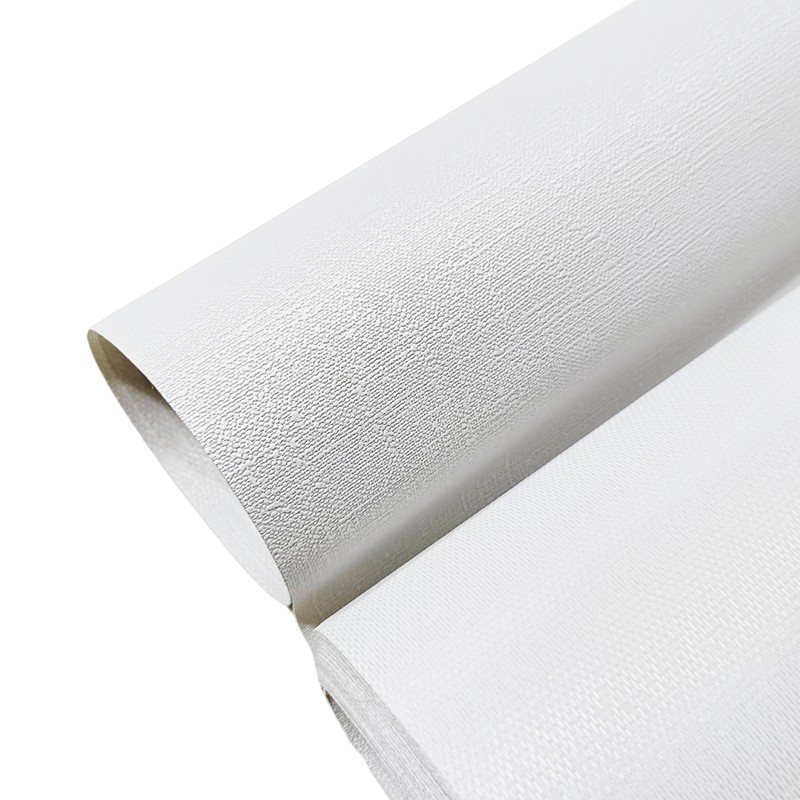
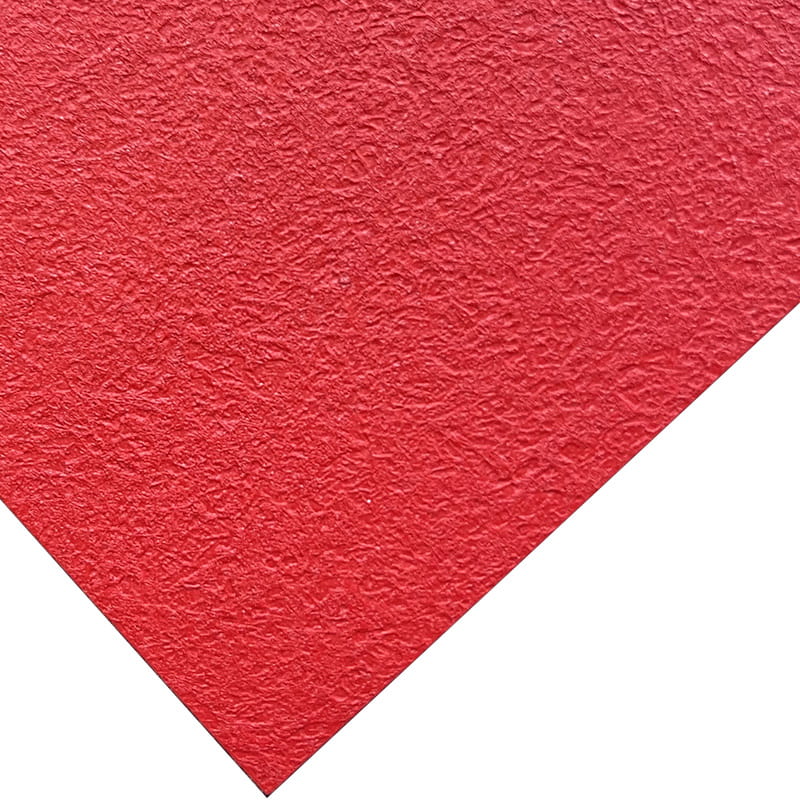 Plain Color Textured Latex Coating Wallcovering for Smooth SurfacesThis pre-pasted, peel-and-stick wallcovering offers a subtle textured finish that hides minor wall flaws while providing a clean, uniform appearance. It suits smooth drywall, cement, and painted walls, and is washable, tear-resistant, and breathable.View Product →
For renovation crews that need a clean, uniform look without complex patterns, MIRO’s plain color textured latex coating wallcovering series offers a subtle surface texture that reads as solid color while hiding minor wall irregularities.
Comparing the two systems step by step makes the speed advantage obvious:
| Process step | Painted drywall | Latex-coated non-woven wallcovering |
|---|---|---|
| Surface preparation | Fill joints, patch, sand, prime | Clean wall, apply paste, hang |
| Application passes | Two to three paint coats | One material layer |
| Drying between passes | 4 to 6 hours per coat | Not required |
| Full cure before use | 3 to 7 days | Overnight |
Across a typical room, the wallcovering route removes at least two to three days from the construction schedule. For a multi-room renovation, that saving multiplies quickly.
On any renovation site, the wall surface condition is the biggest variable. Painted drywall demands a nearly flawless substrate: joints must be taped, mud sanded, and blemishes patched, because every defect becomes visible once paint dries. Non-woven wallcovering, especially with a textured latex coating, bridges hairline cracks and masks minor surface defects.
For contractors, surface tolerance translates directly into labor savings and fewer change orders.
This tolerance saves days of finishing labor and eliminates the dust and mess of sanding, which matters when renovating occupied buildings.
Paint fades, scuffs, and stains. In high-traffic corridors and rental units, painted walls usually need touch-ups within months. Latex-coated non-woven wallcovering provides a washable, abrasion-resistant surface that can be wiped down and keeps its appearance for years. Its non-woven base adds tear resistance against the knocks and scrapes that happen during furniture moves and daily use.
For the contractor, this translates into fewer callbacks and a stronger reputation. Teams that want to compare performance details can review the unique advantages of textured latex coating wallcovering before writing their next specification.
On paper, wallcovering material costs more per square meter than paint. But the installed cost tells a different story when labor hours, schedule delays, and future maintenance are included.
| Cost item | Painted drywall | Latex-coated non-woven wallcovering |
|---|---|---|
| Material per square meter | Lower | Moderate |
| Labor per installation | Higher; multiple visits | Lower; single visit |
| Downtime cost | Longer schedule impact | Shorter schedule impact |
| Lifecycle maintenance | Frequent repainting | Less frequent renewal |
Lifecycle cost is where the gap widens. A painted wall often needs repainting within three to five years in commercial environments, while a latex-coated non-woven wallcovering can serve for significantly longer with simple washing.
Contractors also value the design options that wallcovering brings. From solid colors to subtle textures to custom-printed patterns, latex-coated non-woven wallcovering aligns with brand guidelines and interior concepts without adding production complexity.
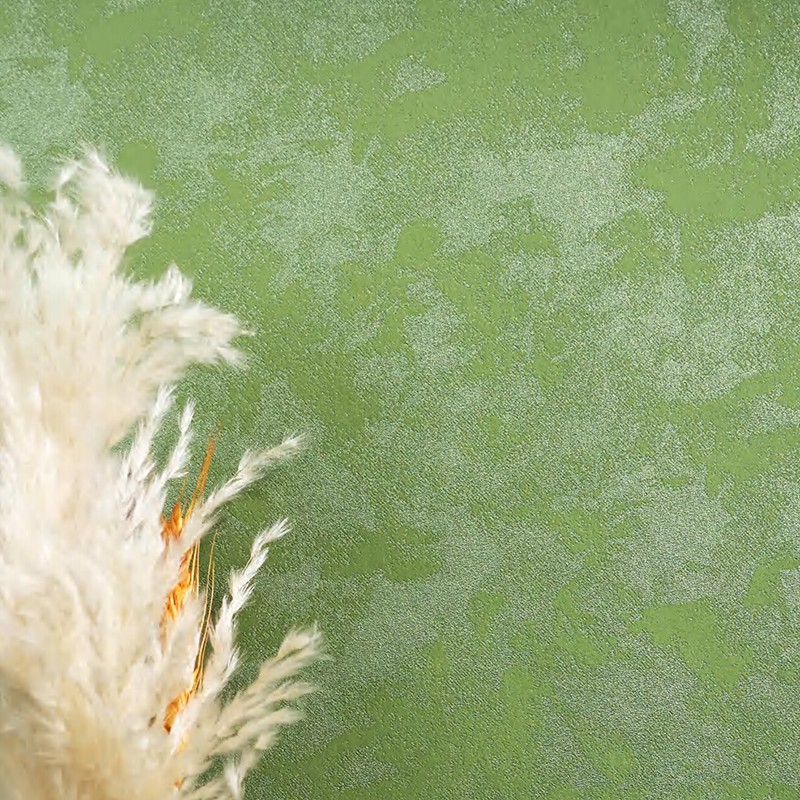
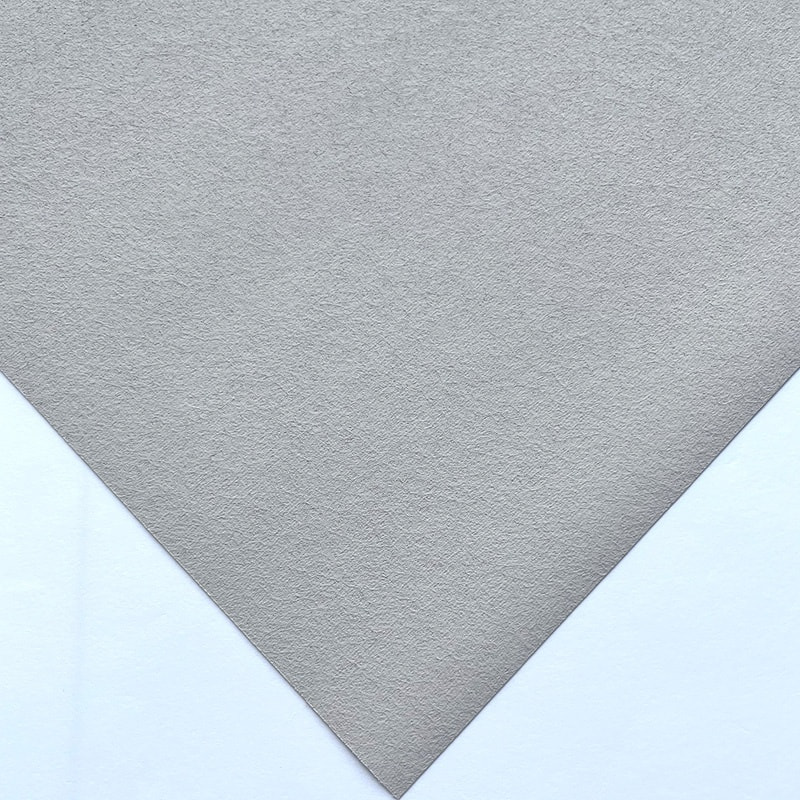 Colored Textured Latex Coating Wallcovering for Versatile InteriorsCombining European-inspired textured aesthetics with durable coating technology, this breathable, mold-resistant wallcovering resists fading and yellowing. Its simple installation suits modern, industrial, or artistic decor, making it practical for hotels and serviced apartments seeking visual updates.View Product →
MIRO’s colored textured latex coating wallcovering, for example, delivers aesthetic variety in a single product family, letting property owners update their look without switching systems. For hotels and serviced apartments, where a distinct visual identity matters as much as schedule, this flexibility is a major selling point.
Renovations inside occupied buildings raise legitimate health concerns. Fresh paint releases volatile organic compounds (VOCs) that can linger for days, forcing delays before guests or staff return. Many latex-coated non-woven wallcoverings are manufactured with low-emission adhesive systems and meet international safety standards including CE, RoHS, and SVHC compliance.
MIRO products also pass ASTM Class A fire resistance and use formaldehyde-free adhesives, which makes them well suited for hotels, schools, and healthcare spaces.
No product wins every job, and a good contractor stays honest with clients. Small patch repairs, extremely tight budgets, or spaces where a painted aesthetic is mandated all remain legitimate cases for drywall. Latex-coated non-woven wallcovering is a strategic upgrade for renovation speed and service life, not a universal replacement.
Contractors planning commercial renovation projects should evaluate both systems against the client’s timeline and long-term maintenance expectations.
Material cost per square meter is higher, but installed cost, including labor and schedule savings, is often comparable or lower for renovation projects.
In most cases, yes. The wall should be clean, dry, and sound; light sanding or deglossing is sometimes recommended for better adhesion.
A two-person crew typically finishes a standard hotel room in one day, and the space is ready to use the next day.
Select a mold-resistant series for wet or steam-heavy areas. MIRO’s white textured latex coating wallcovering includes mold-resistant options designed for these conditions.
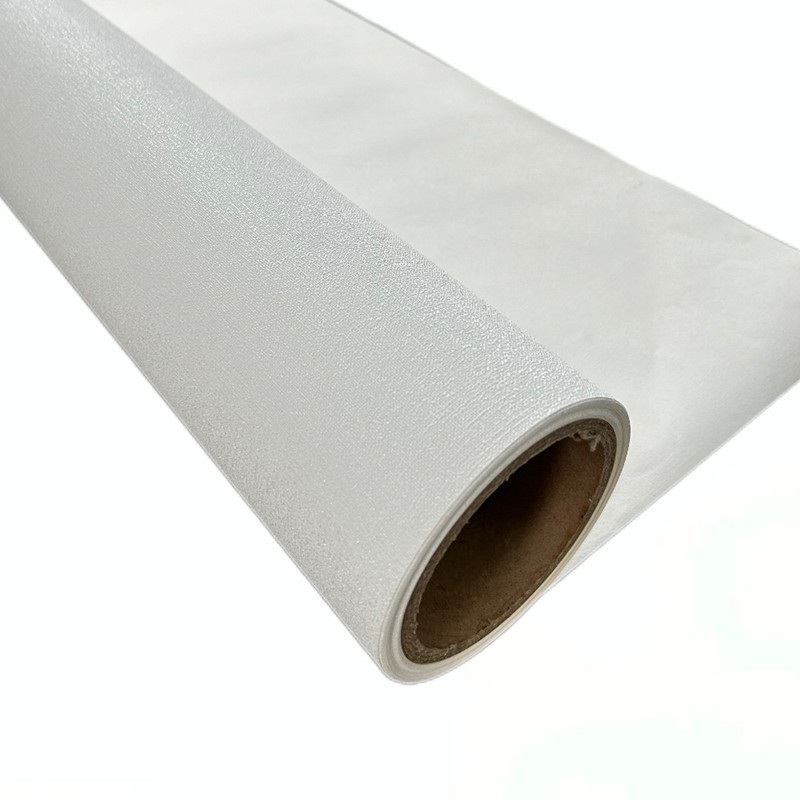
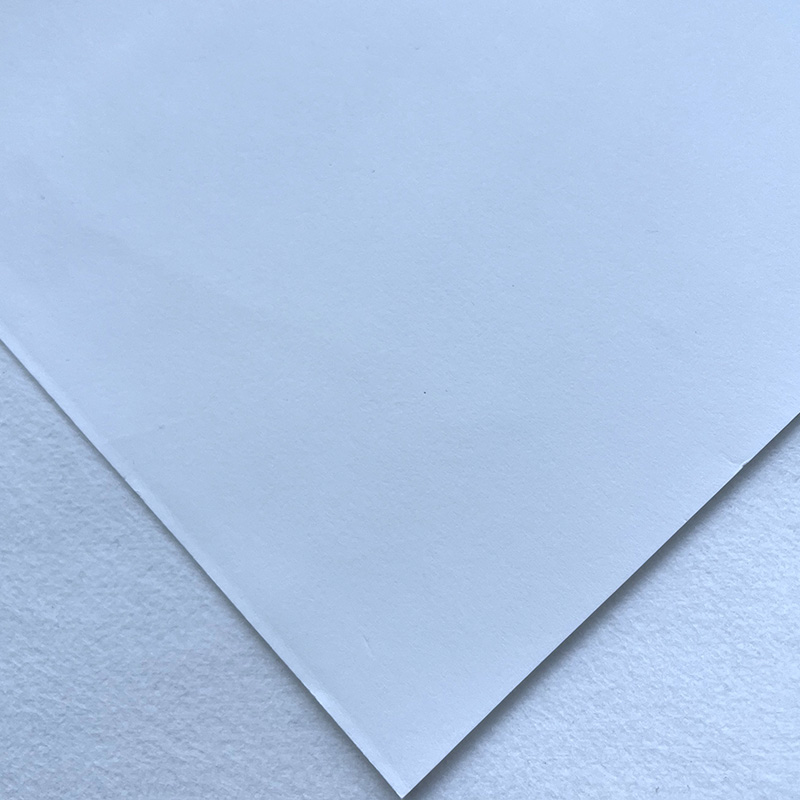 White Textured Latex Coating Wallcovering with Mold ResistanceAn eco-friendly, B1 fire-retardant wallcovering featuring a textured white finish. It includes mold- and mildew-resistant properties, making it suitable for damp or steam-heavy areas while offering a durable alternative to traditional painted drywall.View Product →
For renovation contractors, the choice between latex-coated non-woven wallcovering and painted drywall is no longer about aesthetics alone. It is a scheduling decision, a quality decision, and a client-relationship decision.
Faster installation, fewer callbacks, washable surfaces, and reliable indoor air quality give wallcovering the edge for renovation projects where time is critical. Working with a manufacturer that understands both material performance and project scheduling makes the transition smooth and profitable.


+86-21-68881570

info@mirowallcovering.com

A207 No.2 Building NO.555 Lansong PD Pudong District 200137, Shanghai China
© Shanghai MIRO Import and Export Co., Ltd. All Rights Reserved. Custom Eco-Friendly Sustainable Wallpaper Manufacturersprivacy
