


 中文简体
中文简体 English
 русский
 Español
 عربى
عربى
Home / News / Industry News / What quality standards and certifications should be considered when purchasing printed wallpaper?
Industry News
In today's interior decoration industry, printed wallpaper, with its rich pattern expression and high visual quality, is becoming a popular material for residential, commercial spaces, and high-end projects. However, the wallpaper market is flooded with brands and varying levels of craftsmanship. Careless purchasing can lead to problems such as significant color differences, non-compliance with environmental standards, and insufficient durability. For designers and purchasers who want to maintain the long-term aesthetic appeal of a space, a thorough understanding of wallpaper quality standards and authoritative certifications is crucial to avoiding potential risks and ensuring project quality.
To make the purchasing process clearer and more controllable, it's necessary to assess multiple dimensions, including the safety of the material itself, the stability of the printing technology, the authority of the environmental protection level, the reliability of the service life, and the recognition of international certifications. As industry standards continue to improve, wallpaper quality is gradually being quantified. Purchasers can no longer rely solely on experience and samples but can identify differences in quality through clear specifications, thus enhancing the overall professionalism of the project.
Focusing on substrate stability and environmental protection levels is a prerequisite for judging wallpaper quality.
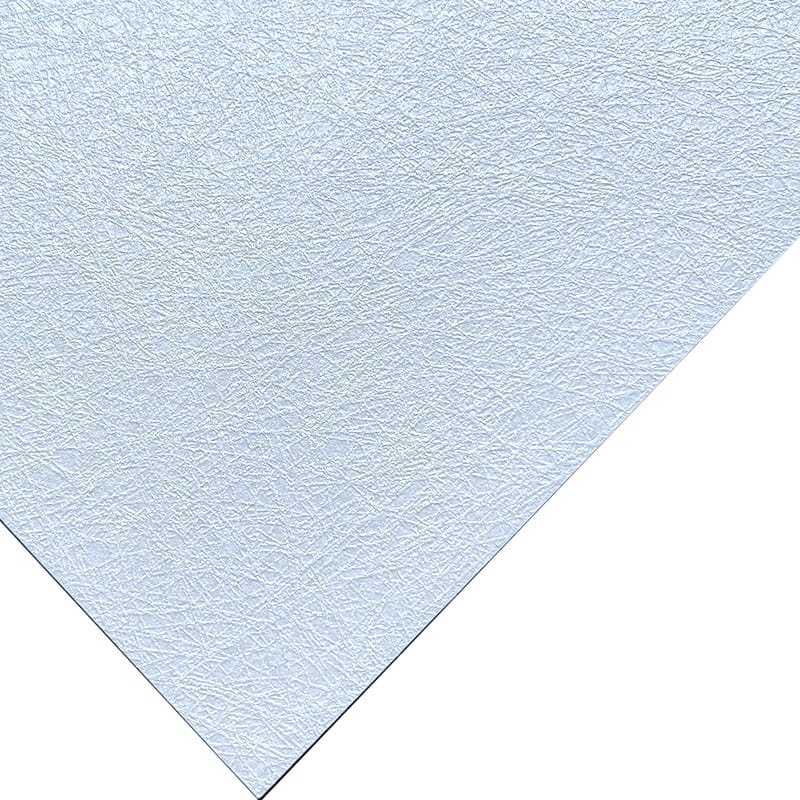
Of all the factors affecting wallpaper quality, the substrate always holds a central position. The substrate determines the wallpaper's flatness, flexibility, tensile strength, and surface printability, and also affects the smoothness of the installation process. A stable substrate can not only withstand the tension during installation but also remain free from curling, bubbling, and deformation over long-term use. With rising market aesthetics, environmental performance has become the most important factor in substrate selection. Substrates produced through standardized processes offer higher reliability in terms of health and safety, and will not release unpleasant odors or irritating substances during use. When purchasing, it's crucial to consider not only the feel and surface flatness of the substrate but also its environmental standards to ensure it meets the health requirements for long-term indoor use.
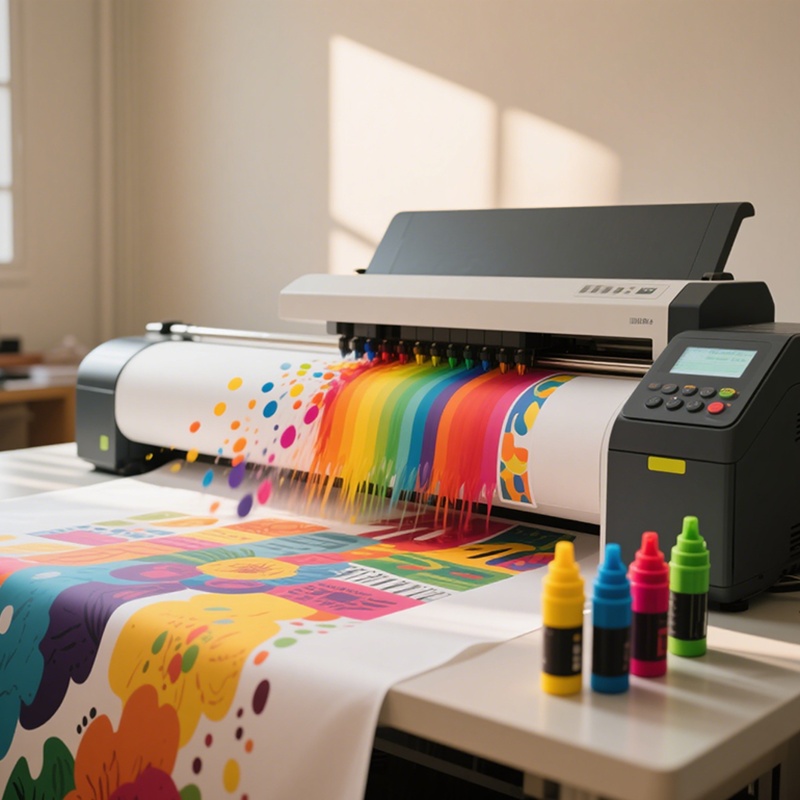
The stability of the printing process determines the wallpaper's visual appearance and durability. The core competitiveness of printed wallpaper lies in the accuracy and durability of the pattern reproduction, which is primarily influenced by printing technology. The surface appearance of modern wallpaper relies on equipment precision, ink quality, and consistency in the printing process. High-quality printing maintains stability in texture details, color depth, and transition layers, ensuring long-term colorfastness and clarity even in spaces with constantly changing light, temperature, and humidity. During the procurement process, attention should be paid to whether the wallpaper's color performance under light is natural and soft, and its abrasion resistance and cleaning resistance to avoid surface damage during later cleaning or use. Professional printing processes can also improve the adhesion between the ink and the substrate, ensuring the printed pattern remains clear for a long time.
Authoritative environmental certifications can effectively identify the safety and performance of wallpaper.
With the increasing awareness of indoor health, environmental certifications have become an important basis for judging wallpaper quality. Internationally and domestically, environmental standards for wallpaper are gradually developing towards a more systematic approach. Some authoritative certifications have high recognition in the industry; products that have passed these certifications signify that they meet stringent requirements in terms of raw material control, production process supervision, and finished product safety. When focusing on certifications, buyers should understand their scope of application, testing indicators, and audit intensity, paying particular attention to the parts related to indoor air quality, including volatile substance limits, heavy metal control, and overall ecological cycle standards. Credible certifications not only represent product quality assurance but also reflect the brand's professionalism in production management and environmental responsibility.
Durability and installation compatibility are crucial factors affecting wallpaper's lifespan.
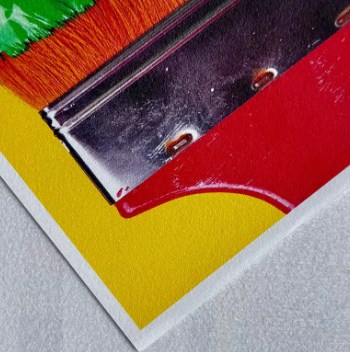
Even with excellent materials and craftsmanship, insufficient durability will prevent wallpaper from truly realizing its decorative value in practical use. During installation, wallpaper needs to withstand stretching, cutting, and pressing, requiring its surface structure to have corresponding adaptability. In the long term, wallpaper also needs to maintain stain resistance, moisture resistance, and resistance to aging; otherwise, problems such as discoloration, cracking, or bubbling may occur. Therefore, when purchasing, attention should be paid to the wallpaper's moisture resistance and the abrasion resistance of its surface structure to ensure its stability under different environmental conditions.
Comprehensive consideration of industry standards can avoid uncertainties in procurement.
As wallpaper materials and processes are constantly being updated, industry standards are also continuously improving. Purchasers need a basic understanding of these standards to more easily judge the quality of a large number of products. During the selection process, building a comprehensive judgment framework around material environmental protection levels, surface printing precision, certification system completeness, and durability helps to form a more comprehensive quality assessment method. Analyzing product performance from multiple professional dimensions can reduce blind spots in the procurement process, making the decoration project more stable and smooth in subsequent stages. High-quality printed wallpaper not only enhances the visual appeal of a space but also maintains its health and stability over long-term use. By focusing on reliable quality standards and authoritative certifications, buyers can effectively avoid the risks associated with low-quality products, resulting in a more professional and durable overall decoration and creating a truly aesthetically pleasing and safe wall experience for their interior spaces.


+86-21-68881570

info@mirowallcovering.com

A207 No.2 Building NO.555 Lansong PD Pudong District 200137, Shanghai China
© Shanghai MIRO Import and Export Co., Ltd. All Rights Reserved. Custom Eco-Friendly Sustainable Wallpaper Manufacturersprivacy
