


 中文简体
中文简体 English
 русский
 Español
 عربى
عربى
Home / News / Industry News / What are the main trends and prospects of the current printed wallpaper market?
Industry News
Printed wallpaper has seen continuous growth in recent years, with its market expansion accelerating. Driven by design aesthetics and material technology, it is gradually becoming an important part of the interior decoration field. With increasing personalized consumer demand, stricter environmental standards, and the continuous maturation of new equipment and processes, the printed wallpaper industry is entering a stage of iterative development. Market players are expanding from traditional printing companies and home decoration companies to digital content service providers, design agencies, and material technology companies, resulting in a more diversified ecosystem and providing sustained growth momentum for the overall market.
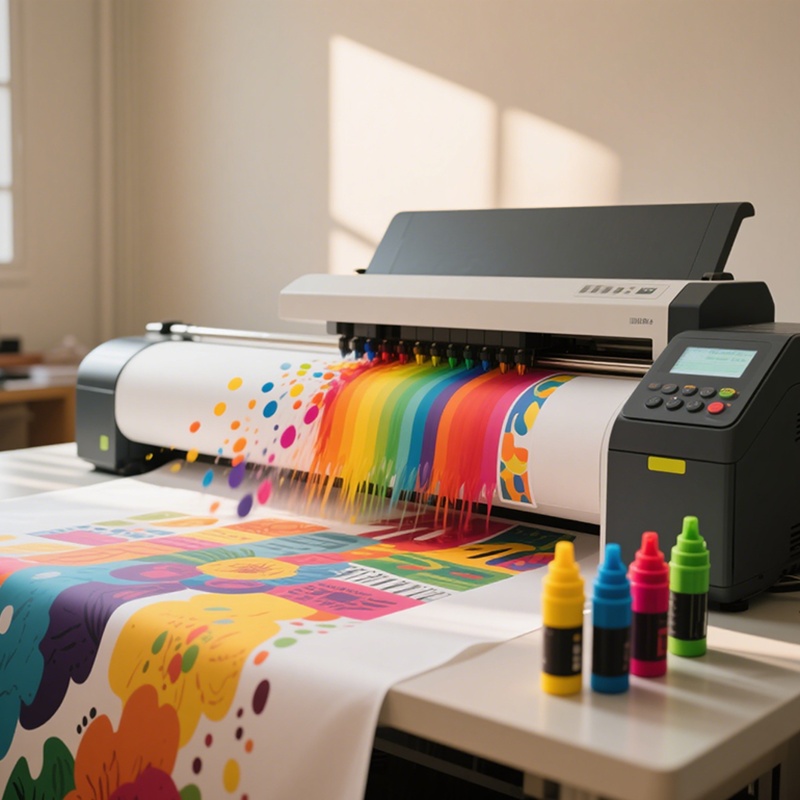
The core changes in the printed wallpaper industry stem primarily from the development of digital printing technology. The intelligentization of color management systems makes wallpaper images more delicate and provides better stability in large-area visual presentations. The widespread adoption of high-resolution printing equipment allows for more natural pattern transitions, enabling printed wallpaper to compete with traditional wall coverings and artistic coatings. The new generation of inkjet technology has stronger material adaptability, reducing limitations on substrates and allowing for greater freedom in spatial design for different environments.
With the rapid entry of artificial intelligence into the visual production industry, intelligent design is changing the way creative ideas for printed wallpaper are generated. More and more design teams are leveraging AI for theme and style creation. Algorithm-generated artistic patterns can quickly adapt to various scenarios, providing richer creative options for interior decoration. The addition of tools such as intelligent typesetting, automatic lighting simulation, and color matching has continuously improved design efficiency in the wallpaper printing industry, allowing more creators to participate in content production.
Environmentally friendly materials are becoming a core competitive advantage.
As consumers' demands for environmentally friendly home furnishings continue to rise, the development of green wallpaper printing materials has become an inevitable trend. Non-toxic and odorless environmentally friendly substrates are gradually becoming the industry mainstream, with healthier, safer, and more sustainable products as the core demand. The widespread adoption of environmentally friendly water-based inks reduces the risk of chemical release during the production and use of wallpaper, meeting the needs of more users with strict air quality requirements.
Environmental protection is not only reflected in material selection but also encompasses the entire production chain. Some companies have begun to adopt energy-saving printing equipment and recyclable materials to improve product lifecycle management capabilities. With the increasingly完善 green building materials certification system, environmentally friendly wallpaper will also gain greater market space under policy promotion. Future industry competition will no longer be simply about patterns, but a comprehensive contest of product health attributes.
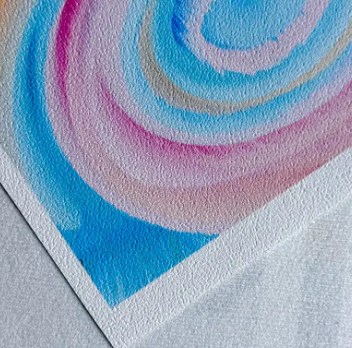
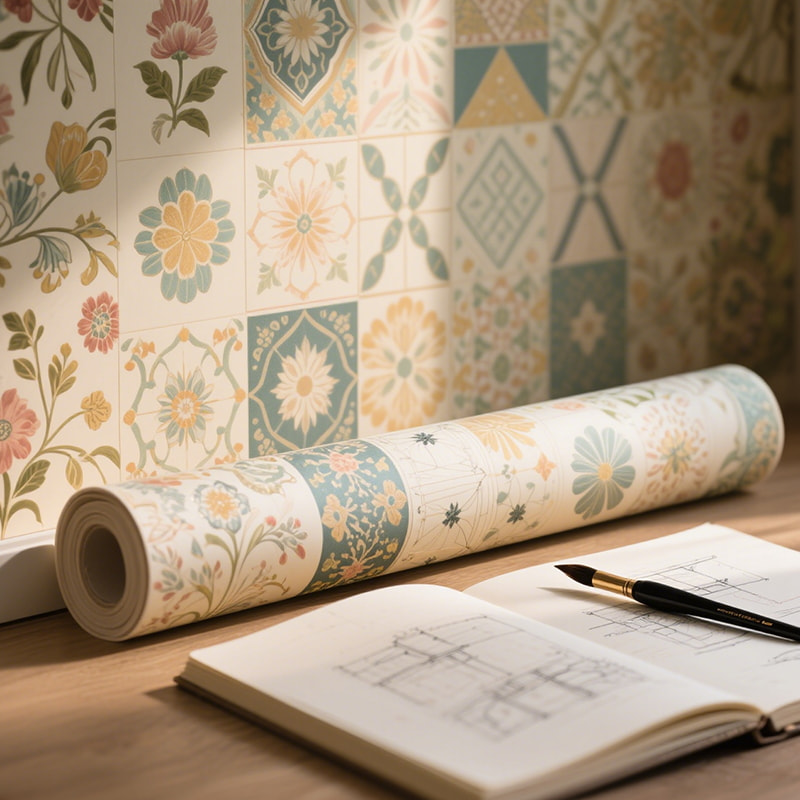
Contemporary consumers place greater emphasis on differentiation in aesthetic trends and spatial expression, and printed wallpaper, with its advantage of free design, has been rapidly accepted by the market. The customization trend allows consumers to move beyond fixed patterns when choosing wallpaper, enabling them to deeply personalize their choices based on spatial needs, lifestyles, and emotional preferences. Personalized design has become one of the most attractive consumer drivers in the printed wallpaper industry.
The customization model not only amplifies users' freedom in aesthetic choices but also allows companies to comprehensively upgrade their service processes. The widespread application of digital order systems, online design platforms, and visual rendering technologies makes the selection, adjustment, and confirmation of designs more intuitive for users. Customization has spurred the prosperity of content library construction, making high-quality patterns a valuable asset for companies and raising the overall professional aesthetic standards of the industry.
Printed wallpaper is rapidly expanding beyond residential spaces into commercial spaces. Hotels, restaurants, and office environments have a continuously growing demand for atmosphere creation, and printed wallpaper, with its thematic patterns, can enhance the style of an environment, becoming an important tool for creating a visual identity. The continuously improving material properties of printed wallpaper, such as wear resistance, stain resistance, and flame retardancy, make it more suitable for high-frequency usage scenarios.
With the rise of experiential commercial spaces and the trend towards scenario-based design, printed wallpaper, with its strong expressive power in emotional expression and spatial narrative, has become a preferred decorative material for commercial space design. In public environments, printed wallpaper is also gradually taking on the functions of cultural display and brand communication, extending its reach from decorative attributes to visual communication.
Online channels and content marketing drive industry growth. Traditional wallpaper relies on offline displays, while printed wallpaper, thanks to its digital characteristics, is easier to disseminate on online platforms. Pattern displays, simulated renderings, and design content marketing have become key methods for acquiring customers online. With the rise of short video platforms and visual social media, printed wallpaper possesses a natural advantage in dissemination due to its strong visual impact. Brands continuously strengthen user awareness through stylized content, leading to a continuous increase in the proportion of online channels in sales.
Advances in online display technology make the consumer decision-making process more intuitive. Technologies such as virtual decoration and space simulation allow users to fully preview the effects before placing an order, increasing their purchase confidence. The increasing maturity of content marketing has provided printed wallpaper companies with more ways to reach consumers, making competition in digital channels more active across the industry.
From a long-term perspective, the printed wallpaper industry remains in a growth phase, with its market potential continuing to expand. Technological innovation, material upgrades, and the development of a design content ecosystem will jointly drive the industry towards higher quality and aesthetic value. As the integration of the home furnishing industry chain deepens, printed wallpaper will become more integrated into the overall soft furnishing system, forming a unified visual solution with home furnishings, lighting, and furniture, driving the industry's transformation from single-product sales to comprehensive space solutions.


+86-21-68881570

info@mirowallcovering.com

A207 No.2 Building NO.555 Lansong PD Pudong District 200137, Shanghai China
© Shanghai MIRO Import and Export Co., Ltd. All Rights Reserved. Custom Eco-Friendly Sustainable Wallpaper Manufacturersprivacy
