中文简体
中文简体 English
 русский
 Español
 عربى
عربىIndustry News
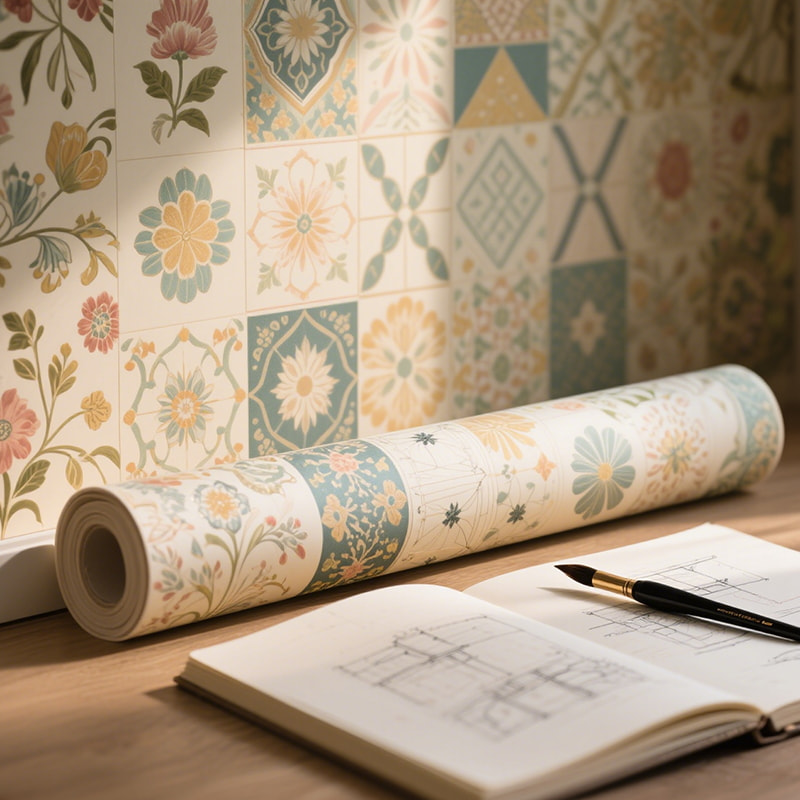
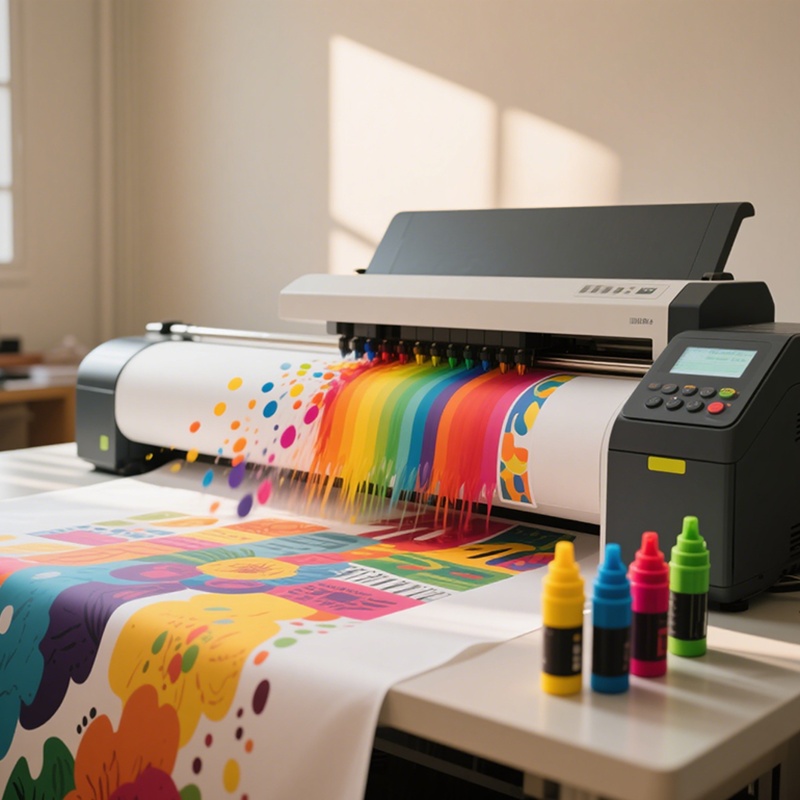
Printable wallpaper has become one of the fastest-growing segments in the interior decoration industry, driven by the demand for customization, faster project delivery, and eco-friendly materials. For companies working in digital printing, large-format printing, and interior design, understanding the key types of printable wallpaper is essential for choosing the right substrate for each project. Below is an overview of the most common materials used in today’s market.
1. Printable Non-Woven Wallpaper
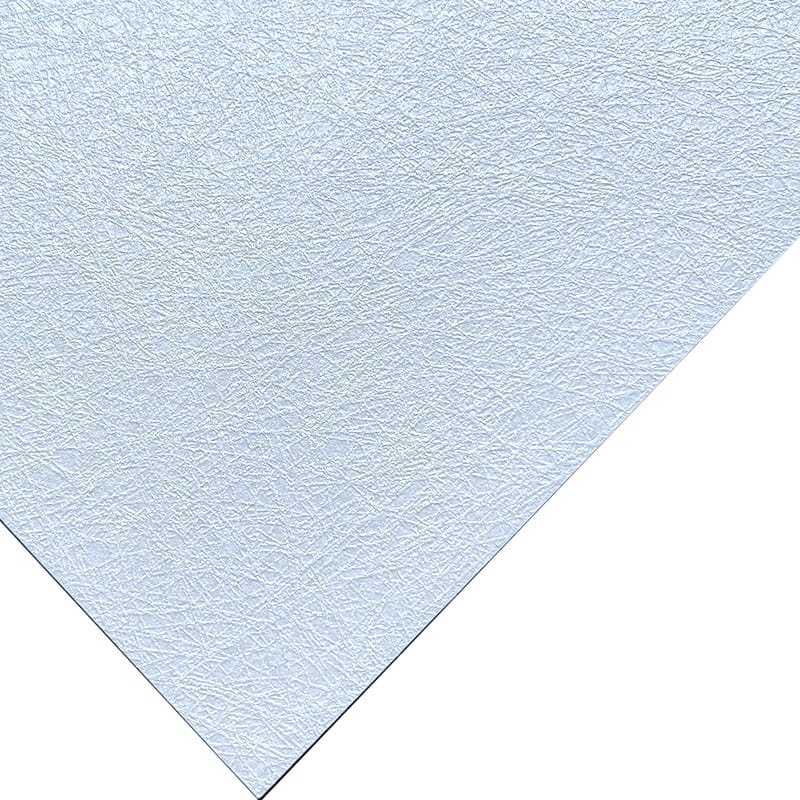
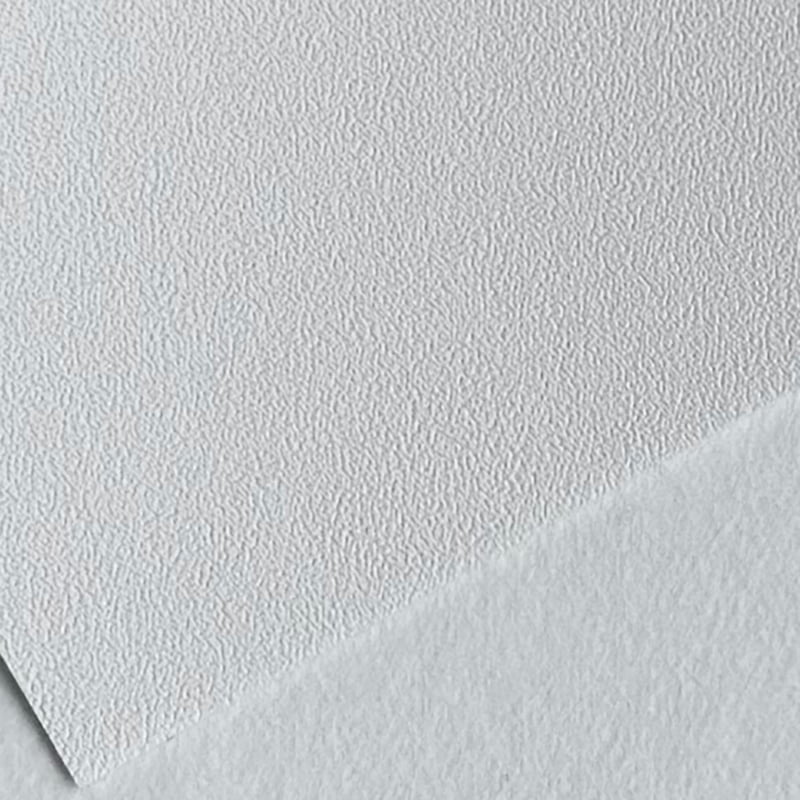
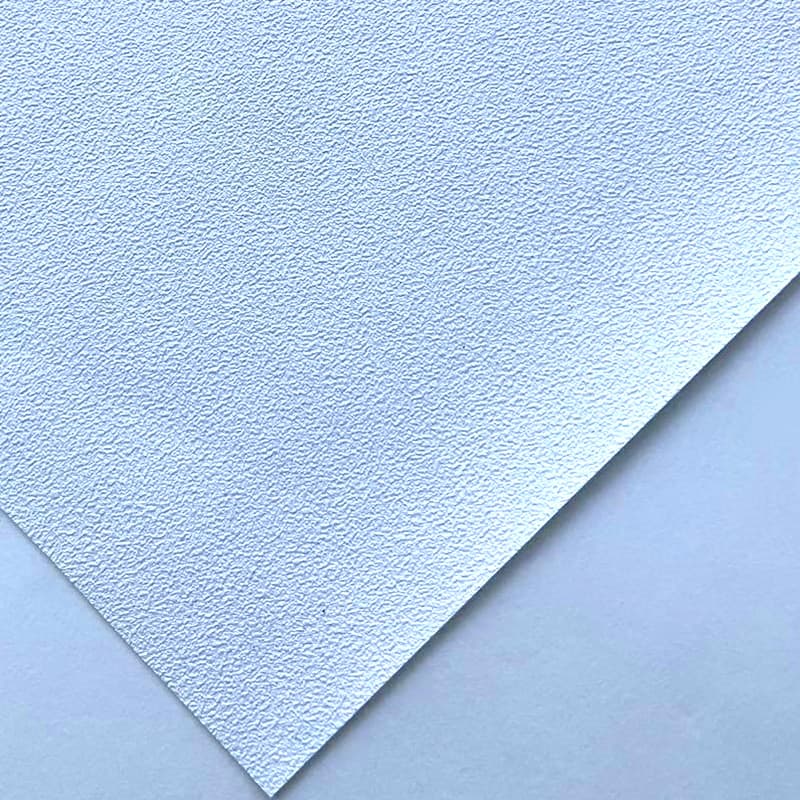
Non-woven wallpaper is currently the most popular and widely used printable substrate. It is PVC-free, breathable, and environmentally friendly. The material offers excellent dimensional stability during printing and installation, making it highly suitable for home decoration, commercial interiors, and high-quality murals. Non-woven wallpaper also supports a wide range of printing technologies, including latex, UV, and eco-solvent.
Benefits
- PVC-free and breathable
- Excellent dimensional stability during printing and installation
- Compatible with latex, UV, and eco-solvent printing
- Suitable for home and commercial projects, and high-quality murals
Standards & Fire Rating
MIRO provides fire-rated versions that comply with EN 13501-1 (B-s1,d0) and ASTM E84 Class A.
2. Non-Woven Wall Fabric (Wide-Format Wallcovering)
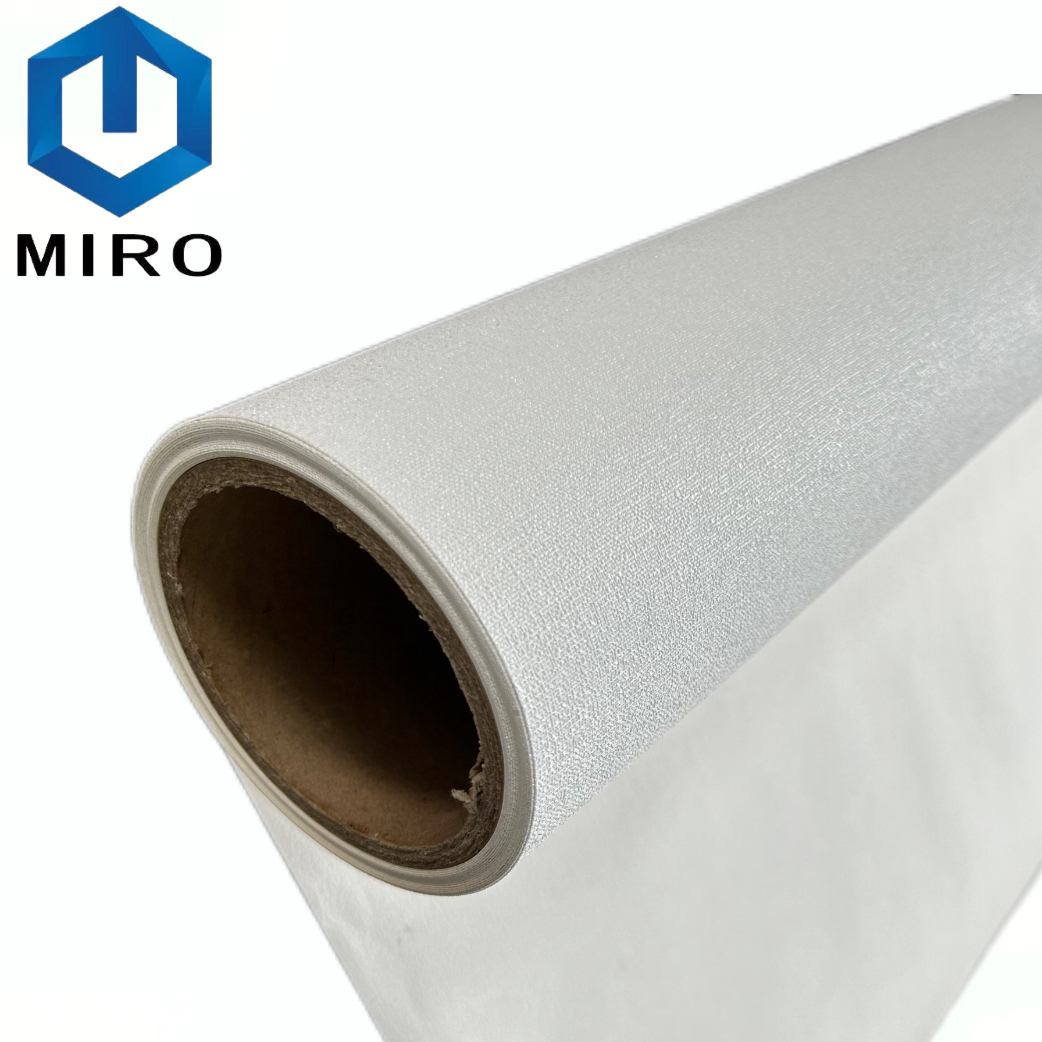
For seamless mural applications, non-woven wall fabric in widths of 2.8m–3.2m has become increasingly popular. Wider rolls allow for large-scale installations with minimal visible joints, perfect for hotels, offices, retail environments, and luxury residential projects.
Characteristics
- Available in wide rolls (2.8m–3.2m) for fewer seams
- Enhanced tear strength and heavier grammage options
- Improved sound absorption
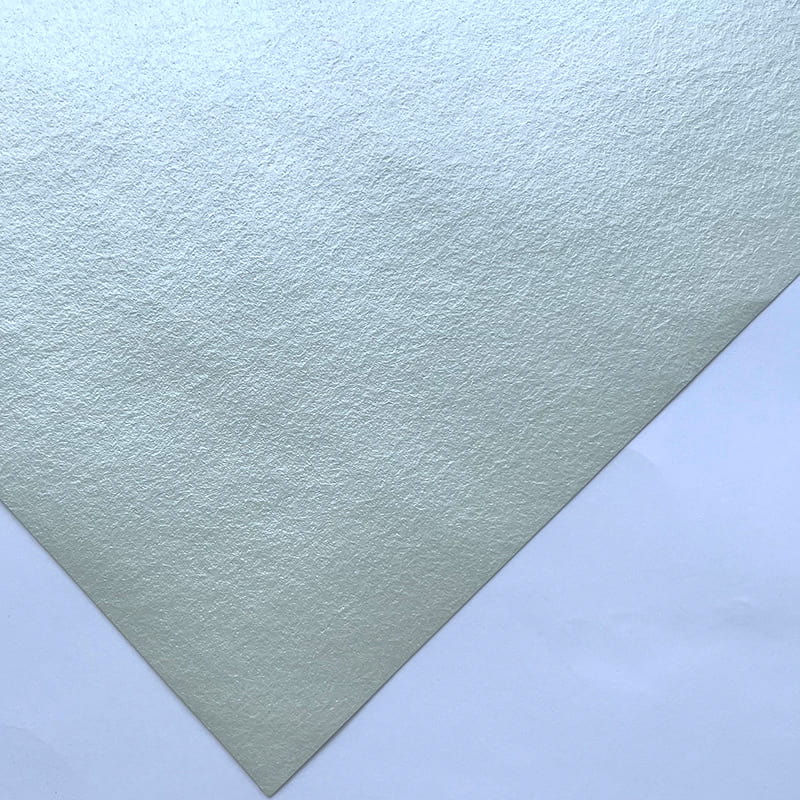
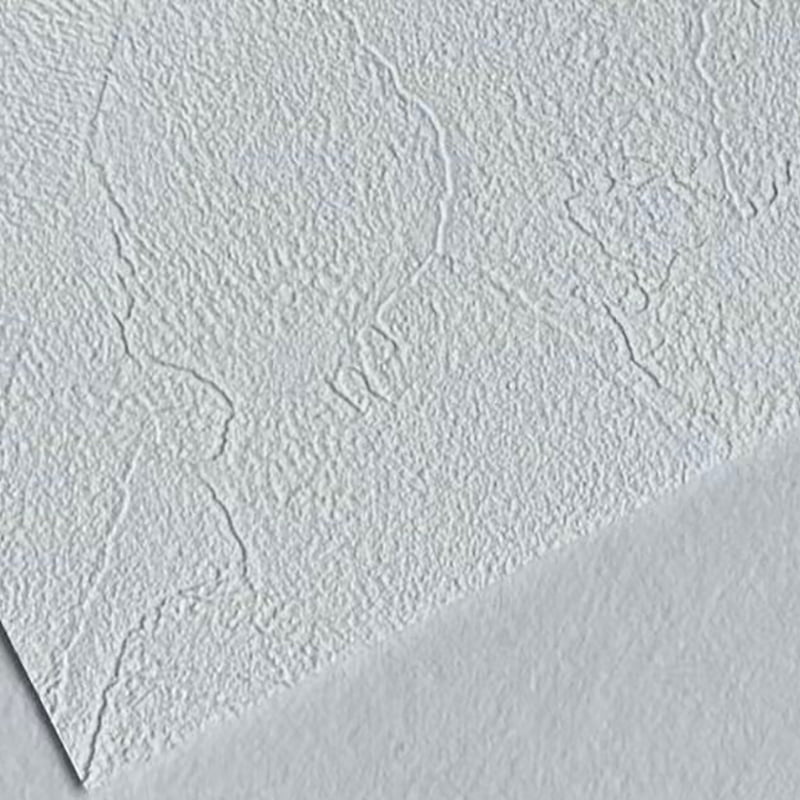
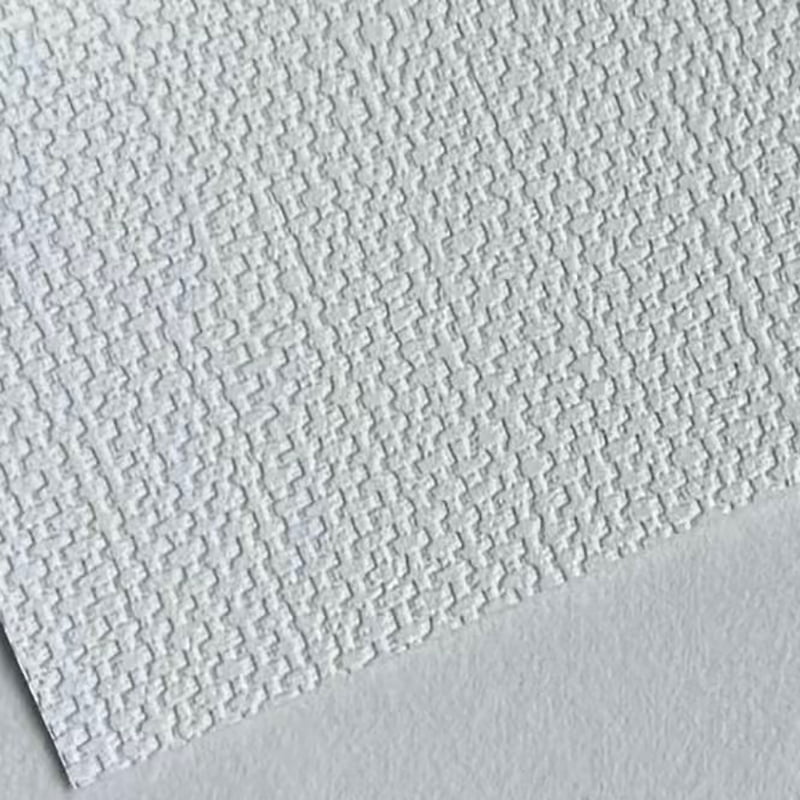
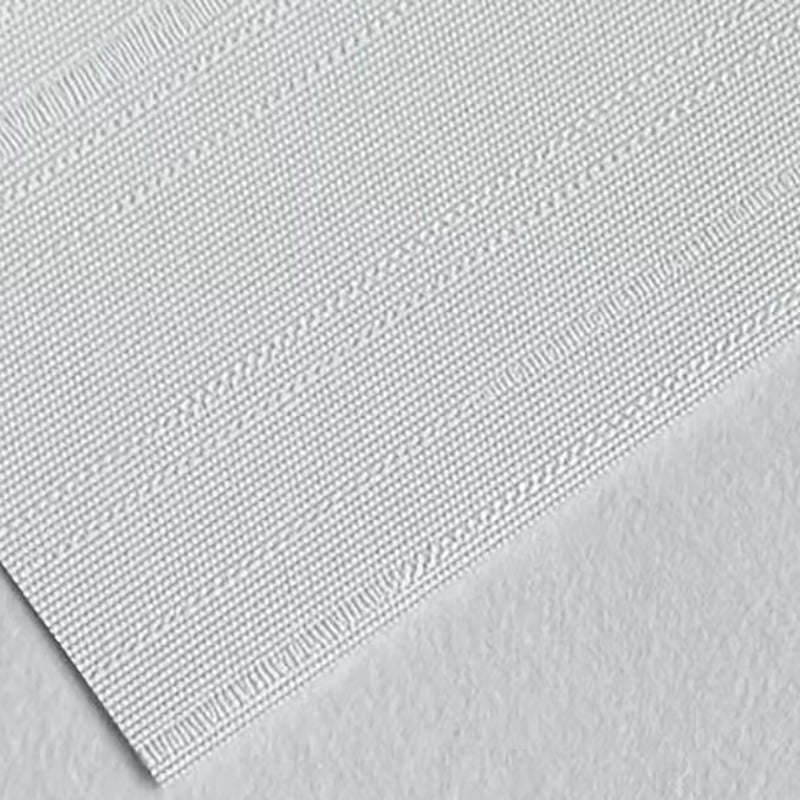
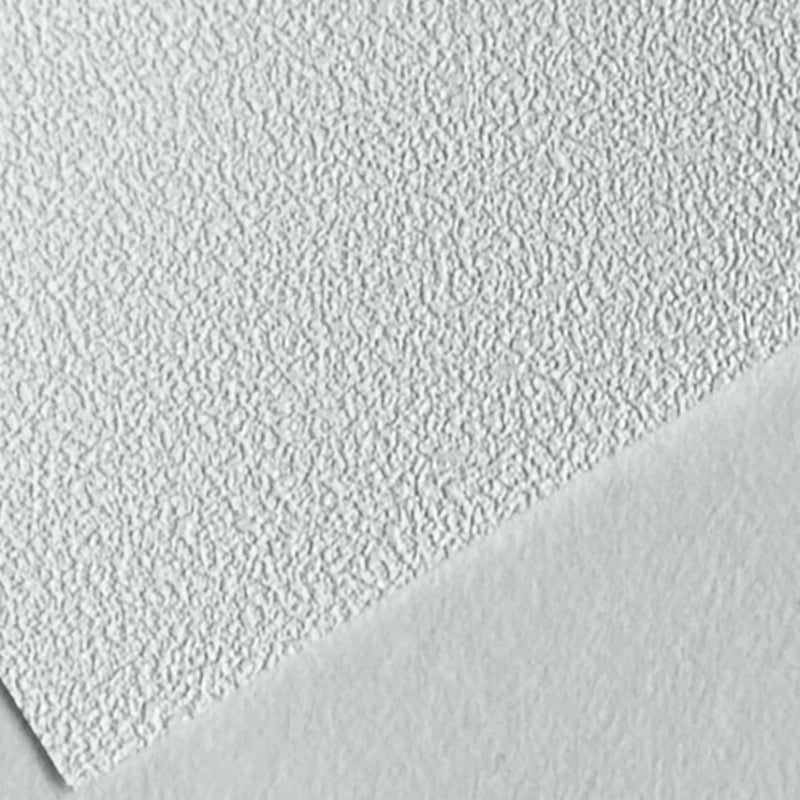
- Versatile textures: smooth, textile-like, and embossed finishes
3. PVC Wallpaper (Vinyl Wallcovering)
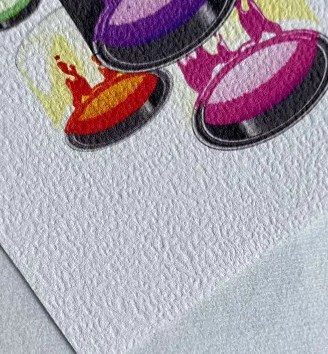
PVC-based printable wallpaper continues to be a major choice in commercial spaces due to its outstanding durability. Vinyl-coated surfaces resist scratches, stains, and moisture, making them ideal for hospitality, healthcare, and high-traffic environments.
When to choose PVC / Vinyl
- When durability and washability are top priorities
- Suitable for hospitality, healthcare, and high-traffic commercial spaces
- Often selected for Type II commercial-grade performance
Notes on Sustainability
Although vinyl wallcoverings are not PVC-free, they remain important where long-term durability is required.
4. Self-Adhesive Canvas and Peel-and-Stick Wallpaper
Self-adhesive printable substrates have grown rapidly with the rise of DIY home décor and fast installation needs. These materials come with a repositionable adhesive backing, making them easy to install and remove without tools or professional help.
Typical Uses
- Temporary decoration and retail promotions
- Rental apartments and seasonal displays
- DIY installations where fast, tool-free application is desired
Quality Considerations
High-quality self-adhesive substrates offer stable adhesion, clean removability, and compatibility with multiple printing systems.
Summary Table
The following table gives a quick comparison of the main printable wallpaper types and their primary advantages.
| Type | Primary Advantages | Typical Uses |
|---|---|---|
| Printable Non-Woven Wallpaper | PVC-free, breathable, stable for printing and installation | Home decoration, commercial interiors, murals |
| Non-Woven Wall Fabric (Wide-Format) | Wide rolls, fewer seams, tear strength, sound absorption | Hotels, offices, retail, luxury residences |
| PVC Wallpaper (Vinyl) | Durable, scratch and moisture resistant, washable | Hospitality, healthcare, high-traffic commercial spaces |
| Self-Adhesive / Peel-and-Stick | Easy installation/removal, repositionable, DIY friendly | Temporary displays, rentals, retail promotions |
Conclusion
Each type of printable wallpaper offers unique benefits depending on the project’s requirements—whether it's sustainability, wide-format applications, commercial durability, or ease of installation. As the market continues to evolve, printable wallcoverings will remain a key solution for delivering personalized, visually impactful, and high-performance interior environments.