


 中文简体
中文简体 English
 русский
 Español
 عربى
عربى
Home / News / Industry News / Emerging Technologies and Innovations in the Wallpaper Printing Industry
Industry News
As consumer demands for home decoration diversify, the wallpaper industry is constantly innovating to meet the market's thirst for personalized and high-quality products. Printed wallpaper, in particular, as a modern home decoration material, has gradually become an indispensable part of home decoration due to its ability to combine unique design concepts with rich personalized elements. In recent years, the wallpaper printing industry has witnessed technological innovation and a surge in innovative thinking, driving its rapid development.
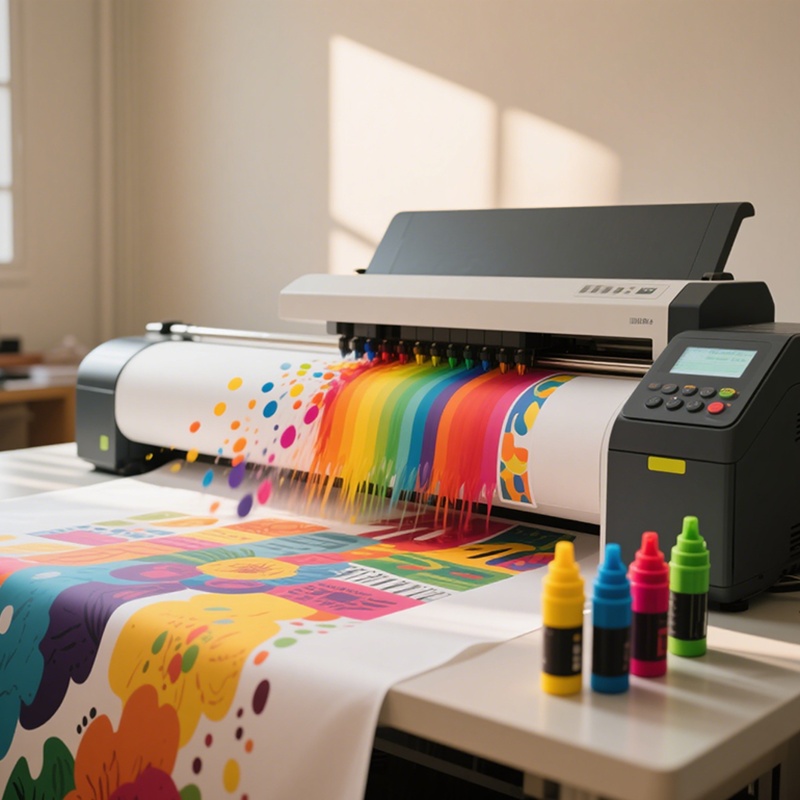
The production process of wallpaper printing essentially utilizes digital printing technology to print patterns, colors, and images onto wallpaper materials. The introduction of this technology has freed wallpaper production from traditional molds and offset printing, allowing for precise and efficient rendering of various complex patterns through digital control. With the increasing demand for large-scale production and the growing trend of personalized customization, digital printing technology has become a significant innovation in the wallpaper industry.
Among these innovations, UV printing technology has begun to replace traditional ink printing. This technology not only achieves richer color expression but also significantly improves the durability and environmental friendliness of printing. Compared to traditional inks, UV printing uses more environmentally friendly inks, free of harmful substances, and offers higher color fidelity and pattern clarity after curing. Simultaneously, UV printing technology boasts superior abrasion resistance, extending the wallpaper's lifespan and meeting the dual demands of modern families for durability and aesthetics.
Besides UV printing, 3D printing technology is also gradually entering the wallpaper industry. This technology allows designers to create more complex and layered patterns, adding greater visual impact to wallpaper by shaping the three-dimensional effect. The introduction of 3D printing technology not only enriches the design language of patterns but also allows consumers to enjoy more refined and unique decorative effects.
With consumers' increasing demand for personalization and smart technology, the wallpaper industry is also developing towards customization and intelligence. More and more consumers are beginning to expect wallpaper to be more than just a decorative material for home décor; it should also adapt to the home environment and even be integrated into smart home systems.
In terms of intelligence, the research and development of smart wallpaper has gradually entered the market. For example, wallpaper using special materials and smart sensors can automatically adjust the brightness and color of the pattern according to the room's temperature, humidity, and light intensity. By integrating with smart home systems, this type of wallpaper can adjust its decorative style according to the functional needs of a room or changes in the mood of the occupants, further enhancing the comfort and enjoyment of the home environment.
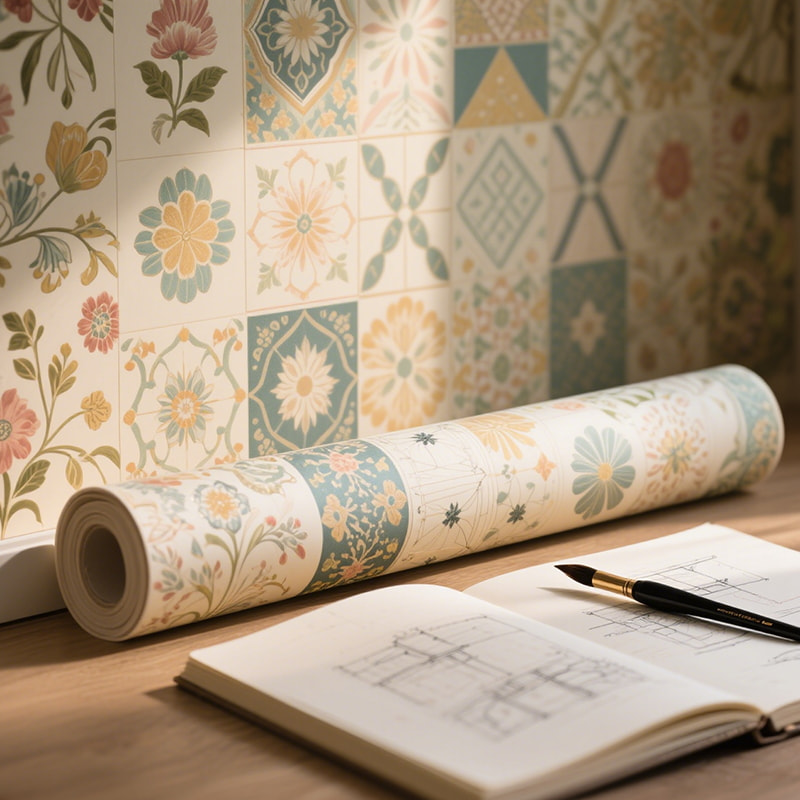
The demand for customization has also greatly developed in this process. Consumers are no longer limited to common patterns when choosing wallpaper, but are paying more attention to personalized customization of colors, materials, and patterns. Utilizing digital printing technology, designers can tailor wallpaper designs for clients, easily realizing both unique artworks and patterns that match the overall style of the home.
With the continuous improvement of environmental awareness, the wallpaper industry is also actively responding to this trend and moving towards sustainable development. In the production process, the application of green and environmentally friendly materials has become an important direction for the wallpaper industry. Using water-based paints and solvent-free or low-solvent inks not only reduces environmental pollution but also ensures the health and safety of consumers.
Against this backdrop, biodegradable materials are gradually becoming the new favorite in the market. With technological advancements, many wallpaper brands have begun to use biodegradable materials to manufacture wallpaper, which not only conforms to environmental protection concepts but also effectively reduces the environmental burden at the end of the product's life cycle. Wallpapers utilizing recycling technology are gradually entering the market. These wallpapers not only reduce resource waste but also allow for recycling after use, significantly improving resource recycling rates.
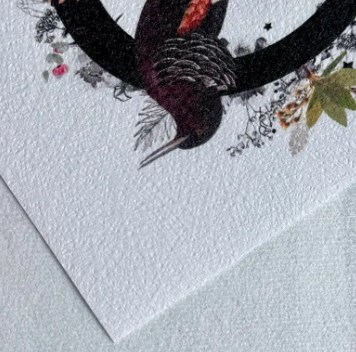
Besides the environmental friendliness of the materials, low-carbon emissions and energy-saving measures in the wallpaper production process have become innovative highlights of the industry. For example, the use of more efficient digital printing equipment reduces energy consumption and carbon emissions during production, lowering dependence on natural resources. This trend not only aligns with national environmental policies but also allows consumers to experience the value of environmental protection and sustainable development while enjoying beautiful homes.
Innovation in the printed wallpaper industry is not only reflected in continuous technological advancements but also in new development opportunities in areas such as environmental protection, intelligent technology, and customization. As these technologies mature and become more widespread, printed wallpaper will occupy an increasingly important position in home decoration, becoming a powerful tool for consumers to achieve personalized home styles.


+86-21-68881570

info@mirowallcovering.com

A207 No.2 Building NO.555 Lansong PD Pudong District 200137, Shanghai China
© Shanghai MIRO Import and Export Co., Ltd. All Rights Reserved. Custom Eco-Friendly Sustainable Wallpaper Manufacturersprivacy
