


 中文简体
中文简体 English
 русский
 Español
 عربى
عربى
Home / News / Industry News / What are the application prospects of environmentally friendly and sustainable wallpaper materials?
Industry News
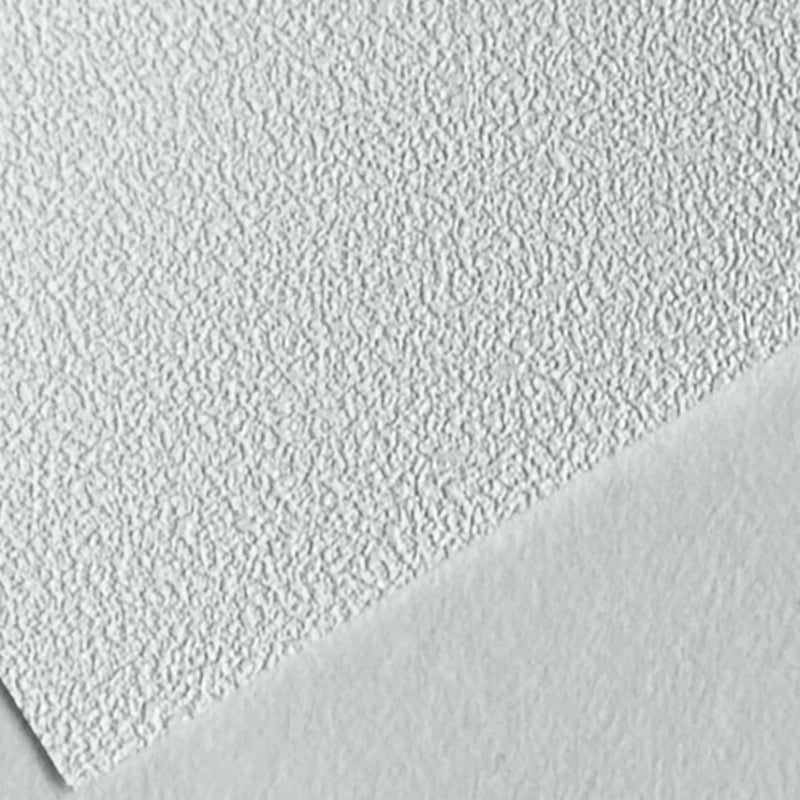
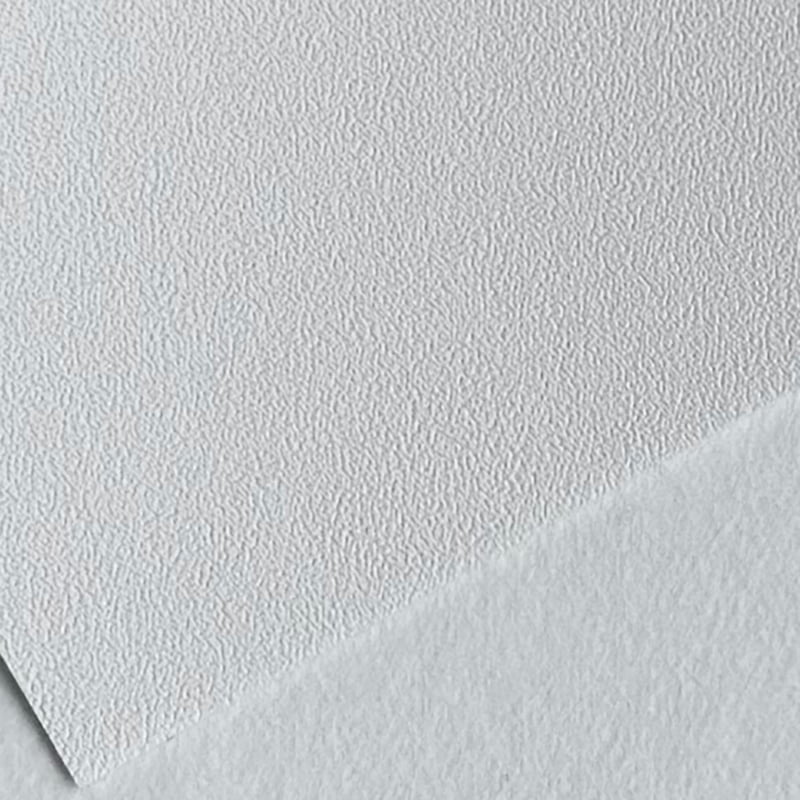
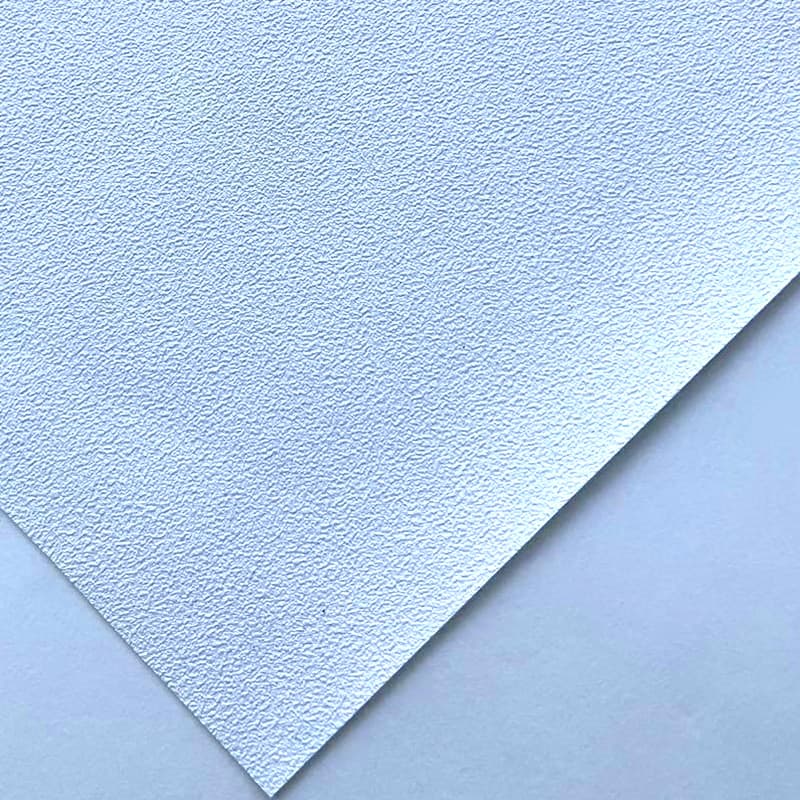
With increasingly severe global environmental problems, more and more industries are turning to sustainable development, and the wallpaper industry is no exception. Environmentally friendly and sustainable wallpaper materials not only respond to the global trend of advocating green living and environmentally friendly consumption, but also bring consumers a healthier and more comfortable living environment. In the future, with technological advancements and increased consumer environmental awareness, the application prospects of environmentally friendly and sustainable wallpaper materials will become even broader.
As people’s attention to health, environmental protection, and sustainable development deepens, green consumption has become a trend. Environmentally friendly wallpaper can not only improve indoor air quality, but also reduce the burden on the environment. Especially against the backdrop of the global promotion of low-carbon economy and green building, the demand for environmentally friendly wallpaper materials is increasing. From reducing the emission of harmful substances to using recyclable and biodegradable materials, the manufacture and use of green wallpaper will undoubtedly become the mainstream of the future wallpaper market.
Some new eco-friendly wallpapers utilize VOC-free (volatile organic compound) and formaldehyde-free technologies to ensure that indoor air quality is not polluted. These wallpapers avoid the harmful chemicals that may be used in traditional wallpapers during the production process, meeting modern consumers’ demands for health and environmental protection.
The sustainability of eco-friendly wallpaper is also reflected in its energy-saving effects over long-term use. For example, wallpaper with heat insulation functions not only reduces energy consumption but also improves the comfort of the living environment. This dual function makes eco-friendly wallpaper more competitive in the market.
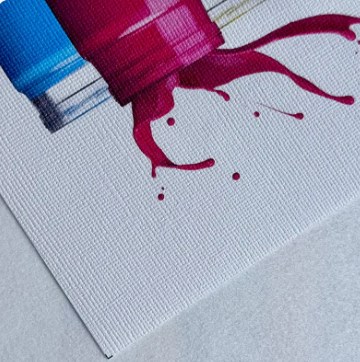
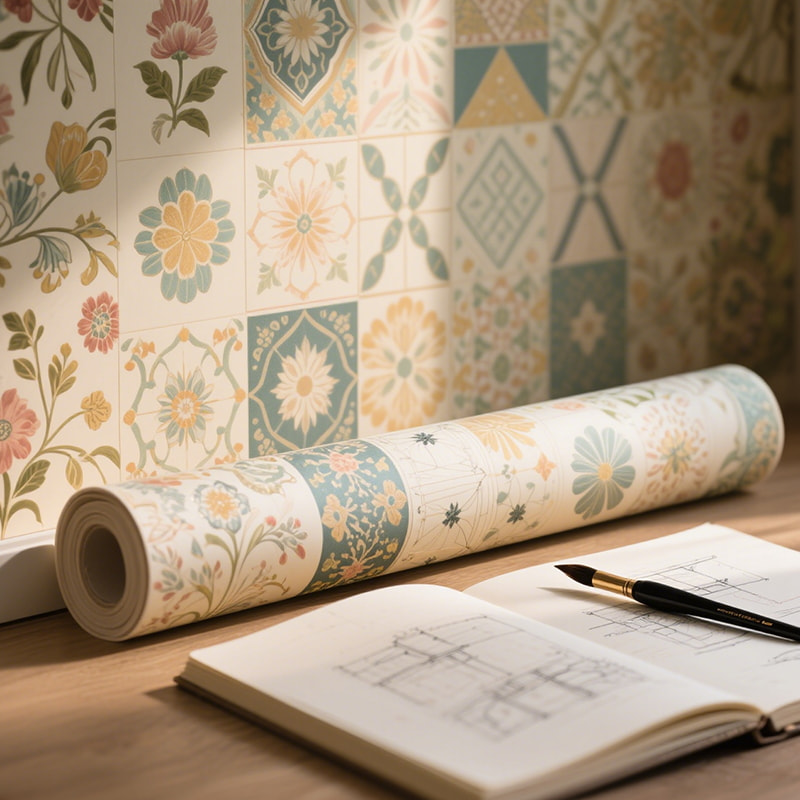
Wallpaper designs have also become more diverse and personalized. The design philosophy of environmentally friendly wallpaper not only emphasizes aesthetics but also considers environmental protection and sustainable development. For instance, some brands have launched reusable wallpapers, allowing consumers to flexibly disassemble and reinstall them during renovations, avoiding the waste associated with traditional wallpaper.
National policy support for the environmental protection industry has also provided a favorable market environment for the application of environmentally friendly wallpaper materials. As government regulations and policies on environmental protection gradually strengthen, wallpaper manufacturers need to meet stricter environmental standards. These policies have not only regulated market behavior but also spurred continuous advancements in environmentally friendly wallpaper material technology.
On the other hand, with changing consumer attitudes, more and more people are paying attention to the impact of wallpaper on indoor air quality. For example, environmentally friendly wallpaper with antibacterial properties can effectively reduce the growth of indoor bacteria, ensuring a healthy living environment. These factors are prompting consumers to prioritize environmentally friendly wallpaper, rather than just viewing it as a decorative product.
Although the market prospects for environmentally friendly wallpaper are broad, the industry still faces some challenges, such as high production costs and low consumer awareness. However, with continuous technological development and gradual improvement of production processes, the production cost of environmentally friendly wallpaper is expected to further decrease, and product quality will become more stable and diversified.
In the future, research and development of environmentally friendly wallpaper materials will focus on improving functionality, reducing costs, and achieving a higher level of sustainability. For example, smart wallpaper is likely to become a development trend in the industry. Utilizing smart technology, wallpaper can not only regulate indoor temperature and humidity but also monitor air quality and pollutant levels in real time through built-in sensors. The emergence of this multifunctional smart environmentally friendly wallpaper will further enhance the added value and market competitiveness of wallpaper.
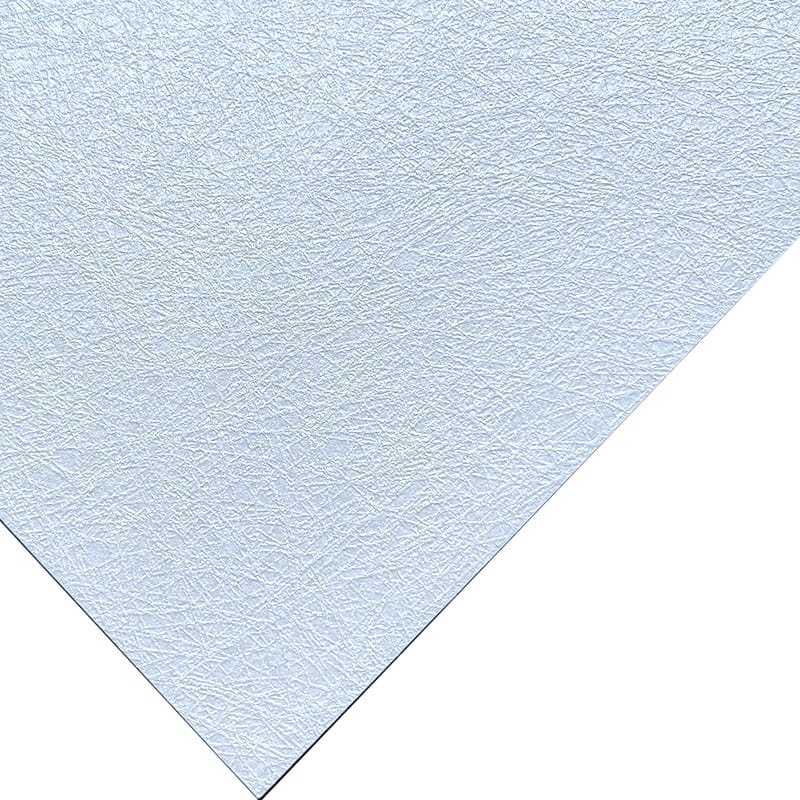
As people’s demands for indoor environmental quality increase, the design and material selection of eco-friendly wallpaper will become more personalized and diversified. In the future, wallpaper will not only need to be environmentally friendly but also meet the aesthetic needs of different consumers. For example, eco-friendly wallpaper will offer a variety of colors, textures, and patterns, while possessing higher self-cleaning and stain resistance, creating a more comfortable living environment for consumers.
The application prospects of eco-friendly and sustainable wallpaper materials are particularly broad. Although this market is currently in its development stage, with technological advancements, changing consumer demands, and government policy support, eco-friendly wallpaper materials will become the mainstream in the wallpaper industry in the future. Wallpaper of the future will not only be a tool for home decoration but also an important component of an environmentally friendly lifestyle. Whether from the perspective of improving quality of life or from the perspective of sustainable development, the future of eco-friendly wallpaper is full of infinite possibilities.


+86-21-68881570

info@mirowallcovering.com

A207 No.2 Building NO.555 Lansong PD Pudong District 200137, Shanghai China
© Shanghai MIRO Import and Export Co., Ltd. All Rights Reserved. Custom Eco-Friendly Sustainable Wallpaper Manufacturersprivacy
