


 中文简体
中文简体 English
 русский
 Español
 عربى
عربى
Home / News / Industry News / What are the differences in wallpaper market demand and preferences across different countries and regions?
Industry News
Wallpaper, as an important component of interior decoration, has evolved from a simple wall covering material into a high-end home product that combines aesthetics, functionality, and personal expression. Consumers in different countries and regions exhibit significant differences in their wallpaper choices. These differences stem not only from cultural backgrounds and lifestyles but are also closely related to local living environments, aesthetic trends, and material preferences. Understanding these differences is crucial for wallpaper design, product development, and marketing.
The material of wallpaper directly affects its feel, durability, and installation method. In European and American markets, the demand for environmentally friendly and sustainable materials is particularly prominent. Consumers tend to choose harmless, low-VOC emission, environmentally friendly wallpapers. These wallpapers are usually made from natural fibers, plant-based dyes, or recycled materials, meeting the requirements for a healthy living environment.
In contrast, consumers in some parts of Asia pay more attention to the texture and ease of cleaning of wallpaper, especially in family spaces. They tend to choose waterproof, mildew-resistant, and easy-to-clean materials, giving PVC composite materials and coated wallpapers a certain advantage in the market. The Middle East and South America show a clear preference for high-temperature and humidity-resistant materials to adapt to local climate conditions.
The focus on materials in different regions also directly influences the functional development of wallpaper products. European and American markets emphasize health and comfort, requiring higher standards for wallpaper in terms of touch, breathability, and air purification. Asian markets, on the other hand, emphasize durability and practicality, requiring materials that balance decorative effect with the convenience of family life.
Wallpaper patterns and styles are important carriers of residents' personality and cultural aesthetics.
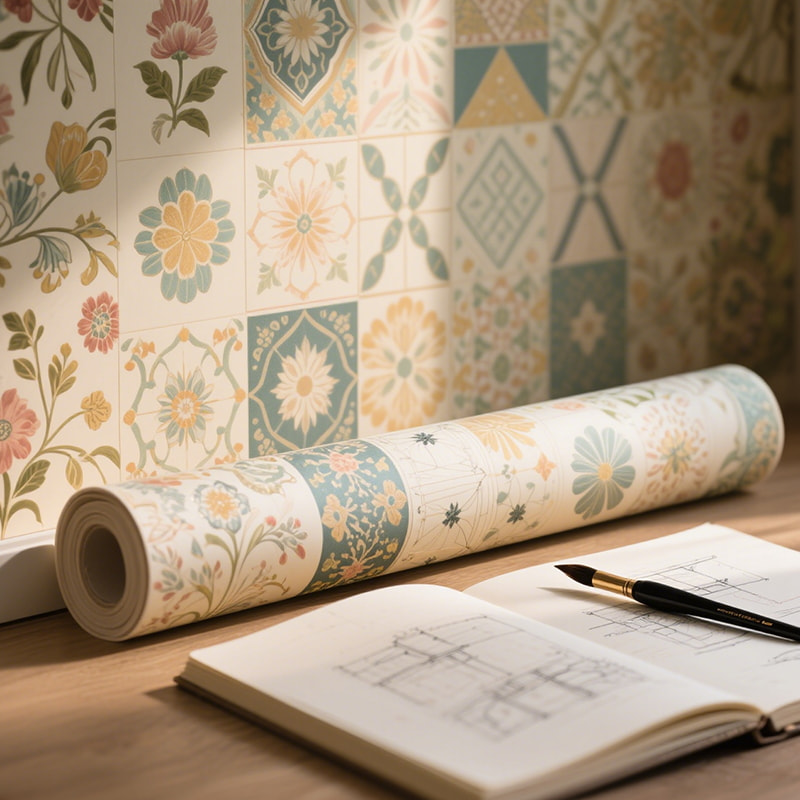
European markets prefer classical and naturalistic styles; traditional floral patterns, European motifs, and elegant color wallpapers are widely popular in homes and offices. The Nordic region emphasizes simplicity and nature, with geometric textures, monochrome tones, and soft natural colors becoming mainstream in wallpaper design. In these markets, wallpaper is not only used to decorate walls but also as an expression of a lifestyle and design philosophy.
The wallpaper styles in Asian markets are more diverse. Modern minimalist, Japanese Zen, and Chinese-style wallpapers each have their unique characteristics. Consumers tend to use wallpaper to create a specific living atmosphere, emphasizing spatial harmony and personalized expression. In terms of color usage, the Asian market prefers bright and layered color combinations, especially in children's rooms, living rooms, and bedrooms. Wallpaper not only serves a decorative function but also focuses on visual experience and psychological impact.
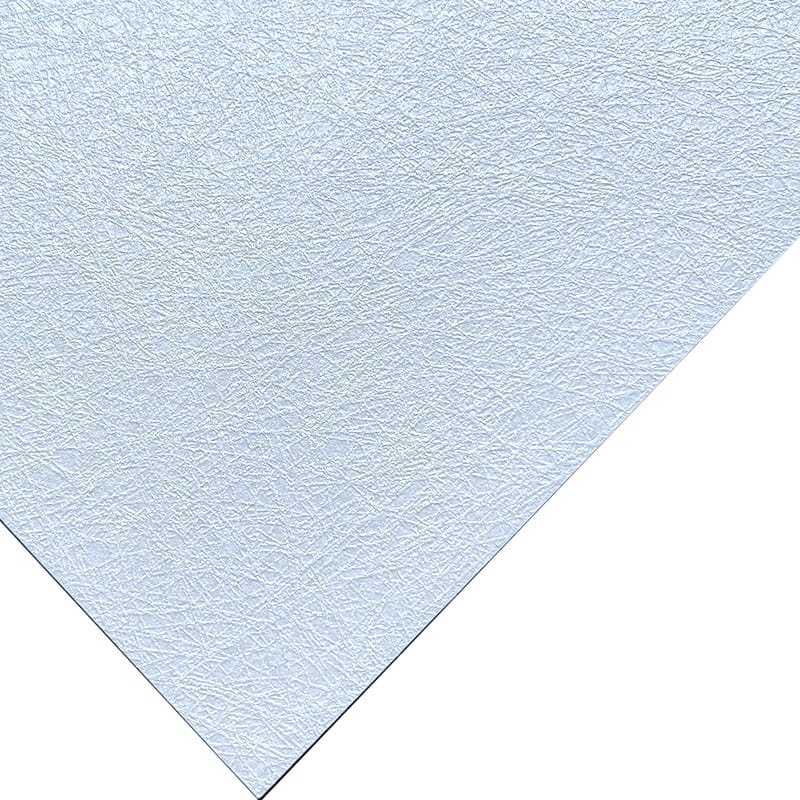
Wallpapers in the Middle East tend towards luxury and ornamentation, with metallic finishes, complex textures, and high-gloss effects often used to reflect the opulence of the space. The Latin American market emphasizes passion and vitality, with wallpapers featuring bright and vibrant colors, diverse patterns, and rich regional cultural characteristics to enhance the visual impact of the space.
Wallpaper is not just a decorative tool; its functionality is gradually becoming an important consideration for consumers. Different lifestyles in different regions directly influence the functional requirements of wallpaper. In humid or rainy areas, moisture resistance, mildew resistance, and ease of cleaning are important features of wallpaper, ensuring both the aesthetics of the wall and extending its lifespan. In areas with relatively dry climates or large temperature fluctuations, heat resistance, lightfastness, and fade resistance of wallpaper are given more attention, ensuring that it maintains its original color and texture after prolonged use.
Additional functions such as sound insulation, air purification, and comfortable touch are increasingly valued in the high-end market. In Europe, the United States, and some developed Asian markets, consumers are more willing to pay a premium for functional wallpaper, driving the market towards high-performance, multi-functional wallpapers.
Wallpaper color plays a crucial role in creating the spatial atmosphere and reflects the cultural and psychological characteristics of different regions. The Nordic market prefers light colors and soft tones to enhance the sense of light and spaciousness in the interior; while the South American market loves bright and saturated colors, conveying passion and vitality through color. The Asian market focuses on the layering and harmonious combination of colors, with wallpaper colors often forming an overall design language with furniture, lighting, and soft furnishings.
The choice of color not only satisfies aesthetic needs but also affects consumers' emotions and psychological feelings. The application of wallpaper in commercial and residential spaces is increasingly combined with psychology, using different color combinations and pattern designs to regulate the emotional atmosphere of the space.
With the evolution of home design concepts, wallpaper has gradually shifted from purely functional decoration to a means of personalized expression and lifestyle aesthetics. Design philosophies vary significantly across different regions. The European and American markets emphasize the integration of design and lifestyle, with wallpaper focusing on overall harmony in materials, colors, textures, and functions, reflecting the homeowner's taste and lifestyle. The Asian market, on the other hand, places greater emphasis on the integration of spatial cultural symbols and the homeowner's personal expression. Wallpaper design often considers feng shui principles, spatial layout, and emotional experience. Wallpaper design in the Middle East and Latin America emphasizes decorativeness and visual impact, with luxurious and intense design elements reflecting spatial identity and cultural symbolism.
The diversification of wallpaper design concepts has also driven the development of customization and high-end trends. When choosing wallpaper, consumers are no longer solely focused on price or trends, but rather on its compatibility with their personal lifestyle, spatial atmosphere, and cultural identity.
The wallpaper market demands and preferences in different countries and regions reflect differences in material selection, style patterns, functionality, color usage, and design concepts. These differences stem not only from cultural background and aesthetic habits but also from climate conditions, lifestyles, and environmental awareness. For wallpaper companies, a deep understanding of the needs of consumers in different regions, and designing and developing products based on these needs, will not only help improve market competitiveness but also enable differentiated positioning in the global market. In the future, the wallpaper market will continue to develop towards personalization, multi-functionality, and high quality, and accurately understanding the needs of different regions will be key to a company's success.


+86-21-68881570

info@mirowallcovering.com

A207 No.2 Building NO.555 Lansong PD Pudong District 200137, Shanghai China
© Shanghai MIRO Import and Export Co., Ltd. All Rights Reserved. Custom Eco-Friendly Sustainable Wallpaper Manufacturersprivacy
