


 中文简体
 English
 русский
 Español
 عربى
Home / News / Industry News / Textured Latex Coating Wallcovering vs. Traditional PVC Wallpaper: What's the Difference?
Industry News
Choosing between textured latex coating wallcovering and traditional PVC wallpaper can be confusing because both material families are used in similar interior projects. Yet the two products are structurally quite different, and that difference affects indoor air quality, surface feel, maintenance, installation and long-term performance. This guide compares them from a manufacturer perspective so you can select the right wallcovering for your project, your budget and your end users.
Content
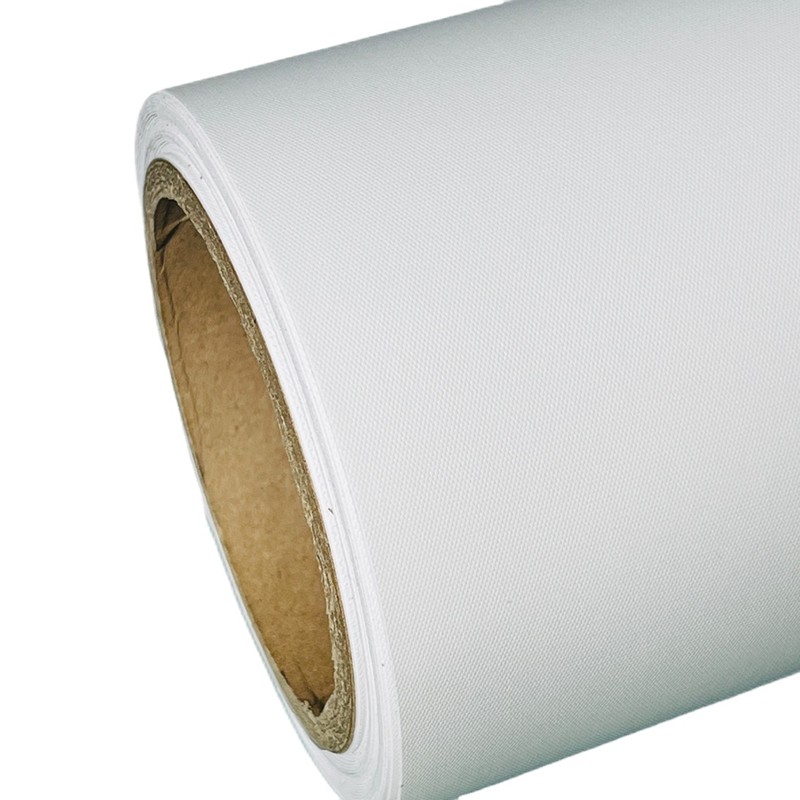
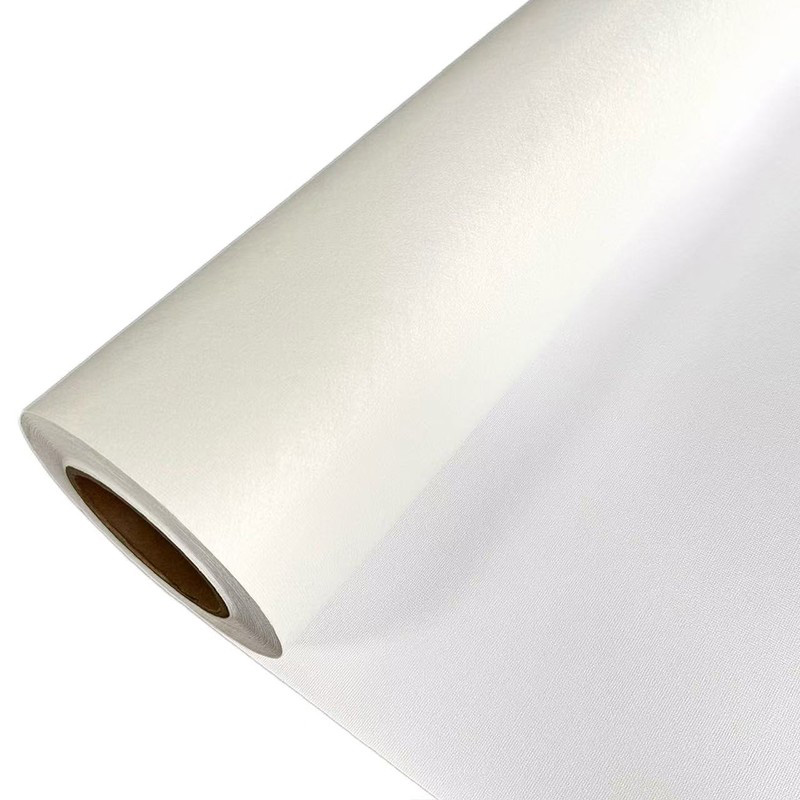
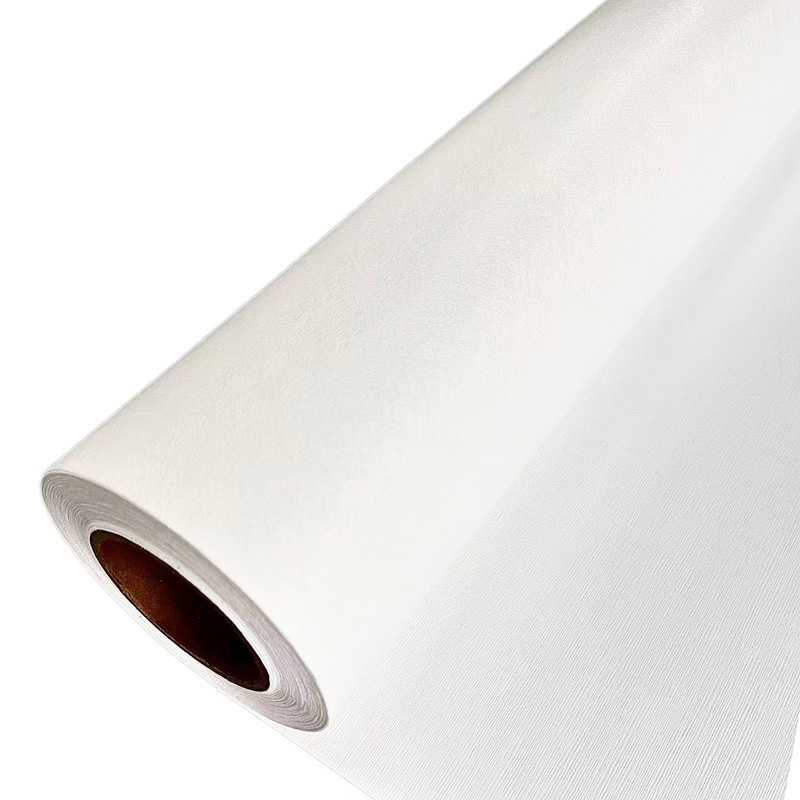
Textured latex coating wallcovering is a decorative wall material made by applying a water-based latex coating onto a non-woven fabric substrate. After the coating is applied, it is cured and finished with surface textures such as sand, linen, pearl, phantom or plain matte effects. Unlike PVC products, it does not rely on a vinyl or plastic top layer.
Because the face layer is latex-based, the material remains breathable and flexible. It also offers a naturally soft, slightly tactile surface that is popular in hotels, showrooms and residential interiors. At MIRO, this product type is available in pure color, colored, sandy, phantom and silky pearlescent series, along with a mold-resistant white series designed for humid interior environments.
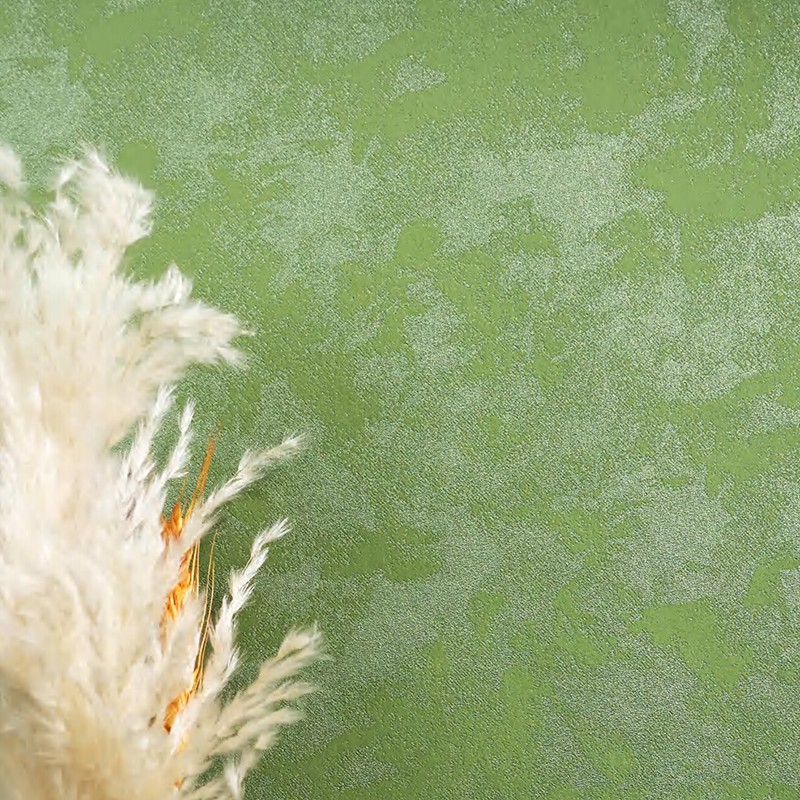
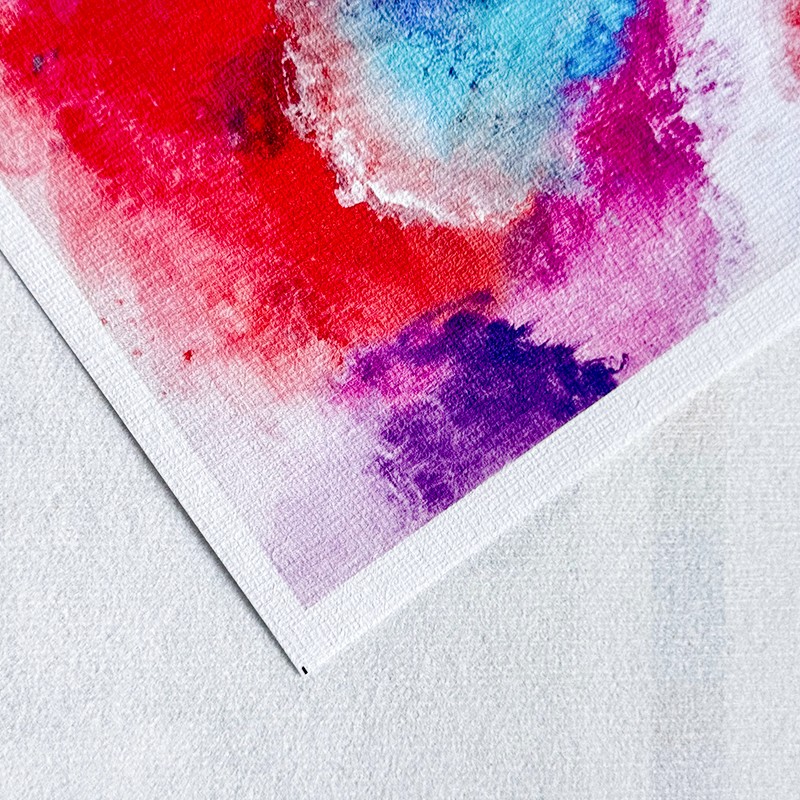
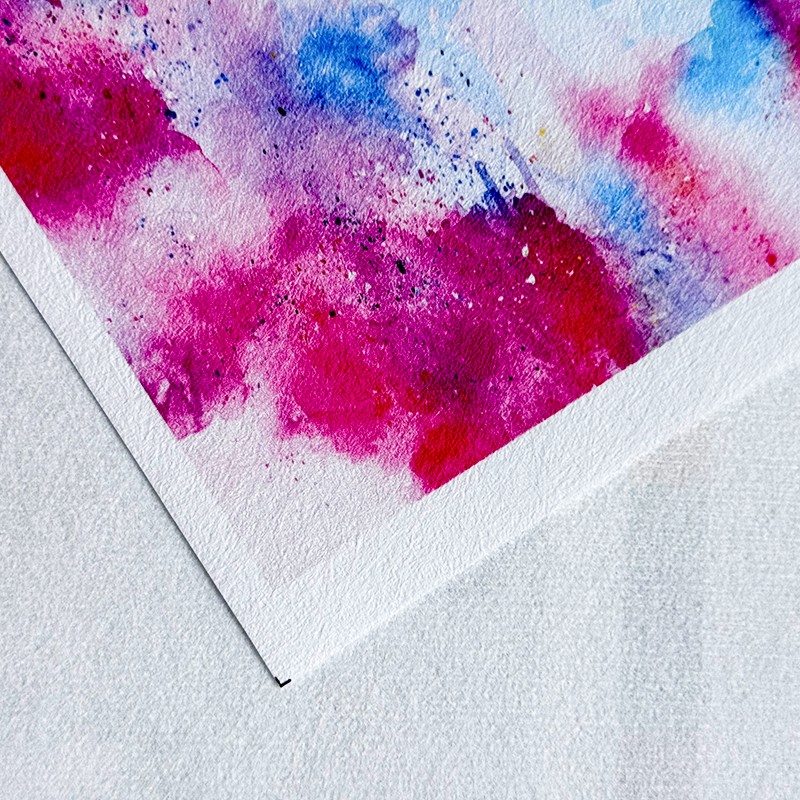
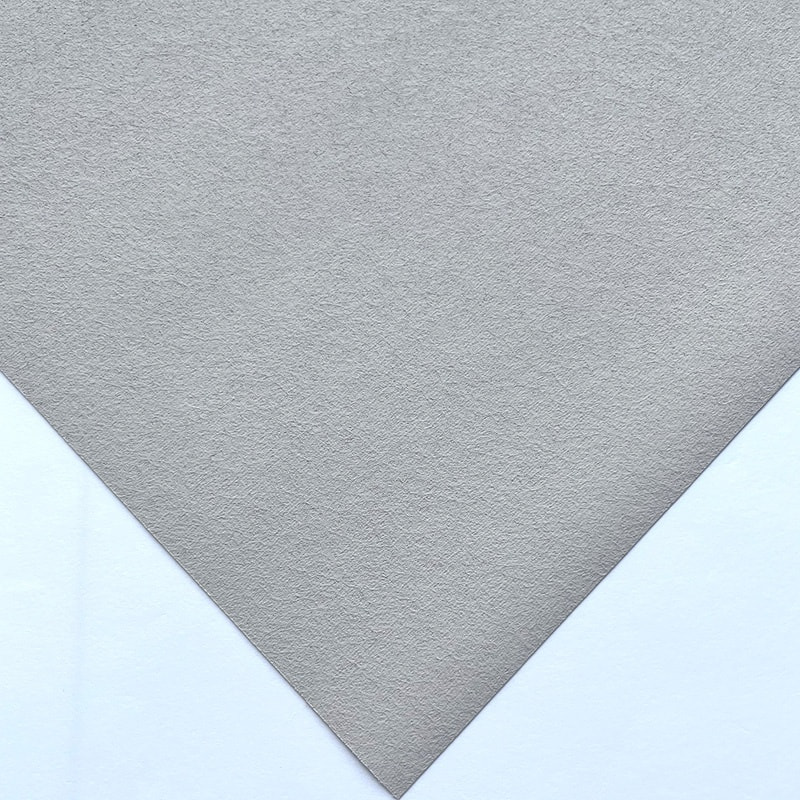 Colored Textured Latex Wallcovering for Artistic InteriorsThis European-inspired latex coating offers a breathable, mold-resistant alternative to hand-applied art paint. Its standardized installation reduces labor costs while providing durable, fade-resistant color for modern, industrial, or artistic spaces.View Product →
Traditional PVC wallpaper, also called vinyl wallpaper, uses a face layer made from polyvinyl chloride resin. This resin layer is usually printed or embossed over a backing material such as paper or non-woven fabric. The PVC layer gives the wallpaper waterproof properties, dimensional stability and strong resistance to daily wear.
However, a PVC face layer is less breathable than a latex coating. It also requires plasticizers to stay flexible, and those additives can affect the product’s VOC profile. That does not mean all PVC wallpaper is low quality; many certified products perform well. But in projects where indoor air quality is a priority, architects and facility managers often look for PVC-free alternatives.
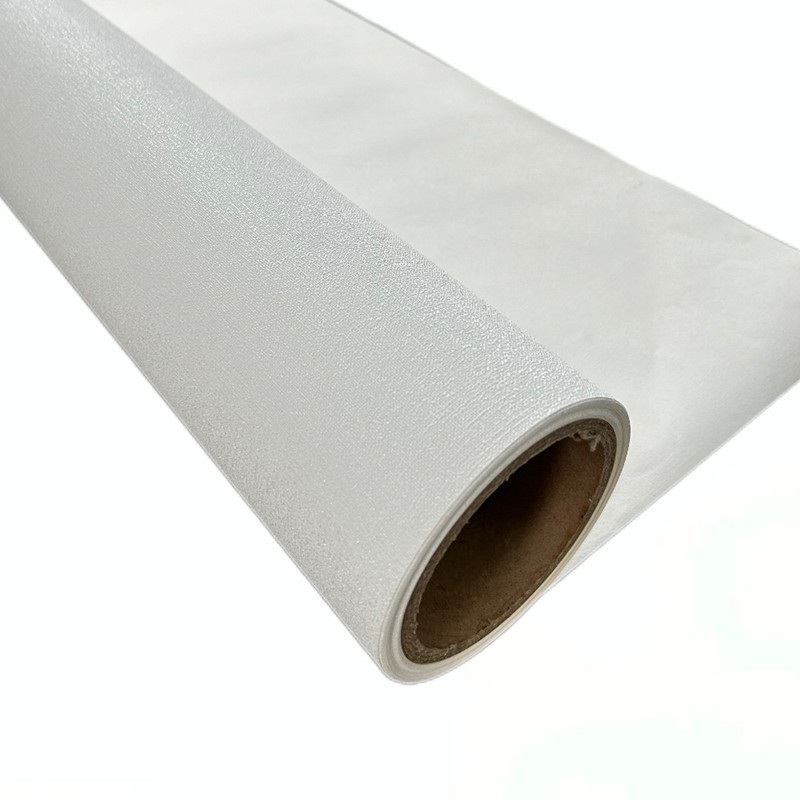
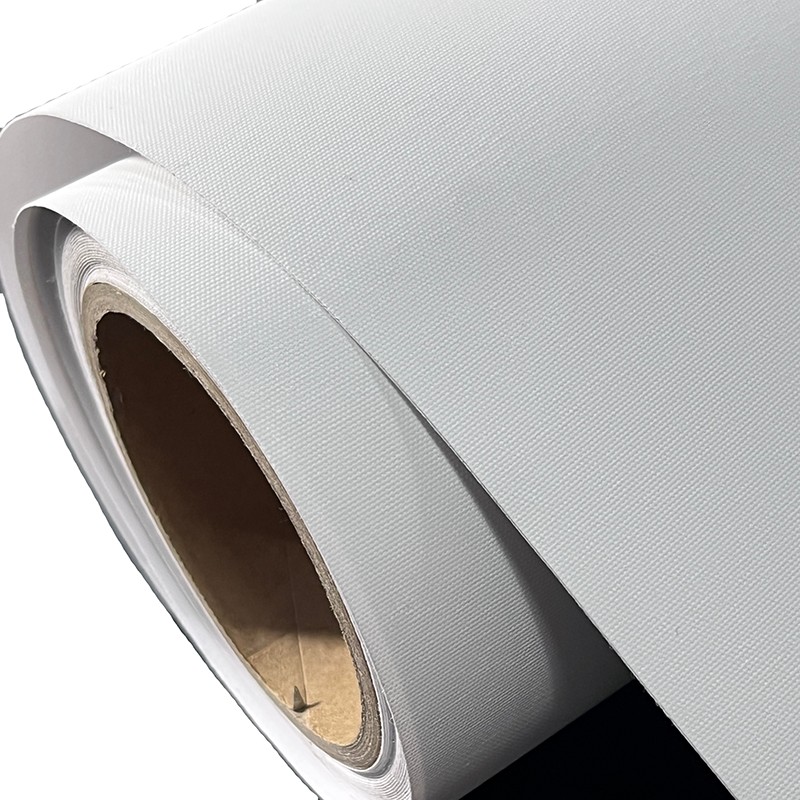
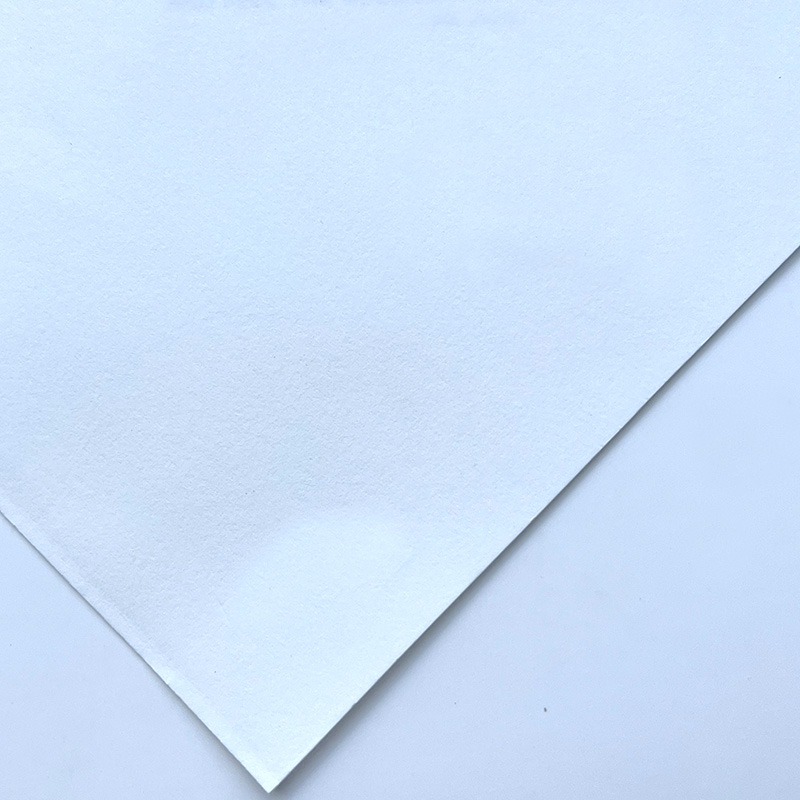 PVC Wallpaper with Non-woven Paper Base for Commercial UseCombining a non-woven substrate with a PVC face, this wallpaper resists tearing, shrinking, and moisture. Its matte finish and vivid prints suit large projects that need dimensional stability and low-maintenance wipe-clean surfaces.View Product →
| Aspect | Textured Latex Coating Wallcovering | Traditional PVC Wallpaper |
|---|---|---|
| Base material | Non-woven fabric | Paper or non-woven fabric |
| Face layer | Water-based latex coating | PVC resin with plasticizers |
| Breathability | Higher breathability | Lower breathability |
| Moisture resistance | Water-resistant and mold-resistant | Waterproof |
| Surface texture | Soft, tactile, non-plastic feel | Embossed but often plastic-like |
| Indoor air quality | Low odor, PVC-free option | May contain VOC and phthalates |
| Typical applications | Hotels, offices, homes, public buildings | Kitchens, bathrooms, high-traffic commercial areas |
The most fundamental difference between textured latex coating wallcovering and traditional PVC wallpaper is the composition of the visible surface layer.
A textured latex coating uses a polymer dispersion that is water-based. It does not need the same level of plasticizers as PVC, and it can be formulated to keep volatile organic compound emissions low. This makes latex-coated wallcovering a strong option for bedrooms, kindergartens, healthcare facilities and other spaces where occupants spend many hours indoors.
Traditional PVC wallpaper, by contrast, is made from a synthetic resin layer. Newly installed PVC wallpaper can release residual solvents and plasticizer-related compounds, especially in warm rooms. Some certified products minimize this risk, but PVC remains inherently less breathable. If your project requires low-VOC documentation or a PVC-free specification, textured latex coating is usually the cleaner answer.
Surface feel is where textured latex coating wallcovering has a clear aesthetic advantage. Because the coating can be formulated with different fillers and finishing processes, it can imitate sand, stone, linen, pearl or soft chalky surfaces. The result is a wallcovering that does not look or feel like plastic.
Traditional PVC wallpaper can also carry embossed textures, and it prints sharply. However, its surface often has a slightly shiny or rubbery character that some interior designers want to avoid. Latex-coated wallcoverings accept digital printing well, too, which means custom logos, patterns and artwork can be reproduced without sacrificing the natural texture.
For buyers who want a uniform, subtle wall surface with a premium touch, plain and pure color textured latex coating wallcoverings are especially popular. They give walls a decorator finish while still providing the durability expected from a commercial-grade product.
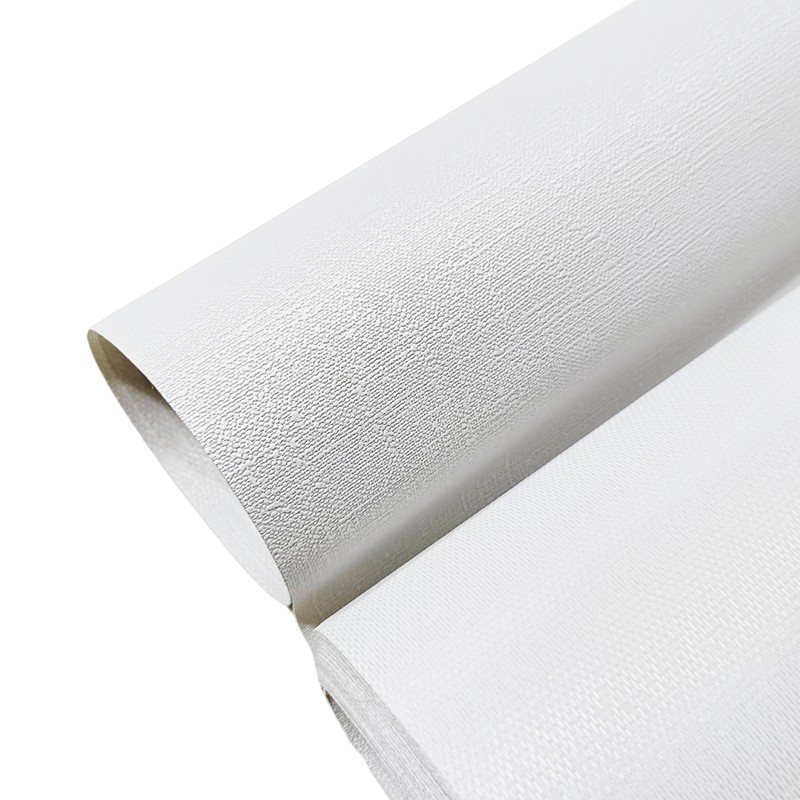
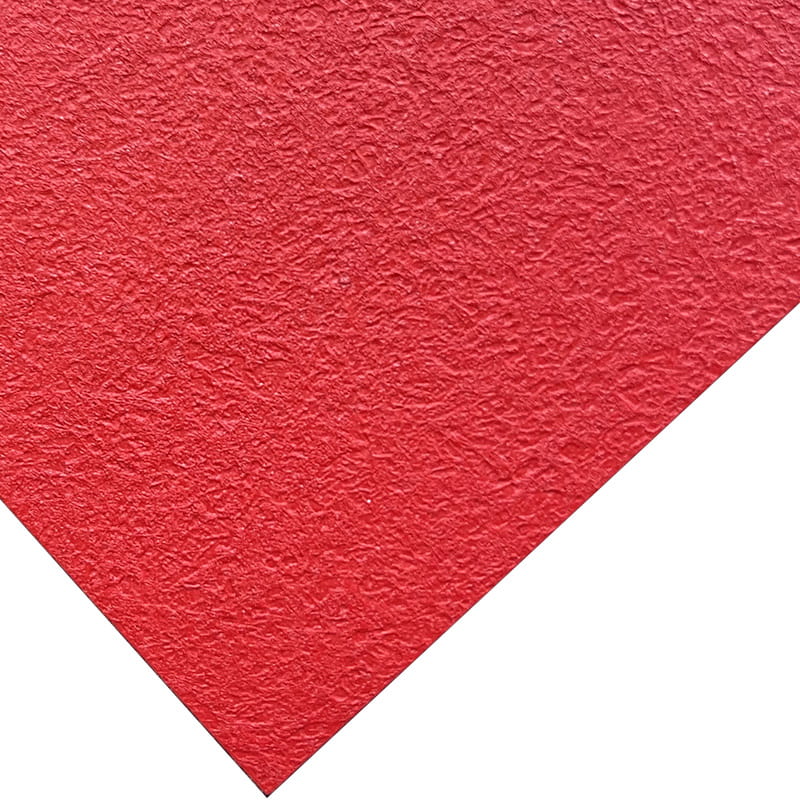 Pre-pasted Plain Color Textured Latex WallcoveringFeaturing a pre-applied adhesive, this plain colored wallcovering peels and sticks directly onto smooth walls, simplifying installation. Its subtle texture creates soft light shadows, offering a premium finish for decorative interiors.View Product →
Latex-coated wallcovering with a non-woven backing offers a forgiving installation process. The installer can apply adhesive to the wall and hang the wallcovering directly, which reduces soaking time and makes alignment easier. When the wallcovering is later removed, it can often be stripped in large dry pieces.
Traditional PVC wallpaper is usually heavier and less porous. The adhesive must be absorbed by both the backing and the PVC layer, so installation may take longer. Removal can also be labor-intensive because the PVC layer can split or leave backing residue on the wall.
PVC wallpaper is known for being easy to wipe with mild soap and water, which is why it has long been used in wet areas. Textured latex coating wallcovering is also cleanable, but it should be treated with a soft cloth and mild detergent. Because latex-coated surfaces are more textured, abrasive brushes should be avoided to protect the finish.
In terms of durability, both products can survive years of normal use. PVC wallpaper excels in splash-prone spaces. Textured latex coating wallcovering performs well in areas where slight moisture, cleaning and daily contact are expected, while still allowing the wall to breathe.
Your project type is the quickest guide to choosing between these two materials.
When sourcing wallcovering for a commercial bid, certification documents are often as important as the surface itself. MIRO states that all of its products are designed to meet international standards, including ASTM Class A fire performance, CE, RoHS and SVHC compliance. The company also uses formaldehyde-free adhesives and environmentally responsible non-woven base materials.
The certification story supports the larger difference between latex coating and PVC wallpaper. Latex coating products can more easily align with green building rating systems because they avoid PVC and minimize plasticizer-related concerns. Still, not all PVC wallpaper is unacceptable; the key is to verify the product’s exact fire rating, emission test results and chemical compliance before specifying it.
Traditional PVC wallpaper is often less expensive on a per-square-meter base, especially in large volumes. It is widely manufactured, fast to produce and available in many standard patterns. For projects where budget is the main driver and moisture resistance is essential, PVC wallpaper remains a practical choice.
Textured latex coating wallcovering is usually positioned as a value-added product. Its raw materials, coating process and surface finishing are more sophisticated, which can raise the unit price. However, the total cost should include installation time, potential indoor air quality problems, maintenance habits and the expected service life. In hotel and office projects, the visual and health benefits of a latex coating can outweigh the initial price gap.
There is no universal winner. The right choice depends on the building type, the occupants and the performance priorities.
Textured latex coating wallcovering is water-resistant and can handle normal cleaning, but it is not designed for long-term exposure to standing water. In wet areas such as shower rooms, a PVC-based wallcovering or another waterproof wall finish is more appropriate.
Yes, if the product has appropriate emission certifications and the room is well ventilated. However, occupants who are sensitive to synthetic smells or who prefer a more natural material may be more comfortable with textured latex coating wallcovering.
Yes. MIRO offers customizable printing services on coated non-woven wallcovering and on PVC-based substrates. For projects that need sharp, full-color graphics, both product families can be adapted. The final look and texture will differ because the face materials are different.
Textured latex coating wallcovering and traditional PVC wallpaper both have an established place in the wall finish market. PVC wallpaper wins on pure waterproofness and low upfront cost. Textured latex coating wallcovering wins on breathability, surface quality and environmental profile.
For hotels, offices, art spaces, residential projects and other interiors where people want a healthy and visually comfortable environment, textured latex coating wallcovering is the more future-ready specification. For utility areas, bathrooms and high-abuse commercial rooms, PVC wallpaper remains a sensible fallback. Review the project requirements, check product certifications and test physical samples before making the final call.


+86-21-68881570

info@mirowallcovering.com

A207 No.2 Building NO.555 Lansong PD Pudong District 200137, Shanghai China
© Shanghai MIRO Import and Export Co., Ltd. All Rights Reserved. Custom Eco-Friendly Sustainable Wallpaper Manufacturersprivacy
