


 中文简体
 English
 русский
 Español
 عربى
Home / News / Industry News / Ink Absorption Rates & Color Gamut on Coated Non-Woven Printable Wall Materials
Industry News
Coated non-woven printable wall materials are increasingly specified for interior signage, retail environments, hospitality spaces and residential décor because they combine the dimensional stability of a non-woven fabric with a receptive coating formulated for inkjet printing. One of the most overlooked factors in achieving accurate, vivid output is the ink absorption rate: the speed with which the wallcovering accepts liquid ink after the printhead lays it down. Absorption behavior determines dot gain, ink holdout, drying performance and, ultimately, the color gamut a printed surface can express. This guide explains how ink absorption rates affect color gamut on coated non-woven printable wall materials and how print professionals can evaluate and select substrates that produce consistent, wide-gamut results.
Content
Ink absorption rate describes how quickly liquid ink is drawn into the substrate after deposition. On an uncoated non-woven fabric, fibers wick water and solvent rapidly through the thickness of the material, carrying colorants away from the print surface. A coated non-woven wallcovering solves this problem by applying a mineral-polymer coating layer that regulates porosity, surface energy and capillary behavior. Three properties set the absorption behavior of a printable wallcovering:
Together these variables decide how much of the deposited ink remains on the print surface and how far each dot spreads before it is fixed. That lateral spread, known as dot gain, is the closest link between absorption rate and color gamut.
The color gamut of a printing system is the range of colors a substrate can reproduce, often described as a volume in the Lab color space. Ink absorption shifts this volume in measurable ways because it controls how much colorant stays at the surface and how precisely dots are formed.
Ink that penetrates into the non-woven base leaves too little pigment at the surface, so apparent density drops. Dots spread laterally, edges become feathered, and adjacent colors bleed into one another. In printed images, shadows turn muddy, saturated mid-tones lose chroma, and the gamut contracts, most visibly toward the deep red and blue-violet regions that depend on high ink density.
If the coating holds ink on the surface too long, droplets coalesce into pools before entering the media. Drying time increases, printed rolls may stick together, and puddling produces mottled gloss and irregular density. On solid fills, uneven ink distribution creates banding and limits maximum density, again reducing the useful gamut.
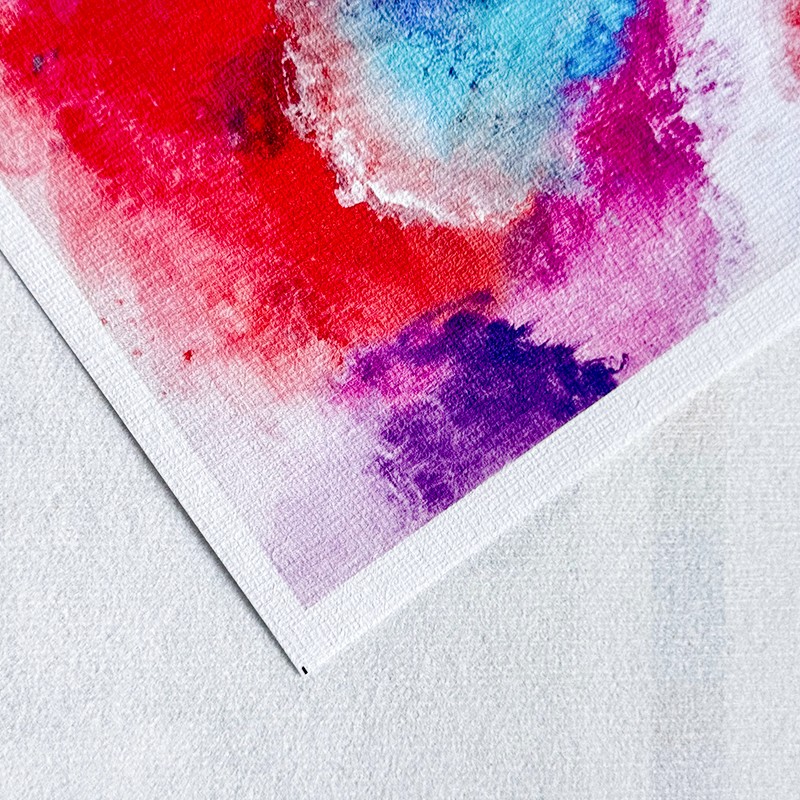
A well-balanced coating accepts ink quickly enough to prevent coalescence but holds colorants near the surface through capillary forces. Dots keep round, crisp shapes with predictable dot gain. Under these conditions the ink layer reaches its maximum optical density, producing deeper blacks, cleaner primaries and smoother gradients. Print providers experience this as a wider gamut, better skin-tone reproduction and stable color from roll to roll.
The color gamut of a printed wallcovering is bounded by the coating's ability to keep colorants at the surface while preventing ink from spreading beyond the intended dot.
For print buyers and production teams, understanding the variables that drive absorption is useful when comparing suppliers. Two coated non-woven products can look nearly identical yet print very differently because of these factors:
In practical terms, the target is a coating with a pore structure that yields quick, even ink acceptance without strike-through. Established manufacturers such as MIRO control these variables through coating paste recipes, coating line speed and calendar settings, which is why media from experienced producers is usually more reproducible batch to batch than commodity alternatives.
| Print Characteristic | Low Absorption | Balanced Absorption | High Absorption |
|---|---|---|---|
| Ink drying | Slow; set-off risk | Steady and predictable | Very fast |
| Dot edge quality | Coalescence, ragged edges | Crisp, round dots | Feathering, soft edges |
| Optical density | Low, uneven Dmax | High and even | Lower; colorant migration |
| Color gamut | Compressed mid-tones | Widest usable volume | Compressed, muddy shadows |
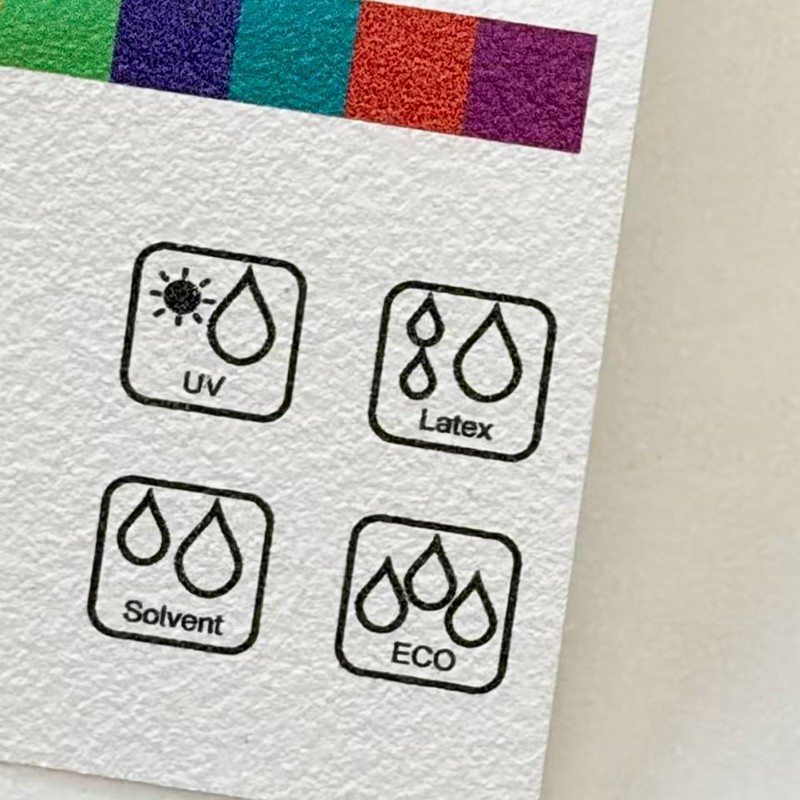
The practical implication is simple: absorption must match the ink set. For latex and eco-solvent inks, a microporous coating with moderate surface energy tends to deliver the widest color gamut on coated non-woven wall materials.
Visual inspection of a printed panel is useful, but quick tests provide objective evidence of whether a coated non-woven wallcovering offers the balanced absorption needed for a wide gamut.
When possible, request absorption-related specifications from the supplier and run a test print on your own equipment before committing to a large order. For a broader comparison between coated non-woven media, PVC wallcoverings and textile substrates, see our guide to printable wallcovering substrates.
Once absorption is treated as a specification rather than a mystery, substrate selection becomes a matter of matching coating technology to your print process and application. Look for a coating that seals the non-woven fibers without sealing the surface completely: it should accept ink readily while holding pigments near the top of the layer.
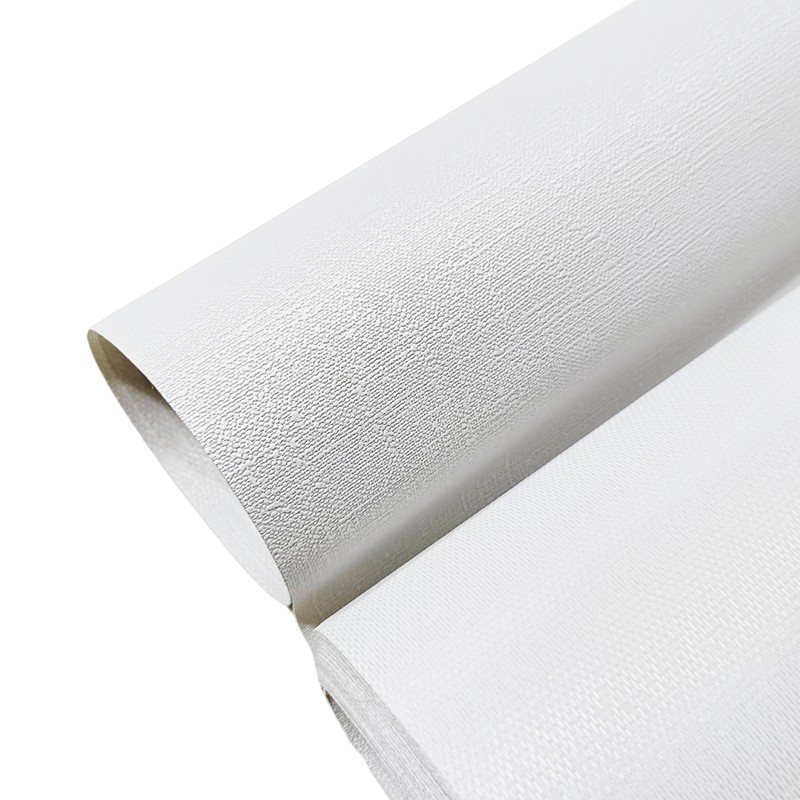
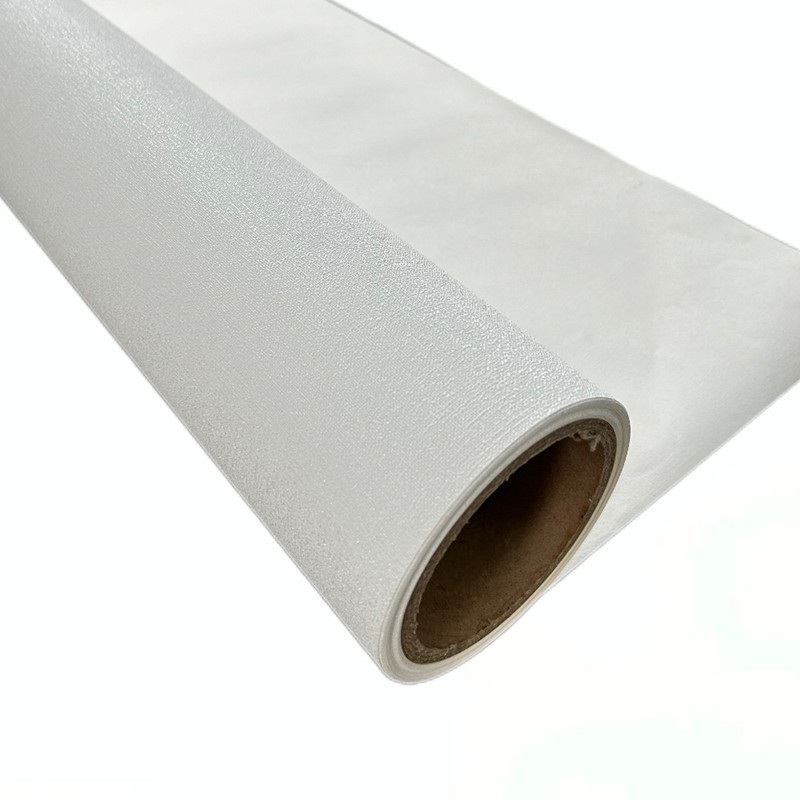
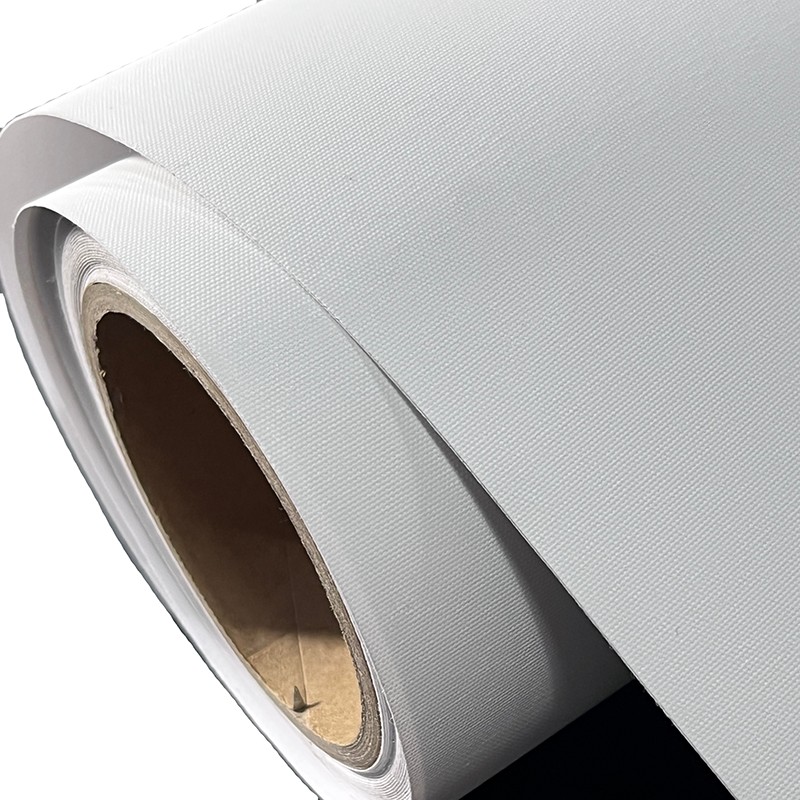
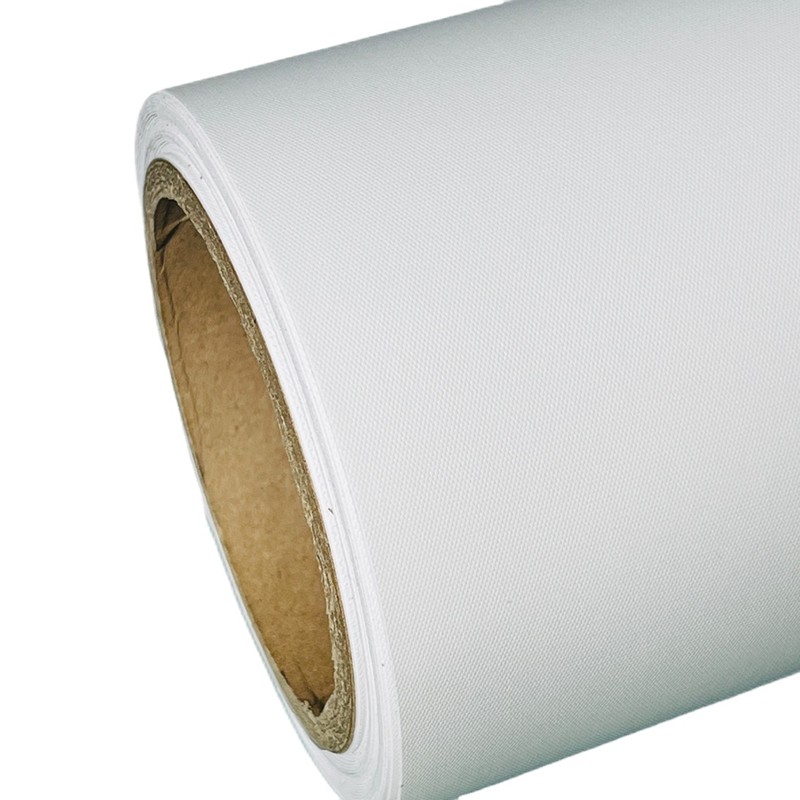
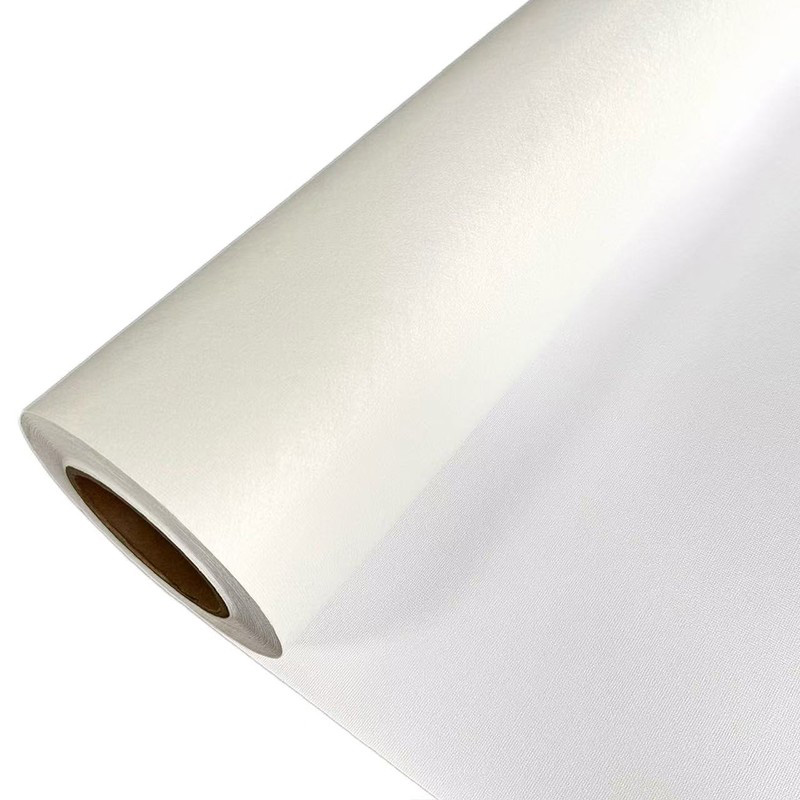
MIRO, a Shanghai-based wallcovering manufacturer with in-house coating and finishing lines, produces coated non-woven printable wall materials designed for wide-format inkjet printing. The coated non-woven wallcovering range combines a stabilized non-woven base with a digitally receptive coating engineered to control absorbency and support saturated color.
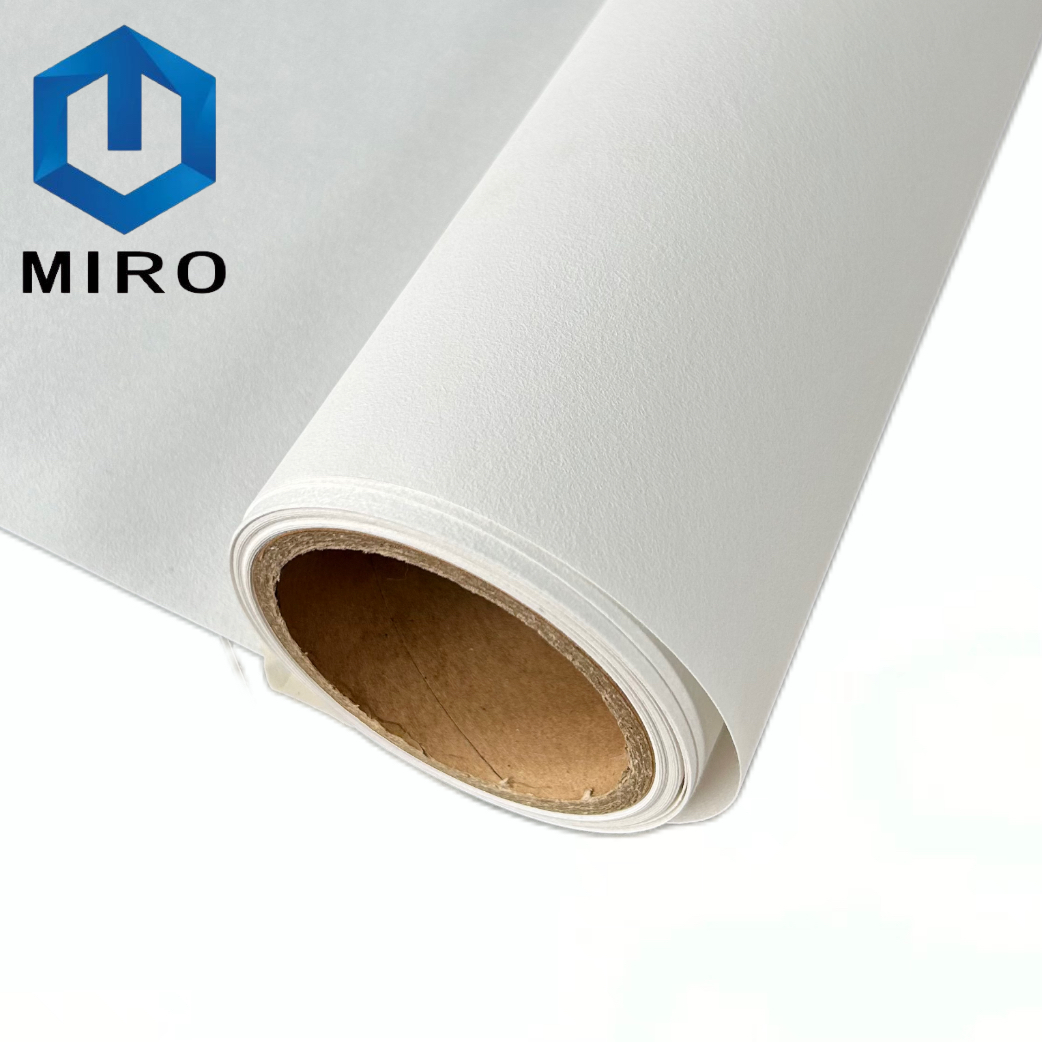 MIRO Coated Non-woven Wallcovering Product RangeExplore MIRO's stabilized non-woven base with a digitally receptive coating, engineered to control absorbency for saturated color output across multiple series.View Product →
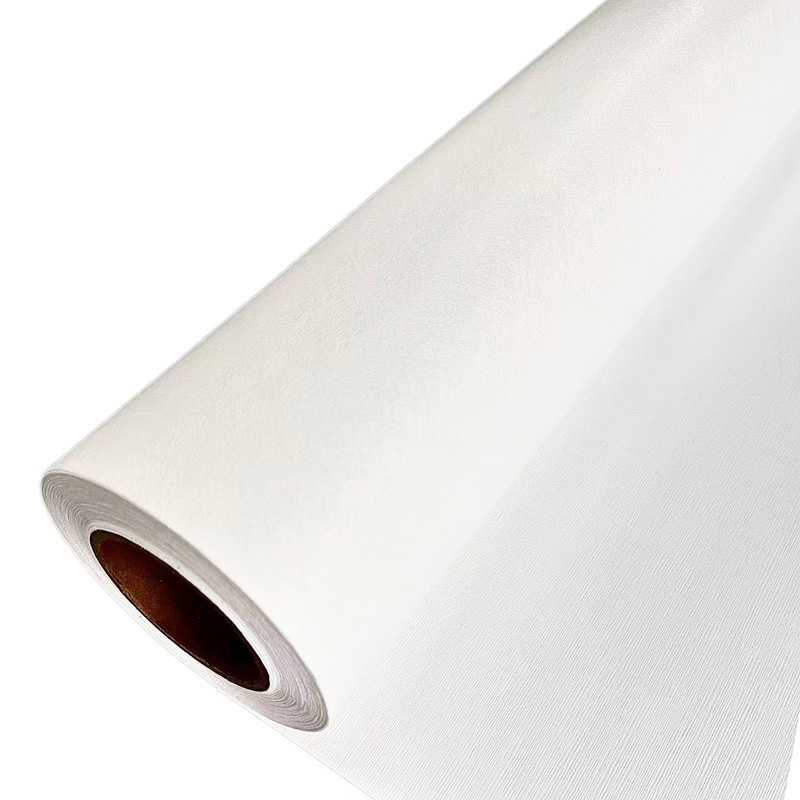
The MAP series offers a coated non-woven surface suited to everyday interior printing, balancing absorption speed and color density for latex and eco-solvent systems.
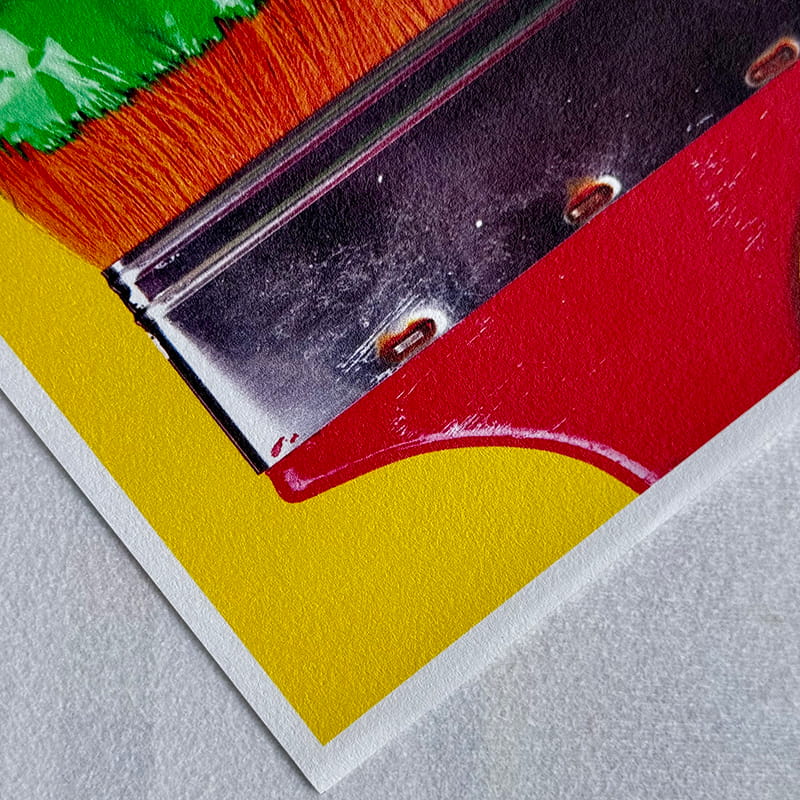 M-AP Series Printable WallcoveringThis coated non-woven series balances absorption speed and color density, suited for everyday interior printing with latex and eco-solvent systems.View Product →
Where a different base profile is preferred, the MNF series provides an alternative coated non-woven construction, giving print providers flexibility to tune cost and hand-feel project by project.
M-NF Series Alternative Coated WallcoveringOffers a different base profile for print providers, allowing flexibility to adjust cost and hand-feel while maintaining digital print compatibility.View Product →
For brands developing a private-label wallcovering program, working directly with a wallcovering manufacturer such as MIRO provides early insight into how a coating formulation will behave at print speed, plus access to custom requirements such as prepaste backings, fire performance and specified roll widths.
There is no universal number, because the right absorption depends on the ink set and ink load. As a practical target for latex and eco-solvent inks, the coating should accept ink fast enough to prevent pooling in solid areas, while dot spreading should stop quickly enough to keep colorants near the surface. A droplet that soaks in steadily over a few seconds, with visible colorant remaining on top, is a reasonable starting point.
Dull output usually means colorants are penetrating below the layer where the eye perceives them, or the color profile is limiting ink unnecessarily. Check whether the coating fully covers the fibers, run a step wedge at several ink limits and measure maximum density. If Dmax is low, the coating is absorbing too aggressively for that ink set.
A custom profile improves accuracy within the physical gamut the substrate can hold, but it cannot create gamut that the media cannot reproduce. If the material absorbs ink unevenly, no profile will produce clean saturated shadows. Correct the media first, then profile.
Absorption also affects physical performance. Rapid penetration exposes more colorant to humidity, light and cleaning agents; very slow absorption can leave a soft film that scuffs or blocks in a roll. Balanced absorption improves both color gamut and the practical fastness of the printed wallcovering.
Ink absorption is the silent partner in every wide-format print project on wallcovering media. On coated non-woven printable wall materials, absorption controls dot geometry, ink density, drying reliability and ultimately the gamut a printed image can reach. By specifying a substrate with predictable porosity and surface energy, verifying its behavior before production, and working with a manufacturer that understands coating chemistry, print providers can deliver the saturated, crisp imagery that modern interior and commercial wallcovering projects demand.


+86-21-68881570

info@mirowallcovering.com

A207 No.2 Building NO.555 Lansong PD Pudong District 200137, Shanghai China
© Shanghai MIRO Import and Export Co., Ltd. All Rights Reserved. Custom Eco-Friendly Sustainable Wallpaper Manufacturersprivacy
