


 中文简体
 English
 русский
 Español
 عربى
Home / News / Industry News / White Textured Latex Coating Wallcovering for Light Reflection in Public Buildings
Industry News
Facility managers and architects know that lighting is one of the largest operating costs in a public building. But the walls themselves can change the equation. White textured latex coating wallcovering reflects a high percentage of incoming light and redistributes it evenly, turning a passive surface into an active part of the lighting strategy.
This article explains how this material works optically, why it outperforms smooth or dark finishes in shared spaces, and where to specify it for the strongest results in public building environments.
Content
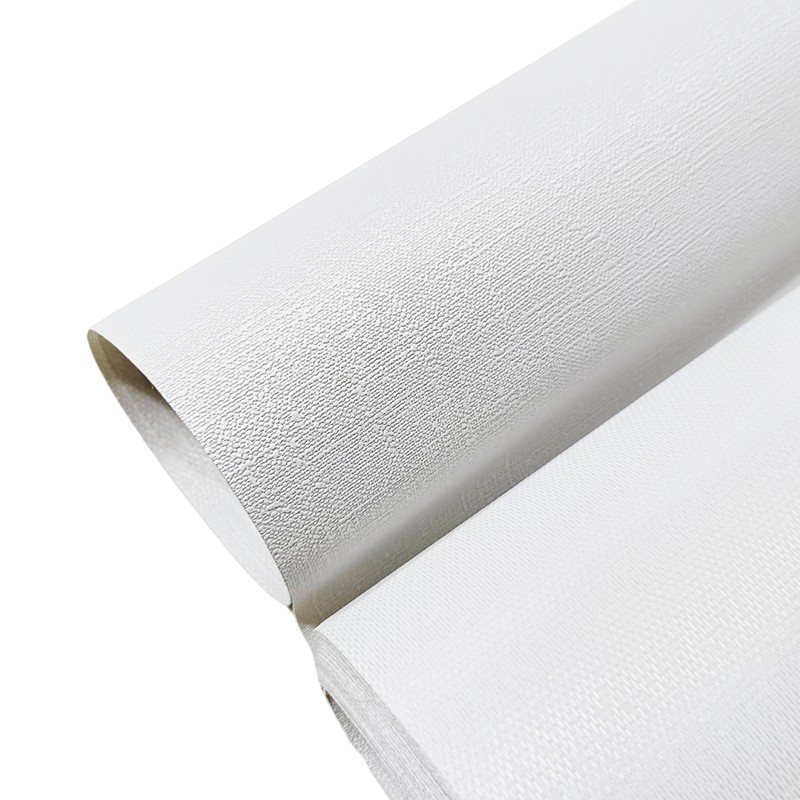
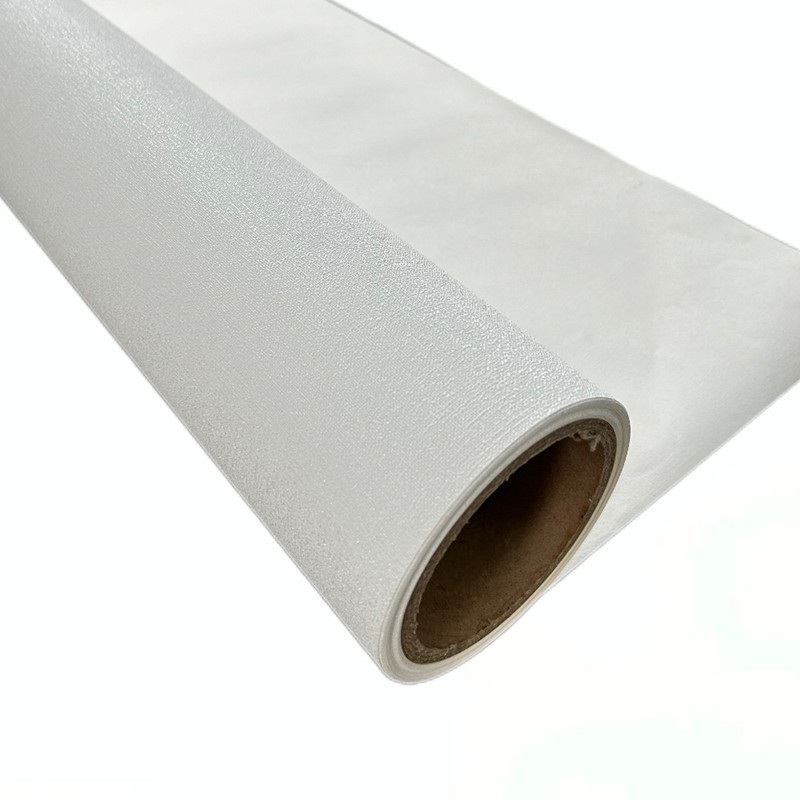
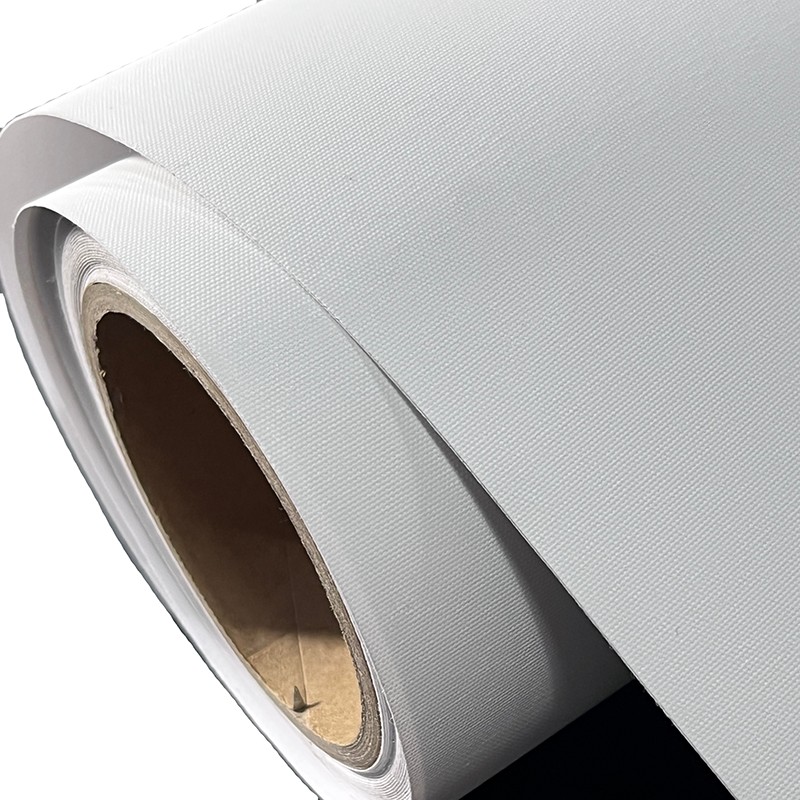
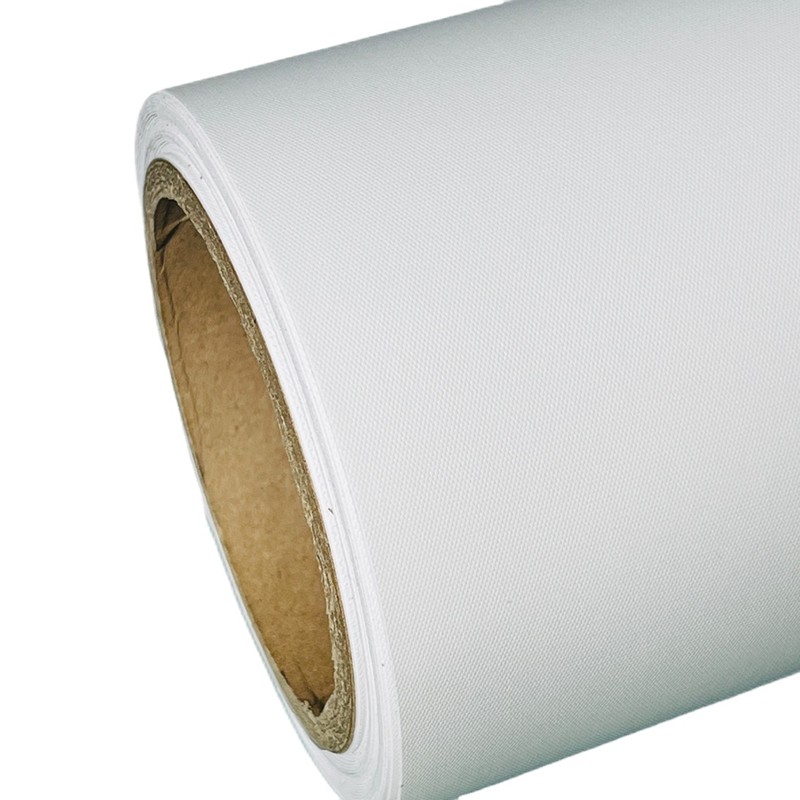
White textured latex coating wallcovering is a wall finish built on a non-woven fabric substrate with a latex-based coating applied and embossed to create a fine surface relief. The result is a material that combines the dimensional stability of non-woven backing with the smooth, wipeable performance of a latex film.
The white finish is achieved with high-quality pigments such as titanium dioxide, which give the surface strong brightness and opacity. The texture is not merely decorative: it changes how the surface behaves under light. Instead of one smooth reflective plane, the wall becomes a field of tiny angles that scatter illumination in multiple directions.
Within the textured latex coating wallcovering series, white is the most practical choice for public buildings because it offers the highest reflectance while maintaining the matte, glare-controlled appearance that textured surfaces provide.
For areas with moisture exposure, mold-resistant white textured latex coating wallcovering adds a protective formulation that prevents fungal growth while retaining the same reflective brightness.
 Mold-Resistant White Textured Latex WallcoveringThis wallcovering pairs mold-resistant protection with a textured white surface that produces diffuse reflection, making it a fitting choice for moisture-prone areas discussed nearby.View Product →
Light reflection happens at the surface. A smooth glossy wall behaves like a mirror: it sends light back in a single predictable direction, creates bright spots, and leaves surrounding areas in shadow. A textured white surface behaves differently. Its microstructure breaks incoming light into many low-intensity rays that leave the wall at different angles, producing diffuse reflection.
Diffuse reflection is exactly what a public building needs. It softens the contrast between bright windows and shaded corners, spreads daylight deeper into the plan, and makes artificial light feel more uniform without adding fixtures.
A bright white, lightly textured wall can reflect roughly 80 to 90 percent of the visible light that reaches it, while a medium gray wall absorbs a large share and may reflect only 20 to 30 percent.
| Surface Type | Reflection Behavior | Glare Risk | Light Uniformity |
|---|---|---|---|
| Smooth glossy white | Specular and directional | High | Low |
| White textured latex coating | Diffuse and balanced | Low | High |
| Light gray matte | Diffuse but darker | Low | Medium |
| Dark-colored wall | Mostly absorbed | None | Low |
The embossed relief also adds microscopic depth. Light that strikes raised areas and recesses is reflected at slightly different angles, which is why textured surfaces appear bright even under a single ceiling luminaire. This characteristic makes corridors and deep rooms feel more open and reduces the need for supplementary wall-mounted lighting.
When white textured latex coating wallcovering is specified in volume, the optical advantages translate into measurable benefits for operators and occupants.
For projects that need a seamless, uniform white field across large wall expanses, plain color textured latex coating wallcovering provides a clean and consistent finish.
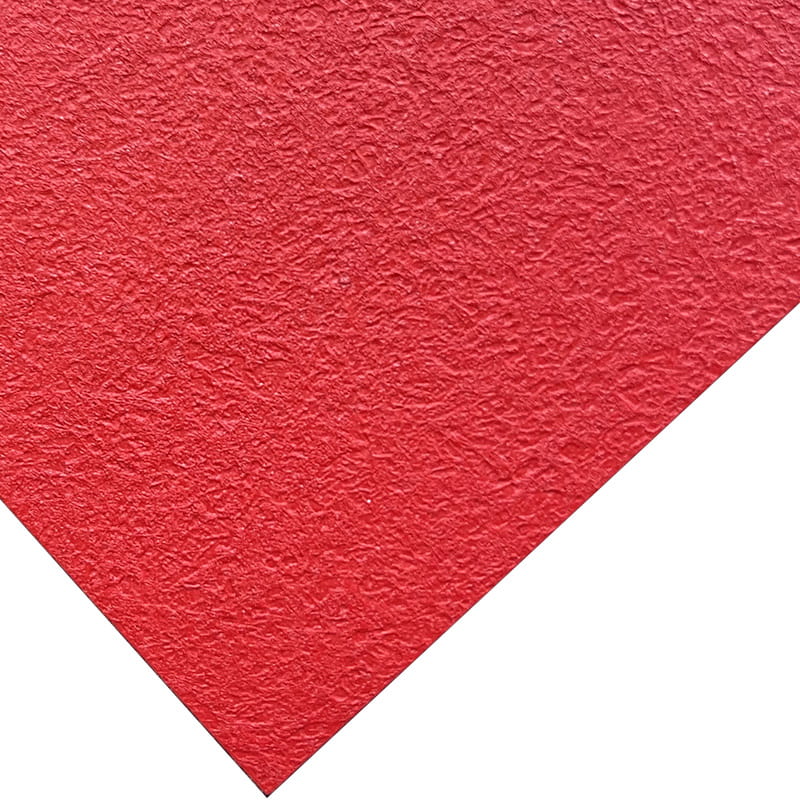 Peel-and-Stick Plain Textured Latex WallcoveringOffering a seamless white field with customizable colors and pre-applied adhesive, this wallcovering suits high-traffic zones where uniform, low-glare surfaces are needed.View Product →
The material earns its place wherever lighting conditions fluctuate or foot traffic is high. Typical zones include entrance lobbies, corridors, atriums, classrooms, healthcare waiting areas, stairwells, and auditoriums.
| Application Zone | Lighting Challenge | Contribution of White Textured Wallcovering |
|---|---|---|
| Entrance lobby | Mixed daylight and artificial light | Bright transition zone, fewer shadows |
| Corridor and atrium | Long spans, widely spaced luminaires | Extends light along the plane of the wall |
| Stairwell and elevator hall | Safety-critical, uneven light | Improves edge visibility and surface brightness |
| Classroom and training room | Sustained visual tasks | Reduces contrast and reflected glare |
| Healthcare corridor | Calm, hygienic environment | Mold-resistant white finish, washable surface |
In all of these settings, the wall surface contributes directly to the reflectance values used in lighting design calculations. Because white textured latex wallcovering delivers a stable, high reflectance, designers can plan illuminance with more confidence than they can with painted walls, where gloss level and color consistency vary. When planning public building interior projects, specifiers can use this material to support both lighting performance and long-term durability.
Where auditorium walls must reflect light softly without distracting highlights, sandy textured latex coating wallcovering offers a fine mineral-like relief that performs well under directional stage and accent lighting.
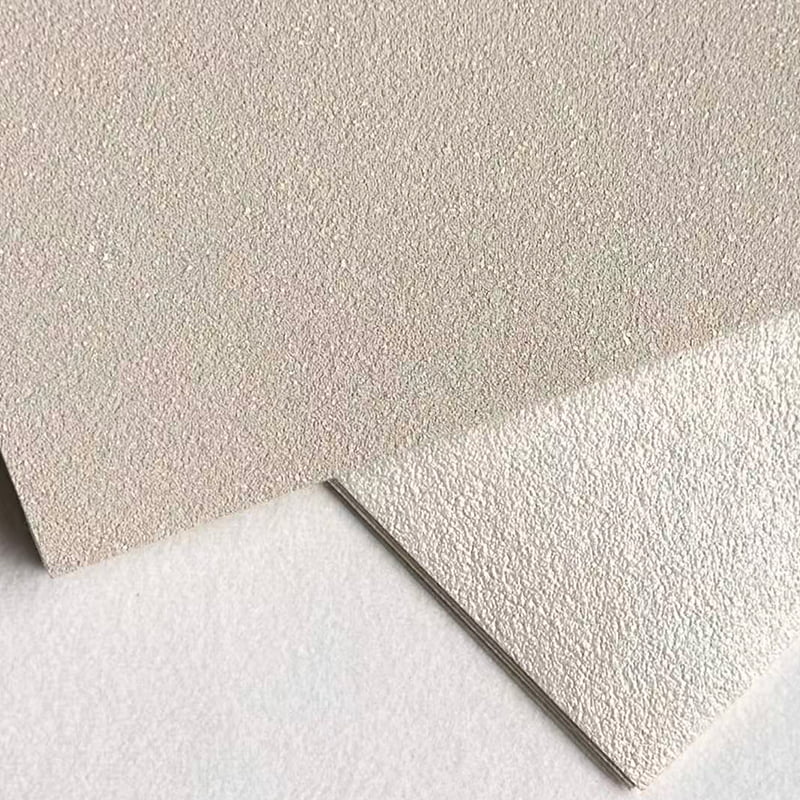 Quartz Sand-Infused Sandy Textured WallcoveringWith a mineral-like rough texture and durable latex coating, this sandy wallcovering softens directional light and withstands public-space wear, ideal for auditorium walls.View Product →
Beyond optics, white textured latex coating wallcovering must survive the routine abuse of public spaces. The latex coating forms a tough, flexible film that resists scuffing, washing, and impact, while the non-woven base keeps seams stable and prevents tearing during installation.
Maintenance is straightforward. Periodic dusting and spot cleaning with a damp cloth keep the reflective surface in service. Because the color and texture are factory-controlled, there is no need to recoat or repaint, which reduces disruption and material consumption over the life of the building.
Environmental requirements are also relevant in public procurement. Quality wallcoverings in this category are formulated with low-emission adhesives and meet recognized standards such as ASTM Class A fire resistance, CE, RoHS, and SVHC compliance. A longer service life combined with clean production supports sustainable building certification goals.
When sourcing, verify that the manufacturer can guarantee color consistency, uniform texture depth, and stable reflectance from batch to batch. A producer with large-scale coating lines and strict quality control will supply the predictable performance that public projects depend on.
Yes. The white surface reflects most of the visible light that reaches it, and the embossed texture converts direct reflections into diffuse light. In practice, this raises the overall luminance of a space and reduces the number of artificial light sources required to reach a target illuminance.
No. The latex coating forms a continuous, wipeable skin. The embossed pattern is shallow enough that dust and marks can be removed with a damp cloth or a mild detergent, and the surface does not require repainting after cleaning.
In moisture-prone areas such as basement corridors, washrooms, or entrance vestibules, a mold-resistant white textured latex coating wallcovering should be selected. Proper ventilation and correct adhesive application are also necessary to protect long-term performance.
A well-formulated white wallcovering achieves reflectance values comparable to good white paint, while adding a controlled texture that paint cannot provide. Unlike painted walls, it resists cracking, hides substrate movement, and can be removed cleanly at the end of its service life without extensive surface preparation.
Maximizing light reflection in public buildings does not require complex technology. White textured latex coating wallcovering combines the high reflectance of a bright white finish with the glare-suppressing behavior of a structured surface, giving facility owners a simple, durable, and cost-effective way to improve lighting quality.
By converting most incident light into useful diffuse illumination, this wall covering supports energy efficiency and comfortable visual environments. For architects, interior designers, and procurement teams, specifying white textured latex wallcovering is one of the most reliable decisions in public building interiors.




+86-21-68881570

info@mirowallcovering.com

A207 No.2 Building NO.555 Lansong PD Pudong District 200137, Shanghai China
© Shanghai MIRO Import and Export Co., Ltd. All Rights Reserved. Custom Eco-Friendly Sustainable Wallpaper Manufacturersprivacy
