


 中文简体
中文简体 English
 русский
 Español
 عربى
عربى
Home / News / Industry News / Textured Latex Coating Wallcovering: Comprehensive Advantages and Technical Insights
Industry News
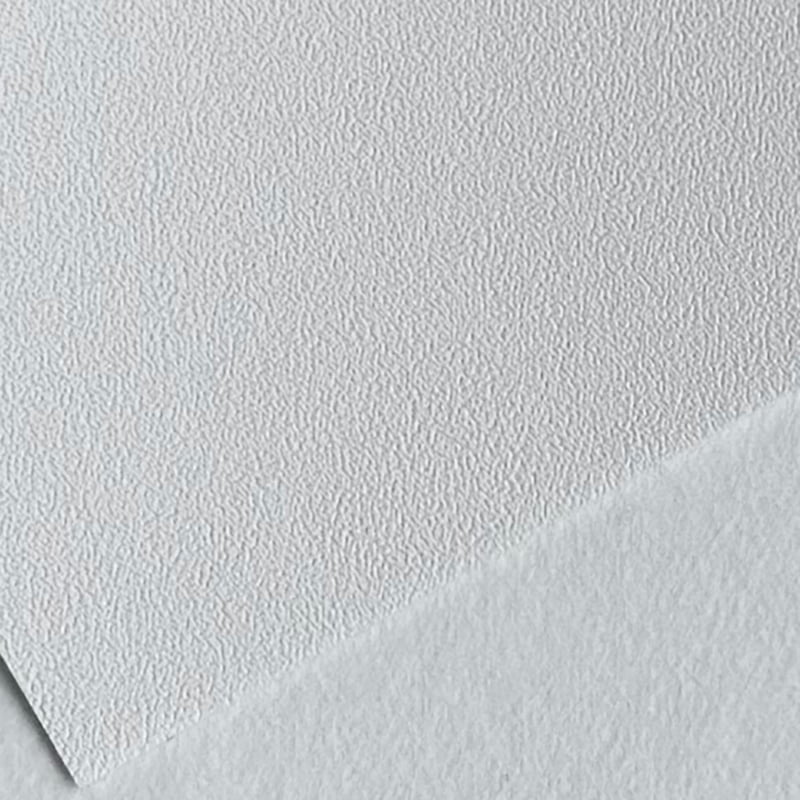
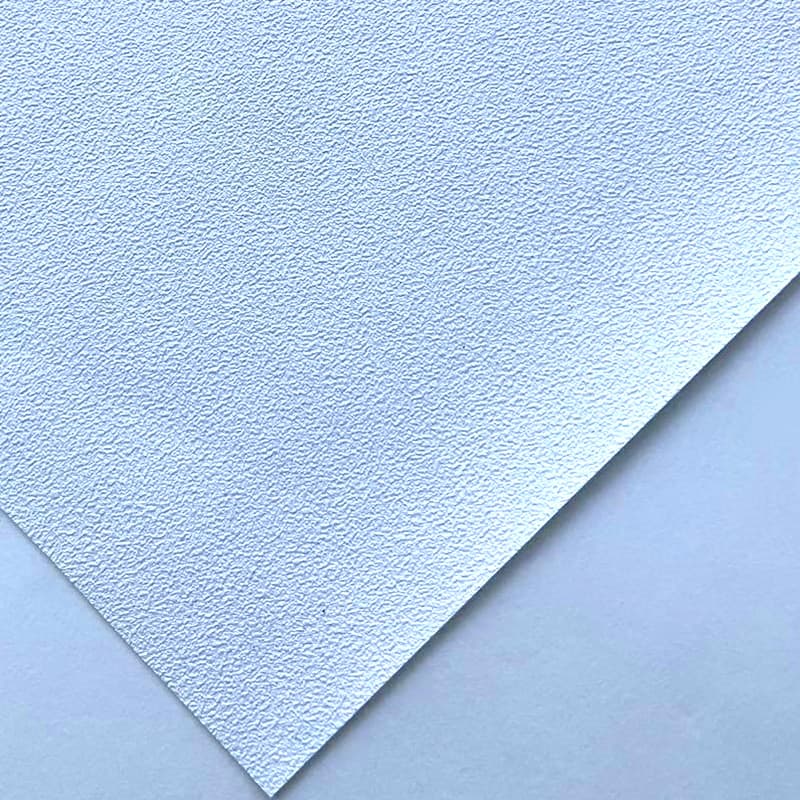
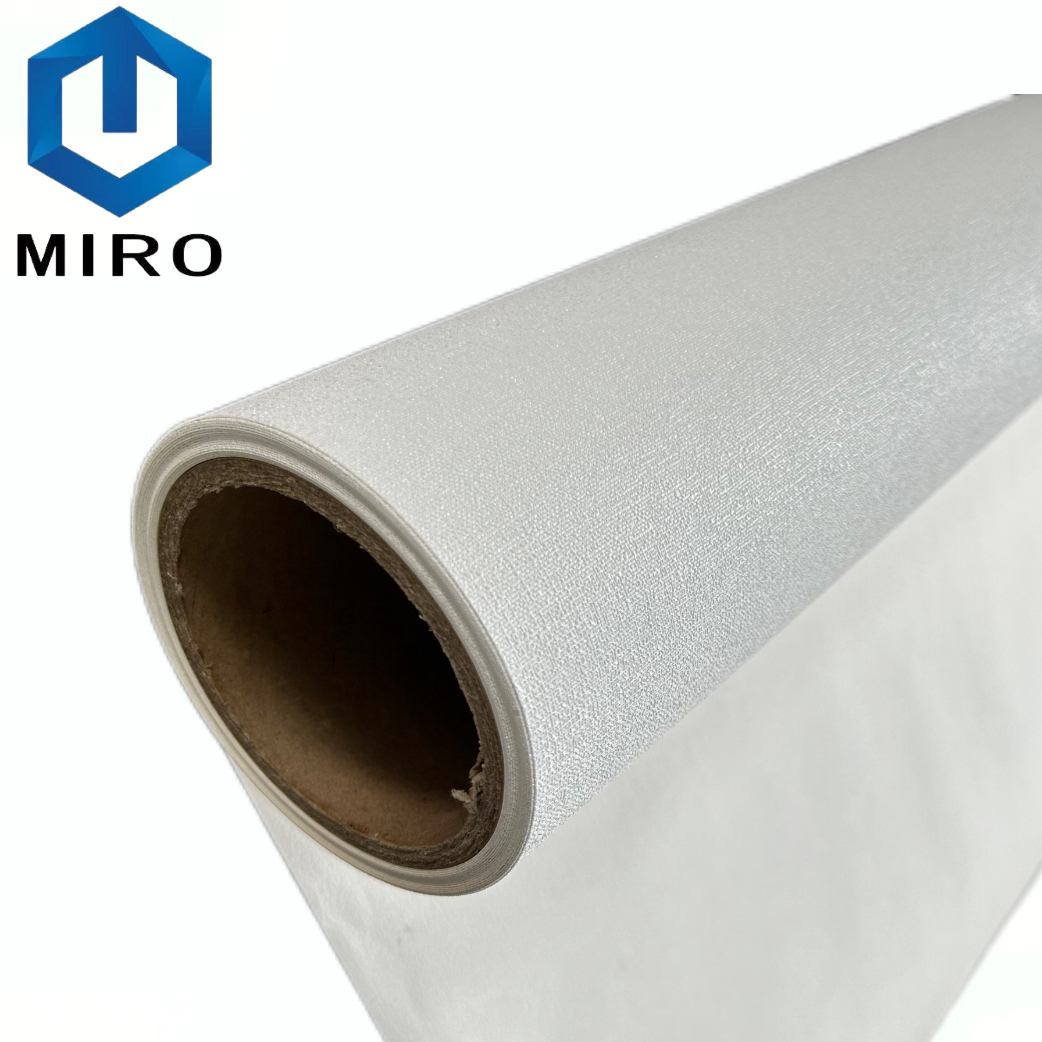
Textured latex coating wallcovering represents a sophisticated intersection of aesthetics, durability, and environmental responsibility in interior design. Unlike traditional flat wall paints or standard wallpapers, this category of wallcovering integrates a latex-based coating with an intentionally textured surface, offering a tactile and visual experience that elevates interior spaces. These materials are engineered to provide a durable, washable, and often breathable surface, making them suitable for a wide range of environments, from high-traffic commercial areas to bespoke residential projects [citation:1][citation:2].
The core technology involves a water-based latex resin system combined with various fillers and texturizing agents, such as quartz sand or synthetic polymers, which create the distinctive surface profile [citation:1]. This composition not only delivers aesthetic depth but also enhances the wallcovering's performance characteristics, including resistance to wear, stains, and mildew. The result is a versatile surfacing solution that meets the demands of modern architecture for both beauty and function.
The growing preference for textured latex wallcoverings in both commercial and residential sectors is driven by a compelling set of performance and aesthetic benefits. These advantages extend beyond simple decoration, offering tangible improvements in durability, maintenance, and indoor environmental quality.
One of the most significant advantages of textured latex wallcovering is its exceptional durability. The latex coating is formulated to be highly scrub-resistant, allowing for rigorous cleaning without damaging the surface or fading the color. This property is critical in environments that demand high hygiene standards, such as hospitals, schools, and public buildings, where walls are frequently exposed to disinfectants and detergents [citation:2]. The textured surface can withstand physical impacts and abrasion better than smooth paints, effectively concealing minor dents and scuffs, thereby maintaining a pristine appearance for a longer period.
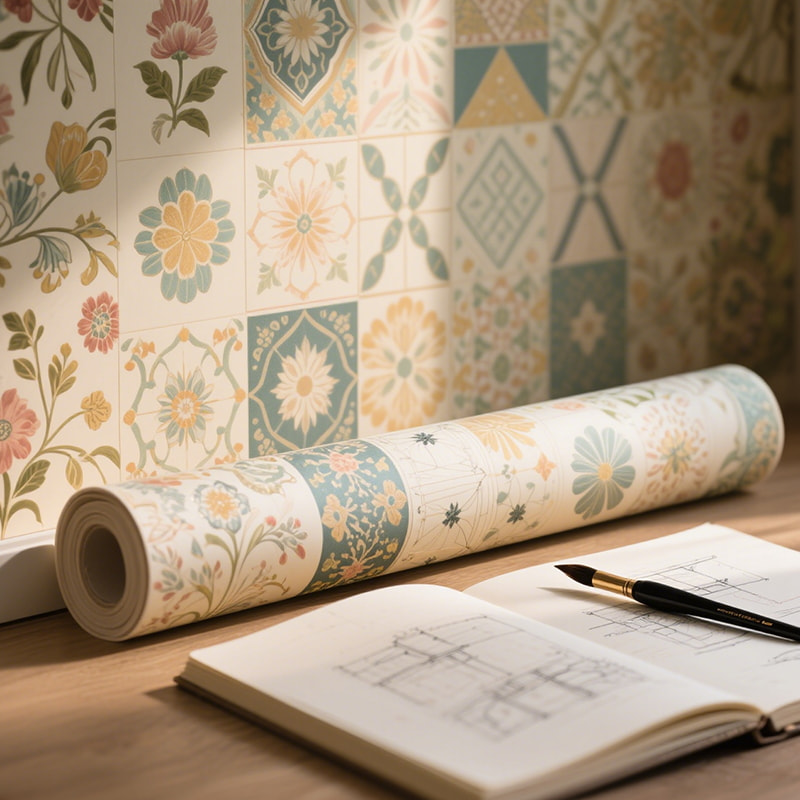
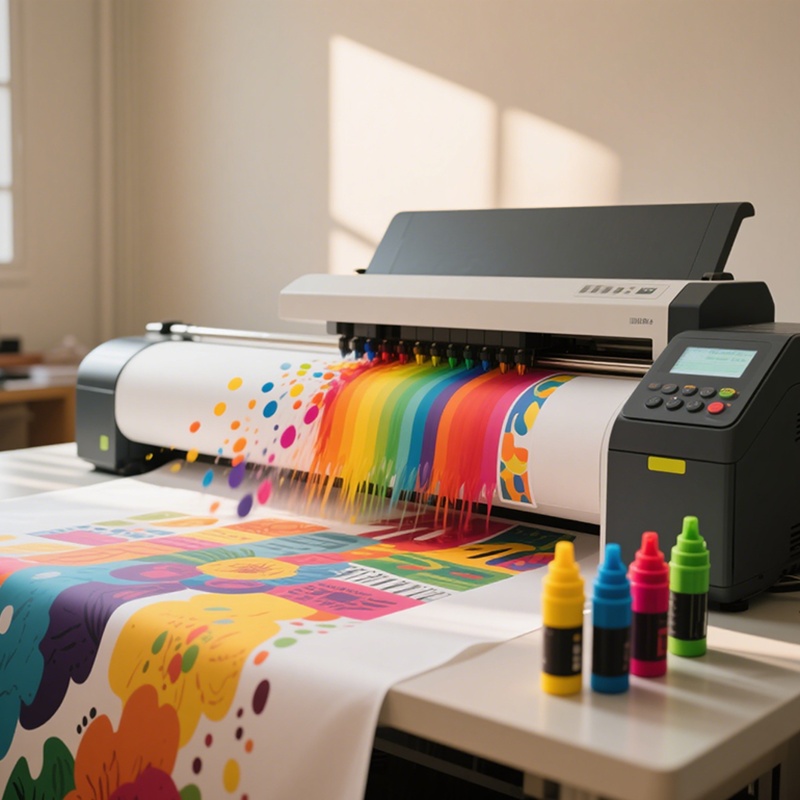
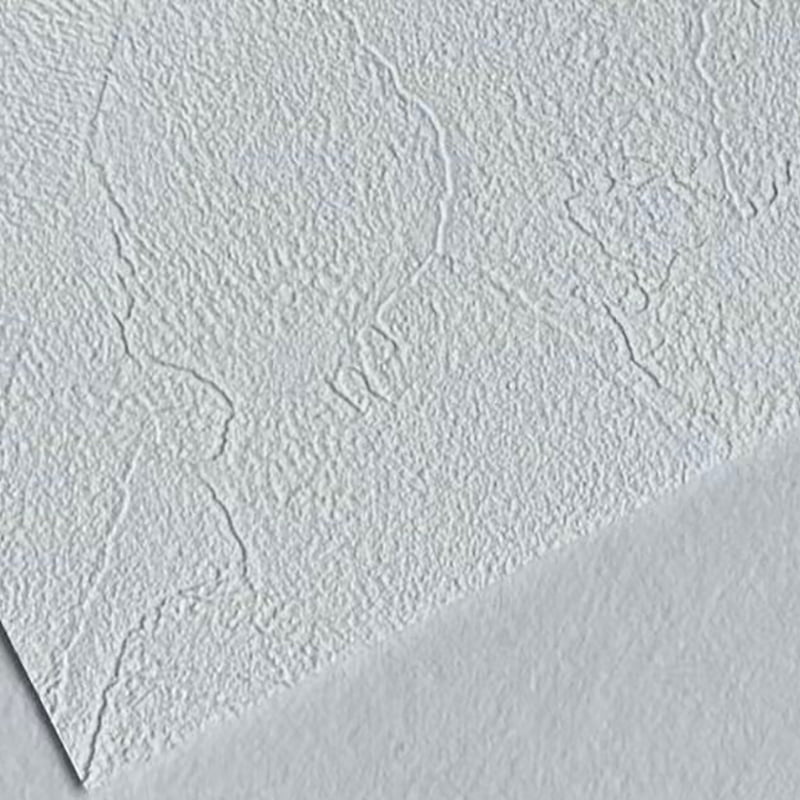
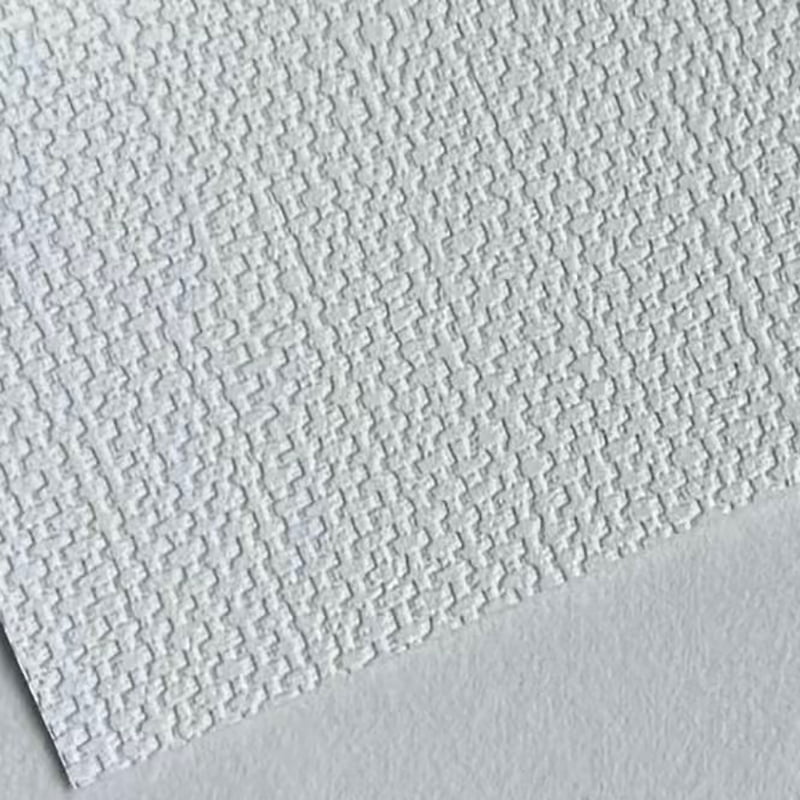
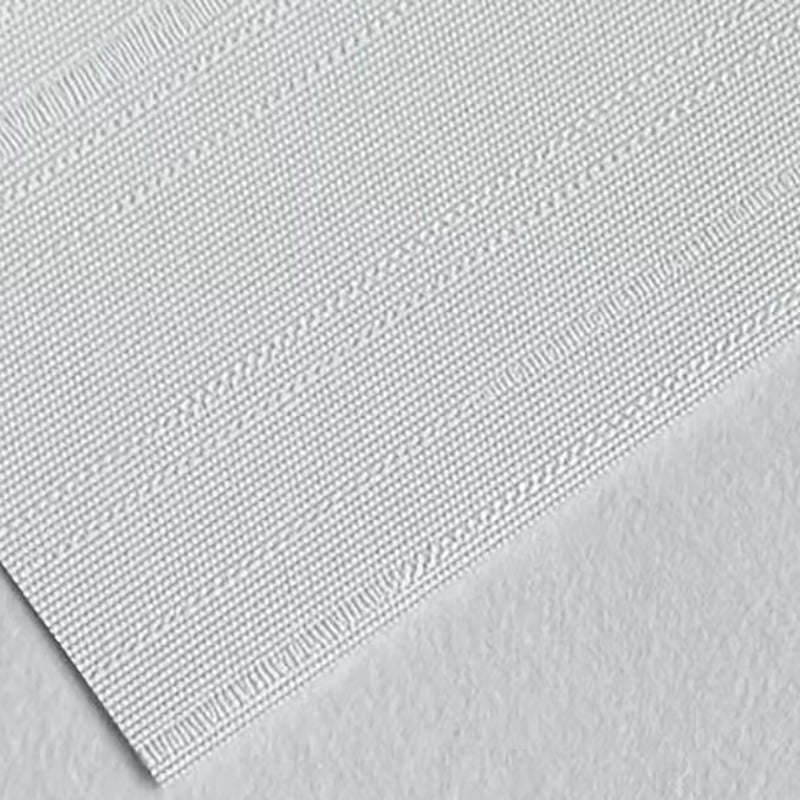
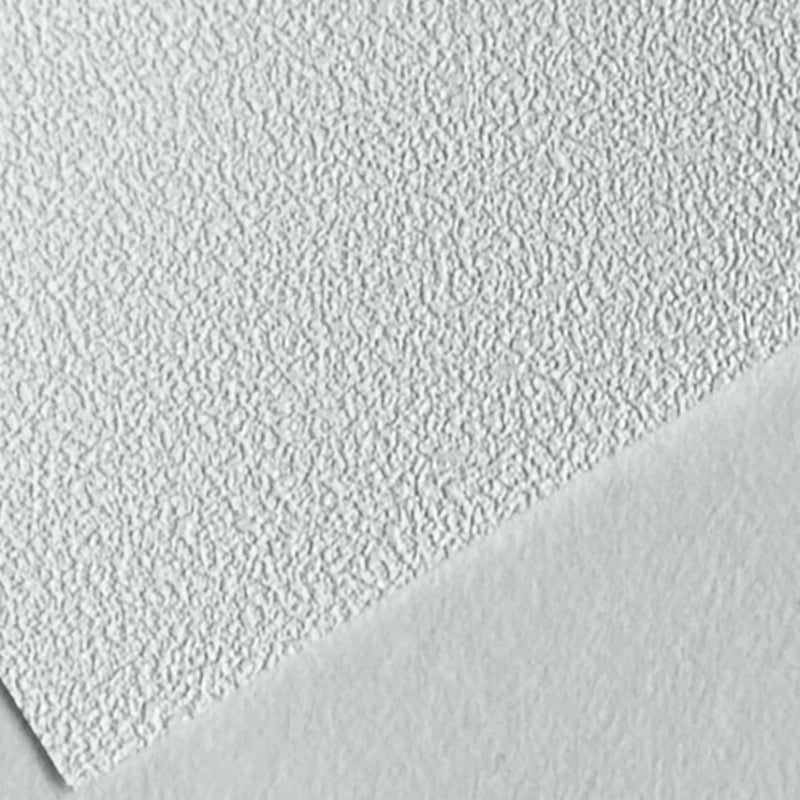
Textured latex wallcoverings offer unparalleled design possibilities. The texture itself adds a third dimension to the wall, creating visual interest and depth that flat paint cannot replicate. Designers can leverage various textures—from subtle sand-like finishes to pronounced relief patterns—to establish a specific mood or style. This material can effectively highlight architectural features or be used to create stunning accent walls. As noted in industry discussions, the latex coating is also highly compatible with modern printing technologies, including latex inkjet systems, enabling custom, high-resolution graphics that are both durable and visually striking [citation:4][citation:5]. This makes it an ideal choice for creating branded environments, retail displays, and unique residential interiors.
Modern textured latex wallcoverings are designed with sustainability and occupant health in mind. They are predominantly water-based, which results in low Volatile Organic Compound (VOC) emissions, contributing to better indoor air quality [citation:6]. Many products in this category also offer inherent resistance to mold and mildew, a crucial feature for maintaining a healthy environment in humid climates or spaces like basements and bathrooms. Some products meet stringent green building standards, such as LEED v4 credit eligibility, further underscoring their environmental credentials [citation:6]. The choice of textured latex coating wallcovering is therefore a responsible choice for projects prioritizing occupant wellbeing and ecological sustainability.
Maintaining a textured latex wall is remarkably simple. The robust latex surface resists staining and is easy to clean with standard household detergents and water. In commercial settings, this translates to lower lifecycle costs compared to repainting surfaces that cannot be effectively cleaned. Furthermore, unlike traditional wallpaper, which can be difficult to repair, minor damage to a textured latex wallcovering can often be locally repaired or repainted to match the existing finish seamlessly.
To fully appreciate the value proposition of textured latex wallcoverings, it is essential to compare them against other common wall finishes. The following table summarizes key distinctions between textured latex coating wallcovering, standard flat paint, non-woven paper wallpaper, and traditional vinyl wallcoverings.
| Feature | Textured Latex Wallcovering | Standard Flat Paint | Non-Woven Paper Wallpaper | Vinyl Wallcovering |
|---|---|---|---|---|
| Durability | High (scrub-resistant, impact-resistant) | Low (easily scuffed, chipped) | Medium (tear-prone, washable) | High (very durable, washable) |
| Aesthetic Depth | High (tactile, 3D effect) | Low (flat, no texture) | Medium (some texture possible) | Medium (embossed patterns, synthetic feel) |
| VOC Levels | Low (water-based formulation) | Varies (can be high in oil-based paints) | Varies (depends on adhesive and ink) | Medium (can off-gas plasticizers) |
| Breathability | Good (moisture vapor permeable) | Varies (some paints are impermeable) | Good (highly breathable) | Poor (non-permeable, can trap moisture) |
| Application Complexity | Medium (requires skill for uniform texture) | Low (easiest, can be DIY) | Medium (requires precise alignment) | High (requires professional installation) |
| Typical Lifespan | 10-15+ years | 3-5 years | 5-8 years | 10-15 years |
This comparison highlights that while textured latex coating wallcovering offers a premium blend of durability and aesthetic flexibility, its specific advantages make it a superior choice for projects where both form and function are paramount.
Understanding the technical underpinnings of textured latex wallcoverings is crucial for specifiers and designers. The performance of these materials is defined by a combination of their physical properties, fire safety ratings, and environmental certifications.
Safety is a primary concern in any building project. High-quality textured latex wallcoverings are engineered to meet stringent fire safety standards. Many products achieve a Class A fire rating, which is the highest rating for surface burning characteristics as defined by standards like ASTM E-84. This means they have a low flame spread index and smoke development index, making them suitable for use in commercial and public buildings where strict fire codes are enforced [citation:1][citation:5]. This performance is often achieved through the careful selection of raw materials and additives that resist combustion and limit smoke generation.
One of the standout technical features of many textured latex wallcoverings is their inherent resistance to microbial growth. Products may be formulated or treated with antimicrobial agents that inhibit the growth of bacteria, mold, and mildew. This property is particularly valuable in healthcare facilities, schools, and other spaces where hygiene is critical. The ASTM D3273 test, for instance, is a standard method used to evaluate the resistance of a coating to mold growth in a controlled environment. A top rating of "10" indicates that no mold growth is observed after four weeks, demonstrating the wallcovering's ability to maintain a clean and healthy surface under challenging conditions [citation:6].
The structural integrity of a wallcovering is defined by its ability to withstand physical stress and maintain its shape. Textured latex coating wallcovering typically exhibits excellent break strength, tear strength, and dimensional stability. This ensures that the material does not shrink, stretch, or deform during application or over its lifespan. This stability is essential for maintaining a seamless and professional appearance, especially when the wallcovering is used to conceal underlying wall imperfections or when it incorporates printed graphics [citation:5]. The ability to resist cold cracking further enhances its durability in varying temperature conditions, making it a reliable choice for a broad range of climates.
The successful installation of textured latex wallcovering requires careful preparation and the right application techniques. Proper execution ensures the material performs as intended and achieves the desired aesthetic result.
Before applying a textured latex coating wallcovering, the substrate must be clean, dry, smooth, and structurally sound. Any existing flaking paint, grease, or dirt must be removed. Imperfections such as cracks, holes, or uneven joints should be filled and sanded smooth. Priming the surface is a critical step, especially on porous substrates like new drywall or previously painted surfaces. A high-quality primer seals the substrate, promotes adhesion, and provides a uniform background that prevents the absorption of moisture from the latex coating, which can lead to bubbling or an uneven finish. As a general rule, testing a small area to ensure the wallcovering covers the surface and adheres properly is always recommended, particularly over problematic surfaces [citation:7].
Textured latex wallcoverings are typically applied using a paste-the-wall method, where the adhesive is applied directly to the wall surface rather than the back of the material [citation:4]. This method allows for easier positioning and adjustment of the panels, especially with heavier, textured materials. The choice of paste is critical; it must be compatible with the wallcovering and the wall type to ensure a strong, long-lasting bond. Some manufacturers recommend a specific type of adhesive, while others provide the flexibility to choose the best paste for the given application. For paint-based textured coatings, application is often performed using a spray, roller, or trowel to achieve the desired texture [citation:6]. The technique used will dictate the final look, and professional applicators often have the expertise to create custom effects.
Environmental conditions during installation can significantly impact the final result. The ideal ambient temperature for applying most latex-based wallcoverings falls within a range of 50 to 90 degrees Fahrenheit, with the material and adhesive acclimated to the room's temperature [citation:6]. Adequate ventilation is also necessary to facilitate proper drying and curing. Following the manufacturer's recommended drying and recoat times is crucial to prevent issues such as bubbling, blistering, or poor adhesion. Rushing the process can compromise the durability and appearance of the finished wall.
Textured latex wallcoverings are versatile enough to be used in a wide array of design applications, from creating intimate residential settings to defining high-profile commercial spaces. The following are illustrative case examples based on typical applications, not specific products or brands.
In a corporate office environment, the use of a textured latex wallcovering in a neutral tone can contribute to a professional and calming atmosphere. A corporate reception area might feature a large-scale, custom-printed textured latex wallcovering showcasing the company's brand imagery. The durability of the material ensures that the graphic remains vibrant and blemish-free despite high visitor traffic. For a healthcare setting, a hospital corridor might be finished with a textured latex wallcovering that meets the highest standards for cleanability and antimicrobial resistance. The smooth, scrubbable surface facilitates rigorous cleaning protocols, contributing to infection control, while the subtle texture helps humanize the sterile environment.
A boutique hotel could use a textured latex wallcovering to create a dramatic feature wall in each guest room. A material with a rough, sand-like texture can add a sensory layer to the space, making it feel more luxurious and grounded. The wallcovering's excellent acoustic and thermal properties (by providing a slight insulation layer) can also contribute to guest comfort. In a private residence, a living room accent wall might be finished with a textured latex coating that mimics the look of a more expensive material, like natural stone or raw plaster. This allows homeowners to achieve a high-end aesthetic without the associated maintenance and cost of the authentic material.
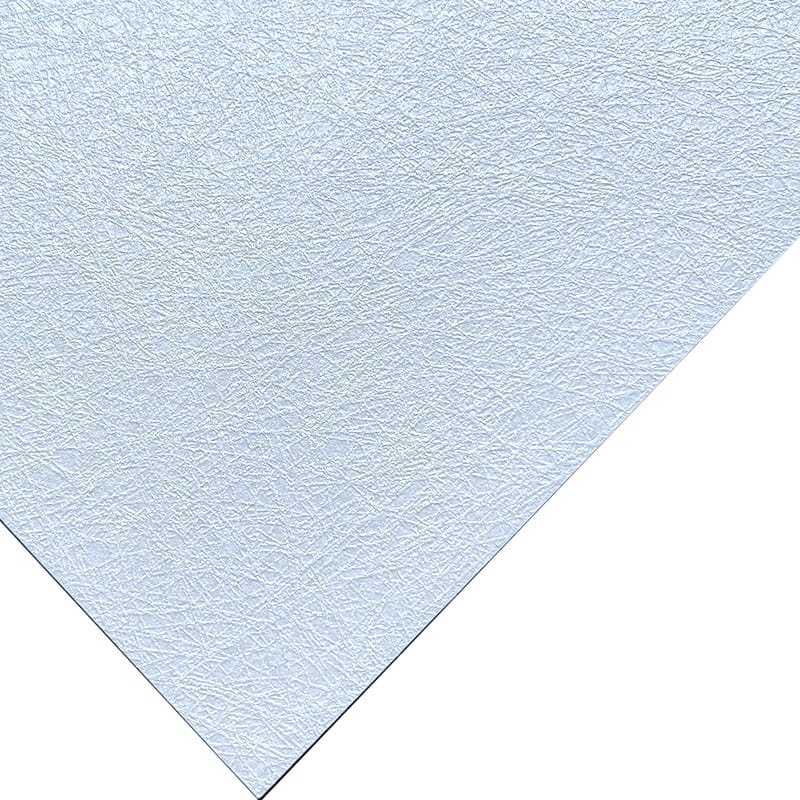
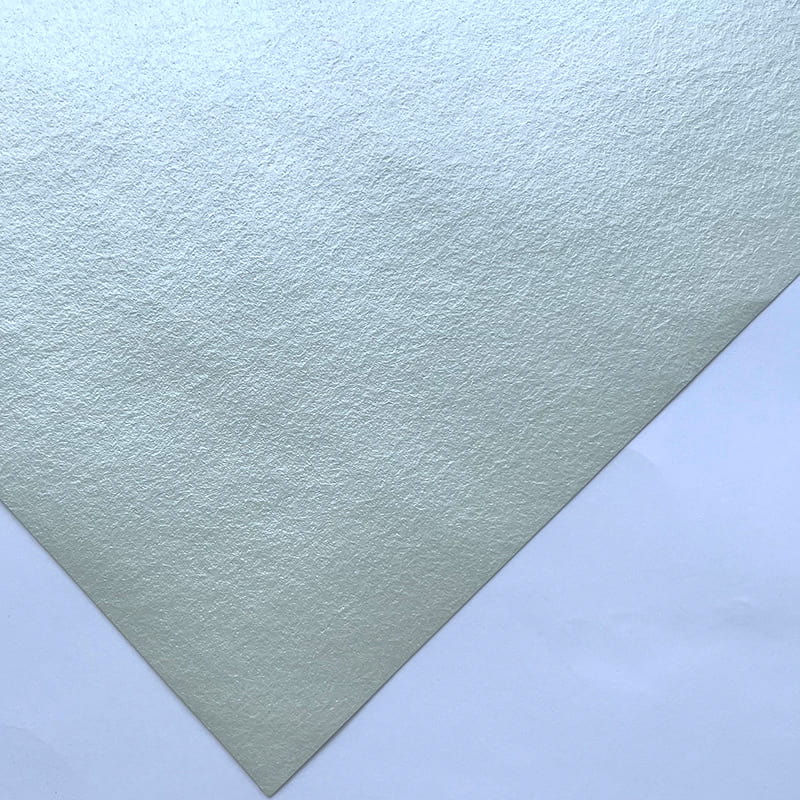
It is a wall finish material that combines a durable, water-based latex resin coating with an intentionally textured surface. The texture is achieved by incorporating materials like quartz sand or synthetic polymers into the coating, resulting in a tactile and visually rich surface that is both decorative and highly functional [citation:1].
Standard paint provides only a color layer, while textured latex coating wallcovering adds a physical texture that offers superior durability, hides wall imperfections, and provides better washability and resistance to scuffs and marks. It can also be applied as a wallcovering sheet or a thick, paint-like coating, depending on the specific product.
Many textured latex wallcoverings are water-based and have low VOC emissions, contributing to healthier indoor air quality. They are often formulated to be mold and mildew resistant and can meet rigorous environmental standards such as LEED v4 credits, making them a sustainable choice for interior design [citation:6].
Yes. Minor damage to a textured latex wallcovering can often be repaired. For small scratches or dents, the area can be spot-primed and recoated with the same material or a matching paint. Larger areas of damage might require a patch of the wallcovering to be cut and replaced, with the seams carefully blended.
This type of wallcovering is ideal for environments that require high durability and easy maintenance. Common applications include residential living areas, commercial offices, hospitality venues like hotels and restaurants, and institutional settings such as schools and hospitals [citation:2][citation:4].
Cleaning is straightforward. Use a soft sponge or cloth dampened with a mild detergent solution and warm water. For more stubborn stains, a non-abrasive household cleaner can be used. Rinse the area with clean water and dry it with a soft cloth. The robust nature of the latex coating allows for this cleaning without damaging the surface [citation:2].
Yes, professionally applied textures are designed to be uniform. During the manufacturing process (for wallcovering sheets) or professional application (for coatings), consistency is a key quality control metric, ensuring an even and aesthetically pleasing finish across the entire surface.
With proper care, a high-quality textured latex wallcovering can last 10 to 15 years or more. Its resistance to wear, staining, and fading ensures that it maintains its appearance for a significant period, often outlasting traditional paint or wallpaper.


+86-21-68881570

info@mirowallcovering.com

A207 No.2 Building NO.555 Lansong PD Pudong District 200137, Shanghai China
© Shanghai MIRO Import and Export Co., Ltd. All Rights Reserved. Custom Eco-Friendly Sustainable Wallpaper Manufacturersprivacy
