中文简体
中文简体 English
 русский
 Español
 عربى
عربىEco-friendly wallpaper represents the optimal choice for homeowners seeking to balance aesthetic appeal with environmental responsibility and health considerations. Unlike conventional wall coverings that often contain harmful chemicals and synthetic materials, sustainable wallpaper options utilize natural fibers, recycled content, and water-based inks that significantly reduce indoor air pollution while minimizing environmental impact throughout their lifecycle—from production to eventual disposal.
Understanding What Makes Wallpaper Eco-Friendly
The distinction between conventional and eco-friendly wallpaper lies primarily in the materials used and the manufacturing processes employed. Traditional wallpaper frequently contains vinyl (PVC), which releases volatile organic compounds (VOCs) into indoor air over time. These emissions can persist for years after installation, contributing to respiratory issues and other health concerns. In contrast, sustainable alternatives prioritize natural, renewable, and non-toxic components that safeguard both environmental and human health.
Eco-friendly wallpaper typically features several key characteristics that differentiate it from standard options:
- Made from rapidly renewable resources such as bamboo, hemp, or grasscloth
- Produced using recycled paper content, often exceeding fifty percent post-consumer waste
- Printed with water-based or vegetable-based inks free from heavy metals
- Manufactured without PVC, formaldehyde, or phthalate plasticizers
- Designed for biodegradability or recyclability at end of life
- Produced by companies committed to reducing carbon footprint and water usage
The Problem with Conventional Wallpaper
Standard vinyl wallpaper presents multiple environmental and health challenges that have driven the shift toward sustainable alternatives. The production of PVC requires significant energy input and generates toxic byproducts, including dioxins—among the most hazardous chemicals known to science. During use, vinyl wallpaper can release phthalates and other additives that have been linked to hormone disruption and developmental problems.
Health Implications for Indoor Environments
Indoor air quality has become a major health consideration as people spend increasing amounts of time inside. Studies indicate that indoor air can contain two to five times higher concentrations of certain pollutants than outdoor air. Wallpaper and other building materials contribute significantly to this pollution through off-gassing of volatile compounds. Children, elderly individuals, and those with respiratory conditions face heightened risks from these exposures.
Natural Materials Transforming Wall Coverings
The evolution of eco-friendly wallpaper has been driven by innovative use of natural materials that offer both sustainability and distinctive aesthetic qualities. These materials bring unique textures and visual characteristics that synthetic alternatives cannot replicate, making sustainable options not merely environmentally responsible but often more desirable from a design perspective.
| Material Type | Renewability | Unique Characteristics | Best Applications |
| Grasscloth | Highly renewable | Natural texture, subtle variations | Living rooms, bedrooms |
| Bamboo | Very rapid growth | Durable, exotic appearance | Feature walls, Asian-inspired spaces |
| Hemp | Sustainable cultivation | Soft texture, natural tones | All interior spaces |
| Cork | Harvested without tree damage | Insulating properties, unique pattern | Offices, bedrooms |
| Recycled Paper | Diverts waste from landfills | Smooth finish, printable surface | Any interior application |
Grasscloth and Natural Fiber Options
Grasscloth wallpaper represents one of the most popular sustainable options, featuring hand-woven natural fibers applied to a paper backing. The production process typically involves harvesting grasses such as jute, sisal, or arrowroot, which grow rapidly without requiring pesticides or excessive irrigation. Each roll of grasscloth wallpaper exhibits slight color and texture variations that create a unique, organic appearance impossible to achieve with mass-produced synthetic alternatives.
Environmental benefits of grasscloth extend beyond the raw materials to include:
- Minimal processing requirements reducing energy consumption
- Biodegradable composition allowing natural decomposition
- Support for traditional weaving communities in developing regions
- Carbon sequestration during plant growth phase
- No toxic emissions during use or disposal
Certification Standards and How to Verify Claims
Navigating the landscape of environmental claims requires understanding recognized certification standards that provide third-party verification of sustainability assertions. Not all wallpapers marketed as green meet rigorous environmental standards, making certification knowledge essential for informed purchasing decisions. Several certification programs have emerged as trusted indicators of genuine environmental commitment.
Key certifications to look for include GREENGUARD Gold for low chemical emissions, FSC certification for responsibly sourced paper content, and OEKO-TEX Standard 100 for tested safety against harmful substances. These certifications require independent laboratory testing and regular audits to maintain compliance.
- Request documentation of certification from retailers or manufacturers
- Verify certification status through issuing organization databases
- Examine product specifications for material composition details
- Inquire about manufacturing processes and facility environmental practices
- Check for transparency regarding supply chain and sourcing practices
Understanding VOC Ratings and Testing
Volatile organic compound emissions represent a critical factor in evaluating wallpaper safety, particularly for households with children, pregnant women, or individuals with chemical sensitivities. Products certified under strict standards must demonstrate emissions well below established safety thresholds, typically requiring testing that measures specific compounds over extended periods. The most rigorous certifications evaluate emissions over periods of weeks or months, providing more realistic assessments of long-term exposure risks.
Environmental Impact Throughout the Product Lifecycle
Truly eco-friendly wallpaper must demonstrate environmental responsibility across all stages of its existence—from raw material sourcing through manufacturing, use, and eventual disposal or recycling. This lifecycle perspective reveals impacts often hidden from casual observation, including water consumption, energy usage, transportation emissions, and end-of-life considerations that collectively determine actual sustainability performance.
Production Phase Considerations
Manufacturing processes for sustainable wallpaper prioritize reduced environmental impact through multiple strategies. Water-based printing eliminates solvent emissions while reducing energy requirements for drying. Paper production from recycled content requires approximately sixty percent less energy than virgin paper manufacturing. Natural fiber harvesting supports agricultural systems that can improve soil health and sequester carbon when properly managed.
End-of-Life Options and Considerations
Unlike vinyl wallpaper that persists in landfills for generations, truly eco-friendly options offer biodegradability or recyclability. Paper-based products can enter standard recycling streams when free from contamination. Natural fiber wallpapers decompose naturally when composted, returning nutrients to soil rather than creating persistent waste. Some manufacturers have established take-back programs ensuring proper handling of removed wallpaper.
Installation Best Practices for Maximum Benefits
Proper installation ensures eco-friendly wallpaper delivers its intended benefits while avoiding problems that could compromise performance or require premature replacement. Selection of appropriate adhesives proves particularly important, as conventional wallpaper pastes often contain preservatives and fungicides that undermine the health advantages of sustainable wall coverings. Water-based, zero-VOC adhesives specifically formulated for eco-friendly wallpaper provide necessary performance without introducing harmful chemicals.
- Ensure walls are clean, dry, and free from existing residues that could affect adhesion
- Apply primer appropriate for eco-friendly wallpaper when recommended by the manufacturer
- Use adhesives specifically designed for the wallpaper type being installed
- Allow proper drying time before exposing to humidity or temperature extremes
- Follow seam placement recommendations to minimize visibility and waste
- Retain excess material for future repairs rather than immediate disposal
Professional Versus DIY Installation
The decision between professional installation and do-it-yourself approaches depends on wallpaper type, room complexity, and available skills. Natural fiber wallpapers such as grasscloth generally benefit from professional installation due to their unforgiving nature—mistakes cannot be easily corrected by repositioning. Paper-based printed wallpapers prove more forgiving for confident DIYers. Professional installation typically adds to project cost but ensures optimal results and minimizes material waste from errors.
Maintenance and Longevity Considerations
Eco-friendly wallpaper can provide excellent durability when properly maintained, challenging misconceptions that sustainable options sacrifice longevity for environmental benefits. In fact, many natural fiber wallpapers exhibit exceptional durability due to the inherent strength of materials like hemp and bamboo. Appropriate maintenance practices preserve appearance while extending service life, maximizing the environmental return on investment.
| Wallpaper Type | Cleaning Method | Expected Lifespan | Special Considerations |
| Grasscloth | Dust with soft brush only | 10-15 years | Avoid moisture exposure |
| Paper-based printed | Light damp cleaning if specified | 7-12 years | Check washability rating |
| Cork | Damp cloth, mild soap | 15-20 years | Natural antimicrobial properties |
| Bamboo | Soft cloth, minimal moisture | 12-18 years | Resists fading well |
Addressing Common Durability Concerns
Consumers sometimes express concern that eco-friendly wallpaper may not withstand daily wear as well as vinyl alternatives. However, this perception often stems from outdated assumptions rather than current product capabilities. Modern sustainable wallpapers undergo rigorous testing for durability, colorfastness, and performance. Natural materials frequently outperform synthetics in breathability, reducing mold risk in humid environments. Additionally, the ability to repaint over some eco-friendly wallpapers provides flexibility not available with vinyl options.
Cost Analysis and Long-Term Value
Initial purchase price for eco-friendly wallpaper often exceeds conventional alternatives, typically ranging from twenty to fifty percent higher depending on materials and manufacturing processes. However, this premium reflects genuine differences in production costs—sustainable materials, responsible manufacturing, and quality control all require investment. When evaluated on a lifecycle cost basis including health benefits, durability, and environmental impact, sustainable options frequently deliver superior value despite higher upfront costs.
Research suggests that improved indoor air quality resulting from low-emission building materials can reduce allergy and asthma symptoms, potentially lowering healthcare costs and improving quality of life. These health benefits, while difficult to quantify precisely, represent real economic value that conventional cost comparisons often overlook.
Factors Influencing Price Variations
Understanding the factors driving eco-friendly wallpaper pricing helps consumers make informed decisions aligned with both budget and sustainability goals. Raw material sourcing significantly impacts cost—locally sourced materials reduce transportation expenses while supporting regional economies. Manufacturing scale affects pricing, with smaller batch production typically commanding premiums. Certification costs also factor into final pricing, representing investment in verified environmental claims.
Design Trends and Aesthetic Possibilities
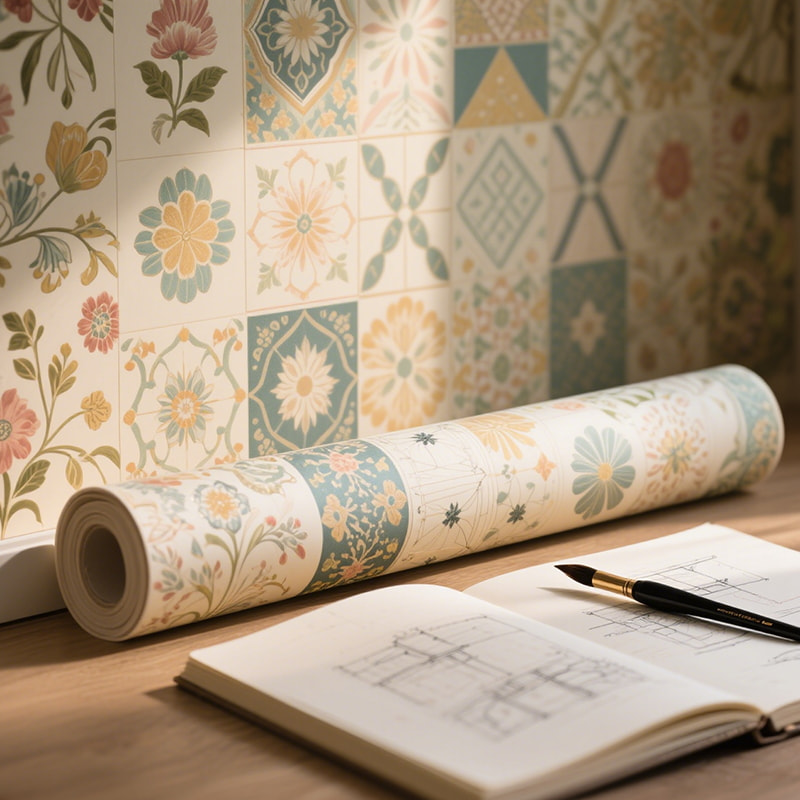
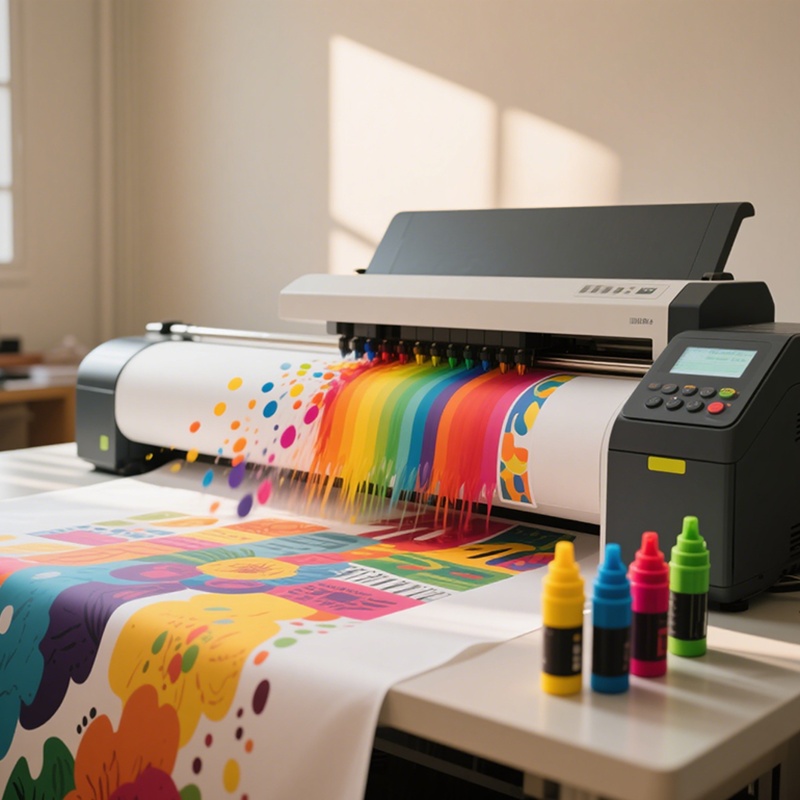
Sustainable wallpaper has evolved far beyond plain neutrals and basic patterns, now offering design possibilities that rival or exceed conventional options. Digital printing technology enables intricate patterns and custom designs without the environmental impact of traditional printing processes. Natural materials provide unique textures and depth impossible to replicate with synthetics. Contemporary eco-friendly options span styles from minimalist modern to ornate traditional, ensuring design flexibility alongside environmental responsibility.
- Botanical prints featuring accurate plant illustrations printed with vegetable-based inks
- Geometric patterns achieving modern aesthetics through precision printing
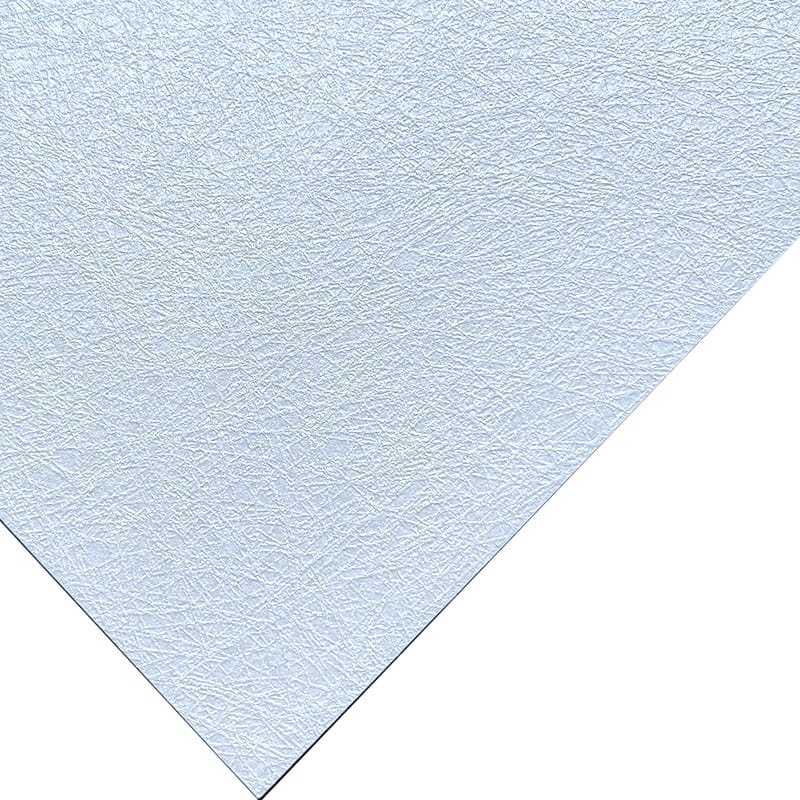
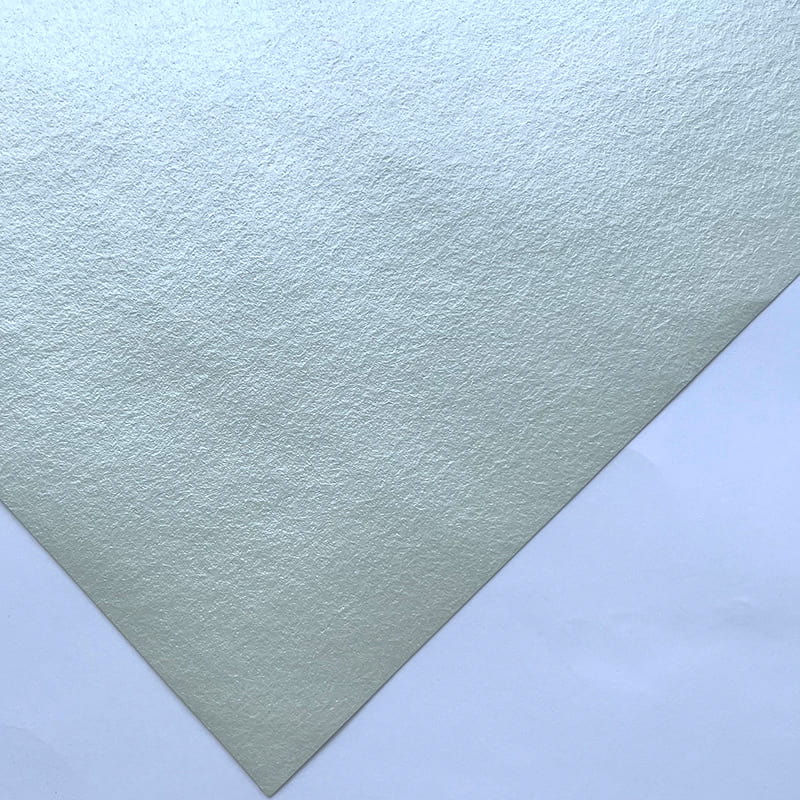
- Textured surfaces adding dimension through natural fiber construction
- Mural-scale designs creating dramatic feature walls from sustainable materials
- Custom color matching enabling personalization without environmental compromise
Making the Transition to Sustainable Wall Coverings
Transitioning from conventional to eco-friendly wallpaper requires consideration of existing wall conditions, removal of previous coverings, and proper preparation for new installation. This process presents an opportunity to address any underlying moisture or surface issues while creating a healthier indoor environment. Removal of old vinyl wallpaper may require specialized techniques to avoid damaging walls, and disposal should follow appropriate guidelines for synthetic materials.
Homeowners undertaking wallpaper replacement can take several steps to maximize sustainability throughout the process:
- Donate usable removed wallpaper to community organizations if condition permits
- Choose low-VOC primers and preparation products compatible with eco-friendly wallpaper
- Calculate material needs carefully to minimize waste and excess ordering
- Consider ordering slightly more than minimum needed to allow for pattern matching and future repairs
- Store installation instructions and extra material for future reference
Creating a Comprehensive Healthy Home Strategy
Eco-friendly wallpaper serves as one component of a broader healthy home approach that addresses multiple sources of indoor environmental quality. When combined with low-emission paints, natural flooring, and proper ventilation, sustainable wallpaper contributes to indoor spaces that support occupant health and wellbeing. This integrated approach yields greater benefits than addressing single elements in isolation, creating synergistic improvements in overall environmental quality.