中文简体
中文简体 English
 русский
 Español
 عربى
عربىIndustry News
Wallpaper, as an important interior decoration material, has been widely used in home decoration, commercial spaces, and offices in recent years. With the continuous development of printing technology, printed wallpaper has gradually become a popular choice. Choosing a high-quality printed wallpaper supplier is crucial to ensuring the decoration effect and lifespan.
1. Supplier's Product Quality
Product quality is one of the most important criteria for evaluating a printed wallpaper supplier. Whether it's the pattern design, color effect, or the durability of the paper material, all directly affect the user experience of the wallpaper. High-quality wallpaper not only has high color fidelity, but its surface material should also have good abrasion resistance, stain resistance, and strong waterproof function. When choosing a supplier, you should focus on whether their products have passed relevant quality testing standards and meet environmental protection requirements, such as whether they meet national standards for formaldehyde emission.
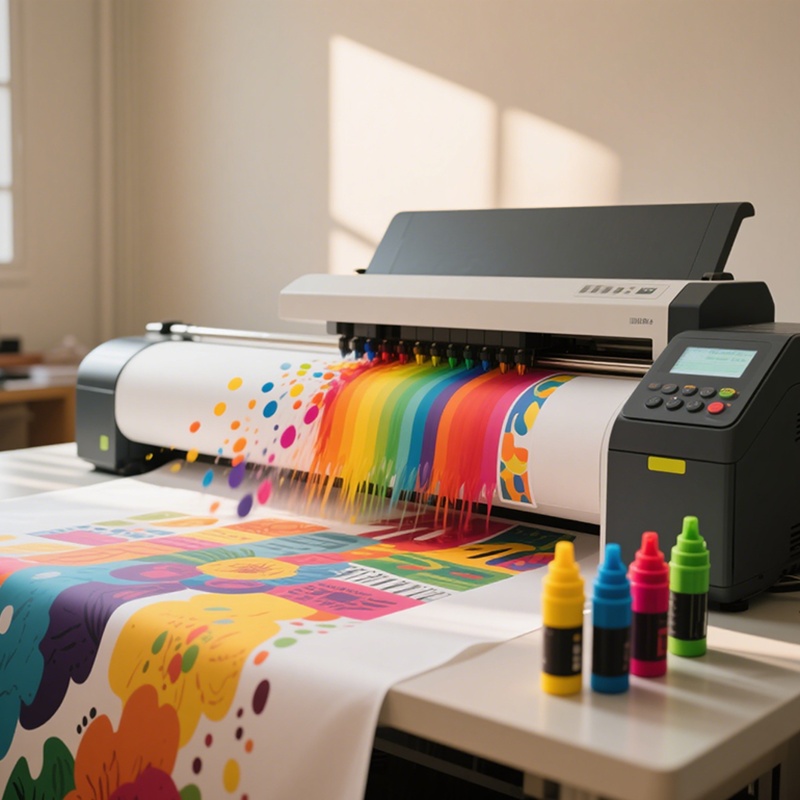
The printing technology of the wallpaper is equally important. Modern printed wallpaper usually uses digital inkjet technology for pattern printing. High-quality suppliers often use high-precision inkjet printing equipment, which can finely display the layering and color depth of the pattern. When choosing a wallpaper supplier, consumers should understand the printing technology used and request product samples for actual inspection.
2. Diverse Product Selection
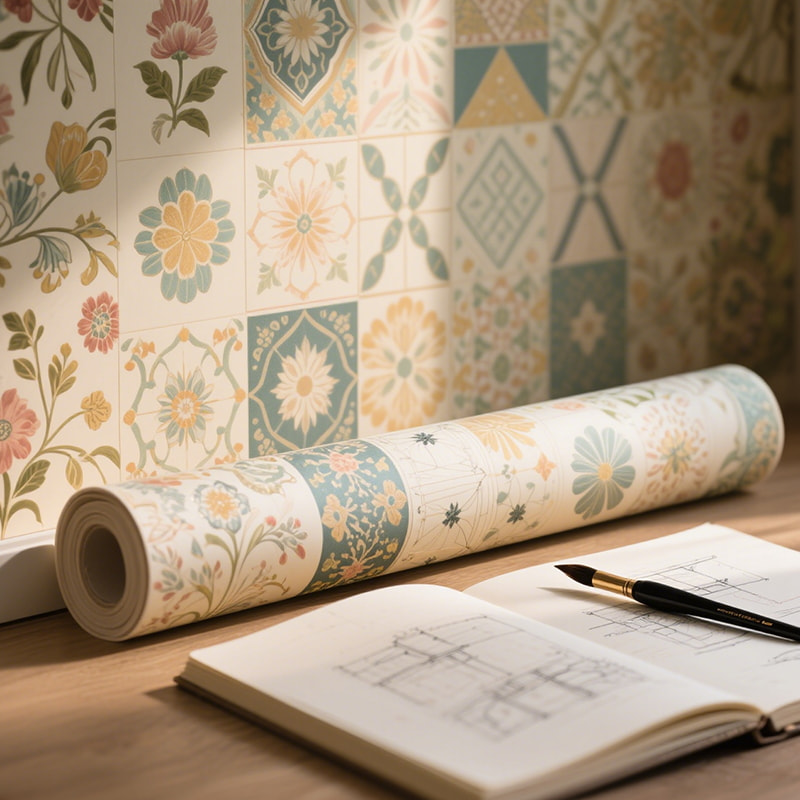
A good printed wallpaper supplier should be able to offer a diverse selection to meet the needs of different customers. Wallpaper comes in many varieties, ranging from traditional floral and geometric patterns to modern abstract designs, and even cartoon patterns designed specifically for children's rooms. A high-quality supplier's product line typically covers multiple styles, materials, and functional types to ensure that the personalized needs of different consumers are met.
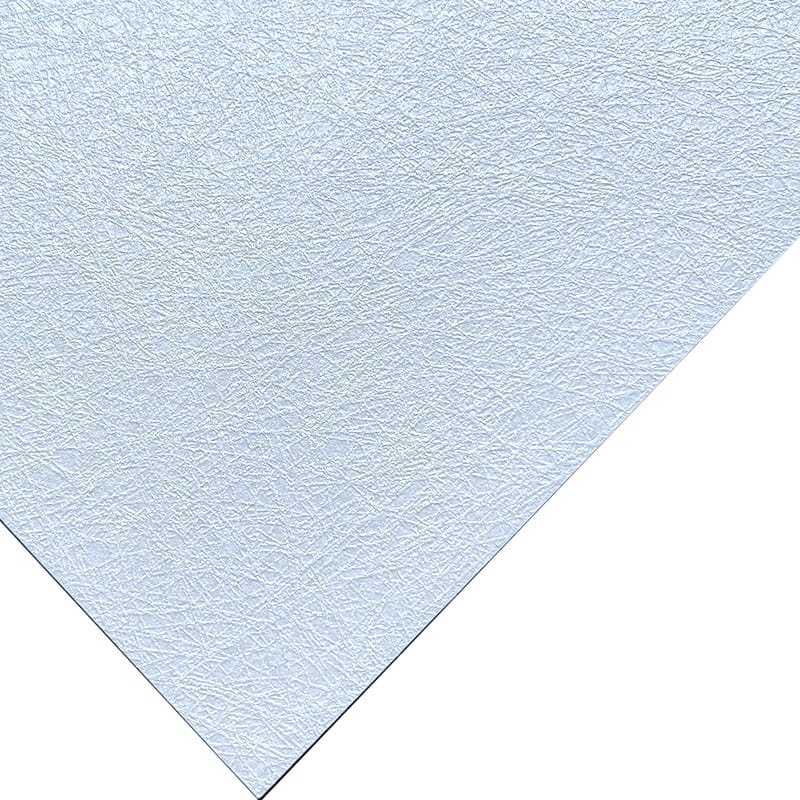
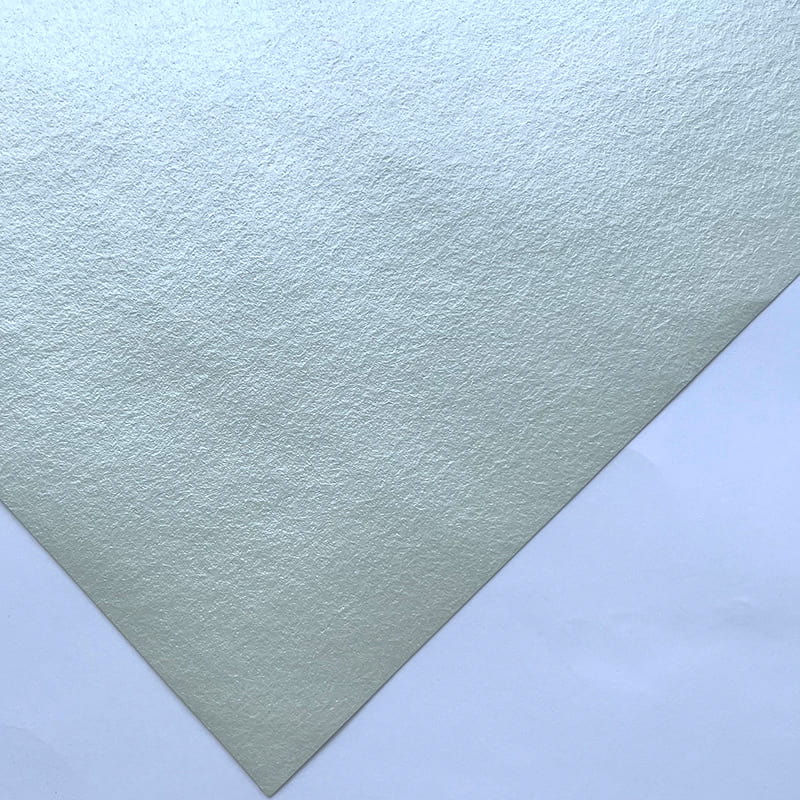
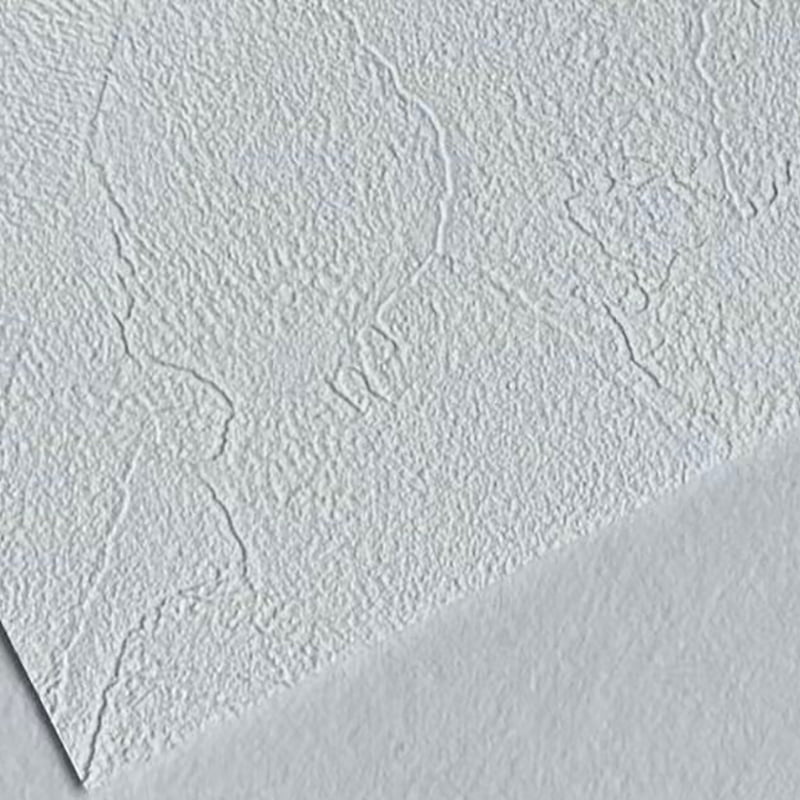
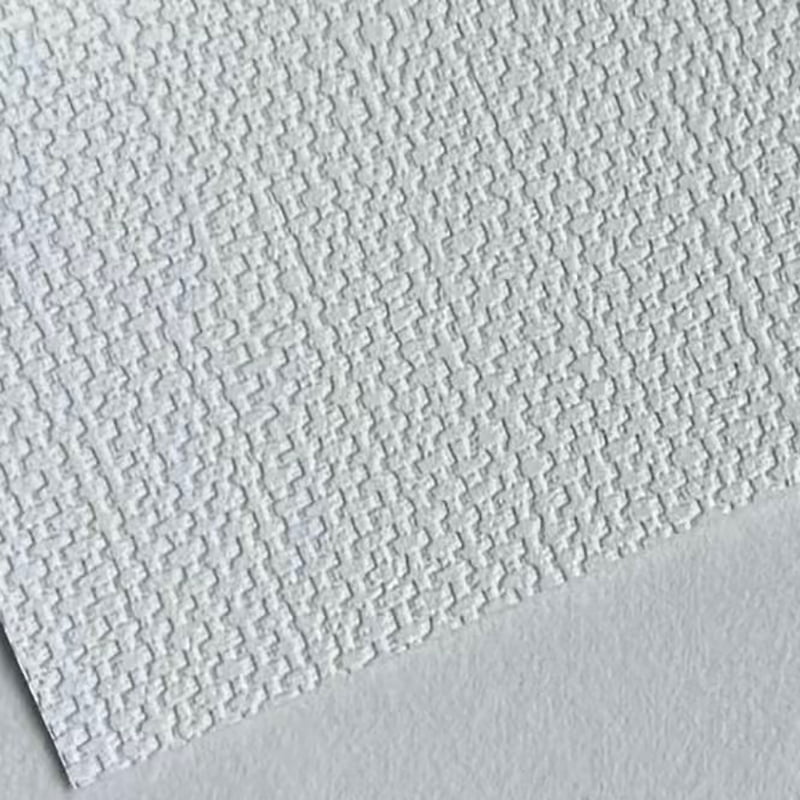
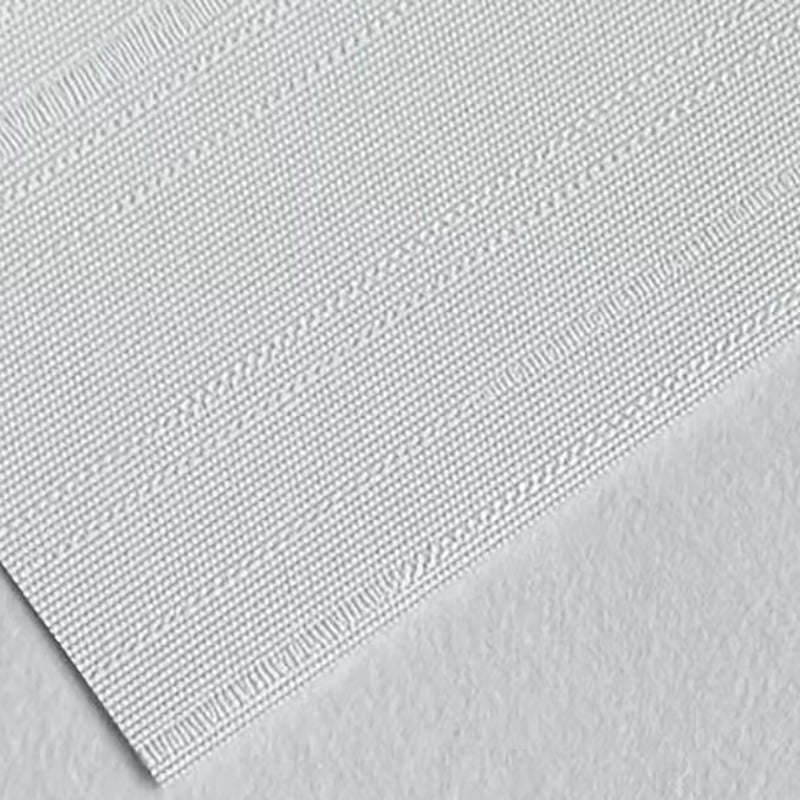
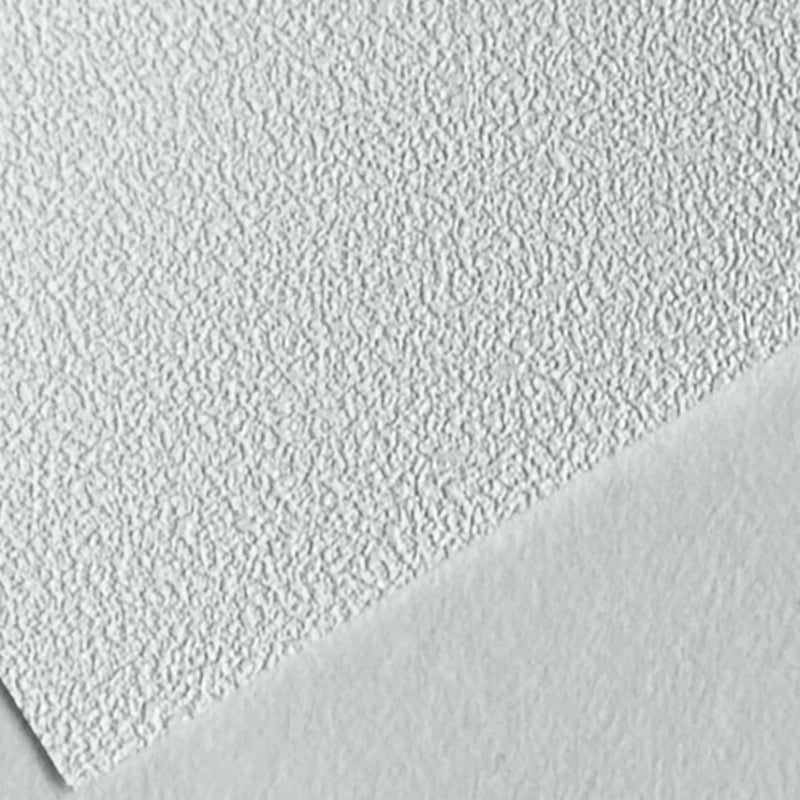
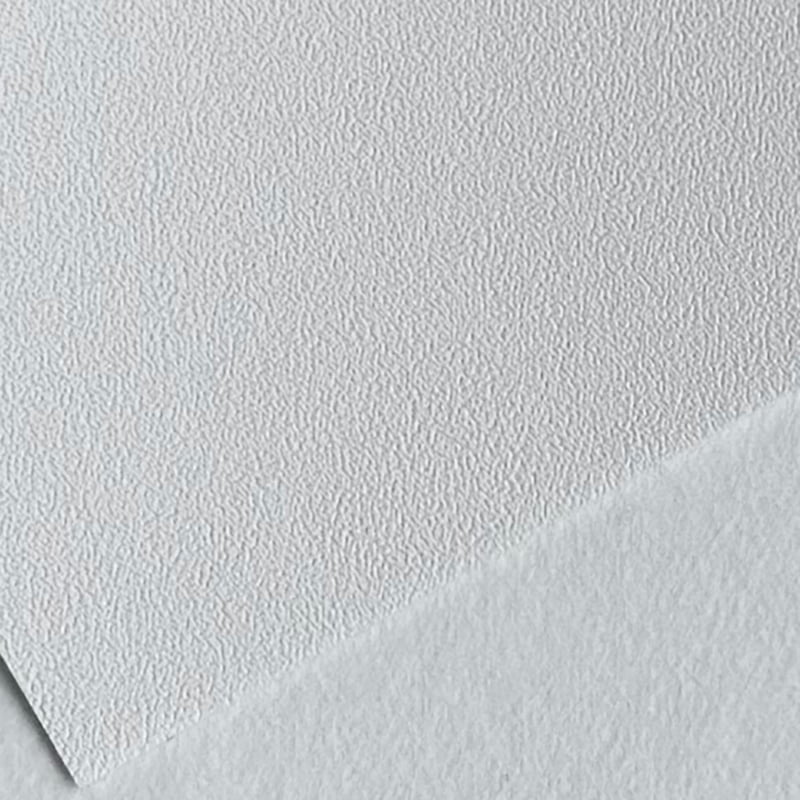
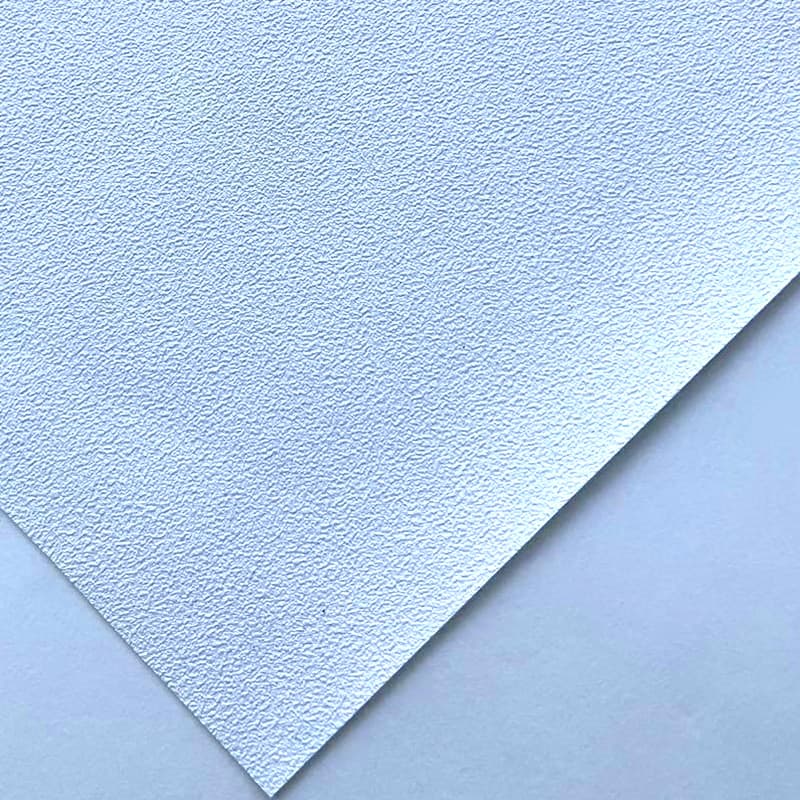
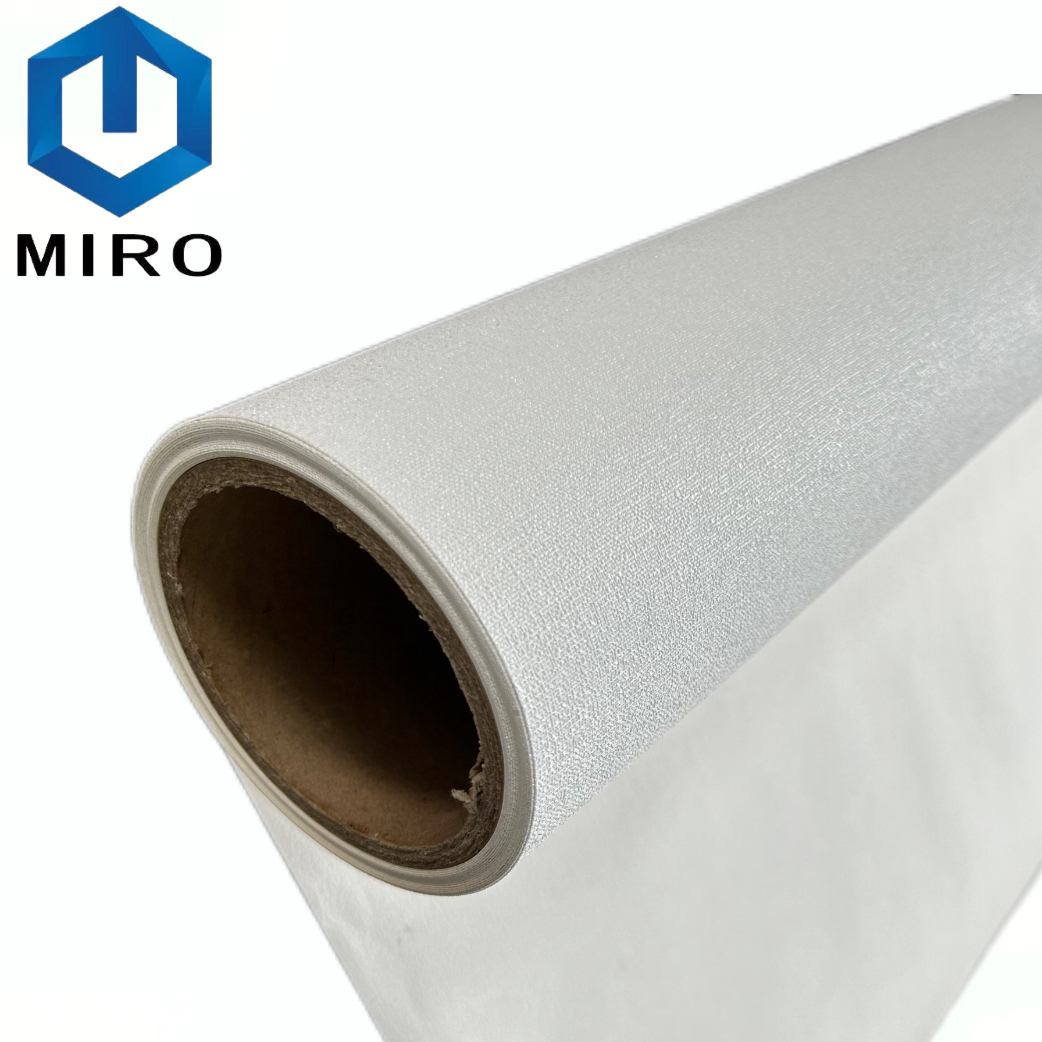
Besides design style, the material of the wallpaper is also an important factor to consider when choosing. Common printed wallpaper materials on the market include non-woven wallpaper, paper-based wallpaper, and PVC wallpaper, each with different textures and functions. For example, non-woven wallpaper has a soft feel and is environmentally friendly, while PVC wallpaper has stronger water resistance and durability. A good printed wallpaper supplier can provide corresponding suggestions based on the customer's usage scenario to help choose the most suitable wallpaper type.
3. Customized Services
With the increasing demand for personalized decoration, customized wallpaper is becoming a trend. A qualified wallpaper printing supplier typically offers customization services to meet clients' personalized design needs. For example, clients can choose patterns, colors, and sizes according to their requirements, and can even provide their own designs for printing.
When choosing a supplier, the quality of customization services is a key evaluation criterion. Excellent suppliers not only provide high-quality customization services but also communicate effectively with clients during the design process to ensure the final result meets their expectations. Suppliers should have a robust design review process and technical support during customization to avoid issues such as pattern distortion or size mismatches.
4. Supplier Production Capacity and Delivery Time
Production capacity and delivery time are also important factors to consider when choosing a wallpaper printing supplier. Timely delivery is crucial for time-sensitive renovation projects. An efficient supplier should be able to provide a clear production cycle and arrange production reasonably according to client needs to ensure on-time delivery.
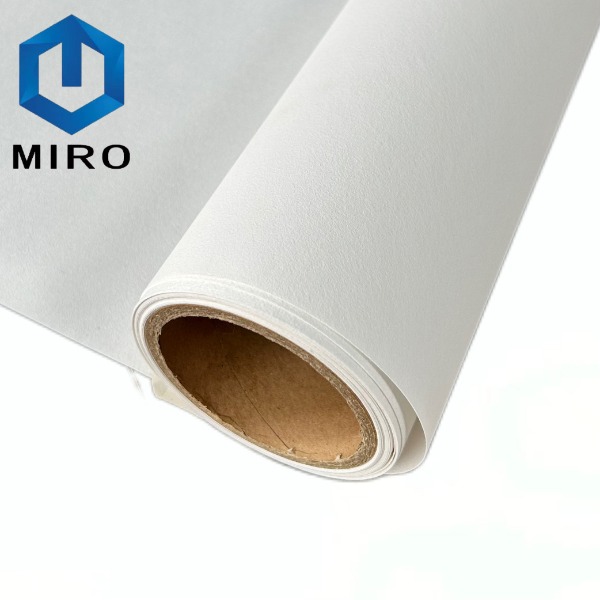
The supplier's production capacity also directly affects order processing efficiency. Larger suppliers typically have more advanced production lines and stronger inventory management capabilities, enabling them to respond quickly during peak periods or when order volumes are high. Consumers should understand a supplier's production scale and delivery commitments when making a selection to avoid supply issues affecting project progress during actual renovations.
5. After-sales Service
The quality of after-sales service is crucial for buyers of printed wallpaper. As a home decoration material, wallpaper may encounter problems during installation, such as uneven seams or air bubbles. Wallpaper may also suffer damage during use, such as surface scratches or color fading. Therefore, reputable suppliers should provide comprehensive after-sales support.
Excellent suppliers should provide professional installation guidance and technical support in their after-sales service to help customers solve problems encountered during installation. If customers experience quality issues during wallpaper use, the supplier should be able to respond promptly and provide solutions. Some suppliers even offer a quality guarantee for a certain period, allowing for returns and exchanges in case of quality problems. Understanding the supplier's after-sales service policy is an important aspect of evaluating the supplier's service quality.
6. Supplier Reputation and Word-of-Mouth
The supplier's market reputation and customer word-of-mouth are also factors that cannot be ignored when making a selection. A reputable supplier typically meets customer expectations in terms of product quality and service. Consumers can check online reviews, social media, or home improvement forums to learn about other customers' opinions and select suppliers with good reputations.
Industry certifications and awards are also important criteria for evaluating a supplier's credibility. Many well-known printed wallpaper suppliers participate in industry exhibitions and receive relevant awards or certifications, which are often recognitions of their products and services. If a supplier can provide relevant certificates and awards, it indicates their high standing and influence in the industry, providing consumers with greater assurance.
7. Product Price and Value for Money
While price isn't everything, it's still a factor to consider when choosing a printed wallpaper supplier. High-quality wallpaper usually means higher production costs; therefore, price is often proportional to quality. However, when choosing a supplier, consumers should weigh the balance between price and quality based on their budget and choose the product with the best value for money.
Some suppliers may offer lower-priced wallpaper, but the quality may not meet standards, potentially affecting the decorative effect and lifespan with long-term use. Therefore, consumers should avoid solely pursuing low prices and instead choose suppliers with stable quality and reasonable prices.
Frequently Asked Questions (FAQ)
1. How to judge the quality of wallpaper?
The quality of wallpaper mainly depends on the materials, printing technology, and color stability. High-quality wallpaper should have a smooth and flat surface, bright and even colors, and be durable and waterproof. Consumers can judge the quality of wallpaper by looking at samples.
2. Is custom-made wallpaper more expensive than standard wallpaper?
Custom-made wallpaper is usually more expensive than standard wallpaper because it requires personalized design and production according to the customer's requirements, and the production process may be more complex. The price difference also depends on the materials, design complexity, and the supplier's customization services.
3. How to choose wallpaper that suits your home style?
When choosing wallpaper, you should match it with the overall style of your home. Modern minimalist styles are suitable for simple and elegant patterns, while traditional styles can choose classic floral or antique patterns. In addition, color matching is also key to avoid clashing with the color scheme of the interior decoration.
4. What problems are common during wallpaper installation?
Common installation problems include uneven seams, bubbles, and wrinkles. Choosing professional installers and high-quality wallpaper products can effectively avoid these problems.
5. How to maintain wallpaper to extend its lifespan?
Wallpaper maintenance should avoid prolonged exposure to direct sunlight and should be cleaned regularly. For wallpapers with poor water resistance, wipe the surface periodically to prevent dust or stain buildup.