中文简体
中文简体 English
 русский
 Español
 عربى
عربىIndustry News
Wallpaper Quality Standards
Wallpaper quality standards typically consist of national standards, industry standards, and local standards. National standards provide overall requirements for wallpaper, while industry standards are more detailed, focusing on specific product performance and environmental indicators. Wallpaper quality standards involve multiple aspects, including material selection, printing process requirements, surface treatment technology, and environmental performance.
The material of wallpaper must meet certain physical performance standards. Depending on the type of wallpaper, requirements for abrasion resistance, moisture resistance, and light resistance will vary. These properties directly affect the wallpaper's lifespan and visual effect. For example, natural fiber wallpaper needs to meet certain water resistance standards, while PVC wallpaper requires good stain resistance and aging resistance.
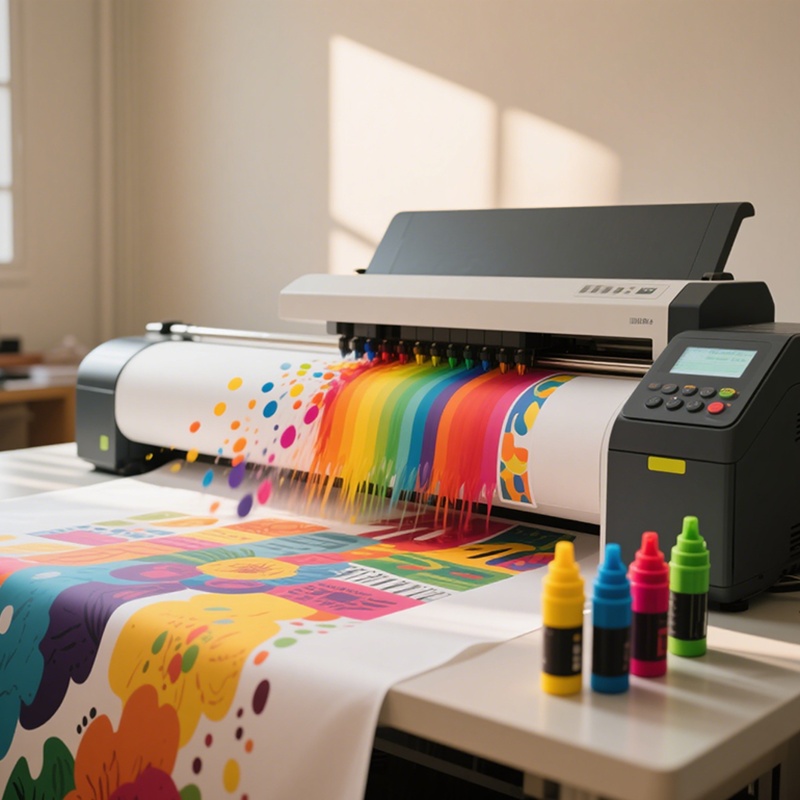
The printing quality of wallpaper is also part of the standard. The pattern and color of wallpaper not only affect aesthetics but also require consideration of the stability and environmental friendliness of the printing technology. Many high-quality wallpapers use non-toxic and harmless inks to ensure that the pattern does not release harmful substances during use.
Wallpaper Environmental Certification
Environmental friendliness is a crucial indicator for wallpaper products, especially in the home environment, where consumers have increasingly stringent requirements for the environmental friendliness of wallpaper. Environmental certification standards not only focus on whether the wallpaper production process meets environmental requirements but also address the health impact of the product during use. Common wallpaper environmental certifications include green product certification, ISO certification, and domestic environmental labeling certifications.
Green product certification is one of the most common environmental certifications in the wallpaper industry. This certification requires that the wallpaper production process must meet certain resource conservation and environmental protection standards. Specifically, green-certified wallpaper needs to minimize the emission of harmful substances during manufacturing, use environmentally friendly raw materials, and ensure that the product does not release harmful gases during use.
ISO certification is an internationally recognized standard for quality and environmental management. It includes not only requirements for the quality of wallpaper production but also involves the company's environmental management system. ISO-certified wallpaper signifies that the company prioritizes quality control and environmental protection in all aspects of product design, production, and sales, meeting global consumer demands for environmental protection and health.
In China, environmental labeling certification is also a common type of wallpaper environmental certification. This certification, administered by the China Environmental Labeling Product Certification Committee, requires wallpaper products to minimize the use of harmful substances during production, ensuring consumer safety and health during use.
Wallpaper Safety Certification
As a decorative material, the safety of wallpaper is a crucial factor for consumers when making purchases. This is especially true in specific environments such as children's rooms and elderly people's rooms, where wallpaper safety is paramount. To ensure that wallpaper does not pose a threat to human health during use, wallpaper products need to pass a series of safety certifications.
Common wallpaper safety certifications include the National Compulsory Product Certification (3C certification) and non-toxic and harmless certification. 3C certification is a mandatory certification system established in the Chinese market for various consumer products. For wallpaper, as a home decoration material, passing 3C certification means that it meets the minimum national requirements for product safety during production and use. Non-toxic and harmless certification focuses on whether the wallpaper contains substances harmful to the human body, such as formaldehyde and benzene, ensuring that consumers are not affected by these harmful substances when using it indoors.
Wallpaper Durability Certification
The durability of wallpaper is one of the key factors determining its lifespan. When purchasing wallpaper, consumers often focus on whether it can maintain its beauty and functionality over a long period of use. To ensure that wallpaper will not fade, peel, or crack during use, durability testing is an important quality assurance step.
Wallpaper durability certification typically includes several aspects such as abrasion resistance, light resistance, and water resistance. Abrasion resistance certification requires that the wallpaper resist friction during long-term use and is not easily damaged on the surface. Light resistance certification focuses on whether the wallpaper will fade or lose its original color after long-term exposure to sunlight. Water resistance certification requires that the wallpaper is not easily damaged or moldy in humid environments, ensuring that it maintains good performance in high-humidity environments such as bathrooms or kitchens.
Wallpaper's Anti-mold and Antibacterial Properties
With increasing emphasis on a healthy environment, the anti-mold and antibacterial properties of wallpaper have become important aspects of industry standards and certifications. Wallpaper is prone to mold growth in damp environments, which not only affects aesthetics but can also lead to health problems. To ensure the anti-mold and antibacterial properties of wallpaper, many manufacturers employ special anti-mold coatings or antibacterial technologies and undergo relevant certification testing.
Wallpaper with anti-mold and antibacterial certifications is gaining popularity in the market, especially in humid areas or special locations such as bathrooms and basements. Wallpaper with anti-mold and antibacterial certifications effectively prevents mold growth, maintains fresh indoor air, and reduces allergies or respiratory problems caused by mold.
International Standards and Certifications for Wallpaper
With globalization, more and more wallpaper brands are participating in international market competition. To meet the needs of international consumers, wallpaper products must not only meet domestic standards but also obtain international certifications. ISO, CE, and the EU's REACH certification are all important certification standards in the international wallpaper market.
ISO certification is an internationally recognized quality management system certification. Wallpapers that have passed ISO certification have strict standards in production management and quality control, meeting the needs of different global markets. CE certification is a mandatory certification in the European Union market, indicating that the product meets the safety requirements of the EU market, especially applicable to brands exporting wallpaper to Europe. REACH certification regulates chemicals in the European market, covering potentially harmful chemicals in wallpaper, ensuring that the product will not cause harm to humans or the environment during use.
FAQ
What types of environmental certifications are available for wallpaper?
Common environmental certifications for wallpaper include green product certification, ISO certification, and domestic environmental label certifications. Different certifications emphasize different environmental aspects, but all emphasize reducing the use of harmful substances in the wallpaper production process to ensure consumer health.
Does wallpaper need flame retardant certification?
If wallpaper is used in commercial spaces or public places, flame retardant performance testing is usually required to ensure it meets fire safety requirements. For home use, ordinary wallpaper may not need flame retardant certification, but in special occasions, such as children's rooms, choosing wallpaper with flame retardant certification is safer.
How to identify if wallpaper has passed safety certification?
Consumers can check the product packaging and labels to confirm whether the wallpaper has passed relevant safety certifications. Generally, wallpaper that meets 3C certification will be marked with the corresponding certification mark, and products with environmental and safety certifications will also indicate the certification body and certificate number on the packaging.