


 中文简体
中文简体 English
 русский
 Español
 عربى
عربى
Home / News / Industry News / Comprehensive Technical Guide to Modern Non-Woven Latex Wallcovering Substrates and Supply Chain Integration
Industry News
The global interior wall covering market is undergoing a structural transition toward environmentally conscious, high-performance substrate materials. Traditional Polyvinyl Chloride (PVC) formulations face increasing regulatory scrutiny and consumer backlash due to volatile organic compound emissions, plasticizer leaching, and recyclability challenges. Consequently, non-woven substrates coated with aqueous latex dispersions have emerged as the primary standard for premium commercial and residential wall coverings. These composite materials combine dimensional stability, flame retardancy, and superior tactile versatility with complete freedom from PVC additives.
Evaluating wallcovering substrates requires a comprehensive understanding of raw material physics, coating chemistries, conversion capabilities, and operational integration models. Manufacturers and distributors must select media that satisfy aesthetic demand while aligning with automated printing processes, such as UV-curable, latex, and eco-solvent inkjet technologies, as well as traditional gravure embossing workflows.
This technical analysis explores non-woven latex-painted wallcoverings, examining their technical specifications, structural variations, industrial supply options, and practical application considerations.
Industrial wallcovering manufacturing requires distinct workflow models depending on converter capabilities, regional market demands, and capital equipment investments. Suppliers generally structure their operations across two main models: acting as pre-treated raw material substrate providers or supplying completely finished, ready-to-install wallcoverings.
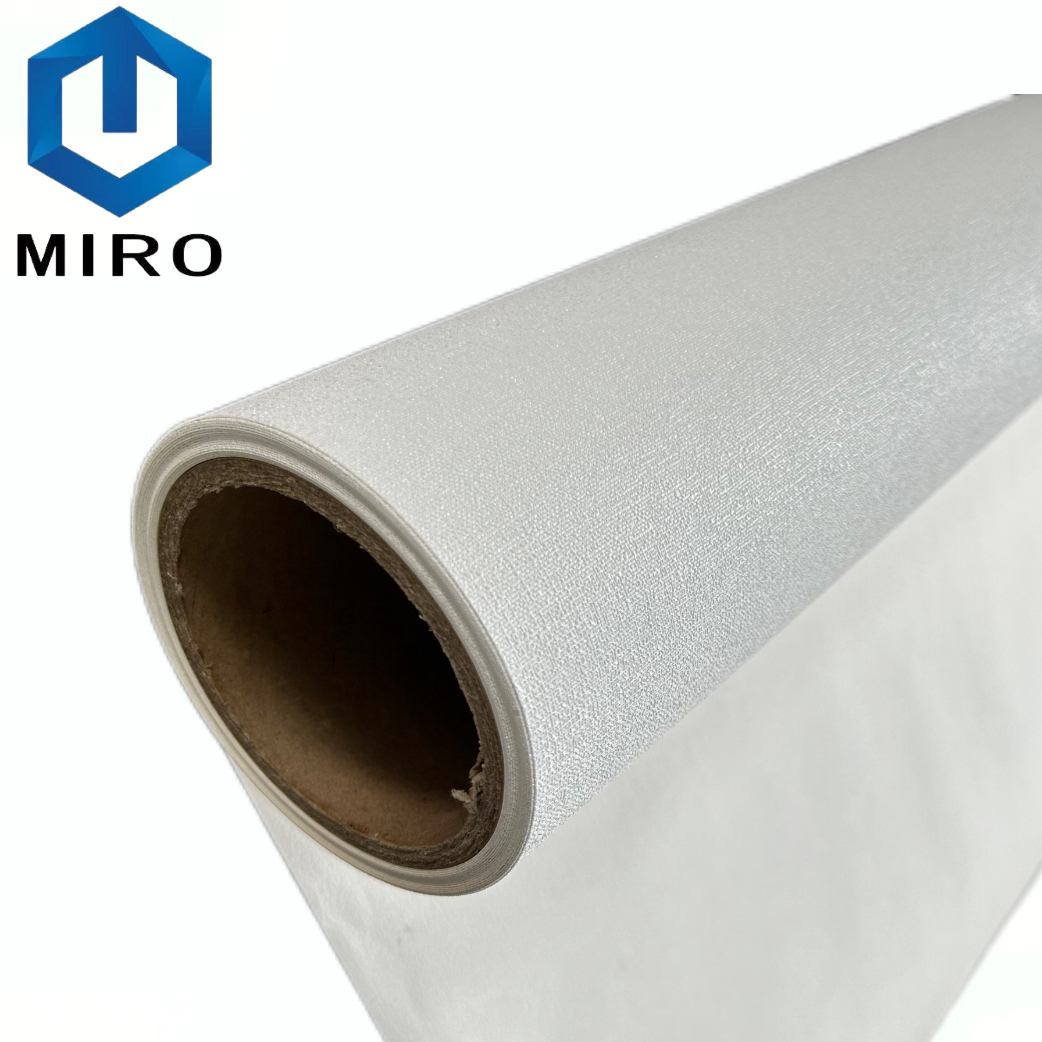
Under the raw material supply model, the factory performs primary preparation steps, including fiber non-woven web formation, latex emulsion application, base coloration, and optional structural embossing. The converter receives master rolls and focuses on custom digital printing, surface finishing, and localized distribution.
The turnkey manufacturing route handles the entire production sequence end-to-end. This encompasses base substrate manufacturing, high-precision rotogravure or digital pattern printing, mechanical texture embossing, quality verification, cutting, and commercial packaging.
Selecting the optimal substrate depends on weight, tensile strength, tactile requirements, surface roughness, and installation conditions. Below is an engineering overview of four distinct latex-coated non-woven material categories.
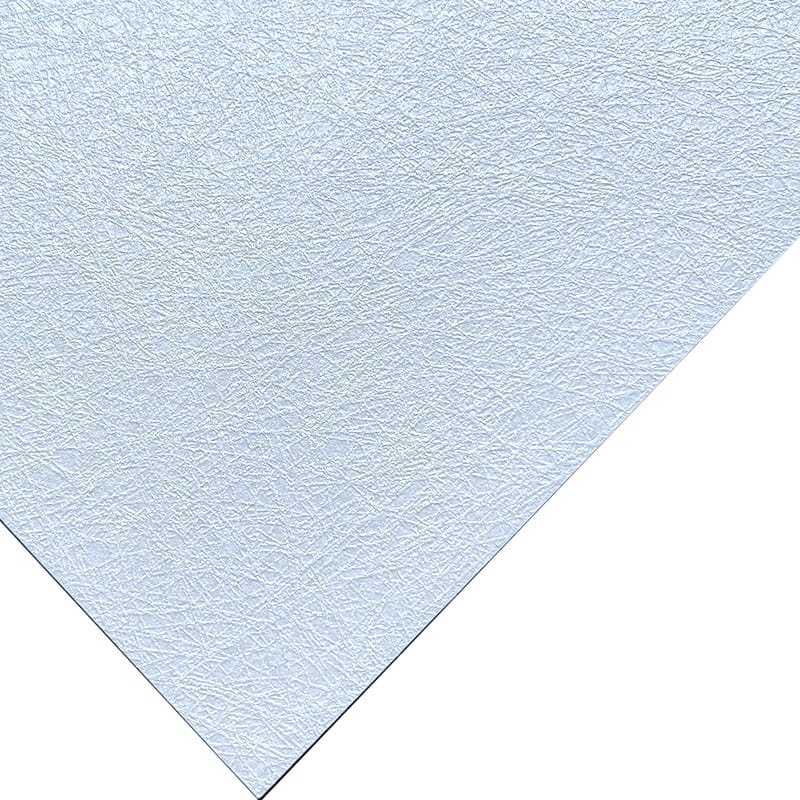
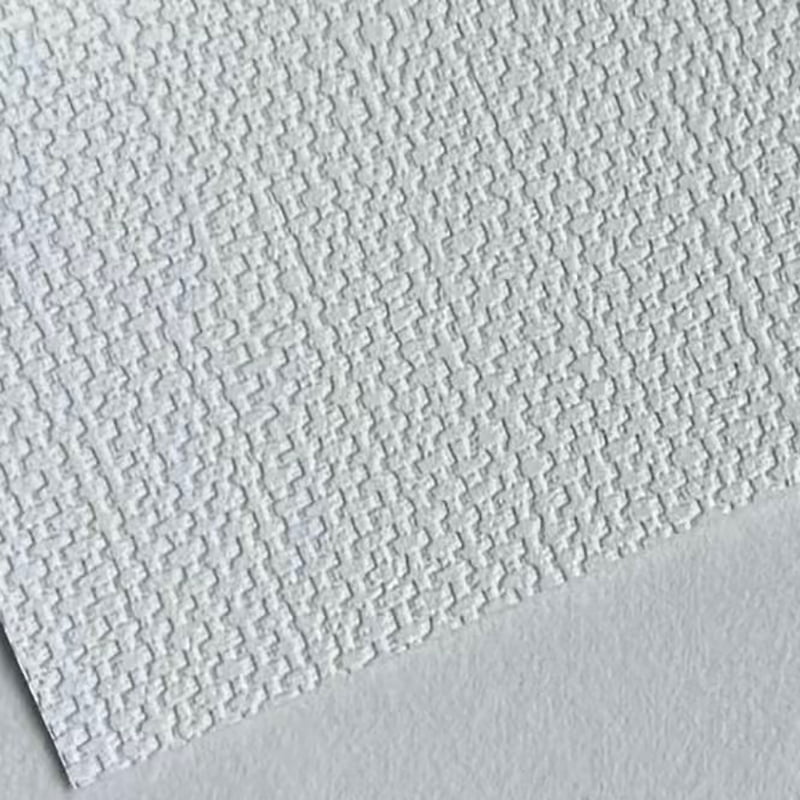
Standard latex-painted substrates provide a balanced, durable base material suitable for commercial fit-outs and residential accent walls. Composed of a non-woven backing layer integrated with an aqueous latex topcoat, this series eliminates the need for post-application painting or sealants.
The non-woven matrix provides high tear resistance during installation while maintaining dimensional stability, preventing seam shrinkage when adhesives dry. The smooth latex layer accepts embossing patterns while maintaining consistent color expression.
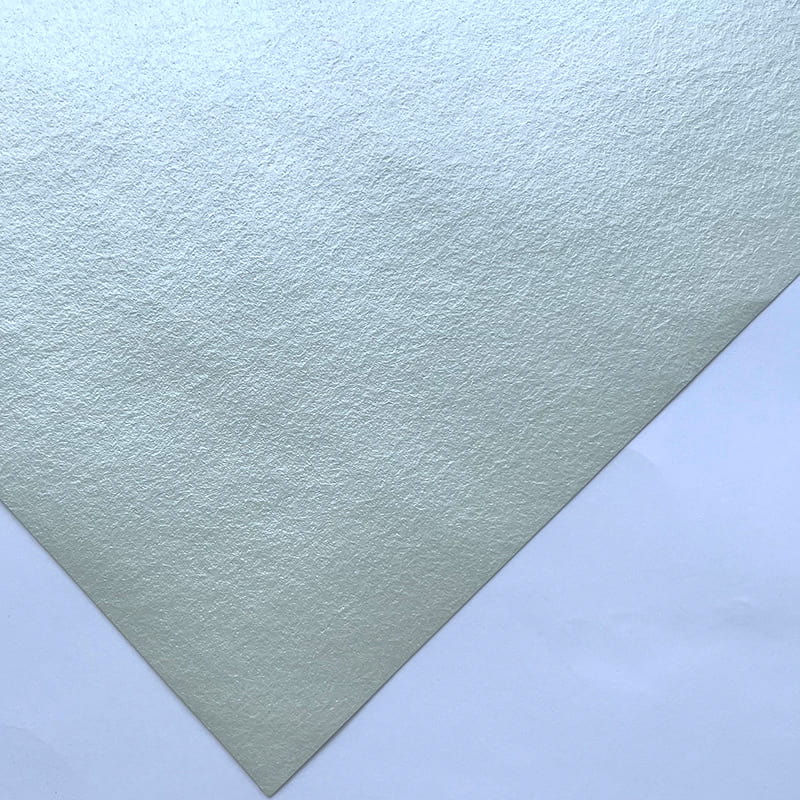
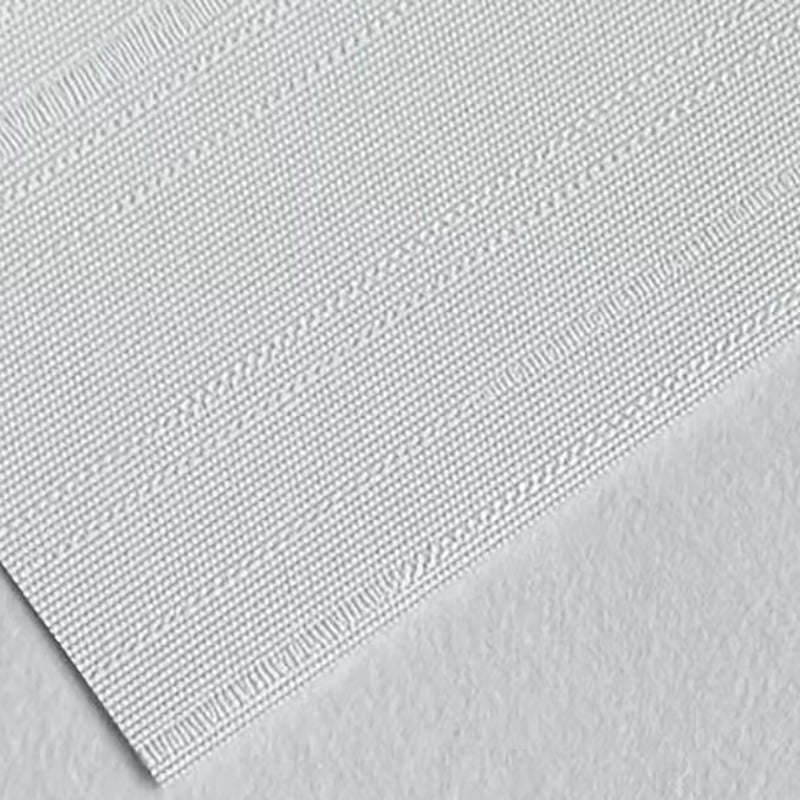
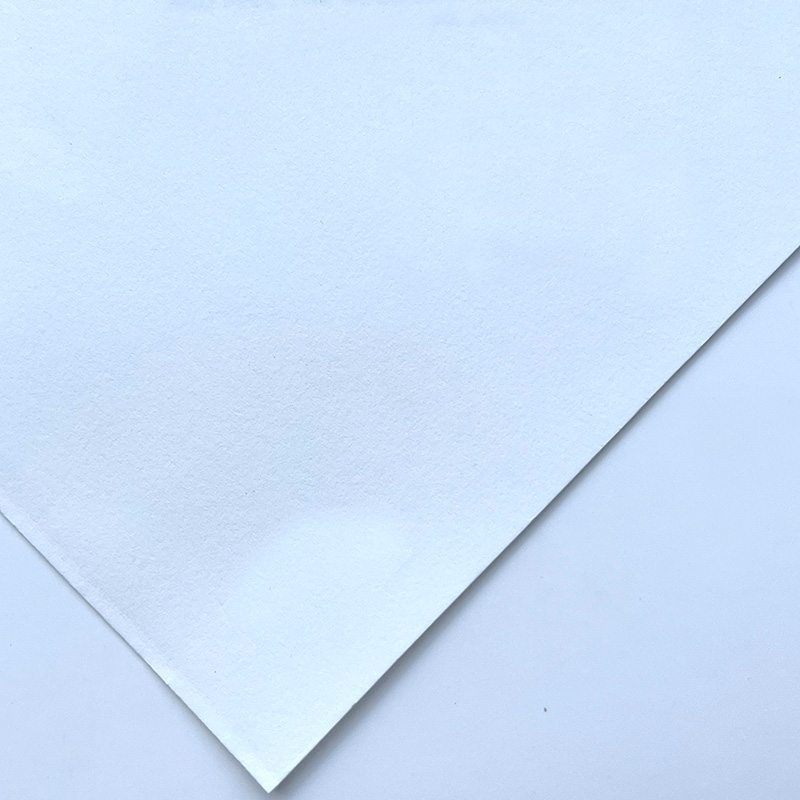
Designed for applications requiring seamless optical clarity, multi-layer high-smoothness substrates undergo specialized surface calendering and micro-layer coating applications. This process creates an ultra-flat foundation optimized for high-resolution graphics, metallic foils, pearlescent finishes, or faux-marble designs.
By filling microscopic voids in the non-woven web, this material ensures ink droplets deposit with minimal distortion, maximizing color gamut and image fidelity during digital printing.
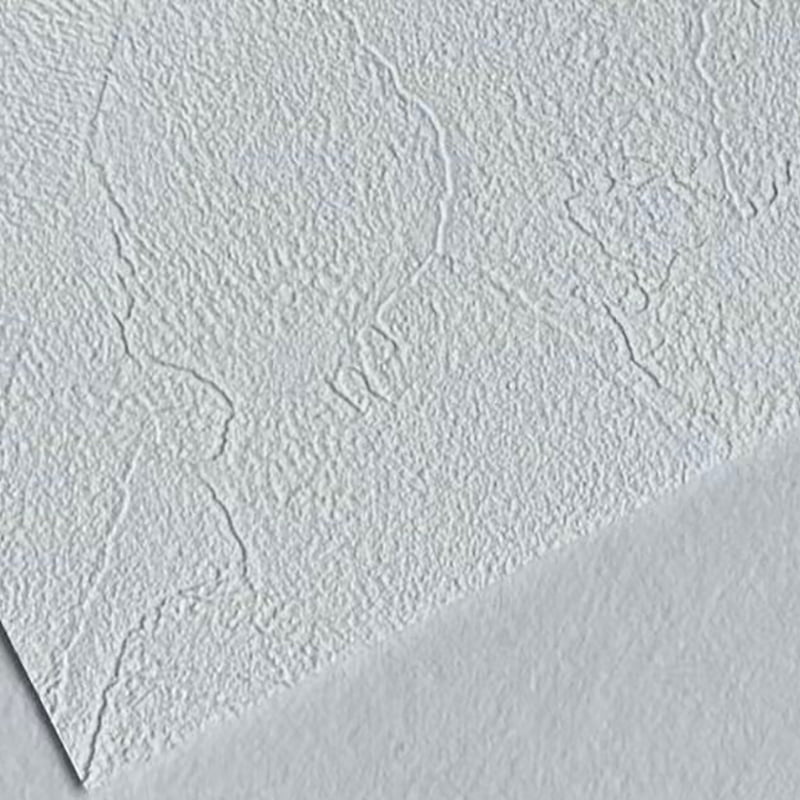
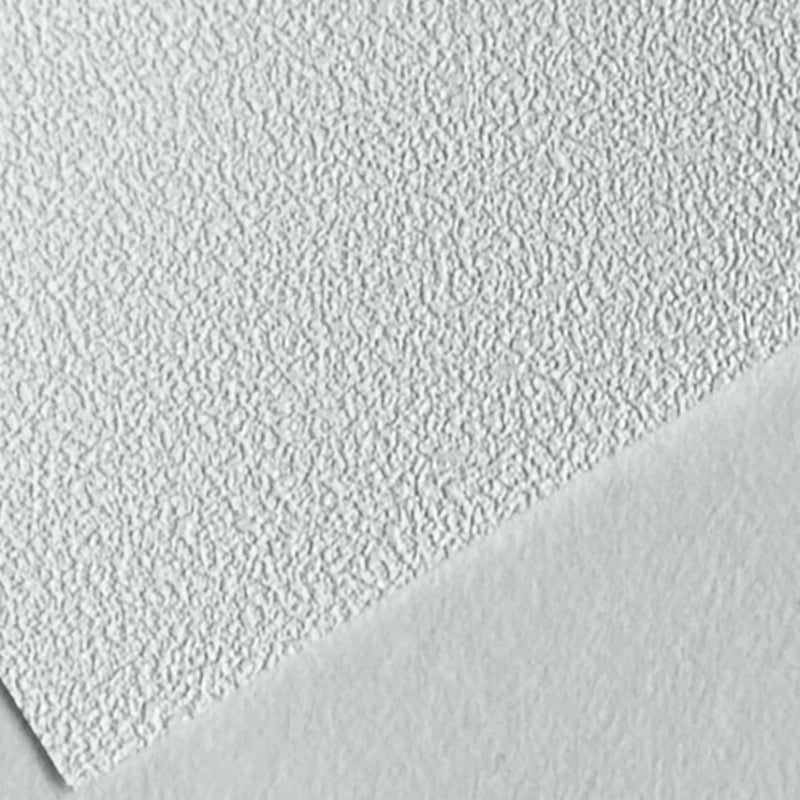
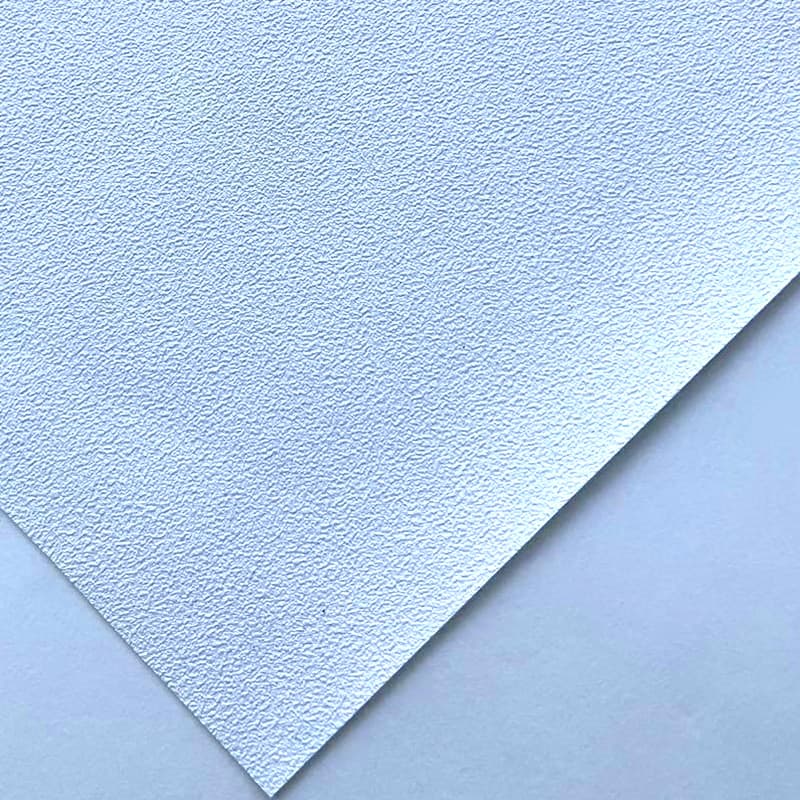
Mineral-textured substrates incorporate fine mineral particles into the latex coating formulation over a heavy-duty spunlace non-woven core. The resulting surface exhibits a textured, tactile feel reminiscent of natural sandstone, wet plaster, or brushed stone.
This substrate excels in rustic, industrial, or organic architectural concepts. The micro-rough texture adds visual depth and hides minor surface imperfections on the underlying wall substrate, reducing prep work before installation.
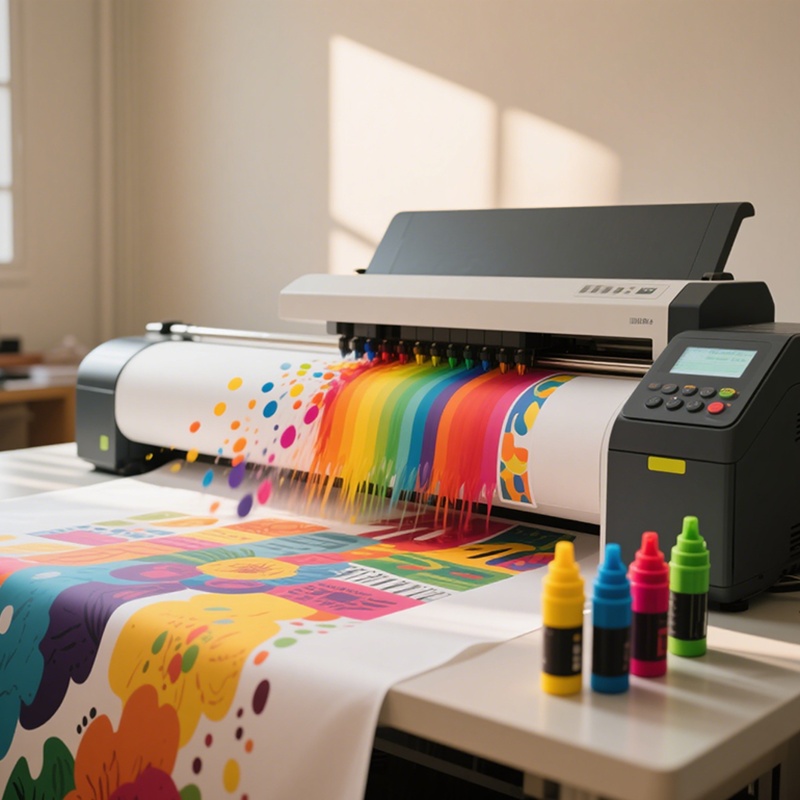
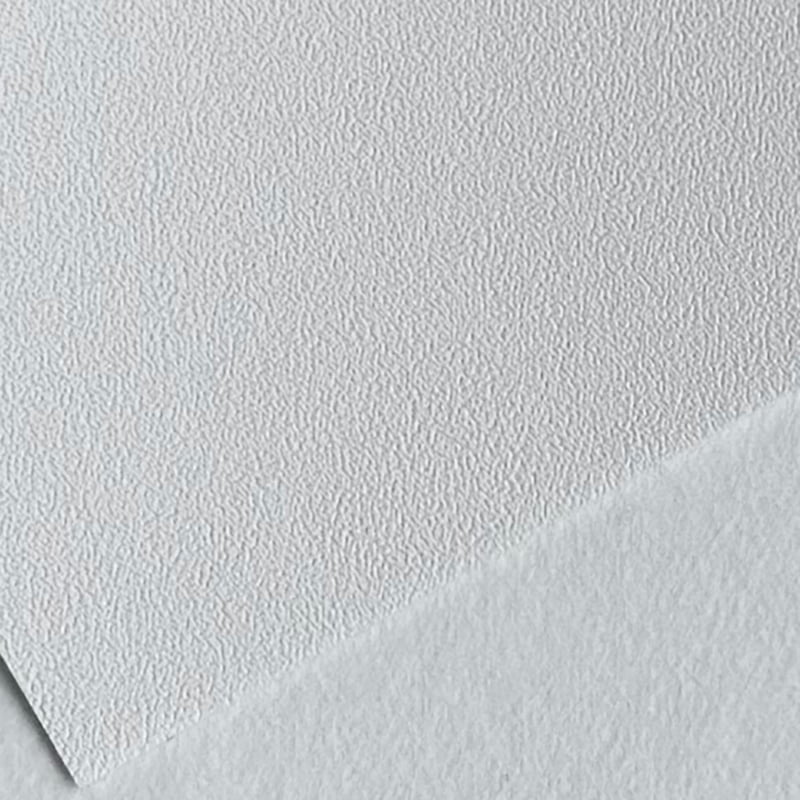
For custom digital printing, specialty wallcoverings encompass wide-format woven fabrics, self-adhesive canvas materials, non-woven papers, and flexible synthetic composites. These products feature surface coatings optimized for wide-format ink chemistries, including latex, UV-curable, and eco-solvent inks.
| Specification Metric | Standard Latex Series | High-Smoothness Series | Mineral-Textured Series | Printable Specialty Series |
|---|---|---|---|---|
| Base Composition | Latex Coating + 90g/120g Non-Woven | Latex Coating + 90g Non-Woven | Latex Coating + 90g Spunlace | Variable (Fabric, Paper, Canvas) |
| Grammage Range | 280 ± 20 g/m² to 340 ± 20 g/m² | 280 ± 20 g/m² | 360 ± 20 g/m² | 180 to 340 ± 20 g/m² |
| Standard Roll Width | 2.8 m to 3.2 m | 2.8 m to 3.2 m | 2.8 m to 3.2 m | 1.07m to 3.2 m |
| PVC Content | 0% (100% PVC Free) | 0% (100% PVC Free) | 0% (100% PVC Free) | 0% (PVC Free Options) |
Engineers and material specifiers must evaluate critical technical metrics when selecting wallcovering media. The matrix below details key performance indicators and their operational impact.
Wide-format dimensions allow floor-to-ceiling vertical installation without horizontal seams, improving optical continuity and installation speed.
Substrate weight correlates directly with opacity, tear resistance, and mechanical embossing depth capabilities.
Eliminating vinyl polymers prevents off-gassing, material embrittlement, and adhesive degradation over extended lifespans.
Non-woven backings are constructed from a randomized web of natural wood pulp and synthetic polyester fibers bound thermally or chemically. Unlike conventional paper backings that expand when wet and shrink during drying, non-woven matrices remain dimensionally stable. This eliminates seam separation, edge curling, and buckling caused by ambient humidity changes.
The formulation of the aqueous latex layer determines ink absorption and mechanical adhesion. Standard latex coatings provide balanced surface energy, ensuring proper wetting for digital inks while preventing excessive ink absorption. This ensures crisp dot gain control, vibrant color saturation, and efficient ink consumption.
Efficient shipping, roll density, and container utilization are vital for maintaining profit margins in international wallcovering distribution. Utilizing wide-format master rolls maximizes container capacity and lowers per-square-meter freight expenses.
| Container Configuration | Standard Surface Area Capacity(estimate) | Estimated Mass Yield(estimate) | Primary Distribution Target |
|---|---|---|---|
| 20 Foot General Purpose (20' GP) | 45,000 m² | 12,000 kg to 16,200 kg | Regional Distributors / Converters |
| 40 Foot High Cube (40' HQ) | 90,000 m² | 26,000 kg | Regional Distributors / Converters |
Shipping master rolls in wide formats (2.8m to 3.2m) reduces roll handling costs compared to standard 0.53m or 1.06m retail rolls. Converters can then cut, print, and convert master rolls into regional formats on demand.
Non-woven latex materials are completely PVC-free, eliminating volatile organic compounds, phthalate plasticizers, and chlorine fumes. They provide higher breathability, preventing moisture trapped behind walls from causing mold growth. Additionally, non-woven backings maintain excellent dimensional stability without shrinking or warping at the seams.
Wide-format rolls allow for seamless vertical or horizontal installations across standard ceiling heights. This eliminates vertical seams, speeds up installation in large commercial spaces, and provides a continuous visual canvas for murals and large-scale architectural designs.
Latex-coated wallcovering media show high compatibility with latex inkjet inks, UV-curable inks, and eco-solvent print systems. The aqueous latex topcoat provides ideal surface energy for consistent ink dot control, high color density, and strong mechanical scratch resistance.
Stored in original moisture-proof protective packaging under controlled conditions (5 to 45 centigrade), non-woven master rolls have an unprinted shelf life exceeding 12 months after leaving from the factory. Rolls should be stored horizontally in their cradles to prevent core deformation or pressure marks.



+86-21-68881570

info@mirowallcovering.com

A207 No.2 Building NO.555 Lansong PD Pudong District 200137, Shanghai China
© Shanghai MIRO Import and Export Co., Ltd. All Rights Reserved. Custom Eco-Friendly Sustainable Wallpaper Manufacturersprivacy
