


 中文简体
中文简体 English
 русский
 Español
 عربى
عربى
Home / News / Industry News / Peel-and-Stick Canvas: Performance, Features, and Applications in Custom Printed Murals
Industry News
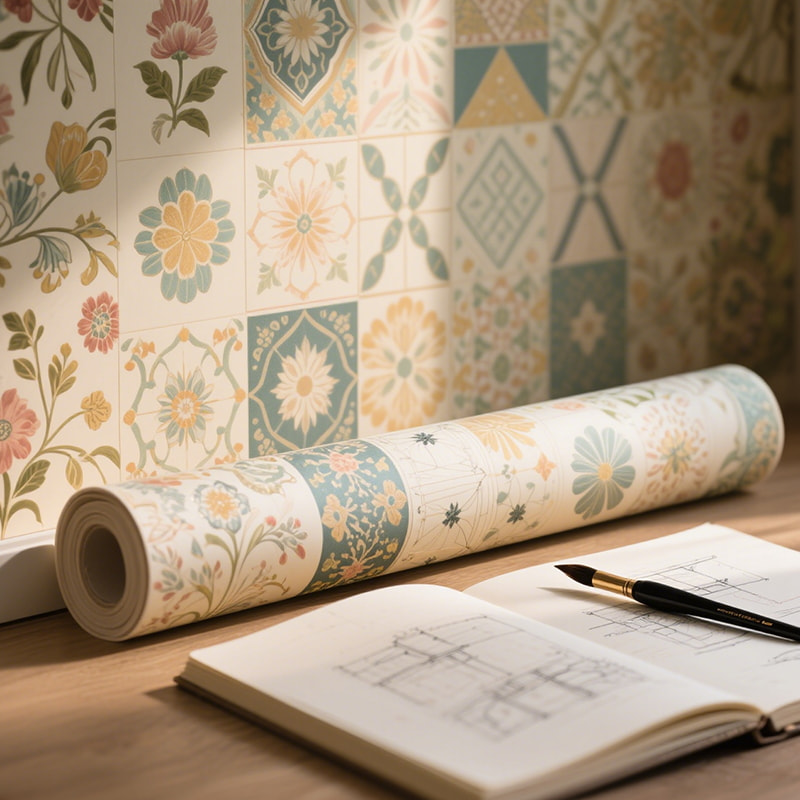
Peel-and-stick canvas has emerged as a game-changing material in the custom printing and interior decoration industry. Combining the tactile richness of traditional artist canvas with the convenience of pressure-sensitive adhesive technology, this substrate enables designers, print shops, and installers to transform walls, panels, and display surfaces with unprecedented speed and flexibility.
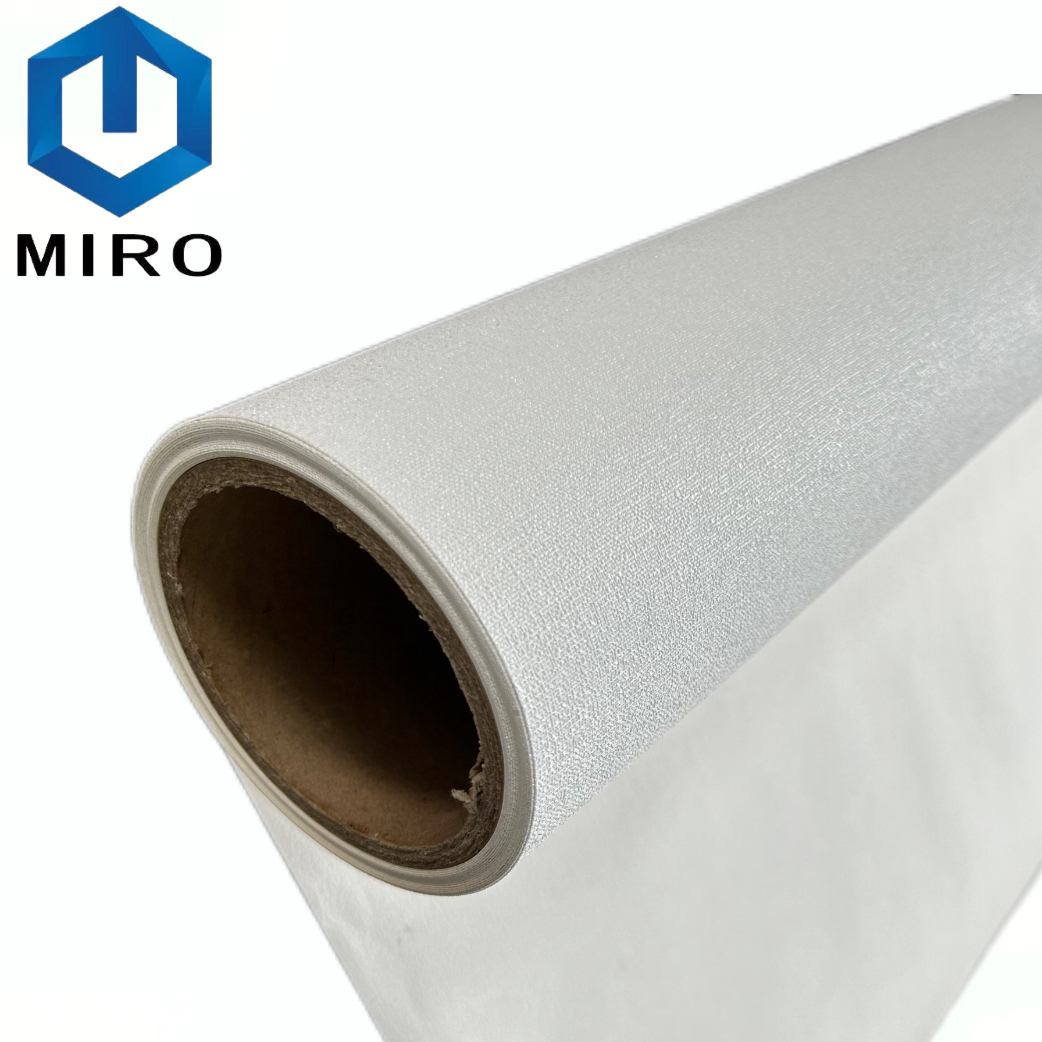
The MIRO® M-PC340E2 self-adhesive canvas exemplifies this category—engineered for professional-grade digital printing, repositionable application, and reliable removability, it bridges the gap between decorative aesthetics and practical installation.
The peel-and-stick functionality is built upon a three-layer engineered structure:
| Layer | Material | Weight | Function |
|---|---|---|---|
| Face | Coated polyester fabric (150D×150D) | 200g ± 10g | Printable surface with canvas texture; accepts Latex, UV, and Eco-solvent inks |
| Adhesive | Eco-friendly water-based acrylic glue | 50g ± 10g | Provides repositionable and removable bonding; solvent-free and low-VOC |
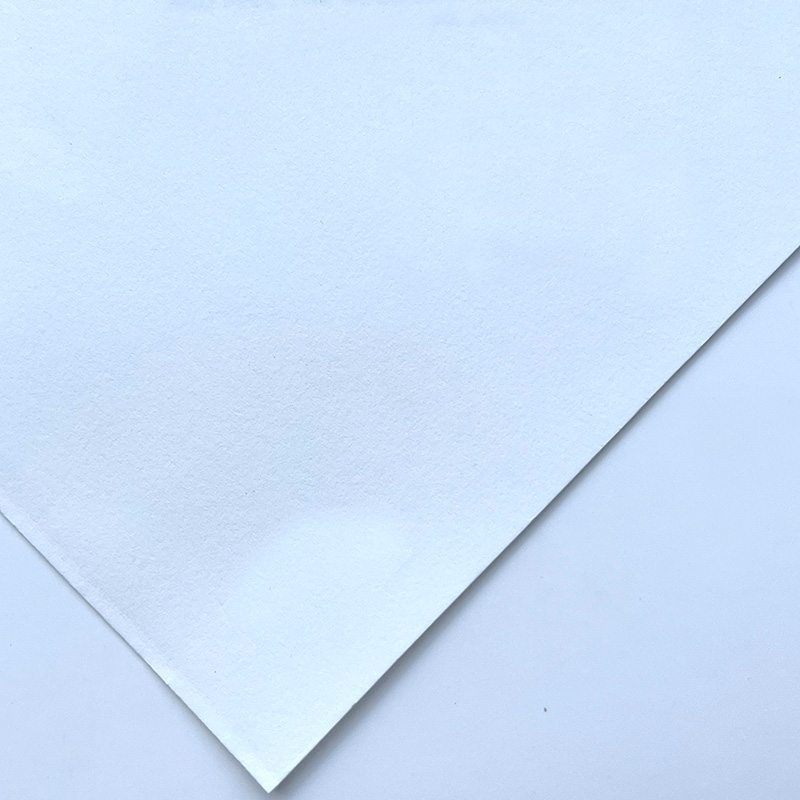
| Liner | Release paper | 95g ± 5g | Protects adhesive until application; peels off cleanly |
(fabric + adhesive: 220 ± 20 microns; release paper: 100–120 microns)
Unlike traditional wallpaper or heat-activated adhesives, this canvas allows installers to lift, adjust, and reposition the material during installation without damaging the substrate or losing tack. This significantly reduces material waste caused by misalignment—a common pain point in large-format mural projects.
When the mural needs to be updated or removed, the canvas can be peeled off cleanly from most smooth surfaces (e.g., painted walls, wood panels, KT boards). This feature is particularly valuable for temporary exhibitions, retail window displays, and rental spaces where wall integrity must be preserved.
The pressure-sensitive adhesive activates immediately upon contact—no heat, water, or additional glue required. This dry-installation process saves labor time, eliminates drying delays, and allows the finished mural to be used or displayed right away.
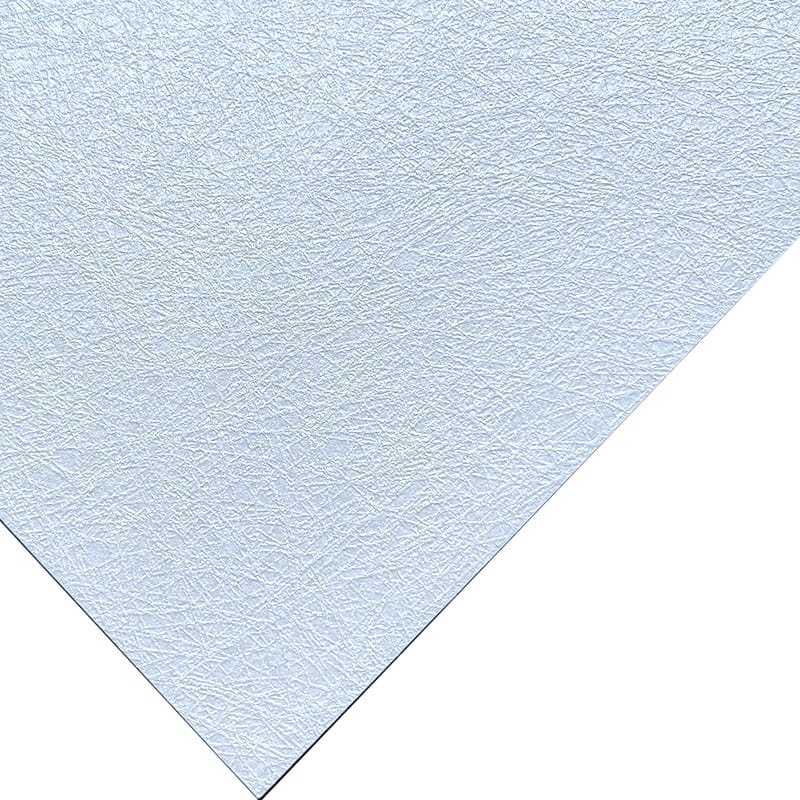
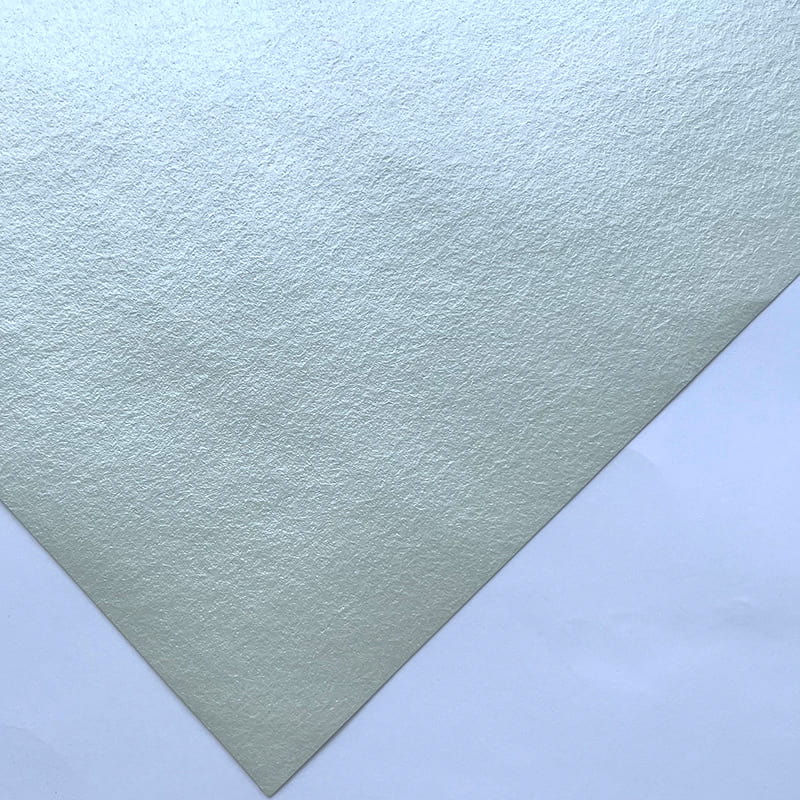
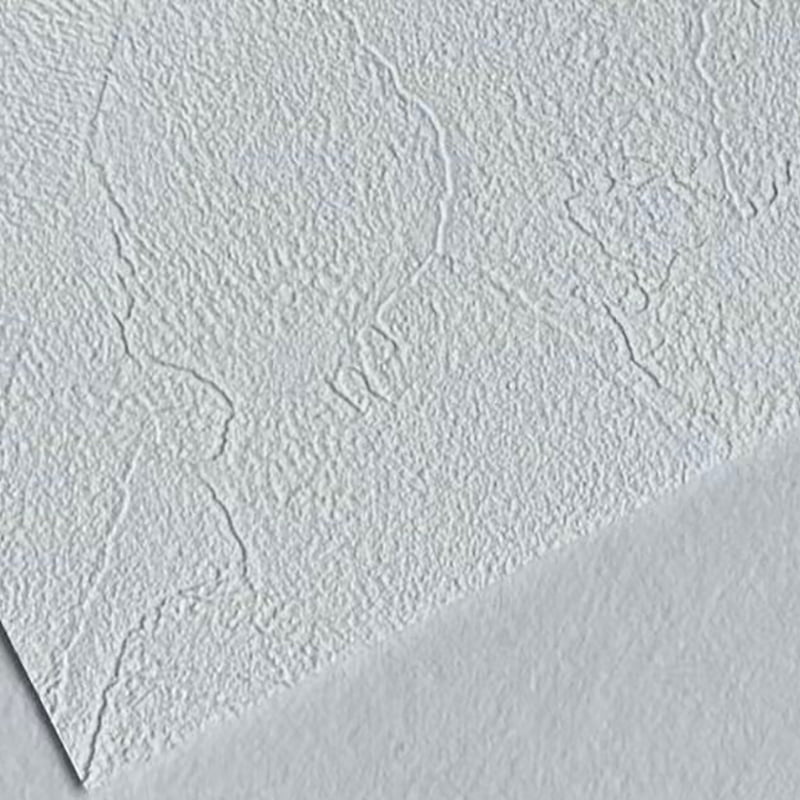
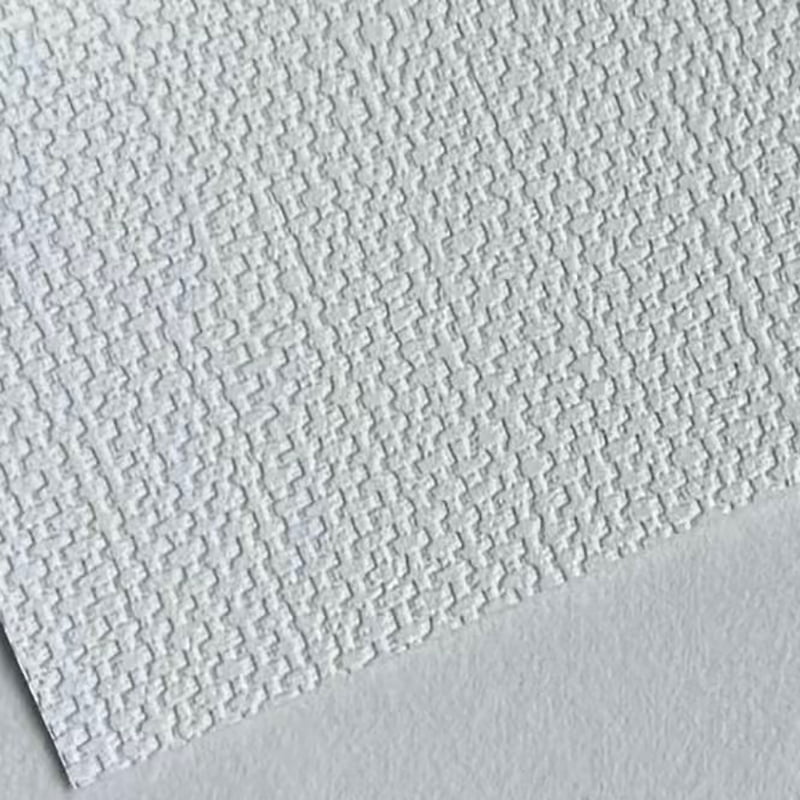
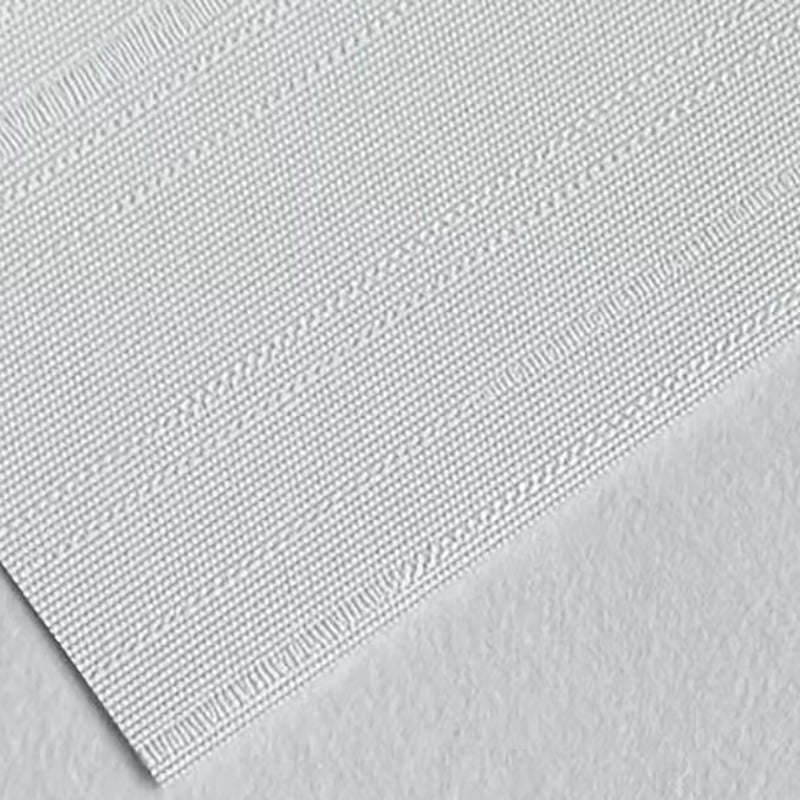
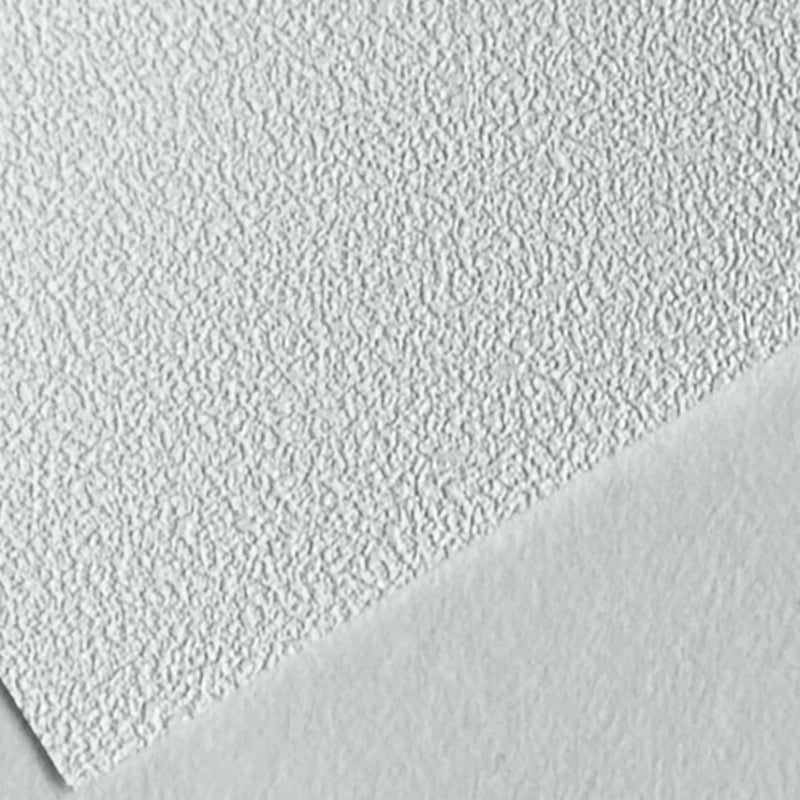
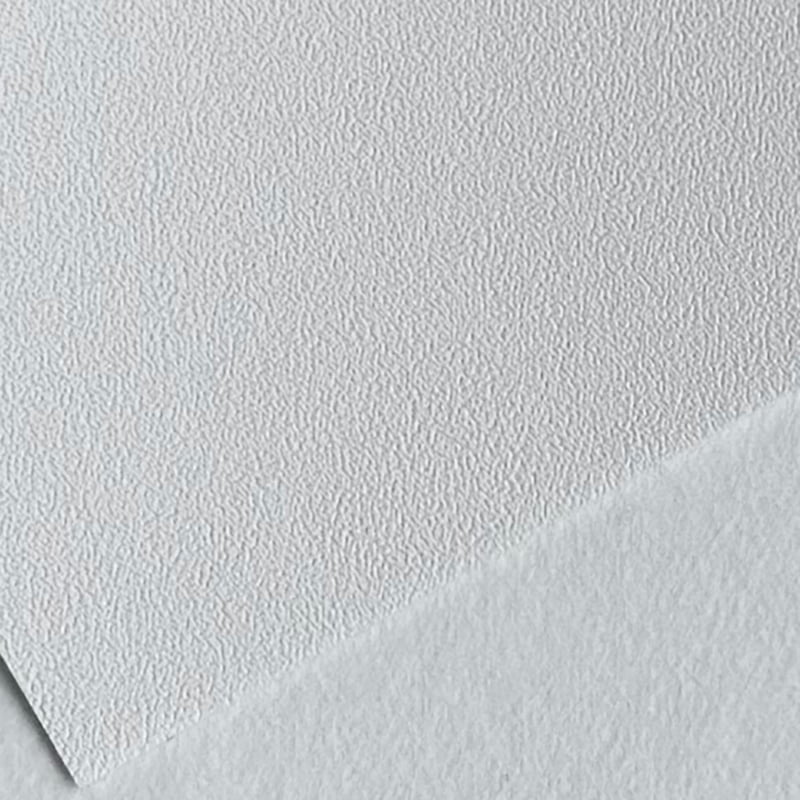
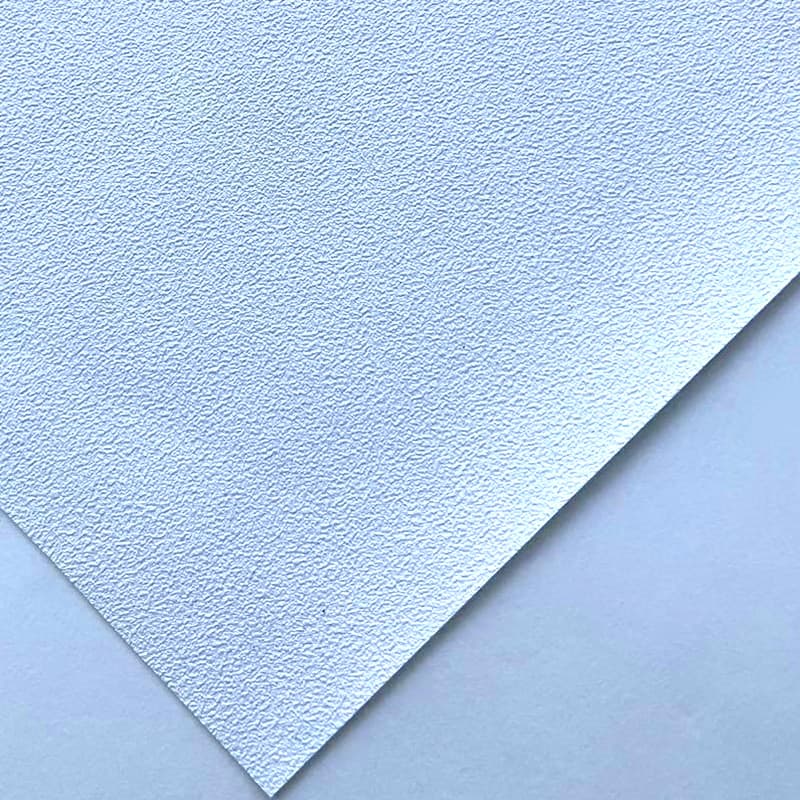
The 150D×150D polyester fabric provides a fine, uniform weave that mimics traditional artist canvas. This texture not only enhances the visual depth of printed images but also conceals minor wall imperfections such as hairline cracks or uneven surfaces.
| Parameter | Specification |
|---|---|
| Product Code | M-PC340E2 |
| Available Widths | 1.37m / 1.52m |
| Roll Length | 50 meters |
| Weight Tolerance | ±20g |
| Adhesive Type | Eco-friendly water-based acrylic |
| Certifications | REACH compliant |
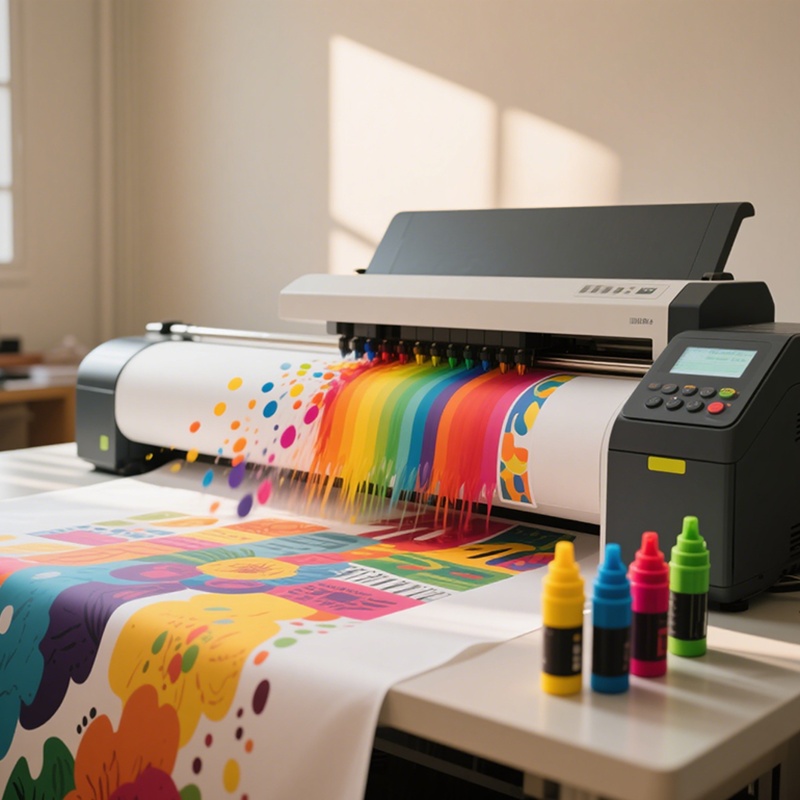
| Compatible Inks | Latex, UV, Eco-solvent |
| Shelf Life (Adhesive) | 12 months from ex-factory date |
Note: Adhesive strength naturally diminishes over time, even under ideal storage. It is recommended to use the product within its valid shelf life.
The peel-and-stick canvas is ideal for large-format decorative walls in hotels, corporate lobbies, showrooms, and residential interiors. Its ability to print vivid, high-resolution images—from abstract art to photographic landscapes—makes it a preferred choice for designers seeking bespoke wall solutions without permanent alteration.
Print shops frequently use this material for giclée-style art reproductions and stretched-canvas alternatives. The fabric texture lends an authentic painterly feel, while the adhesive backing simplifies mounting onto foam boards, MDF panels, or stretcher frames.
Museums and galleries require temporary, non-damaging display solutions. This canvas enables curators to install interpretive graphics, exhibition panels, or backdrop murals quickly, and remove them cleanly after the show ends—preserving historic walls and avoiding costly restoration.
Pop-up stores, trade show booths, and seasonal retail displays benefit from the fast turnaround and repositionable nature of this material. Graphics can be applied on-site without specialist tools, adjusted for perfect alignment, and later removed or replaced as campaigns evolve.
Smaller-format applications include custom decals, brand stickers, and promotional graphics. The canvas texture differentiates these products from standard vinyl stickers, offering a premium, artisanal feel that appeals to boutique brands and creative agencies.
To maximize adhesive performance and print longevity, the following conditions are recommended:
| Factor | Requirement |
|---|---|
| Temperature | 18°C – 22°C during application |
| Humidity | 45% – 55% during application |
| Substrate Condition | Clean, dry, oil-free, dust-free (e.g., painted wall, wood panel, KT board) |
| Post-Application | Squeegee firmly to eliminate air bubbles and ensure full adhesive contact |
Critical note: Substrate contamination (moisture, dust, grease) directly reduces adhesion—this is due to surface conditions, not adhesive quality.
Traditional murals require paste application, soaking time, and drying periods. Peel-and-stick canvas reduces installation time by up to 60–70%, enabling print providers to offer faster turnarounds and contractors to meet tight project deadlines.
Because the material supports on-demand digital printing, designers can create site-specific, one-off murals without minimum-order constraints. This democratization of custom wall décor has fueled growth in boutique hospitality, co-working spaces, and high-end residential projects.
The water-based acrylic adhesive is eco-friendly, contains no solvents, and complies with REACH regulations. The canvas itself is free from heavy metals and phthalates, aligning with the growing demand for greener interior materials.
The repositionable feature dramatically lowers the "installer anxiety" factor. Mistakes can be corrected mid-installation, reducing material waste and reprint costs—a significant financial benefit for print service providers.
The MIRO® M-PC340E2 peel-and-stick canvas combines the aesthetic authenticity of textured fabric with the practical benefits of pressure-sensitive adhesive technology. Its repositionable, removable, and instantly bondable characteristics make it a versatile substrate for custom-printed wall murals, art reproductions, museum displays, and retail graphics—all while maintaining environmental responsibility and professional-grade print quality.
For print shops, designers, and contractors, this material represents not just a product, but a solution that streamlines workflow, enhances creative possibilities, and delivers reliable performance from installation to deinstallation.


+86-21-68881570

info@mirowallcovering.com

A207 No.2 Building NO.555 Lansong PD Pudong District 200137, Shanghai China
© Shanghai MIRO Import and Export Co., Ltd. All Rights Reserved. Custom Eco-Friendly Sustainable Wallpaper Manufacturersprivacy
