中文简体
中文简体 English
 русский
 Español
 عربى
عربىIndustry News
Wallcovering raw materials form the physical and chemical foundation of the base, surface, and adhesives that directly determine the final product's durability, texture, and environmental safety. By carefully selecting specific paper, vinyl, or natural fiber bases, combined with appropriate coatings and binders, manufacturers can tailor wallcoverings to meet stringent interior design, maintenance, and sustainability standards.
The Primary Base Substrates in Wallcoverings
The substrate is the foundational layer of any wallcovering, providing structural integrity and dictating how the material behaves during installation. The most common raw materials for substrates include wood pulp paper, non-woven fabrics, and vinyl compounds. Non-woven substrates are increasingly preferred in modern manufacturing due to their dimensional stability, which prevents the material from expanding or contracting when exposed to humidity.
Wood Pulp and Paper Foundations
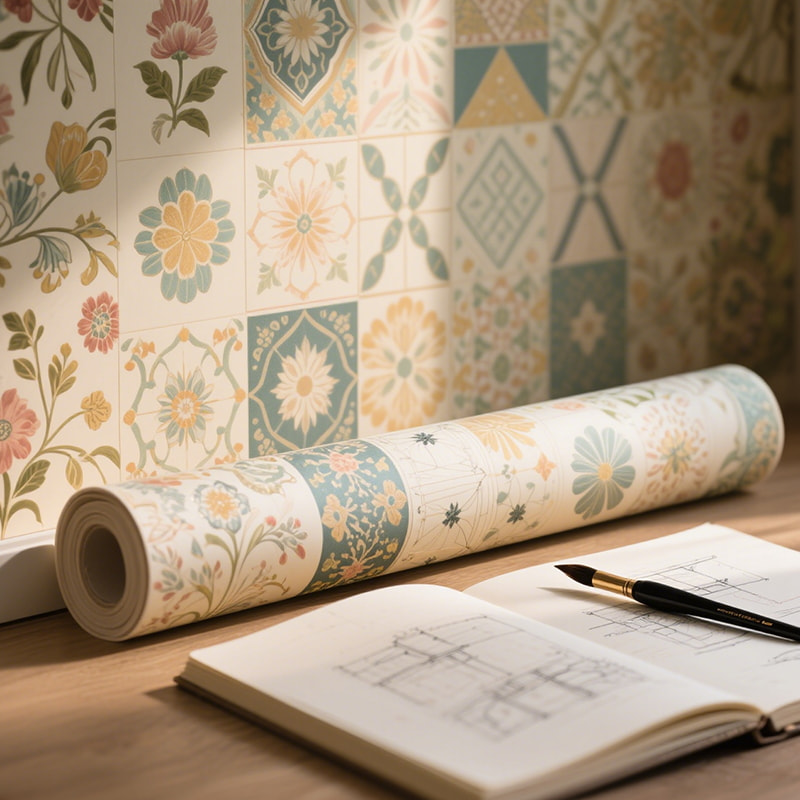
Traditional paper substrates are derived from wood pulp. They offer excellent breathability, which helps prevent mold growth behind the wallcovering. However, they are susceptible to tearing and require careful handling during installation. Paper substrates are often used for high-end, custom-printed wallcoverings where fine detail is required.
Synthetic and Blended Substrates
Non-woven substrates are made from a blend of natural and synthetic fibers, such as wood pulp and polyester. These materials are bonded together through mechanical, chemical, or thermal processes rather than weaving. This creates a strong, tear-resistant base that allows for peelable removal. Vinyl substrates, often PVC-based, are utilized when maximum moisture resistance and cleanability are required.
Surface Coatings and Decorative Finishes
Once the substrate is established, surface coatings and finishes are applied to provide color, texture, and protection. The raw materials used in this layer determine the wallcovering's aesthetic appeal and its resistance to fading, staining, and abrasion.
- Water-based acrylic emulsions: These are widely used as topcoats to provide a protective barrier. They dry clear, allowing the underlying design to show through while offering excellent scrub resistance.
- Pigments and dyes: Inorganic pigments like titanium dioxide are used for opacity and whiteness, while various organic pigments provide a broad spectrum of colors that resist UV degradation.
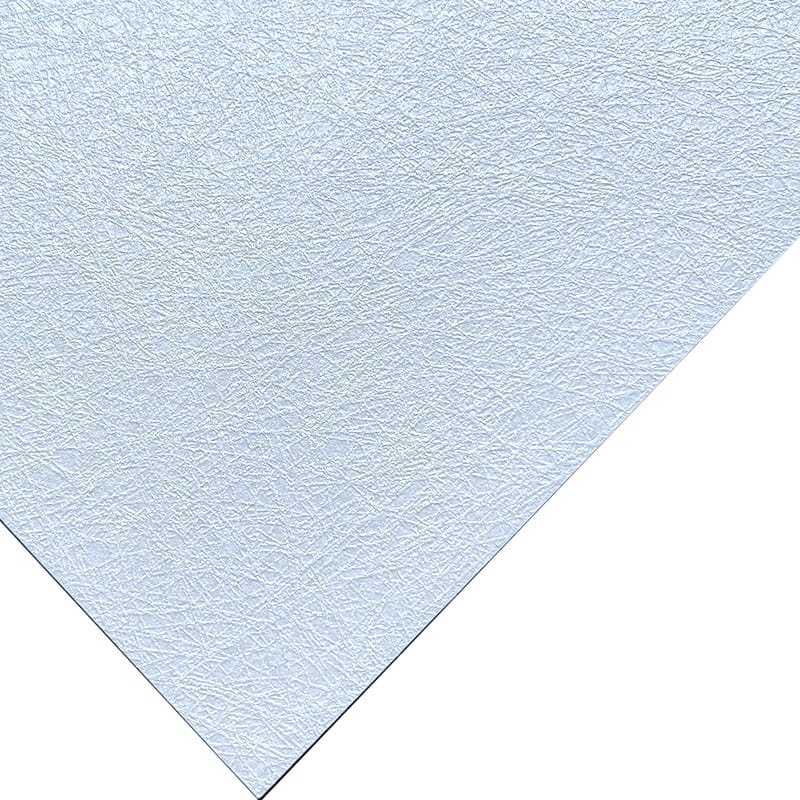
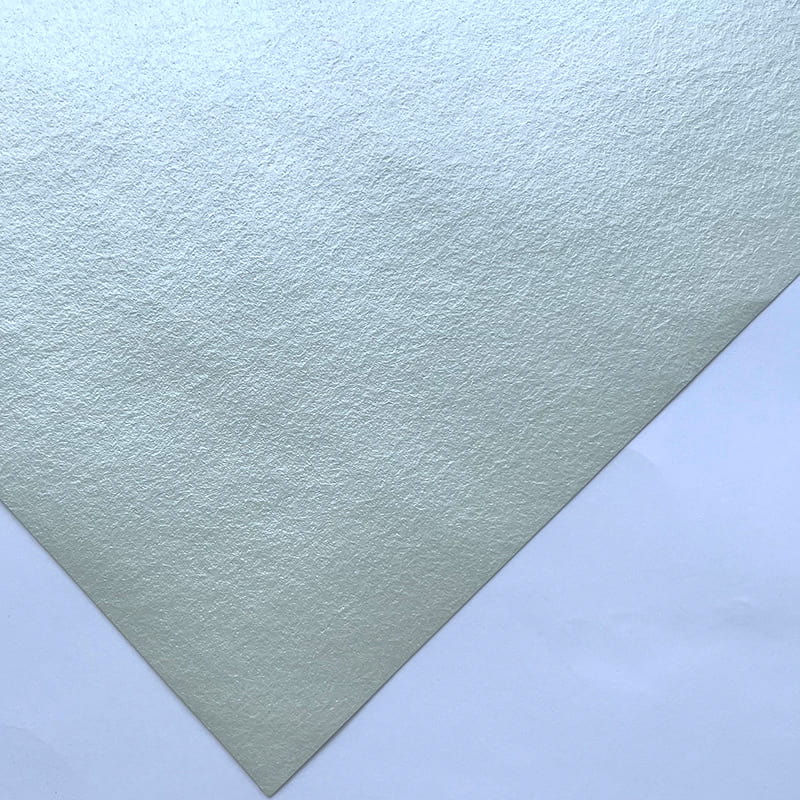
- Texturing agents: Materials such as crushed mica, sand, or specialized polymer beads are added to create tactile, three-dimensional surfaces.
Adhesives and Binders
Adhesives are critical raw materials that ensure the wallcovering bonds securely to the wall surface. The chemistry of these binders has evolved significantly to reduce volatile organic compounds (VOCs) and improve indoor air quality.
Traditional Starch vs. Modern Synthetics
Historically, adhesives were derived from natural starches, such as wheat or potato. While still used for certain delicate papers, modern wallcovering installations rely heavily on cellulose ethers and synthetic polymer emulsions. Cellulose-based adhesives offer excellent slip, allowing the installer to slide the wallcovering into the correct position before the bond sets. Synthetic resins, like ethylene vinyl acetate (EVA), provide a stronger, longer-lasting grip that is essential for heavier vinyl and fabric-backed wallcoverings.
Natural Fibers and Specialty Materials
For applications demanding a unique, organic aesthetic, natural fibers are utilized as both the substrate and the visible surface. These materials bring the raw beauty of nature indoors but require specific handling and maintenance protocols.
- Grasscloth: Woven from natural grasses and backed with paper, offering rich texture but limited cleanability.
- Cork: Harvested from the bark of cork oak trees, providing natural insulation and acoustic dampening.
- Silk and Linen: High-end textiles laminated to a paper or fabric backing for a luxurious finish.
Environmental Impact and Sustainable Sourcing
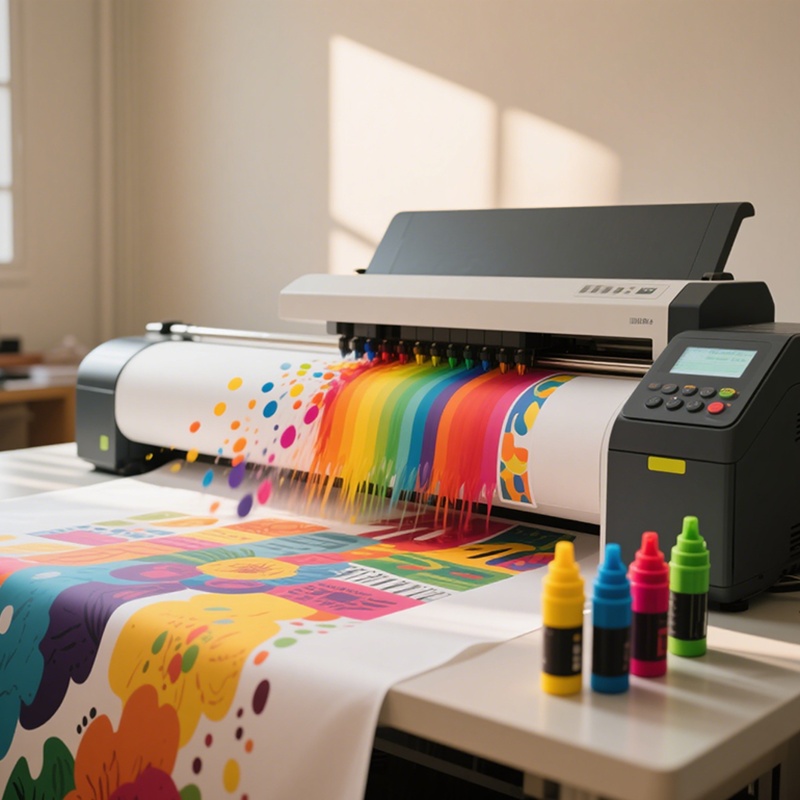
The wallcovering industry has seen a significant shift toward sustainable raw materials. Manufacturers are actively replacing traditional PVC with polyolefins and bio-based polymers that do not release chlorine gas during incineration. The use of recycled wood pulp and post-consumer recycled content has grown substantially, reducing the reliance on virgin timber. Furthermore, water-based inks and adhesives free of heavy metals and plasticizers are becoming the industry standard, ensuring that the raw materials do not compromise indoor air quality or end-of-life recyclability.
Selecting Raw Materials Based on Application Needs
Choosing the correct raw materials is essential for ensuring the longevity and performance of the wallcovering in its intended environment. Different spaces demand different physical properties from the base, coating, and adhesive components.
| Application Area | Recommended Base Material | Key Performance Requirement |
|---|---|---|
| High-Humidity Bathrooms | Vinyl or Solid Polymer | Moisture and mold resistance |
| High-Traffic Commercial Corridors | Non-woven or Fabric-backed Vinyl | Abrasion and scrub resistance |
| Residential Living Rooms | Wood Pulp Paper or Non-woven | Aesthetic detail and breathability |
| Eco-Friendly Spaces | Recycled Paper or Natural Fibers | Low VOCs and biodegradability |
By understanding the specific properties of each raw material, from the structural backing to the decorative surface, specifiers can make informed decisions that balance aesthetics, functionality, and environmental responsibility. The continuous innovation in material science ensures that wallcoverings remain a versatile and durable choice for interior design.