中文简体
中文简体 English
 русский
 Español
 عربى
عربىIndustry News
Eco-friendly wallpaper is a green wall covering made from renewable natural raw materials with zero or minimal toxic chemical additives, offering safe indoor living conditions while cutting environmental damage across production, usage and disposal phases. Traditional vinyl wallpaper releases large amounts of volatile organic compounds and non-degradable waste, while qualified eco-friendly wallpaper keeps harmful gas emissions at an extremely low level, balances decorative aesthetics, human physical health and global ecological protection, and suits residential houses, children’s rooms, offices and light commercial spaces of all sizes. As public awareness of indoor air quality rises, this sustainable wall material has gradually replaced conventional decorative wall coverings as the preferred renovation option for health-focused households.
Definition and Distinct Core Traits of Eco-Friendly Wallpaper
Eco-friendly wallpaper stands for wall decorative fabrics that follow circular environmental standards in the whole product lifecycle, including raw material extraction, manufacturing, construction and post-use recycling. It rejects synthetic plastic substrates and high-toxic auxiliary agents widely applied in regular wallpaper, prioritizing biodegradable, plant-based and mineral-based base materials to lower indoor pollution load and carbon footprint simultaneously.
Must-Have Features of Certified Eco-Friendly Wallpaper
- Near-zero formaldehyde and heavy metal content: Standard eco wall coverings pass strict global indoor safety tests, with volatile organic compound readings dozens of times below the safety threshold set for interior finishing materials.
- Breathable natural substrate structure: The porous fiber structure prevents moisture trapping inside walls, effectively inhibiting mold and mildew growth in humid climates and extending wall service life.
- Fully biodegradable after disposal: Unlike plastic-based wallpaper that lingers in landfills for centuries, plant-fiber eco wallpaper breaks down naturally without releasing persistent chemical pollutants into soil and water.
- Low-carbon production flow: Manufacturing procedures reduce fossil fuel consumption and waste water discharge, avoiding heavy pollution generated by plastic melting and chemical printing processes of traditional wall coverings.
Main Natural Raw Material Categories for Eco-Friendly Wallpaper
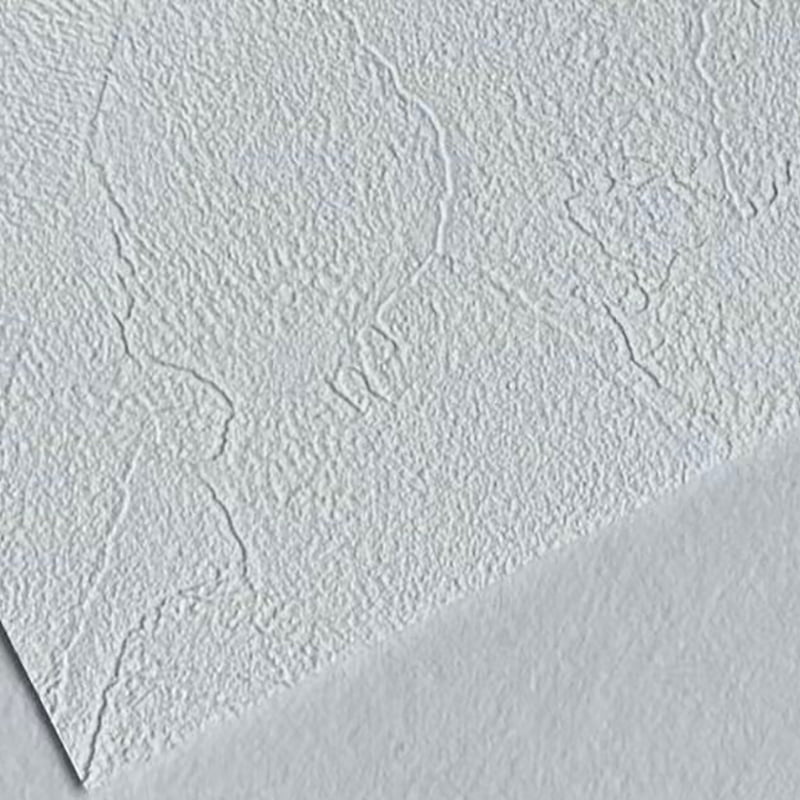
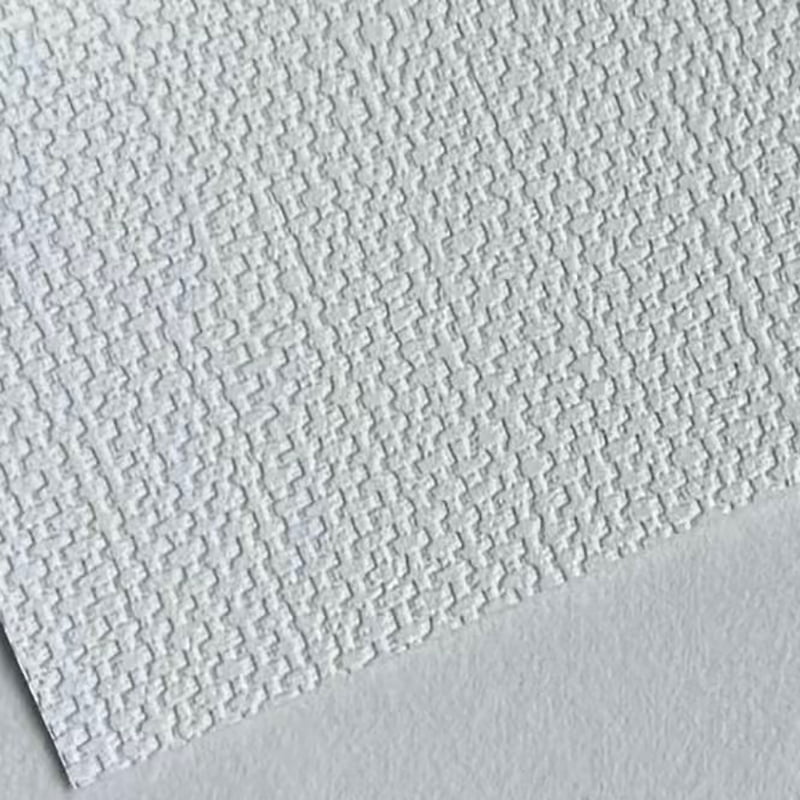
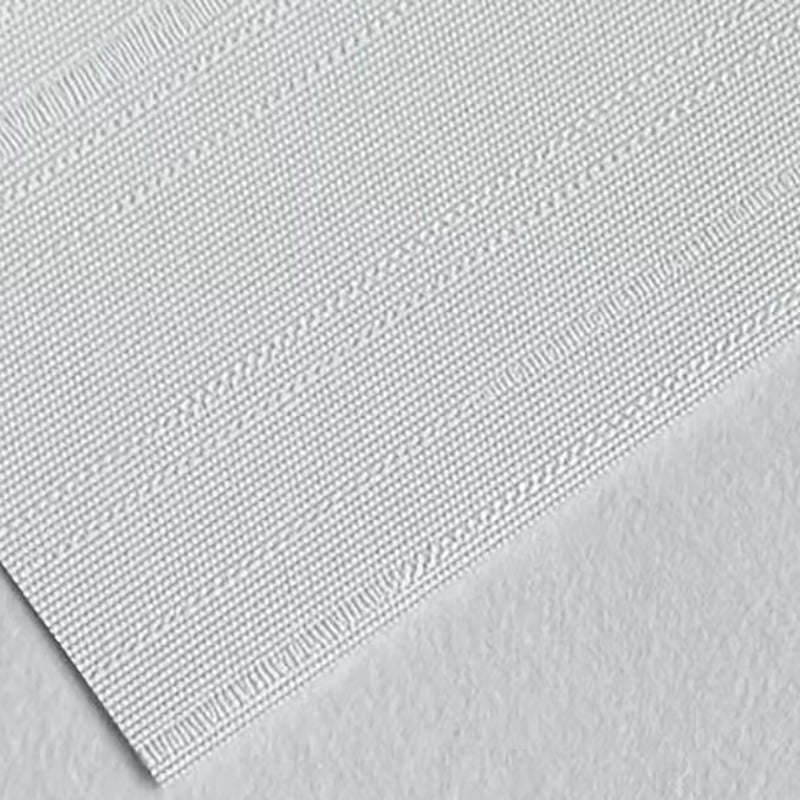
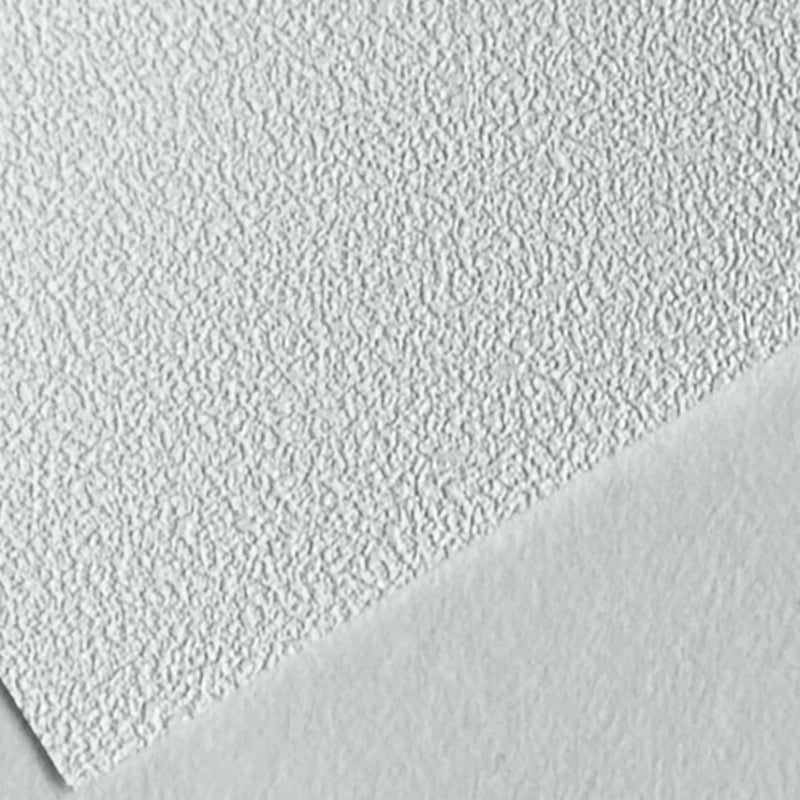
The core environmental performance of eco-friendly wallpaper relies entirely on its base material. Different natural raw materials deliver different texture, moisture resistance, cost and applicable scenarios. The table below sorts mainstream eco base materials and their core strengths for intuitive comparison.
| Raw Material Type | Core Advantages | Suitable Space |
|---|---|---|
| Pure wood pulp fiber | Soft texture, strong air permeability, affordable price | Bedrooms, study rooms |
| Bamboo fiber | Natural antibacterial, fast renewable raw material | Children’s rooms, humid coastal houses |
| Plant linen fiber | Thick texture, excellent sound absorption effect | Living rooms, audio rooms |
| Natural mineral powder | Fire retardant, stain resistant, zero organic volatiles | Offices, public activity areas |
How Each Raw Material Optimizes Indoor Living Environment
Wood pulp wallpaper adopts recycled timber resources from sustainable forest management, cutting deforestation pressure. Bamboo grows rapidly without chemical fertilizer reliance, and its natural bacteriostatic components restrain the reproduction of harmful microorganisms on wall surfaces. Linen fiber’s thick interwoven structure absorbs extra indoor noise, lowering echo and creating quieter indoor surroundings. Mineral powder wallpaper uses inorganic natural stone powder as the base, which will not release toxic gas even under high temperature exposure, making it a safe pick for spaces with strong sunlight exposure.
Health and Ecological Benefits of Choosing Eco-Friendly Wallpaper
The value of eco-friendly wallpaper covers two major dimensions: personal long-term physical health protection and global ecological burden reduction. Many households ignore the long-term hidden hazards hidden in ordinary wall coverings, while eco wall materials eliminate most of these potential risks fundamentally.
Health Advantages for Indoor Residents
- Reduce respiratory discomfort: Long-term inhalation of volatile chemicals from regular wallpaper easily triggers dry throat, cough and allergic rhinitis. Eco wallpaper’s low-emission formula greatly lowers allergy attack frequency for sensitive groups such as kids and pregnant women.
- Avoid skin contact poisoning: Daily body contact with walls will absorb trace heavy metal additives in cheap wallpaper. Qualified eco versions use plant-based pigment printing without lead, mercury and other heavy metal compounds.
- Improve indoor humidity balance: Breathable fiber substrates exchange moisture with indoor air, preventing excessively dry or damp air that damages skin and respiratory mucosa.
Global Environmental Protection Advantages
- Cut plastic waste output: Plastic wallpaper cannot degrade naturally, and abandoned wall materials become solid waste that pollutes soil and underground water. Eco fiber wallpaper decomposes completely under natural conditions within several years.
- Lower carbon emissions during production: Plant raw material processing consumes far less energy than plastic polymerization, slashing carbon release throughout the manufacturing supply chain.
- Reduce chemical water pollution: Printing and coating for conventional wallpaper discharge large volumes of chemical wastewater. Eco-friendly water-based plant ink generates nearly harmless waste water that can be purified easily.
Practical Standards to Judge True Eco-Friendly Wallpaper
Many decorative materials label themselves green products for marketing, but not all reach real environmental safety standards. Buyers can rely on multiple practical detection methods to distinguish genuine eco-friendly wallpaper from fake alternatives before purchase and construction.
Simple On-Site Inspection Methods
- Smell test: Genuine eco wallpaper carries a faint natural plant or mineral odor with no pungent chemical smell. Strong irritating odors indicate high chemical additive content.
- Water permeability test: Drop clean water on the wallpaper surface. Breathable eco materials absorb water slowly and evenly, while plastic non-eco versions repel water completely without penetration.
- Fiber observation: Tear a small edge of the wall covering. Eco types show visible natural fiber texture, while fake eco wallpaper displays smooth plastic cut surfaces.
Formal Standard Certification Reference
Authoritative environmental certification marks verify that products pass strict toxic substance limit tests. Products without relevant certification marks cannot be recognized as standard eco-friendly wallpaper, even if merchants advertise them as green decoration materials. These certifications set unified limit values for volatile organic compounds, heavy metals and harmful solvent residues, forming objective evaluation benchmarks for wall covering environmental performance.
Eco-Friendly Wallpaper Installation & Low-Impact Maintenance Tips
Even premium eco wallpaper will lose part of its environmental advantages if matched with toxic glue during installation. Supporting construction materials and daily maintenance also need to follow green rules to sustain full-cycle environmental protection effects.
Green Construction Matching Requirements
Ordinary wall glue contains abundant formaldehyde preservatives that offset the low-pollution merit of eco wallpaper. Only plant starch-based water glue without chemical preservatives can cooperate with eco wall coverings to maintain overall indoor air safety. Workers should also avoid chemical wall primer with heavy metal additives; natural mineral base primer matches fiber wallpaper best without introducing extra pollutants into wall layers.
Long-Term Maintenance to Extend Service Life
- Daily dust removal: Wipe surfaces with dry soft microfiber cloth, avoiding chemical cleaning sprays that contain alcohol and volatile solvents.
- Mold prevention management: Keep indoor ventilation for 30 minutes every day, especially in rainy seasons, to reduce wall surface moisture accumulation.
- Stain treatment: Use diluted natural soap water to wipe light stains. Strong chemical detergents will corrode natural fiber layers and release harmful substances indoors.
Future Development Trend of Eco-Friendly Wallpaper Industry
With global sustainable development policies advancing, the eco wallpaper industry keeps upgrading raw material formulas and production crafts. The whole industry shifts toward higher degradability, stronger self-cleaning performance and lower overall cost, making green wall decoration accessible to more consumer groups.
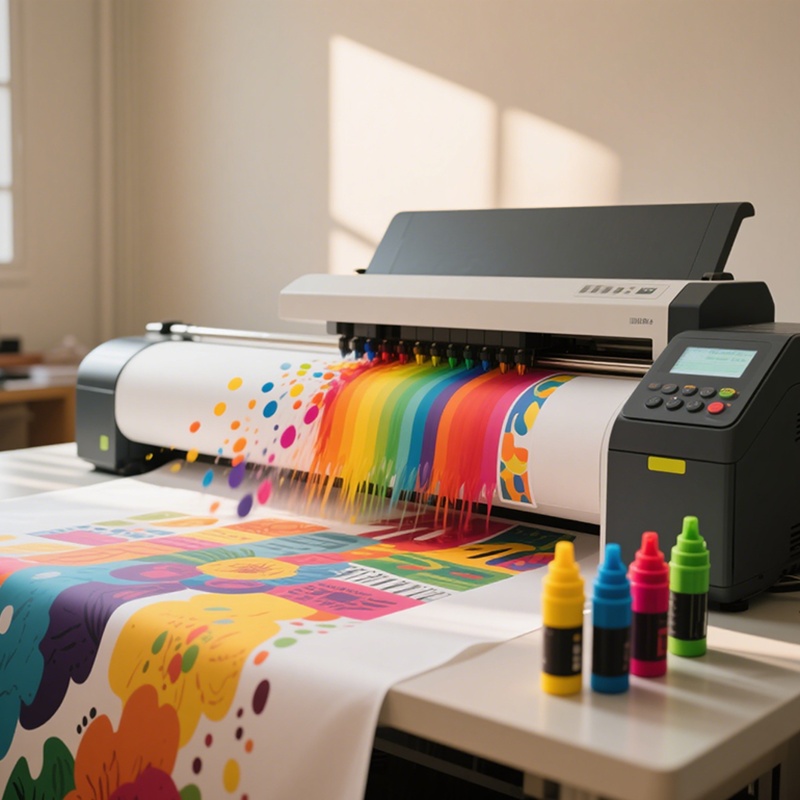
New technological directions include compound natural fiber substrates mixed with trace inorganic antibacterial mineral powder, plant pigment digital printing that eliminates residual solvent waste, and removable self-adhesive eco wallpaper that reduces wall damage during replacement. In the long run, eco-friendly wallpaper will completely replace traditional plastic wall coverings as the mainstream wall decorative material, forming a fully closed-loop industrial chain from raw material cultivation to waste recycling, minimizing decoration’s negative impact on human bodies and the natural ecosystem.