中文简体
中文简体 English
 русский
 Español
 عربى
عربىIndustry News
Clarifying Your Printed Wallpaper Requirements
Before evaluating suppliers, it is crucial to clearly define the application scenarios and performance requirements for the wallpaper. Different applications demand distinct material properties. For instance, residential projects require moderate abrasion resistance and moisture resistance, whereas commercial spaces demand higher standards for durability, stain resistance, and color retention. Industrial environments may additionally require fire resistance and chemical resistance.
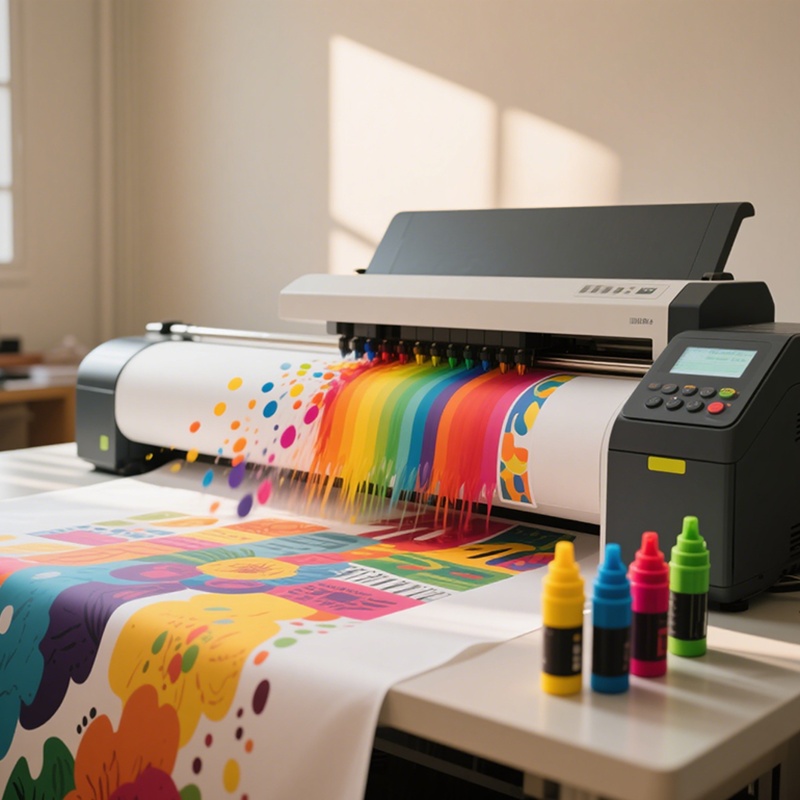
The complexity of design also directly influences the choice of printing technology. Digital inkjet printing offers high resolution and rich color reproduction, making it ideal for intricate designs and high-precision patterns. Conversely, rotogravure or screen printing are better suited for large-scale, repetitive patterns. The supplier’s investment in printing technology reflects their professional capabilities and ensures batch-to-batch consistency.
Supplier Credentials and Production Capability
Evaluating a supplier’s production capacity and equipment sophistication is a critical step in B2B procurement. Modern, automated printing equipment enhances production efficiency, reduces color deviation, and ensures uniformity in large-volume orders. High-quality suppliers typically operate multiple digital inkjet printers, automated material handling lines, and advanced post-processing equipment capable of lamination, scratch-resistant coatings, and precise cutting. In contrast, suppliers with basic equipment or manual production may struggle to deliver consistent quality over long-term projects.
Equally important is the supplier’s quality management system. Companies with ISO, SGS, or equivalent certifications often maintain comprehensive quality control processes, including raw material inspection, in-line production monitoring, batch testing, and final inspection. This system ensures consistent color accuracy, material stability, and minimizes risks during project execution.
Material and Environmental Standards
The choice of raw materials directly impacts both the durability and environmental compliance of the wallpaper. High-quality printed wallpapers are often made of premium vinyl, polyester, or PVC-coated textiles. These materials excel in abrasion resistance, moisture protection, and UV stability. When evaluating suppliers, pay close attention to environmental indicators such as VOC emissions, heavy metal content, and recyclability. Using environmentally compliant materials not only meets legal standards but also supports long-term sustainability goals for commercial projects.
Lower-quality materials may have a lower upfront cost, but they often fade quickly, are prone to mold, or may emit harmful substances indoors. This can increase maintenance costs and project risk over time.
Sample Evaluation and Performance Testing
Before confirming a supplier, requesting samples for technical testing is essential. Key evaluation tests include:
- Abrasion resistance: Simulated friction or scratch testing to measure surface durability. High-end wallpapers can withstand thousands of abrasion cycles without significant damage.
- Moisture and water resistance: Wet-heat cycle testing or humidity exposure to evaluate material stability under damp conditions.
- Colorfastness: Exposure to light or cleaning agents to verify that colors remain consistent over time.
Systematic sample testing allows procurement teams to assess product stability, batch consistency, and suitability for specific engineering projects. Premium suppliers provide detailed testing reports and technical data, whereas lower-tier suppliers often offer only sample images or basic descriptions.
After-Sales Service and Customization
A reliable supplier provides comprehensive after-sales support and customization capabilities, which are essential for B2B projects. Services may include:
- Technical support: Installation guidance, maintenance instructions, and troubleshooting for project teams.
- Customization: Adjusting material thickness, pattern size, printing methods, and protective coatings according to project requirements.
- Logistics and inventory management: Coordinated delivery of large orders, stock management, and replacement strategies.
Compared to lower-tier suppliers, high-end suppliers offer professional solutions that ensure flexibility, reliability, and project-specific responsiveness.
Pricing and Total Cost Evaluation
While price is always a factor, B2B procurement should prioritize total cost of ownership. High-quality wallpapers may have a higher initial cost, but their superior durability and low maintenance make them more cost-effective over the long term. Conversely, low-end products, though cheaper initially, are prone to wear, fading, and frequent replacement, ultimately raising total project costs. A comprehensive supplier evaluation balances material performance, production capacity, and after-sales service with unit price.
Conclusion
Selecting a high-quality printed wallpaper supplier requires a comprehensive assessment across multiple dimensions: material performance, printing technology, production capacity, quality management system, environmental compliance, sample testing, and after-sales support. For B2B procurement, the focus should be on engineering reliability, batch consistency, and long-term cost control rather than price alone. Systematic evaluation and sample testing significantly reduce procurement risk, ensuring successful project implementation and a high-quality end-user experience.
FAQ
Q1: How do I determine if a supplier’s printing technology fits my project?
A1: Match printing technology to design complexity and production volume. Digital inkjet printing is ideal for high-resolution, intricate designs, while rotogravure or screen printing is suitable for large-volume repetitive patterns.
Q2: How is wallpaper abrasion resistance tested?
A2: Abrasion tests simulate friction or scratching. High-end wallpapers can withstand thousands of cycles without significant surface damage.
Q3: How can I verify the environmental performance of wallpaper materials?
A3: Check VOC emissions, heavy metal content, and confirm compliance with environmental certifications such as ISO or SGS.
Q4: How can batch consistency be ensured in large-volume procurement?
A4: Select suppliers with modern equipment and a complete quality management system, and request batch testing and sample evaluation reports.
Q5: What is the cost difference between high-end and low-end wallpapers over time?
A5: High-end wallpapers have higher upfront costs but longer lifespan and lower maintenance. Low-end wallpapers may require frequent replacement, resulting in higher total costs over time.