中文简体
中文简体 English
 русский
 Español
 عربى
عربىIndustry News
Prioritize Durability for High-Traffic Commercial Environments
Core conclusion: durability directly determines the service life and cost-effectiveness of wallpaper in commercial spaces.
Unlike residential spaces, commercial areas such as retail stores, office lobbies, restaurants, and public corridors experience constant foot traffic, accidental collisions, friction, and daily wear. Wallpaper that lacks durability will show scratches, peeling, fading, and wear in a short time, forcing frequent replacements that increase long-term costs and disrupt normal business operations.
Commercial wallpaper is designed with enhanced wear-resistant layers, making it far more robust than standard residential options. Industry research shows that high-quality commercial-grade wallpaper has a service life of 5 to 10 years under normal use, while ordinary residential wallpaper used in commercial spaces typically deteriorates noticeably within 1 to 2 years.
Key Durability Indicators to Check
Abrasion resistance grade
Choose grades suitable for heavy-duty use, ideal for high-traffic zones like entrances and hallways.
Surface coating
A protective top layer resists scratches, stains, and physical damage from daily contact.
Peel resistance
Strong adhesive bonding prevents edges from lifting even with frequent contact and temperature changes.
For example, a busy shopping mall corridor using low-durability wallpaper will need full replacement every two years, while a high-durability commercial alternative maintains its appearance for a decade.
Select Materials Based on Space Function and Usage Scenarios
Core conclusion: matching wallpaper material to the specific function of a commercial space is essential.
There is no universal wallpaper material for all commercial scenes; each material has unique performance advantages and applicable environments.
Commercial Wallpaper Materials and Recommended Applications
| Material Type | Core Performance | Suitable Spaces |
| Vinyl Wallpaper | Waterproof, stain-resistant, easy to clean | Restrooms, cafes, retail stores |
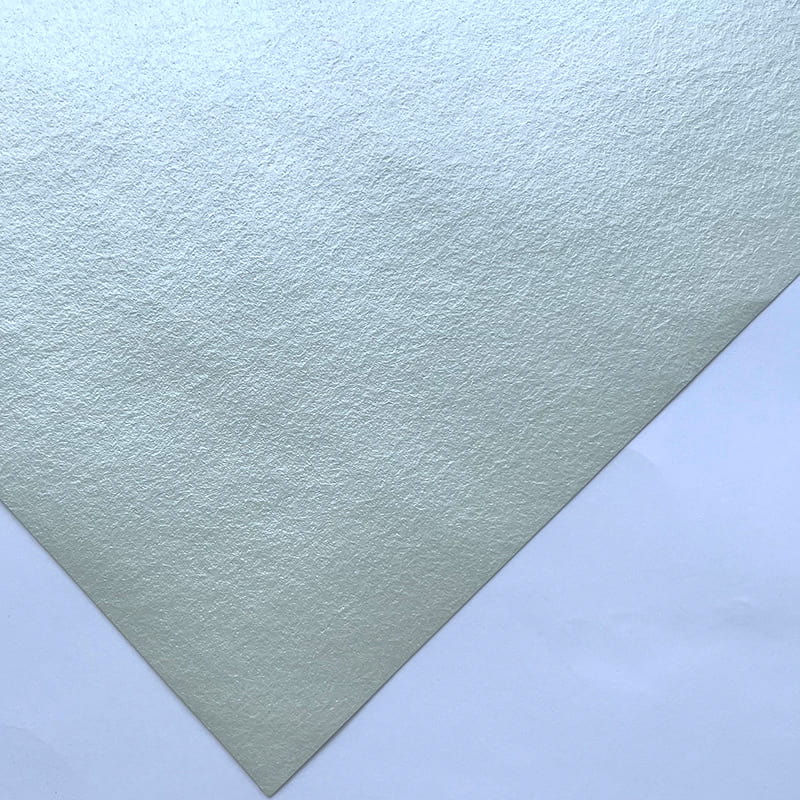
| Non-woven Wallpaper | Breathable, eco-friendly, soft texture | Office areas, meeting rooms, lounges |
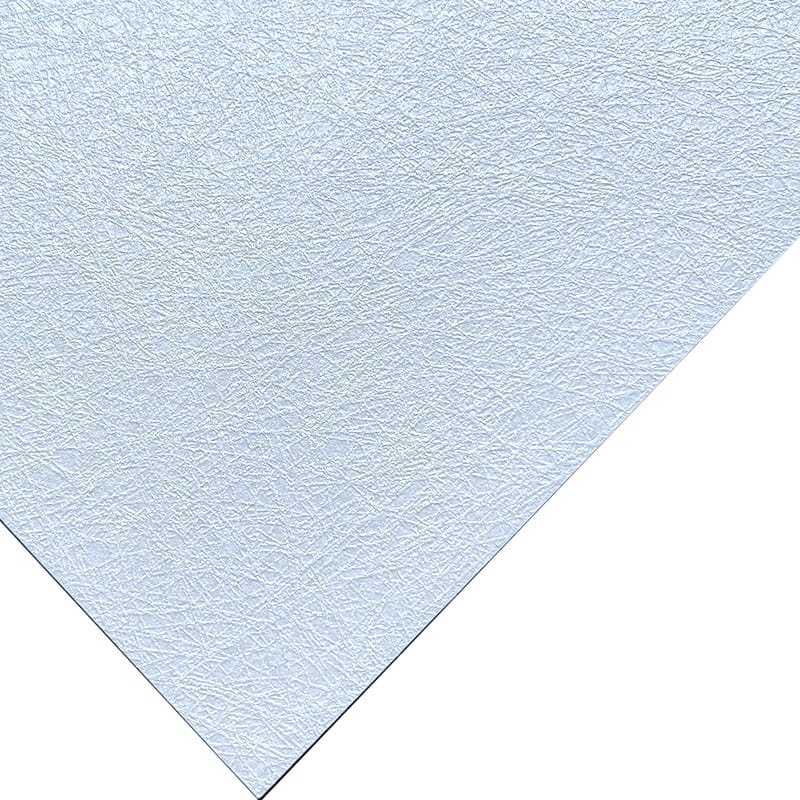
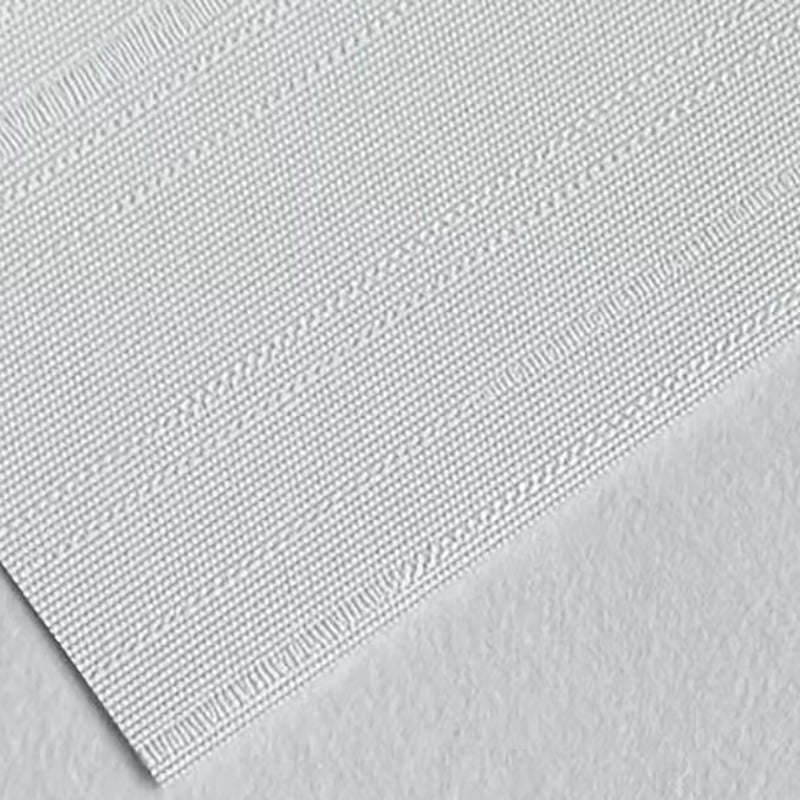
| Fiberglass Wallpaper | Ultra-durable, fire-resistant, anti-corrosion | Public corridors, hospitals, high-traffic zones |
Material Selection Logic for Special Scenarios
In high humidity spaces such as hotel restrooms and spas, waterproof and mold-resistant materials are essential. Breathable waterproof materials reduce mold growth by over 90% compared to standard wallpaper.
Prioritize Safety and Fire Resistance Standards
Definitive conclusion: commercial wallpaper must meet mandatory fire safety and environmental standards.
Wallpaper used in public spaces must be fire-retardant, low-smoke, and non-toxic.
Key Safety Standards
Fire resistance rating
Must include self-extinguishing and low-smoke properties.
Low VOC emissions
Ensures safe indoor air quality.
Non-toxic surface materials
No heavy metals or harmful additives.
Choose Easy-to-Clean Designs for Low Maintenance Costs
Core conclusion: stain-resistant wallpaper reduces maintenance workload and costs.
High-quality wallpaper allows easy cleaning with a damp cloth and mild cleaner.
Case studies show that easy-clean wallpaper can reduce cleaning time by 70% and maintenance costs by more than half.
Match Color and Pattern to Branding and Atmosphere
Core conclusion: wallpaper must align with brand identity and space atmosphere.
Industry Guidelines
- Corporate offices: neutral tones for professionalism
- Retail stores: brand colors for identity recognition
- Hotels: warm tones for comfort
- Public services: clean tones for trust
Adapt to Space Size and Architectural Structure
Core conclusion: wallpaper must match spatial dimensions.
Visual Effects
Vertical patterns
Increase perceived ceiling height.
Light colors
Make small spaces appear larger.
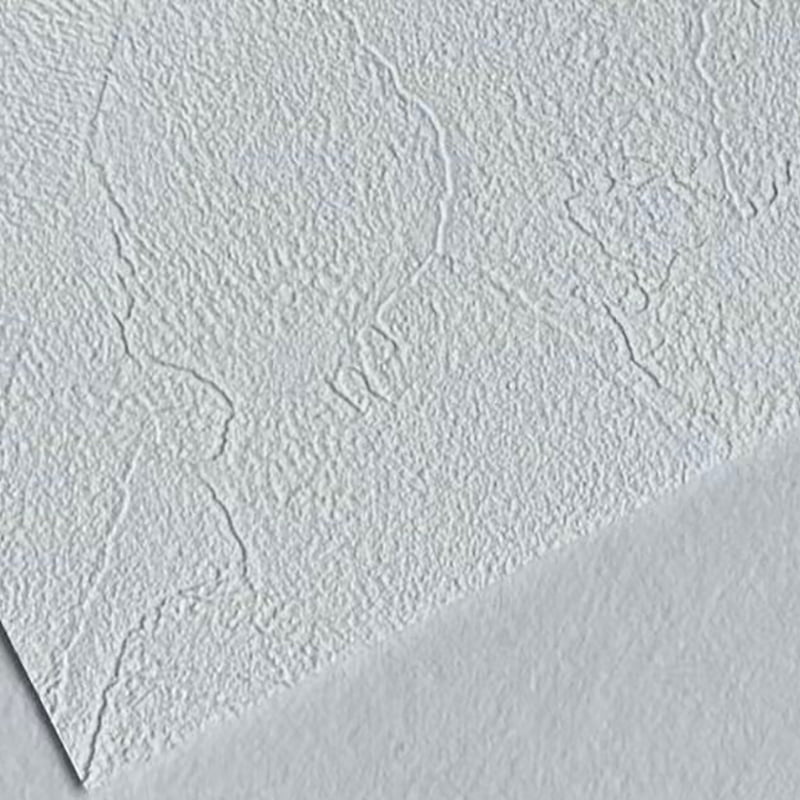
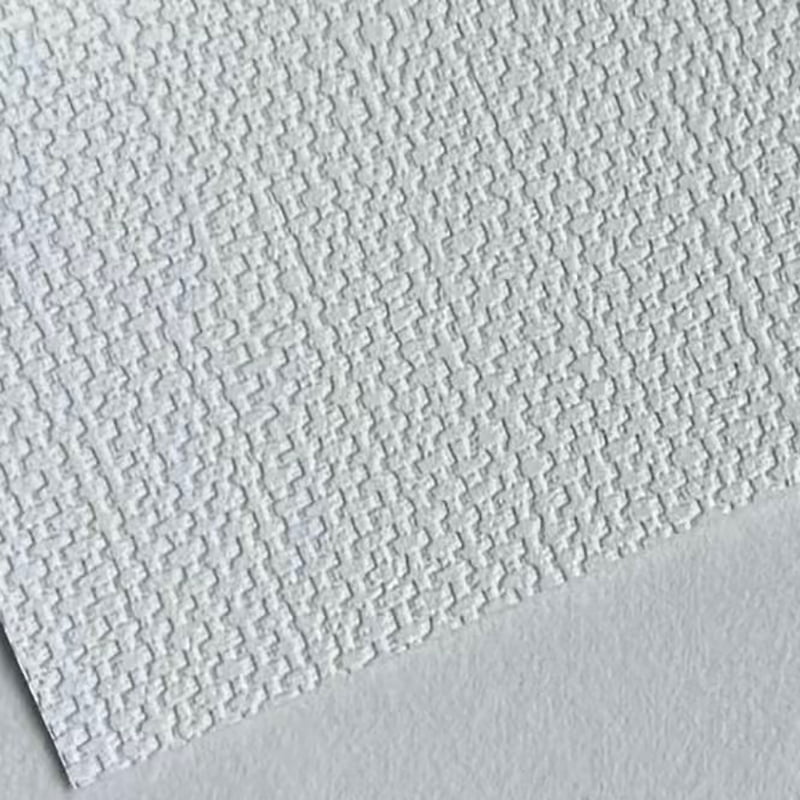
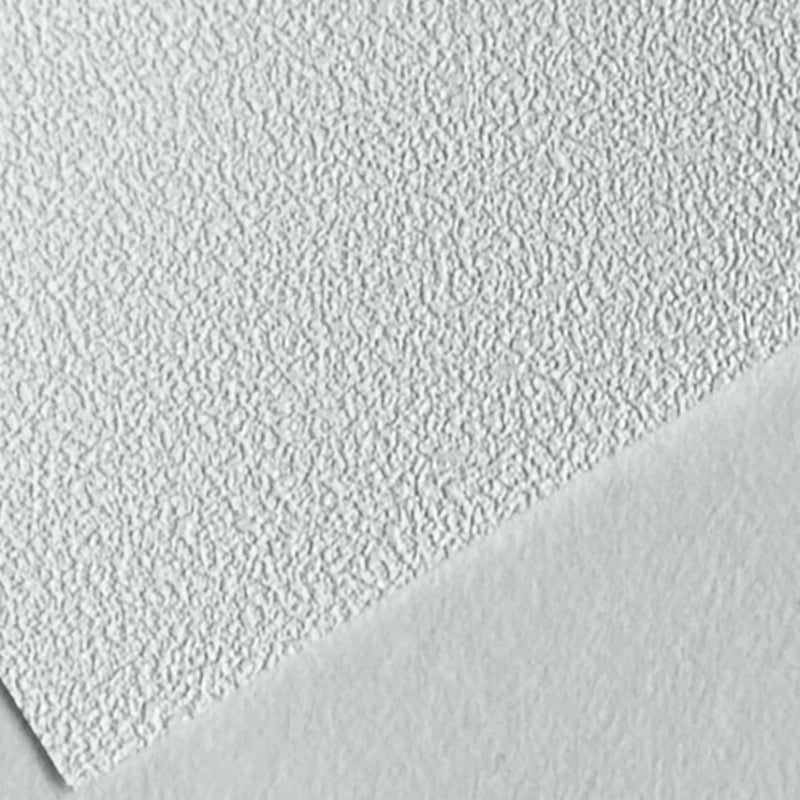
Textured surfaces
Hide wall imperfections.
Evaluate Long-Term Cost-Effectiveness
Economic conclusion: long-term cost is more important than upfront price.
High-quality wallpaper reduces replacement cycles and maintenance costs over time.
Over 10 years, premium wallpaper can reduce total costs by around 40% compared to budget options.
Ensure Compatibility with Wall Base Conditions
Installation conclusion: wall condition determines wallpaper performance.
Preparation Steps
- Repair wall cracks and uneven surfaces
- Check humidity levels
- Apply waterproof primer if needed
- Select adhesive based on wall type
Consider Lighting Conditions for Color Accuracy
Visual conclusion: lighting affects wallpaper appearance significantly.
Lighting Guidelines
- Natural light: saturated colors work well
- Warm lighting: use light neutral tones
- Cool lighting: use soft grays and beiges
- Dim lighting: use brighter colors
Balance Trendiness and Timelessness
Design conclusion: combine classic and trendy elements for longevity.
Classic base designs last up to 10 years, while trend-heavy designs may become outdated within 1–2 years.
Best Practice
Use neutral timeless tones for large areas and trendy accents for feature walls.