中文简体
中文简体 English
 русский
 Español
 عربى
عربىIndustry News
Core Value of Custom Digital Wallpaper in Interior Design
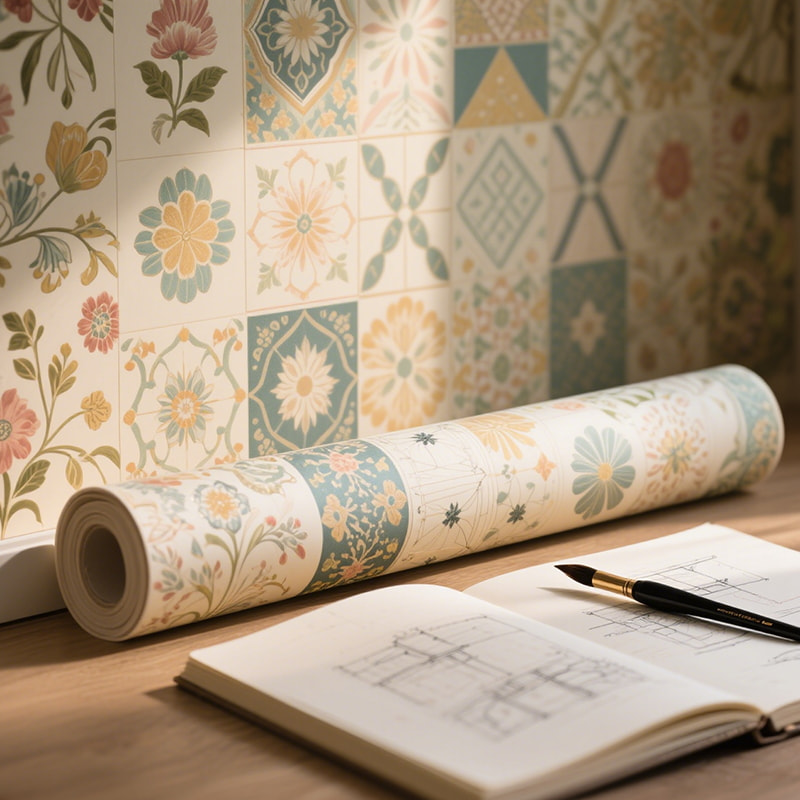
Selecting the right digital wallpaper is far more than a simple decorative choice; it is a powerful architectural tool that fundamentally alters the perception, scale, and emotional resonance of a room. Unlike traditional repeating pattern wallpapers that merely add texture, digitally printed wall murals allow for the application of expansive, uninterrupted imagery directly onto your walls. This capability directly solves one of the most persistent challenges in interior design: how to inject profound personality and spatial depth without consuming precious physical floor area. By enveloping a room in a carefully selected large-scale image, you can instantly transport the occupants to a serene forest, a bustling cityscape, or an abstract artistic realm.
The practical application of this concept means treating your walls as a blank canvas for storytelling and spatial manipulation. If a room feels cramped and claustrophobic, a landscape mural with a strong vanishing point can create the convincing illusion of extended space. Conversely, if a room feels too vast and cold, a mural with warm, enclosing tones and rich foreground details can visually pull the walls inward, fostering a sense of intimacy and comfort. Ultimately, the deliberate use of digital wallpaper bridges the gap between structural architecture and personal expression, proving that walls are not just boundaries, but the most impactful visual assets in your interior environment.
Exploring Popular Digital Wallpaper Categories
The universe of digital wallpaper is vast, catering to every conceivable aesthetic preference and architectural requirement. Understanding the primary categories helps in narrowing down choices that best serve your spatial and emotional goals.
Nature and Landscape Murals
Images of lush forests, majestic mountains, and tranquil oceans remain consistently popular for interior spaces. The psychological benefit of nature imagery is well-documented in biophilic design; viewing natural scenes can lower heart rates, reduce stress, and enhance overall well-being. A high-quality nature mural provides a permanent visual escape, offering a sense of tranquility and expansive space that completely transforms the atmosphere of a room, making it particularly effective in bedrooms, living rooms, and high-stress office environments.
Abstract and Artistic Compositions
For those who prioritize modern aesthetics and conceptual depth, abstract and artistic wallpapers are the go-to choice. These designs often feature sweeping brushstrokes, dynamic geometric shapes, or fluid color gradients. By eliminating literal subject matter, abstract murals allow the viewer to project their own emotions onto the wall, making the space feel more dynamic and intellectually engaging. They serve as massive, foundational pieces of art that set the energetic tone for contemporary and minimalist interiors.
Architectural and Illusionistic Imagery
Using imagery that mimics structural elements—such as faux brick, expanded library shelves, or classical archways—is a clever way to add architectural interest to a plain room. Illusionistic wallpapers can visually open up a wall, creating the convincing appearance of a doorway leading to a garden or a window looking out over a city. This category is exceptionally practical for renters or those on a budget who wish to achieve the look of complex architectural features without the expense and permanence of actual construction.
Color Psychology in Interior Wall Murals
The colors present in your digital wallpaper do more than just match your furniture; they actively trigger psychological responses that can alter the perceived temperature, size, and mood of a room. Understanding color psychology allows you to select backgrounds that subconsciously support the intended function of the space.
- Blue and Green: Widely recognized for their calming and restorative effects, these colors are ideal for spaces meant for relaxation and recovery. They visually recede, making walls feel further away, which is perfect for small bedrooms or meditation spaces.
- Warm Reds and Oranges: These colors advance visually, making walls feel closer and creating an intimate, sociable atmosphere. They are highly stimulating and are best reserved for dining rooms or lively entertainment areas where conversation and energy are desired.
- Soft Neutrals and Earth Tones: Beige, taupe, and muted terracotta provide a grounding, stable influence. They offer the versatility to adapt to changing decor styles over time while maintaining a warm, welcoming environment.
- Deep Blacks and Charcoals: While often feared, dark colors can create incredibly dramatic and cozy environments. A dark digital wallpaper absorbs light, making the boundaries of the room feel infinite, which is highly effective for creating a moody, luxurious focal point.
| Color Family | Psychological Effect | Recommended Room Application |
| Blues / Greens | Calming, visually receding | Bedrooms, bathrooms, home offices |
| Reds / Oranges | Energizing, visually advancing | Dining rooms, creative studios |
| Neutrals / Earths | Grounding, stable, versatile | Living rooms, hallways, entryways |
| Blacks / Dark Tones | Dramatic, intimate, enveloping | Accent walls, media rooms, bars |
Technical Specifications and Resolution for Large-Scale Printing
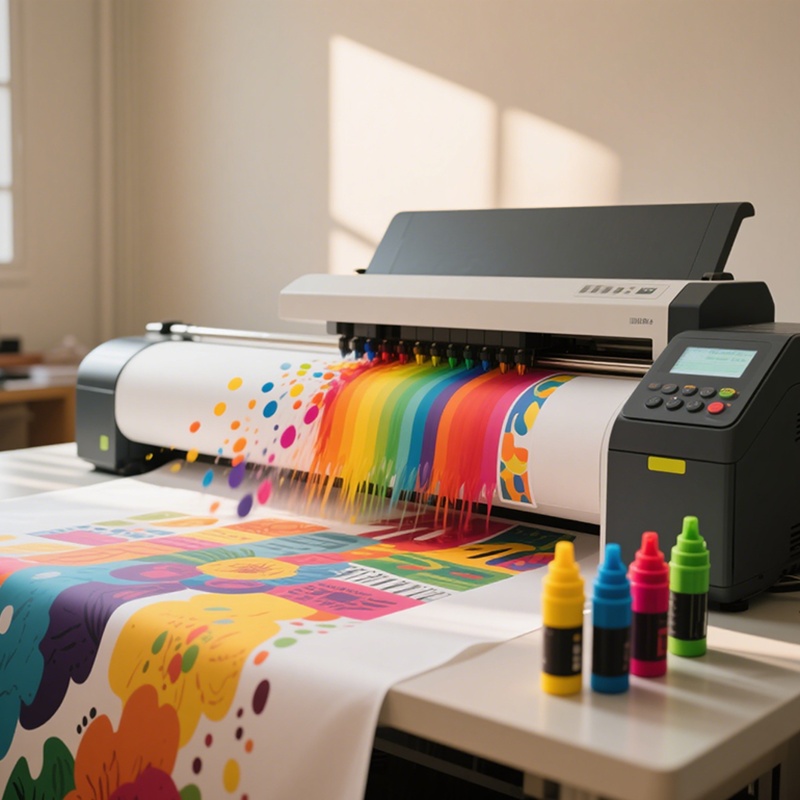
The visual impact of a digital wallpaper is entirely negated if the printed image is pixelated, blurry, or distorted when viewed up close. To ensure a crisp and professional appearance, one must understand the technical specifications required for large-format printing. The fundamental rule is to match the image resolution to the physical dimensions of your wall.
In digital printing, the standard measurement for quality is Dots Per Inch (DPI). For wall murals that will be viewed from a typical room distance, a resolution of 150 DPI is generally considered the minimum acceptable standard. However, if the wall is in a tight corridor or a small room where people will stand very close to the surface, you must aim for 300 DPI to maintain photographic sharpness. Providing a low-resolution image pulled from the internet will result in a fuzzy, unprofessional print that diminishes the entire room's aesthetic.
It is also crucial to consider the aspect ratio and scaling. Wall dimensions rarely match the native aspect ratio of standard photographs. When preparing an image for digital wallpaper, you must ensure that cropping or stretching the image to fit the wall's dimensions does not ruin the focal point. A slightly larger image that can be safely cropped is always superior to an image that must be forcefully stretched, as stretching distorts the visual proportions and immediately signals a low-quality installation.
Material Selection for Digital Wallpaper
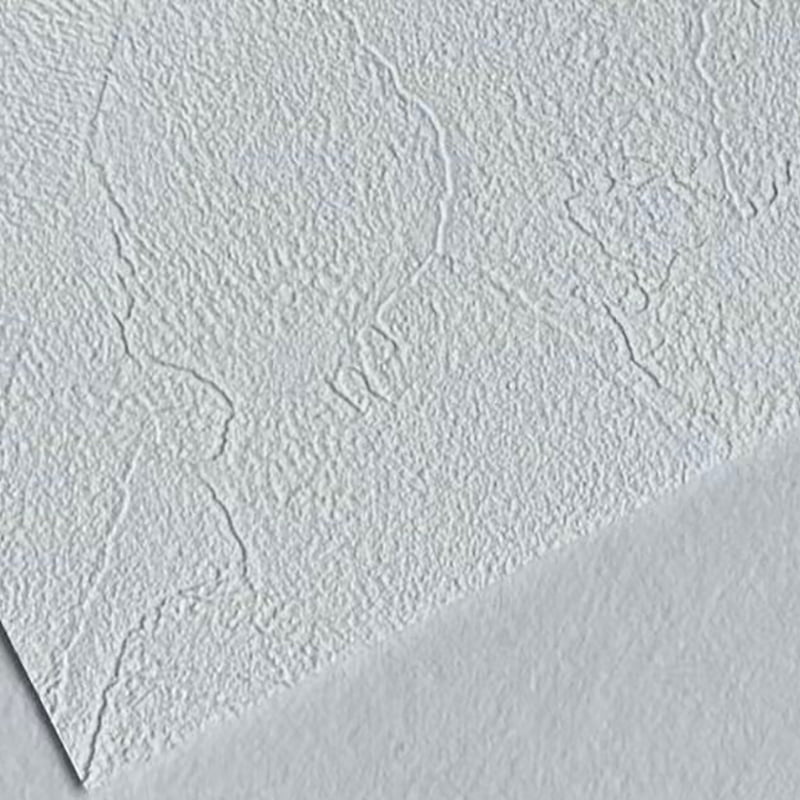
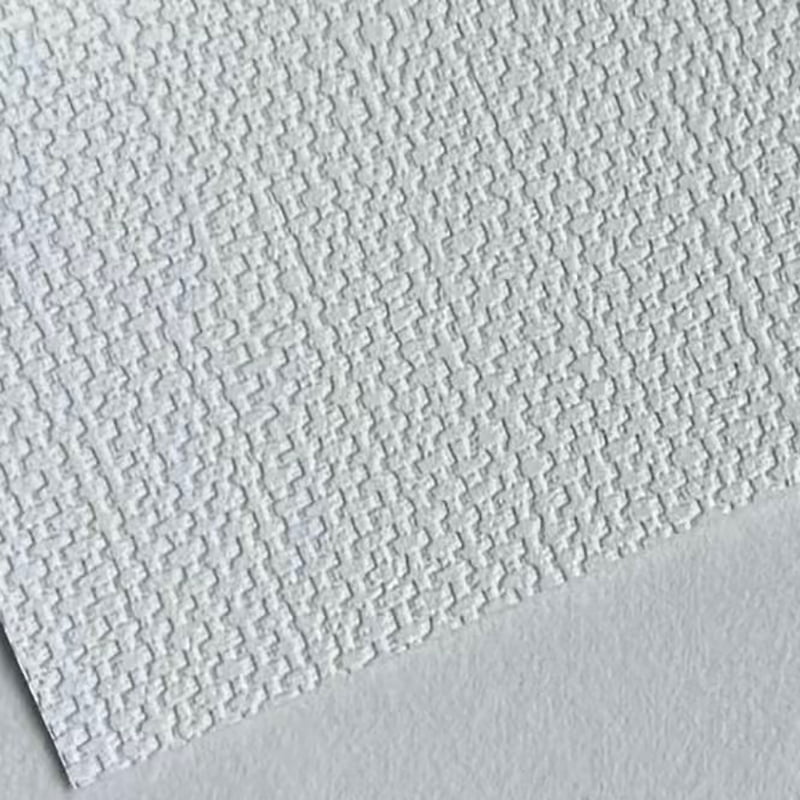
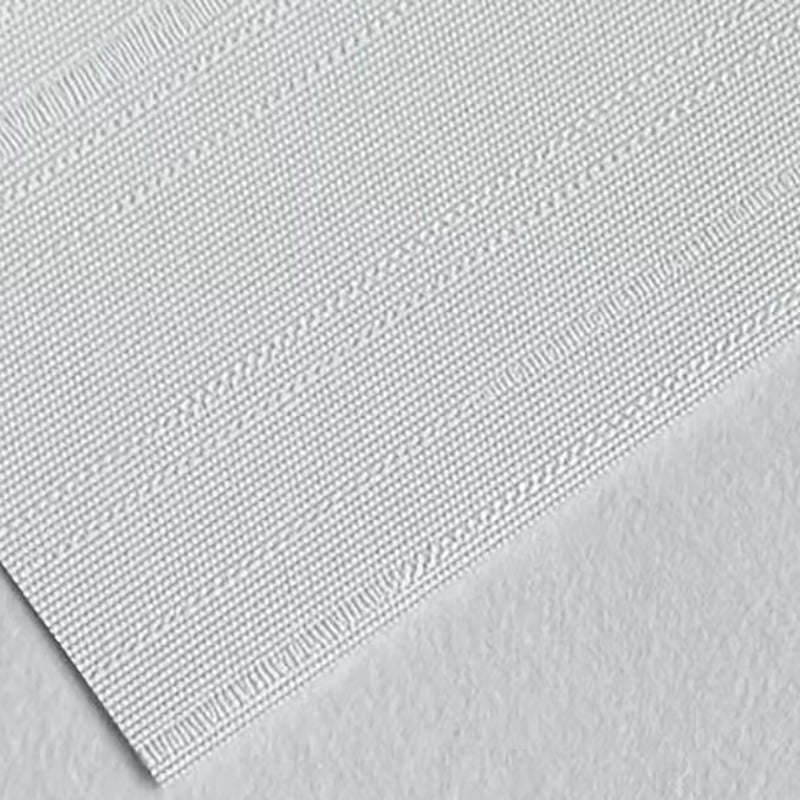
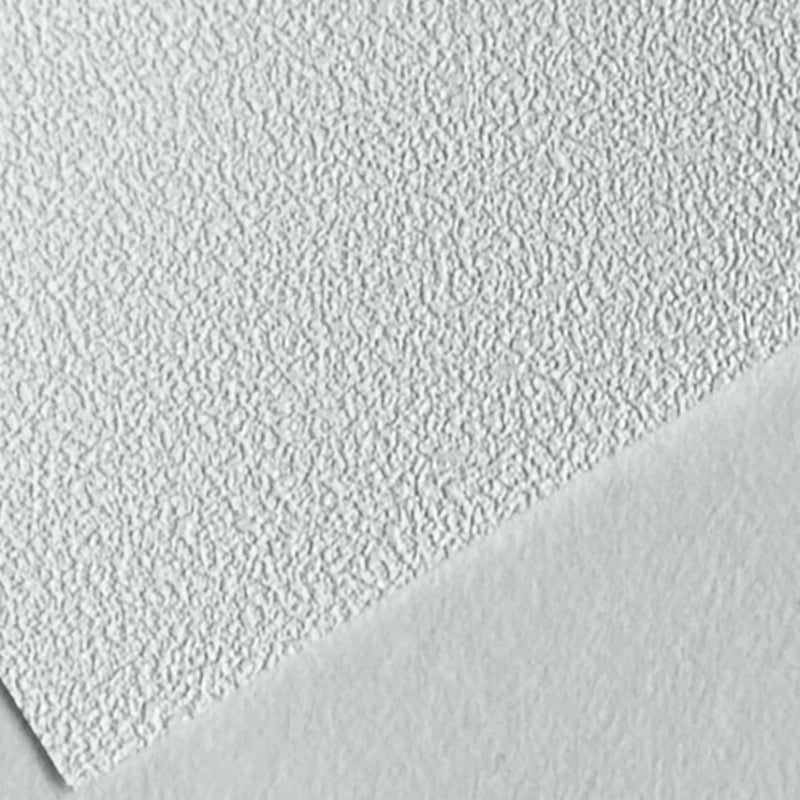
The substrate onto which the digital image is printed is just as important as the image itself. The material determines the durability, texture, light reflection, and ease of installation. Different wall conditions and room environments demand specific materials to ensure a successful and long-lasting application.
Non-Woven Materials
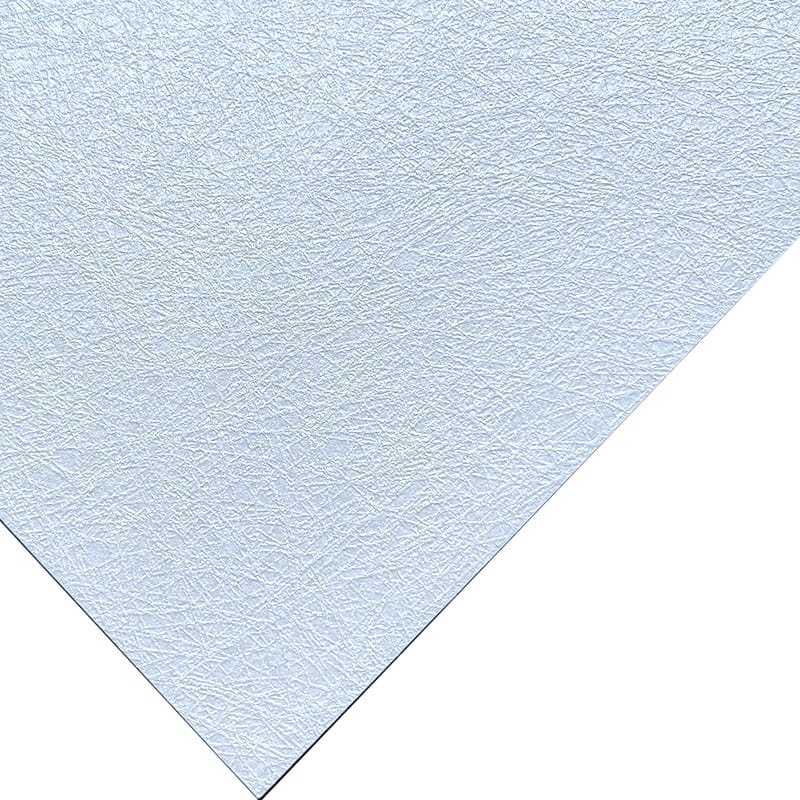
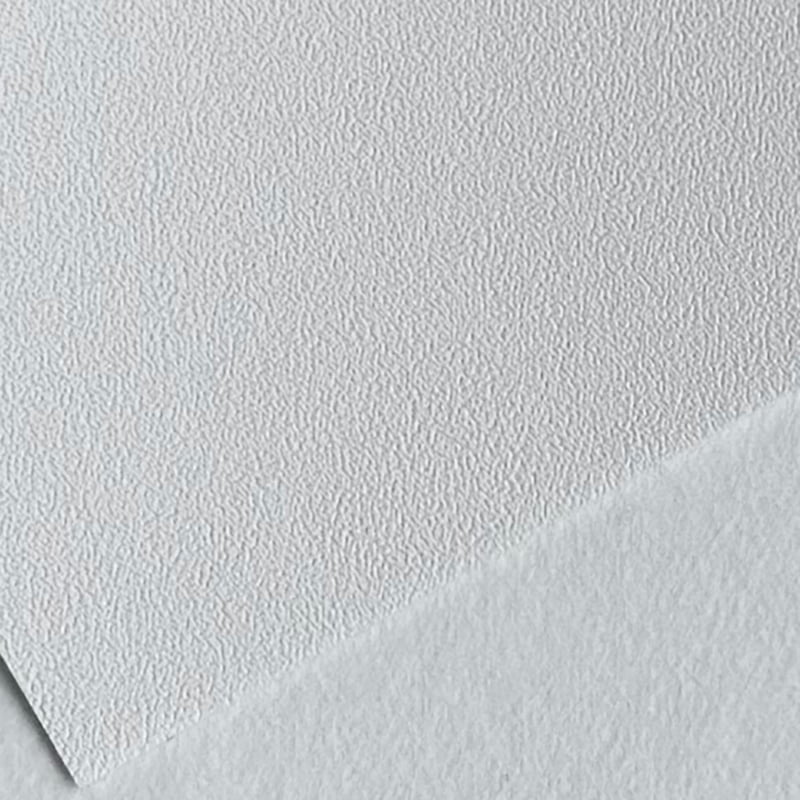
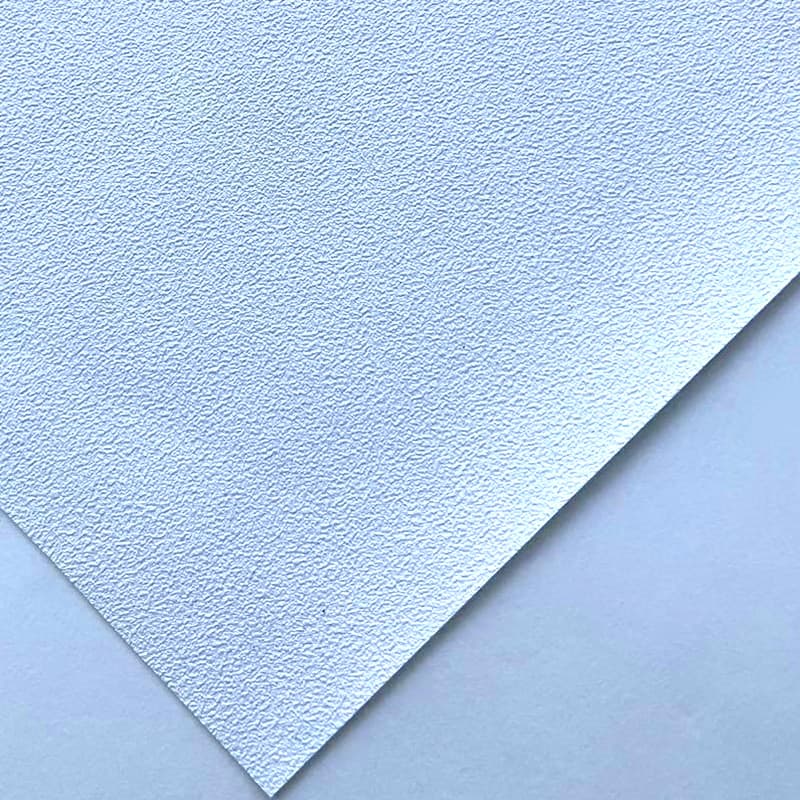
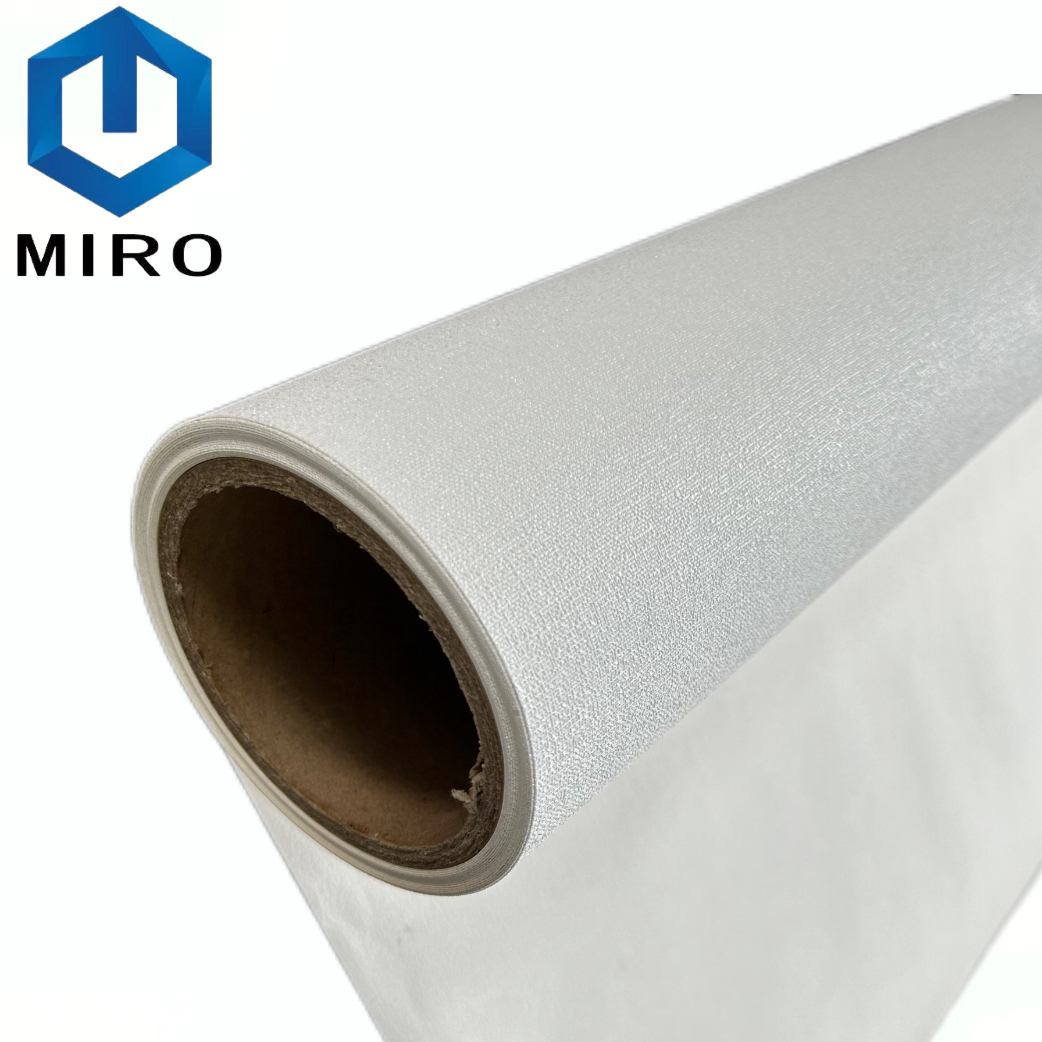
Non-woven wallpapers are currently the industry standard for digital printing. Made from a blend of natural and synthetic fibers, they are highly dimensionally stable, meaning they do not expand or contract when wet. This makes installation significantly easier, as the paste can be applied directly to the wall rather than the paper, reducing mess and allowing for adjustments during placement. They are also breathable, which helps prevent mold growth in humid environments.
Traditional Paper Backings
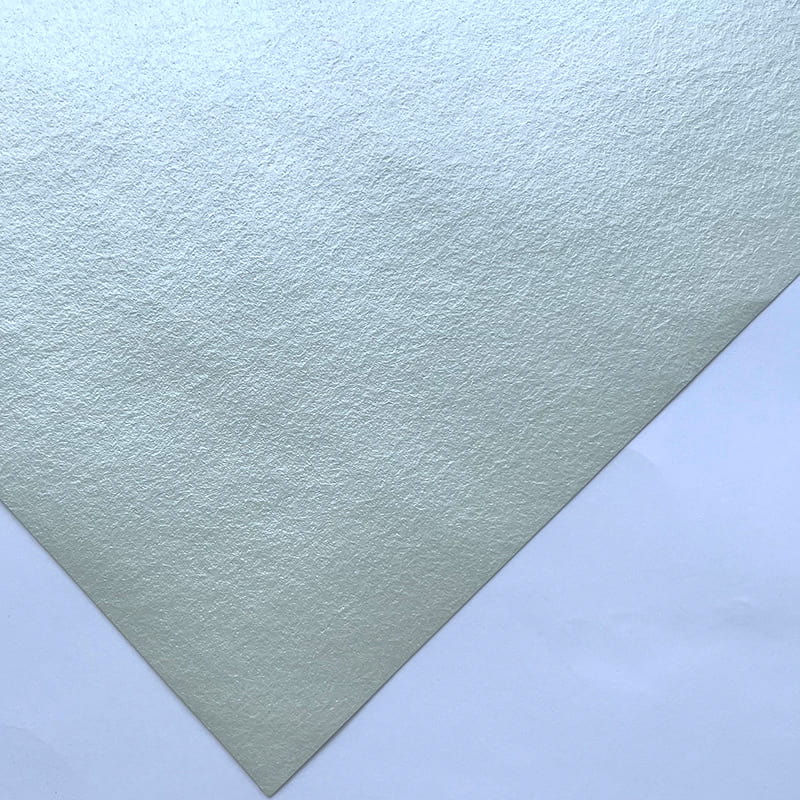
While less common now, pure paper substrates still have their place. They offer a very smooth, matte finish that allows for exceptional color vibrancy and fine detail reproduction. However, they require more skill to install, as the paper must be soaked to activate the paste, which can cause expansion and subsequent shrinking as it dries. They are also more fragile and less forgiving of imperfect wall surfaces.
Vinyl and Coated Options
For areas subject to moisture, grease, or frequent touching, vinyl-coated wallpapers are the practical choice. The synthetic coating makes them highly washable and scrubbable, making them ideal for kitchens, bathrooms, and commercial spaces. The primary drawback is that vinyl can have a subtle plastic-like sheen, which may not suit the aesthetic of a luxurious, soft-focus living space. Furthermore, solid vinyl is not breathable, so it should not be applied to walls with existing moisture issues.
The Customization Process from Vision to Wall
One of the greatest advantages of digital wallpaper is the ability to customize the design entirely to your specific space. However, moving from a conceptual vision to a perfectly printed wall requires careful planning and communication with your printing provider.
The process begins with accurate wall measurement. You must measure the widest and tallest points of the wall, including any alcoves or slopes. It is standard practice to add a small margin of extra material to all sides to account for uneven walls or minor measuring errors; this excess is trimmed away after installation. Once the dimensions are set, the image must be scaled proportionally. If your wall is exceptionally wide, you may need to source ultra-high-resolution imagery or seamlessly repeat a pattern to achieve the required width without losing clarity.
Before the printer runs the final production, always request a small-scale proof or sample swatch. This step is critical for verifying color accuracy. Colors on a backlit monitor almost always appear brighter and more saturated than they do when printed on a matte, physical substrate. Reviewing a proof allows you to adjust the digital file's color profile and ensures that the final product matches your interior design palette perfectly.
Surface Preparation and Installation Essentials
Even the highest-quality digital wallpaper will fail if applied to an improperly prepared surface. Wall preparation is the most labor-intensive but crucial step in the entire process. The wall must be completely smooth, structurally sound, and primed to accept the adhesive. Any dents, scratches, or protruding nails will be highly visible beneath the wallpaper, especially if light from windows or lamps hits the wall at an angle.
All loose paint, old wallpaper, and debris must be removed. Cracks and holes should be filled with a suitable filler and sanded smooth. Once the wall is clean and smooth, it must be coated with a high-quality wallpaper primer. Primer seals the porous surface of the drywall, regulates the absorption rate of the adhesive, and creates a slight slip that allows you to maneuver the heavy mural panels into place before the bond sets permanently.
When applying the mural, precise alignment of the panels is essential. Digital murals are typically printed in vertical drops that must be hung edge-to-edge. Overlapping the seams will create visible ridges and distort the image, while leaving gaps will expose the wall beneath. Taking the time to carefully match the pattern at eye level and gently smoothing the material from the center outward with a plastic smoother will eliminate air bubbles and ensure a seamless, professional finish.
Maintenance and Longevity of Printed Murals
Preserving the vibrant colors and structural integrity of your digital wallpaper requires ongoing, appropriate maintenance. While these murals are designed to be durable, improper cleaning methods or environmental neglect can drastically shorten their lifespan.
For routine care, regular dusting with a soft microfiber cloth or a vacuum with a soft brush attachment is highly recommended. Dust accumulation can make the colors appear dull over time and, in humid environments, can become a breeding ground for mildew. When it comes to spot cleaning, the method depends entirely on your wallpaper's material. Non-woven and paper wallpapers are typically "spongeable," meaning they can be gently dabbed with a slightly damp cloth, but they should never be saturated with water or scrubbed aggressively. Vinyl wallpapers, on the other hand, can withstand mild soap and water solutions for tougher stains.
Environmental factors also play a significant role in longevity. Direct, prolonged exposure to ultraviolet light from windows will inevitably cause the inks to fade over time. To protect your investment, consider applying a UV-blocking window film or drawing blinds during the brightest parts of the day. Additionally, ensure that the room is well-ventilated to prevent moisture buildup behind the wallpaper, which can lead to peeling edges and hidden mold growth.
Cost Factors and Budgeting for Digital Murals
Investing in a digital wallpaper mural involves understanding the various cost components that contribute to the final price. While they are generally more expensive per square foot than standard rolling wallpapers, their impact and customizability offer a different scale of value.
The primary cost driver is the material itself. Specialty substrates, such as heavy-duty vinyl for commercial spaces or premium textured non-wovens, command higher prices. The complexity and source of the design also factor in heavily. Sourcing a royalty-free image is far more cost-effective than commissioning a bespoke illustration from an artist. Furthermore, if your design requires extensive color matching or custom scaling, setup fees may apply at the printing facility.
When budgeting for a digital mural, it is crucial to factor in the hidden costs beyond just the printed material. High-quality primer, specialized adhesives, and the tools required for installation all add to the total expense. Most importantly, unless you possess advanced DIY skills, professional installation is a non-negotiable expense for large murals. The cost of hiring a professional paperhanger is a worthwhile insurance policy against the much higher cost of replacing a ruined mural due to improper alignment or bubbling.
Integrating Digital Murals with Overall Interior Design
A digital wallpaper mural should never exist in isolation; it must be harmoniously integrated with the room's overall interior design scheme. Because a mural commands immediate visual attention, it inherently becomes the focal point of the space, and all other elements must be orchestrated to support it rather than compete with it.
Furniture placement is critical. Avoid pushing large, bulky pieces of furniture directly against a highly detailed mural, as this physically blocks the imagery and disrupts the spatial illusion. Leave breathing room so the entire scene can be appreciated. When selecting furniture and decor, draw colors directly from the mural itself. If your mural features subtle earth tones and a hint of faded teal, echoing that exact teal in your throw pillows or vases creates a sophisticated, cohesive loop that ties the room together.
Lighting is perhaps the most transformative tool when integrating a mural. A beautifully printed wall can look entirely flat and lifeless under a single overhead light. Installing wall washers or angled track lighting can highlight the textures in the paper and deepen the shadows in the image, creating a dynamic, three-dimensional effect. By thoughtfully coordinating color, furniture placement, and lighting, the digital mural transcends being just a wall covering and becomes the unifying soul of your interior design.