中文简体
中文简体 English
 русский
 Español
 عربى
عربىIndustry News
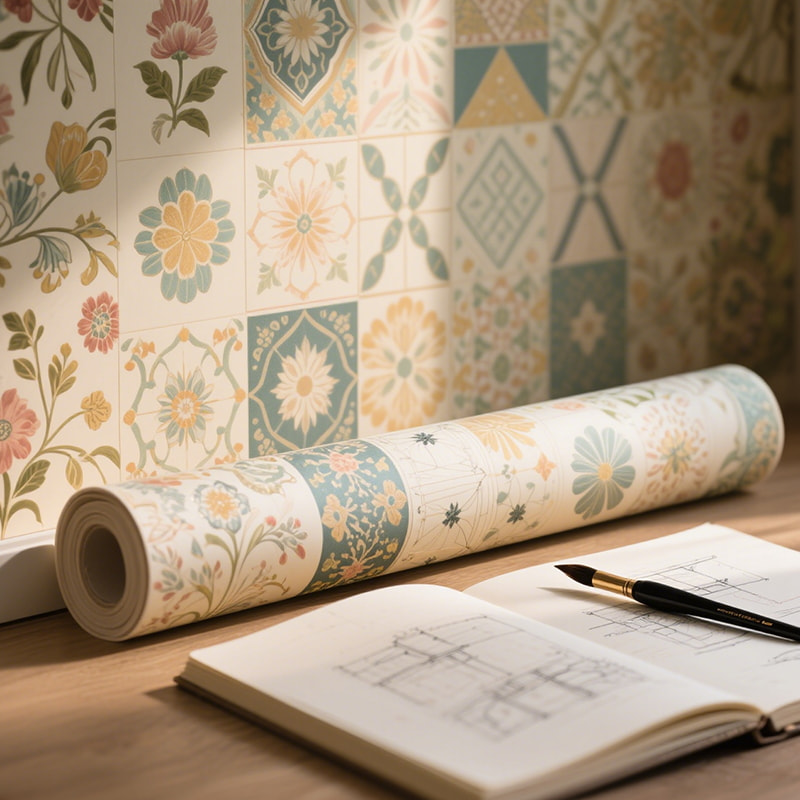
As people's aesthetic requirements for home environments increase, printed wallpaper, as a fashionable and practical decorative material, has gradually become an indispensable part of home decoration. Printed wallpaper not only adds beauty to living spaces but also has unique personalized characteristics, meeting the needs of different consumers. Among the many types of wallpaper, printed wallpaper is favored for its diverse materials and exquisite printing effects.
Basic Material Classification of Printed Wallpaper
The material of printed wallpaper directly affects its visual effect, lifespan, and environmental friendliness. Traditional wallpaper is mostly made of paper, while modern printed wallpaper is more diversified, covering a variety of materials from paper to textiles and plastics. Each material differs in printing effect and durability; therefore, understanding the characteristics of these materials is the first step in choosing the right printed wallpaper.
Paper Wallpaper
Paper wallpaper is the most common material for printed wallpaper, with advantages such as being lightweight, easy to process, and easy to print. The surface of paper wallpaper is usually smooth, allowing for clear display of various patterns, making it especially suitable for designs requiring great detail reproduction. Although paper wallpaper is relatively environmentally friendly, its moisture resistance is poor, making it unsuitable for humid environments such as kitchens or bathrooms. In addition, paper wallpaper is prone to fading, and long-term use may cause the surface to peel or discolor.
Non-woven Wallpaper
Non-woven wallpaper has become increasingly popular in the market in recent years. Its main material is a non-woven fabric formed from fibers without a weaving process. Non-woven wallpaper has strong breathability, effectively reducing the accumulation of moisture in the air and the possibility of mold growth on the walls. It also has good abrasion resistance and tensile strength, is not easily deformed, and can maintain its appearance for a longer period of time. Non-woven wallpaper has high environmental protection requirements, meeting non-toxic and harmless standards, making it a green and environmentally friendly home decoration material.
PVC Wallpaper
PVC wallpaper is made primarily of polyvinyl chloride (PVC), with a plastic film coating on the surface. PVC wallpaper has extremely high water resistance and stain resistance, making it suitable for humid environments such as kitchens and bathrooms, and it can even effectively resist moisture erosion. Its printing effect is usually more vibrant and durable than paper wallpaper, and it is very easy to clean. However, PVC wallpaper has poor breathability and easily accumulates moisture, so extra care should be taken when using it in poorly ventilated spaces.
Textile Wallpaper
Textile wallpaper is a high-end decorative wallpaper made by combining woven materials (such as cloth, silk, etc.) with adhesive technology. It has a very elegant texture, a soft surface, and usually more three-dimensional and richer patterns. Textile wallpaper is highly durable, does not easily fade, and effectively insulates sound, making it suitable for high-end residential and commercial spaces. However, due to the special nature of its fabric, cleaning and maintenance of textile wallpaper is relatively complicated, requiring regular care and attention to moisture prevention.
Fiberglass Wallpaper
The main component of fiberglass wallpaper is glass fiber, which has very strong durability and fire resistance. Fiberglass wallpaper not only resists external physical damage but also effectively inhibits the development of wall cracks, increasing the overall stability of the wall. Its heat resistance is excellent, making it particularly suitable for environments with high temperatures or frequently changing climates. In addition, fiberglass wallpaper also has excellent waterproof performance, making it suitable for various environments.
Printing Effects and Characteristics of Printed Wallpaper
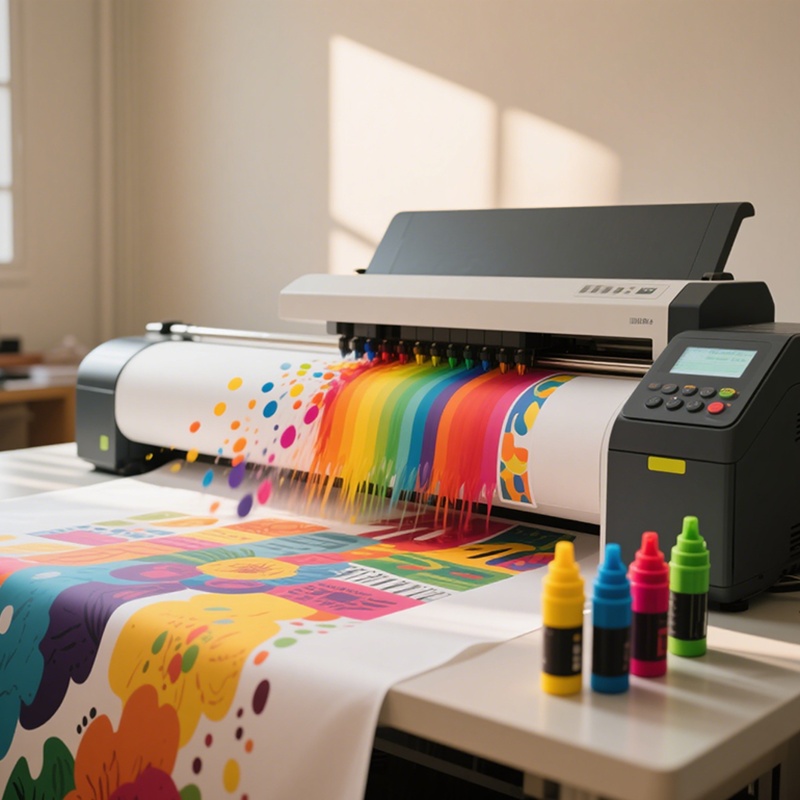
Besides the material, the printing effect of printed wallpaper is also a crucial factor influencing the choice. Modern digital printing technology allows wallpaper surfaces to display a wide variety of complex patterns and colors, from abstract art to landscapes, from geometric patterns to natural scenery, with virtually no design limitations. Different materials have varying effects on the printing effect; choosing the right material ensures vibrant colors and exquisite details.
Vibrant and Long-Lasting Colors
Printed wallpaper utilizes modern printing technology to accurately reproduce the details of the design, and the colors are long-lasting and fade-resistant. Especially on high-quality non-woven, PVC, and textile wallpapers, color reproduction is extremely high, showcasing complex and delicate design details. Whether bright or deep, the effect remains stable over a long period after meticulous printing.
High-Precision Printing
Another major advantage of modern digital printing technology is high-precision printing. Printed wallpaper patterns can achieve very high levels of detail, even displaying subtle shadows, gradient effects, and complex textures. Through this high-precision printing, wallpaper not only has an elegant visual effect but also enhances the overall sophistication of the interior space.
Personalized Customization
A key feature of printed wallpaper is its high degree of personalization. Consumers can choose their favorite patterns, styles, and colors according to their needs and preferences, and can even design their own patterns for a bespoke service. Whether you want to add an artistic atmosphere to your home or create a unique brand image for a commercial space, customized printed wallpaper can meet different needs.
Maintenance and Care of Printed Wallpaper
While printed wallpaper showcases its beautiful visual effect upon installation, regular maintenance is crucial to ensure it maintains its optimal condition for a long time. Maintenance methods vary depending on the material.
- For paper wallpaper, due to its poor water resistance, preventing the surface from getting damp is essential to maintaining its beauty. Regularly cleaning dust and stains, and avoiding the use of overly wet cleaning tools, is an effective way to extend the lifespan of paper wallpaper.
- Non-woven and PVC wallpapers, due to their strong moisture resistance and stain resistance, usually only require gentle wiping with a damp cloth and do not need frequent cleaning.
- For textile wallpaper, regular dust prevention treatment is necessary, and harmful substances such as oil fumes should be prevented from adhering to the surface. Textile wallpaper is relatively delicate and is best cleaned using professional methods. Avoid washing with water or using strong cleaning agents to maintain its soft texture and vibrant colors.
FAQ
-
1. Is the installation of printed wallpaper complicated?
The difficulty of installing printed wallpaper depends on the material. Paper and non-woven wallpapers are relatively easy to install, while PVC and textile wallpapers require more professional techniques and tools.
-
2. How long is the lifespan of printed wallpaper?
Lifespan is mainly affected by the material and the level of maintenance. High-quality wallpaper can last for more than 10 years, but its lifespan will be shortened without proper maintenance.
-
3. Is printed wallpaper environmentally friendly?
Most modern printed wallpapers use environmentally friendly materials, such as non-woven and fiberglass wallpapers, which meet environmental standards. When purchasing, consumers can choose products that meet environmental certifications.
-
4. What environments are printed wallpapers suitable for?
Different types of printed wallpaper are suitable for different environments. For example, PVC wallpaper is suitable for humid environments, while paper wallpaper is more suitable for dry spaces. Consider the wallpaper's moisture resistance and durability when choosing.