


 中文简体
中文简体 English
 русский
 Español
 عربى
عربى
Home / News / Industry News / What are some effective marketing strategies for promoting printed wallpaper?
Industry News
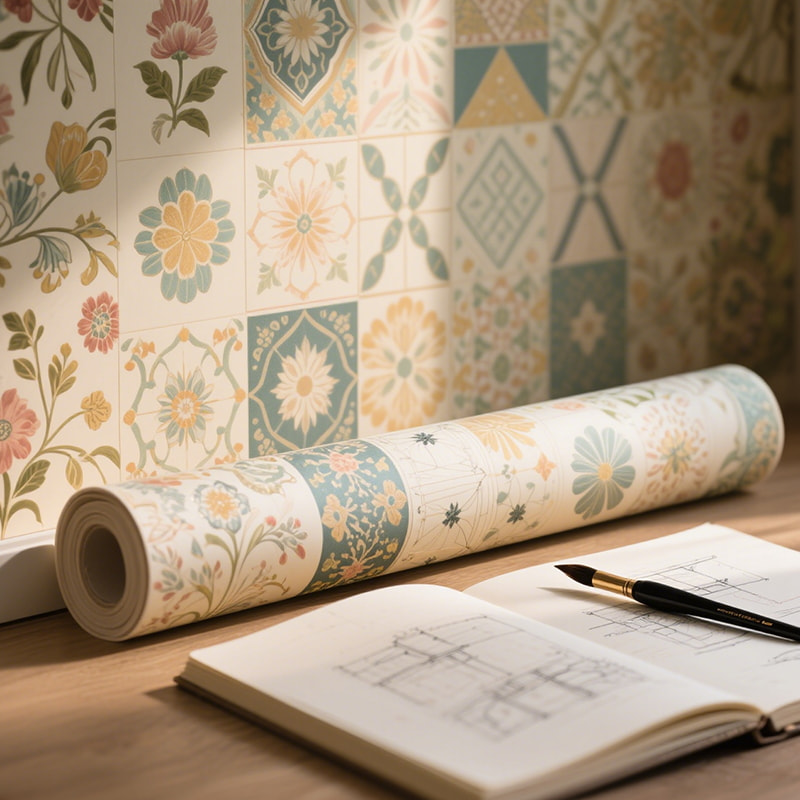
Before promoting printed wallpaper, the question of "who to sell to" must be addressed. The B2B and B2C markets differ fundamentally in decision-making mechanisms, technical requirements, and profit structures.
Project clients prioritize environmental protection levels, flame retardancy, weather resistance, and batch delivery stability, while retail clients focus more on pattern styles and price ranges. Compared to the short decision-making cycle and high volatility of the retail market, project decisions are often longer, but once a contract is won, there is potential for continuous supply and repeat purchases. Therefore, for manufacturers and wholesalers, priority should be given to building a standardized product structure around project channels and establishing a professional image for customized printed wallpaper solutions for projects.
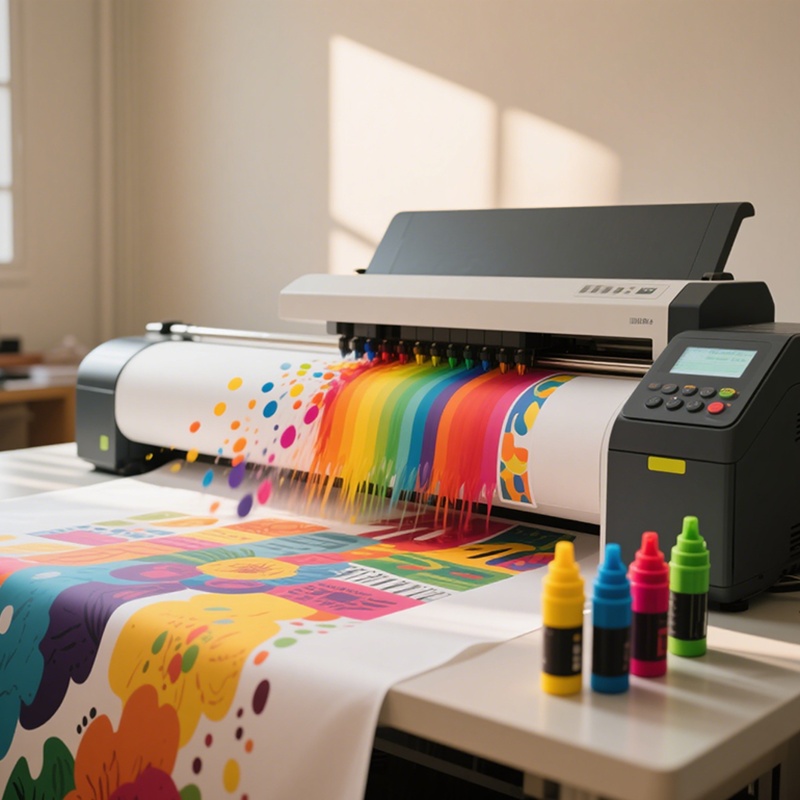
In high-end projects, environmental standards often become an entry barrier. Products using water-based or UV-curing processes have advantages in VOC emission control. Key indicators include:
Marketing statements should use test report data, rather than abstract terms like "environmentally friendly" and "safe."
Engineering clients focus on installation effects and life cycle cost. Emphasize:
For example, in hotel projects, solutions can be integrated around a "guest room themed visual system"; in commercial spaces, around a "branded wall visual system." Providing technical breakdowns and showcasing construction node treatments increases client trust.
Output professional content like technical articles, white papers, and construction guides to establish a "technology-driven supplier" image. Topics include:
Systematically compile commercial space printed wallpaper application cases, including:
For wholesalers and engineering procurement, stable supply capability is more important than low price. Key aspects include:
Providing complete construction instructions, including adhesive matching, substrate treatment standards, and maintenance recommendations, improves conversion rates.


+86-21-68881570

info@mirowallcovering.com

A207 No.2 Building NO.555 Lansong PD Pudong District 200137, Shanghai China
© Shanghai MIRO Import and Export Co., Ltd. All Rights Reserved. Custom Eco-Friendly Sustainable Wallpaper Manufacturersprivacy
