


 中文简体
中文简体 English
 русский
 Español
 عربى
عربى
Home / News / Industry News / How do you verify the quality standards of a wallcovering manufacturer?
Industry News
Selecting the right manufacturing partner is the single most critical factor in ensuring the success of any interior design or construction project. A specialized wallcovering factory does not merely produce decorative paper; it provides the technical assurance, material durability, and aesthetic consistency required for professional applications. The conclusion is straightforward: working with a factory that integrates advanced printing technology, rigorous quality control protocols, and sustainable material sourcing ensures a superior final product that stands the test of time. Unlike generic suppliers, a dedicated facility focuses on the nuances of adhesion, pattern matching, and environmental resistance, which are essential for both residential and commercial environments.
When evaluating a facility, one must look beyond the sample book. The capability of a factory is defined by its machinery, the expertise of its technicians, and its ability to scale production without compromising on detail. Whether the requirement is for non-woven, vinyl, or natural fiber wallcoverings, the factory's proficiency in handling specific substrates determines the texture and longevity of the wall finish. Furthermore, a modern factory acts as a partner in innovation, offering solutions that meet strict fire ratings and low VOC emissions, which are increasingly mandatory in public spaces.
The sophistication of the manufacturing process is a primary indicator of a factory's capability. High-quality wallcoverings are produced using a variety of complex techniques, each offering distinct visual and tactile effects. Understanding these methods helps in selecting the right product for specific environmental conditions and aesthetic goals.
Rotogravure is a traditional yet highly revered method in the industry, particularly for projects requiring deep color saturation and intricate, continuous patterns. This process involves engraving the image onto a cylinder. The engraved cells hold the ink, which is then transferred to the substrate. This technique is ideal for long-run production because once the cylinders are made, the quality remains consistent across thousands of meters. Factories utilizing rotogravure can achieve a photographic level of detail with a tactile feel that is difficult to replicate with other methods.
Surface printing uses lightweight rubber cylinders to apply ink, similar to a rubber stamp. This method is excellent for creating authentic, hand-printed looks with slight variations that add character. Flexography, on the other hand, uses flexible relief plates and is faster, suitable for simpler patterns. Both methods are cost-effective for certain styles but may lack the ultra-fine resolution of gravure or digital printing.
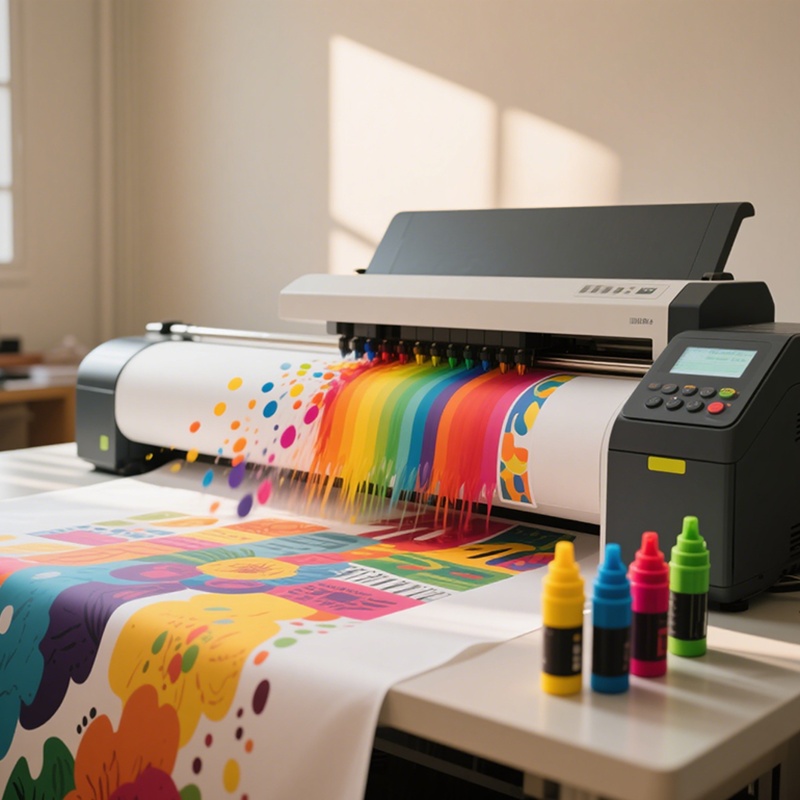
Digital printing represents the modern frontier of wallcovering manufacturing. It does not require physical cylinders or screens, allowing for limitless customization and smaller production runs. This is crucial for custom murals or boutique hotel projects where unique designs are required. A factory equipped with industrial digital printers can produce high-definition images with precise color matching, significantly reducing lead times for custom orders.
| Technology | Best Use Case | Setup Efficiency |
|---|---|---|
| Rotogravure | Deep colors, high volume | Low (Requires cylinder engraving) |
| Surface Printing | Traditional, vintage looks | Medium |
| Digital Printing | Custom murals, small batches | High (No physical plates needed) |
The durability and application method of a wallcovering are dictated by its substrate. A top-tier factory offers a diverse portfolio of materials, each engineered for specific performance requirements. Understanding the composition of these materials is vital for specifiers.
Non-woven wallcoverings have become the industry standard for professional installation due to their dimensional stability. Composed of a blend of natural and synthetic fibers, they are breathable, which prevents mold growth in humid climates. Because they do not expand when wet with paste, they allow for "paste-the-wall" installation, making the hanging process faster and cleaner. Factories producing high-grade non-woven materials ensure a tear-resistant substrate that is easy to remove without damaging the drywall.
Vinyl wallcoverings are the workhorses of the commercial sector. A vinyl layer is applied to a paper or fabric backing, providing a waterproof and washable surface. Type II vinyl, for instance, is thick and durable, often used in hospitals and high-traffic corridors. The manufacturing process here involves calendering, where the vinyl is pressed into sheets. While extremely durable, factories must ensure that the plasticizers used are safe and that the product meets environmental standards.
For high-end aesthetics, factories process grasscloth, silk, linen, and metallic foils. These materials require specialized handling machinery due to their fragile nature. A factory with expertise in natural materials will have strict quality control to manage variations in color and texture, which are inherent in natural products but must be kept within acceptable limits.
Consistency is the hallmark of a professional factory. Before any batch leaves the facility, it must undergo a series of rigorous tests to ensure it meets international performance standards.
A factory that implements these protocols demonstrates a commitment to quality. Clients should always ask for certification of these tests, as they provide a safety net against product failure.
Sustainability is no longer an option but a necessity in modern manufacturing. Wallcovering factories are under increasing pressure to reduce their environmental footprint through responsible sourcing and cleaner production methods.
Leading facilities utilize water-based inks that release minimal Volatile Organic Compounds (VOCs) into the atmosphere, improving indoor air quality. Furthermore, responsible sourcing of wood pulp from FSC-certified forests ensures that the paper used is renewable and does not contribute to deforestation. Energy efficiency is another critical area; modern factories employ closed-loop water systems and heat recovery units to minimize waste during the drying and curing processes.
Factories are also innovating with recyclable wallpapers. By developing products that can be easily removed and recycled, they help construction projects achieve green building certifications such as LEED or BREEAM.
The ability to customize colorways and patterns sets a high-tier factory apart from a basic manufacturer. Customization services allow designers to match specific color palettes for corporate branding or to modify the scale of a pattern to fit the dimensions of a unique room.
However, customization requires agility. A factory with an efficient supply chain can source raw materials quickly and convert them into finished goods without unnecessary delays. This involves real-time inventory management and logistics coordination. For large-scale commercial projects, the factory's ability to produce "just-in-time" reduces storage costs and the risk of damage on-site.
This structured approach ensures that the client receives exactly what was envisioned, executed to the highest technical standards.


+86-21-68881570

info@mirowallcovering.com

A207 No.2 Building NO.555 Lansong PD Pudong District 200137, Shanghai China
© Shanghai MIRO Import and Export Co., Ltd. All Rights Reserved. Custom Eco-Friendly Sustainable Wallpaper Manufacturersprivacy
